Galatians 2
Jusiñamui uai: Jusiñamui jito rafue illa rabenico · Tap a verse to see its cross-references.
Jerusalémo Pablo jailla rafue
1Catorce años illanona, Jerusalémo dane jaidɨcue. Bernabé cue dɨga jaide. Titona uitɨcue. 2Jusiñamui cuemo llua jira, nainomo ite creyentiaɨmo jaidɨcue. Judíuaɨñedɨno Cristo rafuena jai ɨɨnuana cue llollena, jaidɨcue. Cue llofuiana naimacɨ raise uiñollena, creyentiaɨ illaɨcomɨnɨmo anado nano llotɨcue. Cue llofuiana: “Mare” naimacɨ raillana uiñoiacadɨcue. Taɨnona Cristo rafuena cue lloi raillanona uiñoiacadɨcue. Naimacɨ dɨga cue ñaɨa mei, cue llofuiana: “Mare” raitɨmacɨ. 3Tito cue dɨga ite. Naimɨedɨ judío naɨraɨ imɨeñede; iadedɨ naimacɨ abɨna detacabilla isoi, creyentiaɨ illaɨcomɨnɨ dɨnena naimɨe abɨ detatajana lloñedɨmacɨ. 4Creyentiaɨna abɨ caitadɨno billa jira, Tito abɨna detatajana siadotɨcaɨ. Naimacɨna caɨ uaidoñeno bitɨmacɨ. Moisés mɨcorɨ llogacɨnuaɨ anamo caɨ iñenana naimacɨ uiñollena, bitɨmacɨ. Cristo Jesús caɨ ɨɨnua jira, Moisés mɨcorɨ llogacɨnuaɨdo jai jaiñedɨcaɨ. Moisés mɨcorɨ llogacɨnuaɨ anamo caɨna dane itatallena, iena uiñoiacadɨmacɨ. 5Caɨ mare rafuena jɨaɨena jaca meidoñellena, naimacɨ ñaɨana dallu cacareiñedɨcaɨ. Uanaicɨnona omoɨ uiñuana jitaidɨcaɨ. 6Naie creyentiaɨ illaɨcomɨnɨ omoɨmo llollena, cuemo jɨaɨe rafuena lloñedɨmacɨ. Illaɨcomɨnɨna raillanodɨmacɨ; iadedɨ cuemona jamai bue isoidɨmacɨ. Jusiñamui nana comɨnɨ daje isoi feiñua jira, naimacɨ uai cue uai baɨfemo faɨñede. 7Cue llofuiana rairuiñedɨmacɨ; iadedɨ creyentiaɨ illaɨcomɨnɨ cuena Bernabé dɨga marena feiñotɨmacɨ. “Daje isoi comecɨaɨna facadɨcaɨ” raillamona, cue llofuiana: “Jai mare” raitɨmacɨ. Creyentiaɨ illaɨcomɨnɨdɨ Jacobo, Pedro, Juan dɨgamɨe. Judíuaɨ dɨne Pedrona Jusiñamui oretaja isoi, cue lluamona judíuaɨñedɨno dɨne Jusiñamui cuena oretajana uiñotɨmacɨ. Pedro lluamona Jusiñamuidɨ ailluena judíuaɨna creyentiaɨna itatate. Cue lluamona, Jusiñamuidɨ ailluena judíuaɨñedɨnona creyentiaɨna jɨaɨ itatate. Iemona Jusiñamui uai cuemo illana jai uiñotɨmacɨ. Judíuaɨñedɨnomo Jesucristo rafuena llocana nia coco jaillana jitaidɨmacɨ; iadedɨ judíuaɨmo Jesucristo rafue llocana nia jaidɨmacɨ. 10Daje rafue cocomo llotɨmacɨ. “Duerede creyentiaɨna canocabi” llotɨmacɨ. Iena iocɨre fɨnoacadɨcue.
Antioquíamo suide rafue
11Antioquíamo cue jailla mei, Pedro nainomo jɨaɨ jaide. Nainomo Pedro bia, maraiñedɨfue naimɨe fɨnua jira, naimɨe uiecomo naimɨemo rɨire llotɨcue. 12Nainomo Pedro nano rilla mei, nana creyentiaɨ dɨga nainomo naimɨe guisoide. Judíuaɨ creyentiaɨ dɨga, judíuaɨñede creyentiaɨ dɨga, danomo guisoide. Iemei Jacobo dɨnena damɨerie bitɨmacɨ. Moisés mɨcorɨ llogacɨnodo jaisoidɨmacɨ. Moisés mɨcorɨ llogacɨnodo Pedro jai jaiñede; iadedɨ naimacɨ billa mei, naimacɨna naimɨe jacɨruilla jira, judíuaɨñede creyentiaɨ dɨga Pedro jai guiñede. Ie ɨɨnoga rafuedo naimɨe jai jaiñede. 13Naimɨe iese illamona, judíuaɨ creyentiaɨdɨ judíuaɨñede creyentiaɨ dɨga jai jɨaɨ guiñedɨmacɨ. Pedro illa isoi, Bernabé iedo jɨaɨ jaide. 14Naimacɨ iese illa jira, Jesucristo rafuedo raise jaiñedɨmacɨ. Uanaicɨnodo jaiñedɨmacɨ. Iena cue uiñua jira, nana comɨnɨ uicomo Pedromo llotɨcue: “Judío naɨraɨ imɨedɨo; iadedɨ o jeacɨnomona o jilloillena, caɨ einamacɨ lluacɨnodo birui jaiñedɨo. Ie jira, ¿bue ñellena judíuaɨñedɨno caɨ einamacɨ lluacɨnodo jaillana jai jitaidɨo?”
Judíuaɨdɨ creyentiaɨna jailla mei, Moisés mɨcorɨ llogacɨnuaɨdo jai jaiñedɨmacɨ
15Nia lloitɨcue: Judíuaɨñedɨnodɨ Moisés mɨcorɨ lloga uaina jaie uiñoñedɨmacɨ. Caɨdɨ judíuaɨna jeicɨgacaɨ. Ie muidona Moisés mɨcorɨ llogacɨnuaɨ anamo jaie jeicɨgacaɨ. 16Iese itɨcaɨ; iadedɨ Moisés mɨcorɨ llogacɨnuaɨdo jaillamona, Jusiñamui jitailla isoi, jaca bu marebicaiñede. Jusiñamui jitailla isoi, Jesucristona ɨɨnuamona marebicaidɨcaɨ. Iena uiñotɨcaɨ. Ie jira Cristo Jesúna ɨɨnotɨcaɨ, caɨ marebicaillena. Caɨ marebicaillena, Moisés mɨcorɨ llogacɨnuaɨna ɨɨnoñedɨcaɨ. Moisés mɨcorɨ llogacɨnuaɨna ɨɨnuamona, jaca buna marebificainide. 17Jusiñamuimona caɨ marebicaiacallena, Cristona caɨ ɨɨnuamona jeacɨno fɨnoraɨnɨñedɨcaɨ. “Cuena ɨɨnuamona, marebicaitomoɨ” Cristo iese llofueuide. Naimɨe llua isoi caɨ marebicaiñenia, caɨ jeacɨnomona nia caɨ jilloñenia, Cristo muidona; iadedɨ iese iñedɨcaɨ. 18Moisés mɨcorɨ llogacɨnuaɨ jai jamaiñocaidɨcue. Ie jira naicɨnuaɨ dane abɨdo cue oia, iena birui cue ɨɨnoñena jira, jai jeacɨno fɨnoraɨmɨedɨcue. 19Iemona cue marebicaiñena jira, Moisés mɨcorɨ llogacɨnuaɨ cuemo jai duiñede. Ie anamo jai iñedɨcue. Ie muidona Jusiñamui llogacɨnuaɨdo jai jaidɨcue. Cristo anamo jai itɨcue. 20Naimɨe dɨbeimo jai itɨcue. Cristo cuemo ite. Cristo cuena namatade. Jusiñamui Jitona cue ɨɨnocana jai jaidɨcue. Cuena isiruillamona, naimɨe jitaillamona, cueri fiodaite. 21Jusiñamui caɨna duenaillana jamaiñedɨcue. Jusiñamui jitailla isoi, Moisés mɨcorɨ llogacɨnuaɨna caɨ ɨɨnuamona marebicaidɨcaɨna, Cristo taɨnomo niade fiodaite.
Did you know?
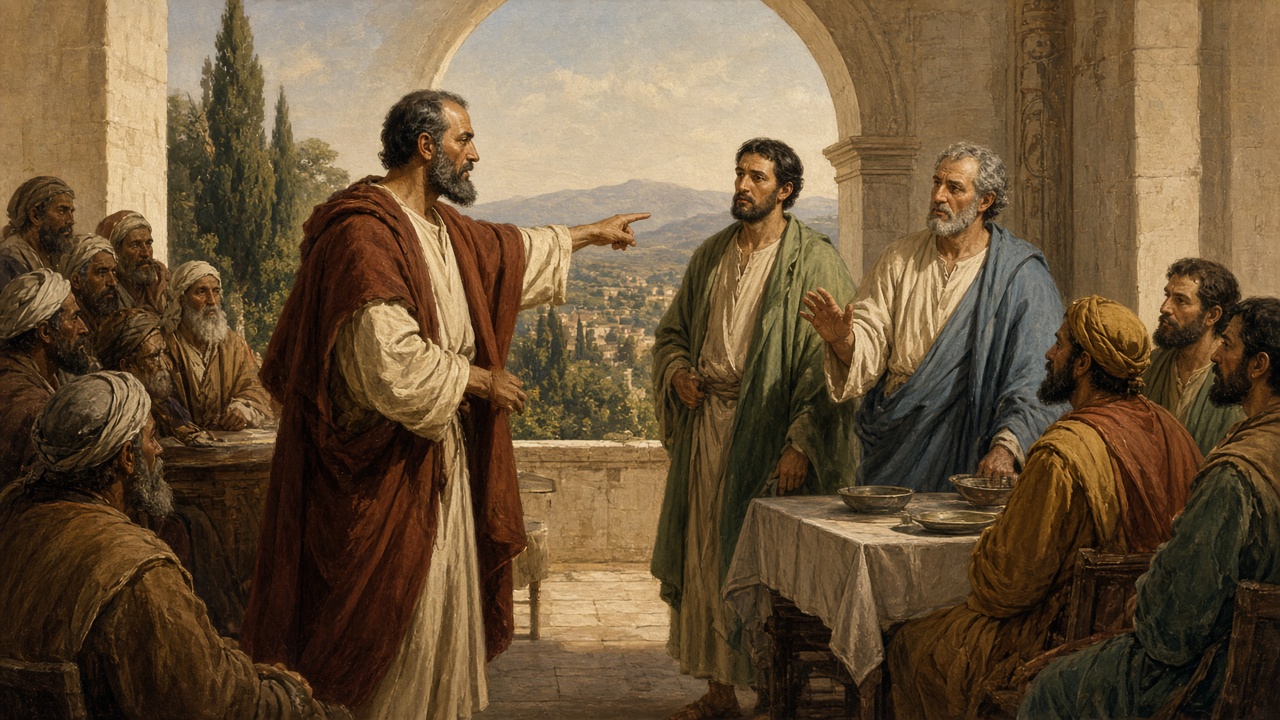
Gentiles, Fellowship, and a Clash at Antioch
- Titus went with Paul and Barnabas to Jerusalem. Easton's Bible Dictionary (1897) says he appears to have been a Gentile and that his name never appears in Acts. Paul writes that Titus, though a Greek, was not compelled to be circumcised.Sources: Titus · the Bible text itself
- The later clash took place at Antioch in Syria, on the Orontes, some three hundred miles north of Jerusalem. The city ranked third among the cities of the Roman Empire, after Rome and Alexandria, and it was there that believers were first called Christians.Sources: Antioch (Syria) · the Bible text itself
- Easton's Bible Dictionary (1897) describes James, named with Cephas and John as one of the pillars, as head of the church at Jerusalem, where he presided at the council on the Gentiles. Paul says that before certain men came from James, Cephas used to eat with the Gentiles, but then drew back for fear of the circumcision group.Sources: James (Brother of Jesus) · the Bible text itself
Notes written with AI assistance from open sources (Theographic Bible Metadata, CC BY-SA 4.0; Easton’s Bible Dictionary, public domain) and reviewed before publishing.
Places in this chapter
- Jerusalem · 31.777, 35.234 · verse 1
- Antioch · Today: Antioch on the Orontes · 36.227, 36.172 · verse 11
Only places identified with high confidence are shown (90% or more according to the scholarly sources compiled by OpenBible). Period map: DARE (Digital Atlas of the Roman Empire), CC BY 4.0; modern map: © OpenStreetMap contributors; places: OpenBible.info (CC BY 4.0).
Credits and license for this translation
Jusiñamui uai: Jusiñamui jito rafue illa rabenico
New Testament in Huitoto, Murui (PE:huu:Huitoto, Murui)
copyright © 2008 Wycliffe Bible Translators, Inc.
Language: Huitoto, Murui
Translation by: Wycliffe Bible Translators, Inc.
Huitoto, Murui [huu], Peru
Copyright Information
© 2008, Bible League International. All rights reserved.
This translation text is made available to you under the
terms of the Creative Commons License: Attribution-Noncommercial-No Derivative Works.
( http://creativecommons.org/licenses/by-nc-nd/3.0/ )
In addition, you have permission to port the text to different file formats, as long as you
do not change any of the text or punctuation of the Bible.
You may share, copy, distribute, transmit, and extract portions
or quotations from this work, provided that you include the above copyright
information:
You must give Attribution to the work.
You do not sell this work for a profit.
You do not make any derivative works that change any of the actual words or punctuation of the Scriptures.
Permissions beyond the scope of this license may be
available if you contact
us with your request.
The New Testament
in Huitoto, Murui
© 2008, Wycliffe Bible Translators, Inc. All rights reserved.
This translation is made available to you under the terms of the
Creative Commons Attribution-Noncommercial-No Derivatives license 4.0.
You may share and redistribute this Bible translation or extracts from it in any format, provided that:
You include the above copyright and source information.
You do not sell this work for a profit.
You do not change any of the words or punctuation of the Scriptures.
Pictures included with Scriptures and other documents on this site are licensed just for use with those Scriptures and documents.
For other uses, please contact the respective copyright owners.
2014-04-25
Source: http://ebible.org/huuNT/ · eBible.org