Acts 7
Jusiñamui uai: Jusiñamui jito rafue illa rabenico · Tap a verse to see its cross-references.
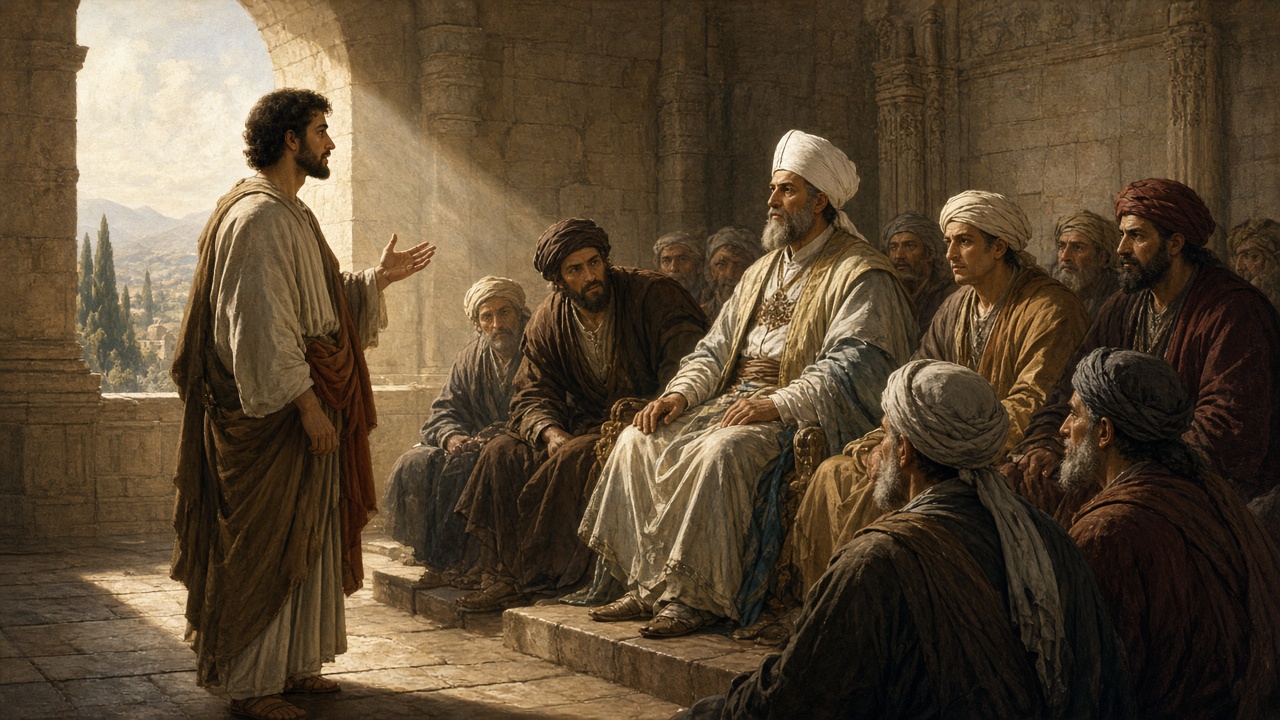
Esteban mɨcorɨ abɨ rɨidua rafue
1Jusiñamui dɨga nanoca ñaɨraɨma Esteban mɨcorɨmo jɨcanote:
—¿Ua ie isoi naimacɨ lluacɨno ite?
2Naimɨe uai ote:
—Caɨmacɨ, cacarei. Caɨ jaiagaɨmona caɨ fueollena, naimacɨ mɨcorɨaɨna lloitɨcue. Jusiñamui maremɨena jira, naimɨedɨ caɨ eirue jitomo jaie bairede. Caɨ eirue jitodɨ Abraham mɨcorɨ. Mesopotamiamo naimɨe mɨcorɨ nia ia, Harámo naimɨe mɨcorɨ nia jaiñenia, Jusiñamuidɨ naimɨe mɨcorɨmo bairiano 3llote: “O enɨruemona mai jai. O comɨnɨmona mai jai. Omo cue acatalle enɨruemo jaitɨo”. 4Ie jira Caldea railla enɨruemona naimɨe mɨcorɨ jaide. Harámo rillanona, dɨga iruillaɨ nainomo ite. Naimɨe moo mɨcorɨ fiodailla mei, omoɨ birui illa enɨruemo Jusiñamui naimɨe mɨcorɨna oretate. 5Nainomo rillanona, Jusiñamuidɨ naie enɨrue naimɨe mɨcorimo fecañede. Ua janore jisa fecañede; iadedɨ: “Omo iena ɨco fecajitɨcue” raite. “O uruiaɨmo fecajitɨcue” jɨaɨ llote; iadedɨ naie facaise Abraham mɨcorɨ uruenide. 6Jusiñamui jɨaɨ llote: “O uruiaɨ jɨaɨe comɨnɨ enɨruemo jaianɨitɨmacɨ. Egiptomo jaianɨitɨmacɨ. Naimacɨna duere fɨnoitɨmacɨ. Cuatrocientos años llegɨ cacajitɨmacɨ. 7Naimacɨna maɨjɨtaite naɨraɨna duere fɨnoitɨcue. Ie mei o uruiaɨ naie enɨruemona biitɨmacɨ. Bie illanomo cuemo iobillacɨnona fecajitɨmacɨ” llote. 8Ie comɨnɨna naimacɨ jaillena, Jusiñamui Abraham mɨcorɨmo ɨisaɨaɨ dɨese abɨna diana llote. Ie facaise Abraham mɨcorɨ Isaac mɨcorɨna comuitate. Ie jeicɨamona ocho dɨgarui illamona, Abraham mɨcorɨ naimɨe mɨcorɨna dete. Isaac mɨcorɨ Jacob mɨcorɨna comuitate. Jacob mɨcorɨ doce uruiaɨna comuitate. Naimacɨ mɨcorɨaɨmona caɨ doce dɨga naɨraɨ comuidɨmacɨ.
9’Caɨmacɨ, José mɨcorɨna Jacob mɨcorɨ uruiaɨ mɨcorɨaɨ uradoillamona, Egipto comɨnɨmo naimɨena fecadɨmacɨ; 10iadedɨ Jusiñamui naimɨena eo sedade. Ie llegɨ ie cacajamona naimɨena jillotate. Naimɨemo uiñoracɨnona fecade. Ie jira Faraón mɨcorɨ naimɨena jɨaɨ gaɨde. Faraón mɨcorɨdɨ Egipto illaɨma. Ie muidona Faraón Joséna fetode, nana Egiptomo itɨnona sedallena. Ie jofona jɨaɨ sedatate. 11Naie facaiseconi nana Egipto comɨnɨ aime guitɨmacɨ. Canaámo Jacob mɨcorɨ illanona, nana nainomo itɨno dɨga aime jɨaɨ guite. Eo duere sefuidɨmacɨ. Caɨ usumatɨaɨ mɨcorɨaɨ naimacɨ illanomo guillena baiñedɨmacɨ. 12Egiptomo guille illana Jacob mɨcorɨ fɨdɨano, guille ollena, nano facaise ie uruiaɨ mɨcorɨna nainomo oretate. 13Ie mei José ie amatɨaɨna naimɨena uiñotade. Faraóndɨ José comɨnɨ illana fɨdɨde. 14Ie jira Josédɨ ie moona uaidote. Nana ie comɨnɨna uaidote. Setenta y cinco dɨgamɨe ite. 15Ie jira Egiptomo Jacob mɨcorɨ jaide. Nainomo fiodaite. Ie uruiaɨ mɨcorɨaɨ nainomo jɨaɨ fiodaitɨmacɨ. 16Siquem railla naɨraɨ illanomo naimacɨ comɨnɨ naimacɨ mɨcorɨaɨna uillano, nofɨcɨ ie raɨafomo jonetɨmacɨ. Siquemmo Abraham mɨcorɨ naifona Emmor uruiaɨ mɨcorɨaɨmona jaie ɨbade.
17’Caɨmacɨ, Jusiñamui Abraham mɨcorɨmo lloga rafue suille iaɨrei illa facaiseconi, Egiptomo caɨ comɨnɨdɨ eo jebuidɨmacɨ. Abraham mɨcorɨmo: “Egiptomona o uruiaɨ biitɨmacɨ” Jusiñamui jaie llote. 18Naie facaise jɨaɨe illaɨma Egiptona sedade. José mɨcorɨna uiñoñede. 19Ie jira caɨ comɨnɨna jɨfuiano maɨjɨtauide. Uruiaɨ fiodaillena, naimacɨna imacɨ uruiaɨna faɨnonocaitate. 20Ie facaiseconi Moisés mɨcorɨ jeicɨga. Jusiñamuimona naimɨe mɨcorɨ eo ebire eruaɨde. Ie moo jofomo daje amani fɨvui ite. 21Ie mei naimɨedɨ faɨnonocaiga. Faraón jisa mɨcorɨdɨ naimɨe mɨcorɨna uanona, naiñaiño jito isoi naimɨe mɨcorɨna uiuicaide. 22Naimɨe mɨcorɨ nana Egipto comɨnɨ uiñuacɨnona fueote. Illaɨma uai isoi naimɨe uaidɨ ite. Eo abɨna uiñotɨmɨe.
23’Caɨmacɨ, naimɨe mɨcorɨ cuarenta años illa facai, ie comɨnɨ dɨne ie jaillemo ie comecɨna facade. Naimɨe comɨnɨdɨ caɨ judíuaɨ comɨnɨ. 24Egipto imɨemona damɨe llegɨ cacajana cɨuano, naimɨena rɨidote. Rɨiduanona, Moisés mɨcorɨdɨ Egipto imɨena meinete. 25Moisés mɨcorɨ comecɨna facade: “Cue muidona Egiptomona Jusiñamuidɨ cue comɨnɨna oretaite”. “Cue comɨnɨ biena uiñotɨmacɨ” raillanona comecɨna facade; ie iadedɨ iena uiñoñedɨmacɨ. 26Ie aredɨruido Moisés mɨcorɨdɨ mena come iaɨmaiaɨ fuirillana cɨode. Iaɨmaiaɨna marena itataiacade. Raite: “¿Bue ñellena conimana duere fɨnoacadomɨco? ¿Bue ñellena o come dɨga fuiridomɨco?” 27Duere fɨnoacadɨmɨe naimɨena oni ñuitade. Jɨcanote: “¿Bu odɨ caɨ illaɨmana jonegao? ¿Bu caɨmo ona llotatate juez isoi? 28¿Na are Egipto imɨe o meinia isoi cuena jɨaɨ meineiacadɨo?” 29Iena cacajano, come fajana naimɨe llɨnua jira, jacɨnaillanona, Moisés mɨcorɨ aisɨde. Madián railla enɨruemo jamai ua illafuena ite. Dɨnomo ie aɨna ua mei, nainomo mena jitona comuitate.
30’Caɨmacɨ, cuarenta años illa mei, jofue iñenanomo Moisés mɨcorɨ illanona, Jusiñamui jaɨenicɨ naimɨe mɨcorɨmo bairede. Sinaí railla anedu ianori ite. Amena boua isoi amenamo bairede. Naie boode amenadɨ fuiñede. 31Iena cɨuano, Moisés mɨcorɨ raijicaide. Naie iaɨreise naimɨe mɨcorɨ jɨbuisaidemo, naimɨemo Jusiñamui llote: 32“O usumatɨaɨ imacɨ Jusiñamuidɨcue. Abraham, Isaac, Jacob, imacɨ Jusiñamuidɨcue” llote. Jacɨnaillamona Moisés mɨcorɨ abɨ docaide. Jacɨruillanona, erodañede. 33Jusiñamui naimɨena raite: “Jamai bue o isoilla jira, o zapatona duiño. Benomo cue illa jira, o naidaillanodɨ eo mareno. 34Egiptomo cue comɨnɨ llegɨ cacajana raise cɨodɨcue. Naimacɨ duere sefuillana uiñotɨcue. Ie jira omo bairedɨcue, naimacɨna Egiptomona jilloitallena. Mai jai. Egiptomo ona oretaitɨcue” llote; 35iadedɨ comɨnɨ dɨnena Moisés mɨcorɨna jaie jitaiñenamona, naimɨena raitɨmacɨ: “¿Bu illaɨmana odɨ jonegao? ¿Bu o juezna jonegao?” Comɨnɨ dɨnena naimɨena jitaiñedɨmacɨ; iadedɨ Jusiñamui naimɨena illaɨmana itatate. Naimɨena Egiptomona comɨnɨna jilloitaraɨmana jɨaɨ itatate. 36Egiptomona Moisés naimacɨna atɨde. Egiptomo nia ia, dɨga siño rafuena fɨnode. Jiaɨrede monaillai fuemo naimacɨ rillanona, siño rafuena jɨaɨ fɨnode. Jofue iñenanomo cuarenta años siño rafuena fɨnocana jaide.
37’Caɨmacɨ, Moisés mɨcorɨdɨ caɨ judíuaɨ comɨnɨmo llote: “Omoɨmona Jusiñamuidɨ damɨena ie rafue lloraɨmana ɨco oretaite, naimɨe cuena oretaja isoi”. 38Jofue iñenanomo naimacɨ ia, Moisés Jusiñamui jaɨenicɨ dɨga anedumo ñaɨte. Anedu mamecɨdɨ Sinaí. Iemei caɨ usumatɨaɨ mɨcorɨaɨ dɨga naie jaɨenicɨ facaina Moisés ñaɨte. Caɨmo fecallena, naimɨedɨ comɨnɨna itatate uaina feiñote; 39iadedɨ caɨ usumatɨaɨ mɨcorɨaɨ naimɨena ɨɨnoiacaiñedɨmacɨ. Naimɨena jitaiñedɨmacɨ. Egiptomo abɨdo jaillemo naimacɨ comecɨaɨ facadɨmacɨ. 40Ie jira comɨnɨ dɨnena Aarón mɨcorɨmo llotɨmacɨ: “Egipto enɨruemona Moisés caɨna atɨde; iadedɨ naimɨe caɨ dɨga illana ja uiñoñedɨcaɨ. Caɨ facaina Jusiñamuina eruaɨde jiraraɨna fɨno, Egiptomo abɨdo caɨna ɨfollena”. 41Iemo jurareta urue joreñona fɨnodɨmacɨ. Iena sedallena, faga toɨca ocainaɨaɨna fecadɨmacɨ. Naimacɨ fɨnoca rafueri eo caɨmataidɨmacɨ. 42Ie jira Jusiñamui naimacɨmona oni jaillanona, naimacɨna faɨnonocaide. Iemona jitomana sedauidɨmacɨ. Fɨvuina jɨaɨ sedauidɨmacɨ. Ucuaɨna jɨaɨ sedauidɨmacɨ. Jusiñamui rafue lloraɨma ie rabenicomo biena jaie iese cuega:
Jusiñamui llote: “Judíuaɨ imacɨ, cuarenta años jofue iñenanomo omoɨ ia, cuemo omoɨ faga toɨca ocainaɨaɨ fecañedomoɨ;
43iadedɨ cuemo omoɨ comecɨaɨna facañeno Moloc railla jiraraɨna sedadomoɨ.
Refán railla ucuduna jɨaɨ sedadomoɨ.
Naimacɨna sedallena, jiraraɨna fɨnodomoɨ.
Ie jira Babilonia naɨraɨ baɨfemo omoɨna oretaitɨcue”
cuega. Naie facaise caɨ usumatɨaɨ mɨcorɨaɨ Jusiñamuina jitaiñedɨmacɨ.
44’Caɨmacɨ, bie rafuena caɨ fueollena, caɨ usumatɨaɨ mɨcorɨaɨ motomo Jusiñamui illana lloitɨcue. Jofue iñenanomo caɨ usumatɨaɨ mɨcorɨaɨ motomo daje jofo aillocona nitɨmacɨ. Nainomo Jusiñamuina sedallena, Jusiñamui Moisés mɨcorɨmo acataja isoi, iena nitɨmacɨ. Jusiñamui jaie cuega nofɨcɨdɨ naicomo eenoga. 45Josué dɨga bie enɨruemo naimacɨ billa facaise, caɨ usumatɨaɨ mɨcorɨaɨ naicona atɨdɨmacɨ. Bie enɨrue jɨaɨe naɨraɨaɨmo jaɨnaɨaɨde; iadedɨ Jusiñamui naie naɨraɨaɨna dotajano, caɨ usumatɨaɨ naie enɨruena baɨrodɨmacɨ. Naico nainomo ite David mɨcorɨ facaiseconi. 46Jusiñamui David mɨcorɨna eo canode. Ie jira David mɨcorɨdɨ caɨ usuma Jacob mɨcorɨ ie Jusiñamui jofona fɨnollena jɨcanote: 47ia Salomón mɨcorɨdɨ jofona Jusiñamui iena fɨnode; 48iadedɨ Jusiñamuidɨ ɨima fɨnoca jofomo i-iñede. Jusiñamui facaina lloraɨma mɨcorɨdɨ Jusiñamuina iese cuete:
49Caɨ Nama raite: “Monamo cue illamona, nana comɨnɨ cue anamo itɨmacɨ.
Jafaicɨ otɨcuedena, naga rana cue fɨnua jira, nainomo cuena omoɨ sedallena, nɨe isoide jofona omoɨ fɨnuana jitaiñedɨcue” raite.
51’Ero, omoɨ comecɨaɨ jaɨaɨrede. Omoɨ comecɨ ɨɨnoñede. Jefonidomoɨ isoidomoɨ. Ie jira Jusiñamui Joreño anamo iacaiñedomoɨ. Omoɨ usumatɨaɨ mɨcorɨaɨ isoi itomoɨ. 52Omoɨ usumatɨaɨ mɨcorɨaɨdɨ nana Jusiñamui rafue lloraɨma mɨcorɨaɨna duere fɨnodɨmacɨ. Mareuidɨmɨe billena llotɨnona meinetɨmacɨ. Mareuidɨmɨena gaɨtatatomoɨ. Naimɨena jai meinetomoɨ. Jesúna ñaɨtɨcue. 53Jusiñamui jaɨenicɨaɨmona Moisés mɨcorɨ llogacɨnona feiñotomoɨ; iadedɨ iena ɨɨnoñedomoɨ.
Judíuaɨ Esteban mɨcorɨna meinia rafue
54Esteban llofuiana naimacɨ cacajano, eo icɨritɨmacɨ. Icɨrillamona, isiduaɨ muru-muru raite. 55Jusiñamui Joreño nana Esteban mɨcorɨ comecɨmo namatajamona, monamo eruaɨllano, naimɨedɨ Jusiñamui ebirenana cɨode. Naimɨedɨ Jusiñamui nabeimo Jesús naidaillana cɨode. 56Raite:
—Mona ecuaɨllana cɨodɨcue. Jusiñamui Jito Jusiñamui nabeimo naidaillana cɨodɨcue.
57Esteban lluana cacajano, jefo oroisɨte. Eo cuiriillano, naimɨe dɨne aisɨcaidɨmacɨ. 58Jerusalémona naimɨena jino dotadɨmacɨ. Naimacɨmo ite emodomo itɨroina duiñuanona, Saulo railla conirue ecɨmo ɨniroina jonesɨde. Iemei Estebana nofɨcɨdo faɨrɨnosɨde. 59Estebana nofɨcɨ dɨga faɨrɨnuano, Estebadɨ Jusiñamuimo ado jɨɨde:
—Cue Nama Jesús, cue joreño feiño.
60Ieconi caiñɨcɨ ɨfodo raɨnadacaida ado jɨɨde:
—Naimacɨ bie jeacɨno fɨnua muidona, ɨbana oñeno.
Iese naimɨe jɨɨa mei, fiodaite.
Did you know?
Stephen retells Israel's story
- Stephen opens his speech with Abraham still in Mesopotamia, before he settled in Haran, when he was told to leave his country and his kindred. Mesopotamia—Hebrew Aram-naharaim, “Syria of the two rivers”—was the name Greeks and Romans gave the region between the Euphrates and the Tigris; the Old Testament also calls it Padan-aram, “the plain of Aram,” and the north of that plateau was the early home of the Hebrews’ ancestors. Easton's Bible Dictionary (1897) notes that this first call is not mentioned in the Old Testament, though Genesis 12 implies it, and that Abraham left Ur in Chaldea and traveled about 300 miles north to Haran.Sources: the Bible text itself · Mesopotamia · Abraham
- Stephen says the bones of Jacob and the fathers were carried back to Shechem and placed in the tomb Abraham had bought from the sons of Hamor. Easton's Bible Dictionary (1897) identifies Hamor as a Hivite whose name means “he-ass,” notes that Acts 7:16 calls him Emmor, and says Jacob bought from him the plot at Shechem in which Joseph was later buried. The entry adds that Hamor’s son Shechem founded the city that took his name.Sources: the Bible text itself · Hamor
- Stephen places the burning bush in the desert near Mount Sinai and says Moses received living words there from the angel who spoke to him on the mountain. Easton's Bible Dictionary (1897) treats Sinai—a name linked with Sin, a moon god—as the same mountain district also called Horeb. The entry says the Hebrews reached that region in the third month after the Exodus, after a journey of about 150 miles from the Red Sea, including all the windings of the route, and remained encamped for about a year.Sources: the Bible text itself · Mount Sinai
Notes written with AI assistance from open sources (Theographic Bible Metadata, CC BY-SA 4.0; Easton’s Bible Dictionary, public domain) and reviewed before publishing.
Places in this chapter
- Haran · Today: Harran · 36.864, 39.033 · verses 2, 4
- Mesopotamia · Today: Aram-naharaim · 36.864, 39.033 · verse 2
- Chaldea · 30.962, 46.104 · verse 4
- Egypt · 30.129, 31.308 · verses 9, 10, 11, 12, 14, 15, 17, 18, 34, 36, 39, 40
- Canaan · 32.767, 35.333 · verse 11
- Shechem · Today: Tell Balatah · 32.214, 35.282 · verse 16
- Nile · Today: Nile River · 31.465, 30.367 · verse 19
- Midian · 28.495, 35.012 · verse 29
- Babylon · 32.543, 44.422 · verse 43
Only places identified with high confidence are shown (90% or more according to the scholarly sources compiled by OpenBible). Period map: DARE (Digital Atlas of the Roman Empire), CC BY 4.0; modern map: © OpenStreetMap contributors; places: OpenBible.info (CC BY 4.0).
Credits and license for this translation
Jusiñamui uai: Jusiñamui jito rafue illa rabenico
New Testament in Huitoto, Murui (PE:huu:Huitoto, Murui)
copyright © 2008 Wycliffe Bible Translators, Inc.
Language: Huitoto, Murui
Translation by: Wycliffe Bible Translators, Inc.
Huitoto, Murui [huu], Peru
Copyright Information
© 2008, Bible League International. All rights reserved.
This translation text is made available to you under the
terms of the Creative Commons License: Attribution-Noncommercial-No Derivative Works.
( http://creativecommons.org/licenses/by-nc-nd/3.0/ )
In addition, you have permission to port the text to different file formats, as long as you
do not change any of the text or punctuation of the Bible.
You may share, copy, distribute, transmit, and extract portions
or quotations from this work, provided that you include the above copyright
information:
You must give Attribution to the work.
You do not sell this work for a profit.
You do not make any derivative works that change any of the actual words or punctuation of the Scriptures.
Permissions beyond the scope of this license may be
available if you contact
us with your request.
The New Testament
in Huitoto, Murui
© 2008, Wycliffe Bible Translators, Inc. All rights reserved.
This translation is made available to you under the terms of the
Creative Commons Attribution-Noncommercial-No Derivatives license 4.0.
You may share and redistribute this Bible translation or extracts from it in any format, provided that:
You include the above copyright and source information.
You do not sell this work for a profit.
You do not change any of the words or punctuation of the Scriptures.
Pictures included with Scriptures and other documents on this site are licensed just for use with those Scriptures and documents.
For other uses, please contact the respective copyright owners.
2014-04-25
Source: http://ebible.org/huuNT/ · eBible.org