Acts 4
Jusiñamui uai: Jusiñamui jito rafue illa rabenico · Tap a verse to see its cross-references.
Cristo oretagamaiaɨ llaɨcomɨnɨ motomo illa rafue
1Comɨnɨ dɨga Pedro iaɨmaiaɨ Juan dɨga ñaɨa facaise, Jusiñamui dɨga ñaɨraɨnɨdɨ naie iaɨmaiaɨ dɨne bitɨmacɨ. Jusiñamui jofona sedaraɨnɨ illaɨma dɨga, saduceuaɨ railla comɨnɨ dɨga jɨaɨ bitɨmacɨ. 2Fiodaillamona Jesús jai jilluana llofuetɨiaɨmaiaɨ. Comɨnɨna iaɨmaiaɨ llofuia jira, naie iaɨmaiaɨ dɨga icɨritɨmacɨ. 3Iaɨmaiaɨna gaɨtajanona, jai navuilla jira, cárcelmo jonetɨmacɨ, ie jitɨramo naie rafuena siadollena. 4Iese suide; ia Pedro llogacɨnona cacadɨnomona ailluena comɨnɨ naiena ɨɨnotɨmacɨ. Cinco mil dɨgamɨe creyentiaɨna jai itɨmacɨ.
5Ɨcoitɨ Jerusalémo nana judíuaɨ illaɨcomɨnɨ siadollena ofidɨmacɨ. 6Anás jɨaɨ bite. Naimɨedɨ Jusiñamui dɨga nanoca ñaɨraɨma. Caifás bite. Juan bite. Alejandro jɨaɨ bite. Nana Jusiñamui dɨga nanoca ñaɨraɨma comɨnɨdɨ ofidɨmacɨ. 7Naimacɨ motomo Pedro iaɨmaiaɨ Juan dɨga atɨanona, iaɨmaiaɨmo jɨcanotɨmacɨ:
—¿Bu uai dɨga biena fɨnodomɨco?
8Jusiñamui Joreño nana Pedro comecɨmo namatajano, Pedro naimacɨmo llote:
—Illaɨcomɨnɨ, bie rafuena omoɨmo lloitɨcue. 9Tɨsitaitɨmɨe jilluana birui cocomo jɨcanotomoɨ. “¿Buemona naimɨe jillode?” raillanona cocomo jɨcanotomoɨ. 10Jesucristo uai dɨga jillode. Omoɨ biena uiñuana, ua nana judíuaɨ comɨnɨ biena uiñuana jitaidɨcue. Jesucristodɨ Nazaret imɨe. Naimɨena jai coraɨdomoɨ; ia Jusiñamui naimɨena jai jillotate. Ie jira omoɨ uicomo Jesús muidona tɨsitaitɨmɨe jai benoconi naidaillana cɨodomoɨ. 11Omoɨ jofo fɨnoraɨnɨ isoidomoɨ. Omoɨ jitaiñede nofɨcɨdɨ jɨaɨe nofɨcɨ baɨfemo jai jaide. Jesúdɨ naie nofɨcɨ isoide. Naimɨe rafuena omoɨ jitaiñena jira, naimɨena meinetomoɨ. 12Caɨ jeacɨnomona jɨaɨmɨe caɨna jillotanide. Nana enɨruemo ite comɨnɨmona jɨaɨmɨe buna jaca jillotanide. Dama Jesús caɨna jillotarede —llote.
13Jacɨruiñeno marefodo llofuetɨiaɨmaiaɨ. Nainomo itɨno iena cacajano, comecɨna facadɨmacɨ: “Abɨna uiñoñedɨiaɨmaiaɨ. Jamai bue isoidɨaɨmaiaɨ”. Ie jira raijicaidɨmacɨ; iadedɨ Jesús llofueoicaigaiaɨmaiaɨna illana uiñotɨmacɨ. 14Jilloitagamɨe iaɨmaiaɨ dɨga naidaillana cɨodɨmacɨ. Ie jira naimacɨ uai iñede. 15Naie rafuena siadollena, naie illaɨcomɨnɨ iaɨmaiaɨna baɨ oredɨmacɨ. 16Coninɨmo jɨcanotɨmacɨ:
—¿Nɨese naie iaɨmaiaɨna nɨbaɨitɨcaɨ? Nana Jerusalémo itɨno iaɨmaiaɨ siño rafuena fɨnuana jai fɨdɨdɨmacɨ. Iena janonidɨcaɨ. 17Jɨaɨe comɨnɨ iena fɨdɨi raillano, Jesús rafuena iaɨmaiaɨ llofuiana rairuitɨcaɨ.
18Ie mei iaɨmaiaɨna naimacɨ dɨne dane uaidotɨmacɨ. Iaɨmaiaɨmo Jesús rafuena llofueñellena rɨire llotɨmacɨ. 19Pedro iaɨmaiaɨ Juan dɨga naimacɨ uai ote:
—Ie rafuena coco llollena Jusiñamui jitaide. Omoɨ uaina coco ɨɨnoia, Jusiñamui jitailla rafuena fɨnoñeitɨcoco. Cocomo llono. ¿Bu uaina ɨɨnoitɨcoco? ¿Jusiñamui? ¿Omoɨ? Cocomo iese llono. 20Daɨmaiaɨ coco cɨua rafuena llotɨcoco. Daɨmaiaɨ coco cacaja rafuena llotɨcoco —raite.
21Iaɨmaiaɨna jacɨnaitajamona, iaɨmaiaɨna jino oretatɨmacɨ. Iaɨmaiaɨna duere fɨnoñedɨmacɨ, nainomo ite comɨnɨ icɨrinaiñellena. Jusiñamuimo nana nainomo itɨnodɨ iobillacɨnona fecadɨmacɨ, tɨsitaitɨmɨe jai jillua jira. 22Jai jillodɨmɨemo cuarenta años baɨfemo ite. Siño uaido naimɨe jillua jira, comɨnɨ iobidɨmacɨ.
Naimacɨna Jusiñamui canollena, naimɨemo jɨɨacɨno
23Iaɨmaiaɨ jino jailla mei, iaɨmaiaɨ nabaiñɨaɨ dɨne jaidɨiaɨmaiaɨ. Illaɨcomɨnɨ iaɨmaiaɨmo lluana llotɨiaɨmaiaɨ. 24Naimacɨ iena cacajano, Jusiñamuimo damɨe llua isoi jɨɨdɨmacɨ:
—Ore Moo, mona fɨnodɨo. Enɨruena fɨnodɨo. Monaillaina fɨnodɨo. Nana naiemo ite rana jɨaɨ fɨnodɨo. 25Caɨ usuma David mɨcorɨna raise uiñotɨcaɨ. Naimɨedɨ ona sedadɨmɨe. Naimɨena bie rafuena o Joreño jaie llotatajamona, naimɨe llote:
¿Bue ñellena Jusiñamui dɨga judíuaɨñedɨno icɨritɨmacɨ?
¿Bue ñellena Jusiñamuimo comɨnɨ taɨnomo comecɨaɨna facadɨmacɨ?
26Illaɨcomɨnɨ ofidɨmacɨ, Jusiñamui dɨga fuirillena.
Jusiñamui facaisena iñedɨmacɨ.
Cristo facaisena jɨaɨ iñedɨmacɨ
llote. 27Naie rafue birui bene suide. Bie naɨraɨmo Herodedɨ, Poncio Pilato dɨga, judíuaɨñedɨno dɨga, judíuaɨ comɨnɨ dɨga, ofide. O mare Jito Jesús facaisena iñedɨmacɨ. Naimacɨmo o oretagamɨe facaisena iñedɨmacɨ. 28Naimacɨ ofillamona, nana o jitaille rafuedɨ, o jaie lloga rafue dɨga, jai suide. 29Nama naimacɨ jacɨruitajacɨnona jai uiñotɨo. Caɨ comecɨaɨna ocuiñota, o rafuena jacɨtaiñeno caɨ llollesa. 30Duidɨnona jilloita. O mare Jito Jesús uaido caɨna siño rafuena fɨnota —jɨɨdɨmacɨ.
31Jusiñamuimo jɨɨacɨno fuilla meinoconi, naimacɨ ofiracodɨ jaidɨsite. Jusiñamui Joreño nagamɨiaɨ comecɨmo namatade. Iemona Jusiñamui uai jacɨtaiñeno llocana jaidɨmacɨ.
Creyentiaɨ damacɨna illa rafue
32Nana creyentiaɨ damacɨna itɨmacɨ. Naimacɨmo raruiaɨ ia, dajena naimacɨmo duide. 33Naie facaise siño uaido naimɨe oretagano caɨ Nama Jesús jilluana llofueuidɨmacɨ. Iemona comɨnɨdɨ naimacɨna: “Mare” raitɨmacɨ. Nagarui Jusiñamui naimacɨna eo canode. 34Naimacɨ dɨne buna buena jaca jitaiñedɨmacɨ. Ucube ollena, enɨrueredɨno imacɨ enɨruena fecadɨmacɨ. Ucube ollena, joforedɨno imacɨ jofona fecadɨmacɨ. Ucubene atɨanona, 35Cristo oretaganomo fecadɨmacɨ. Ie mei dueredɨnomo imacɨ jitailla isoi fecauidɨmacɨ. 36Naimacɨ motomo José mamecɨredɨmɨe ite. Cristo oretagano jɨtaca mamecɨdɨ Bernabé. Ie mamecɨ oni dobaiñuamona fɨradotɨmɨe. Naimɨe naɨraɨdɨ levita. Naimɨedɨ Chipre railla uiasi imɨe. 37Jerusalémo naimɨe fecalle enɨruedɨ ite. Iena fecajamona, ucube atɨano, Cristo oretaganomo fecade.
Did you know?
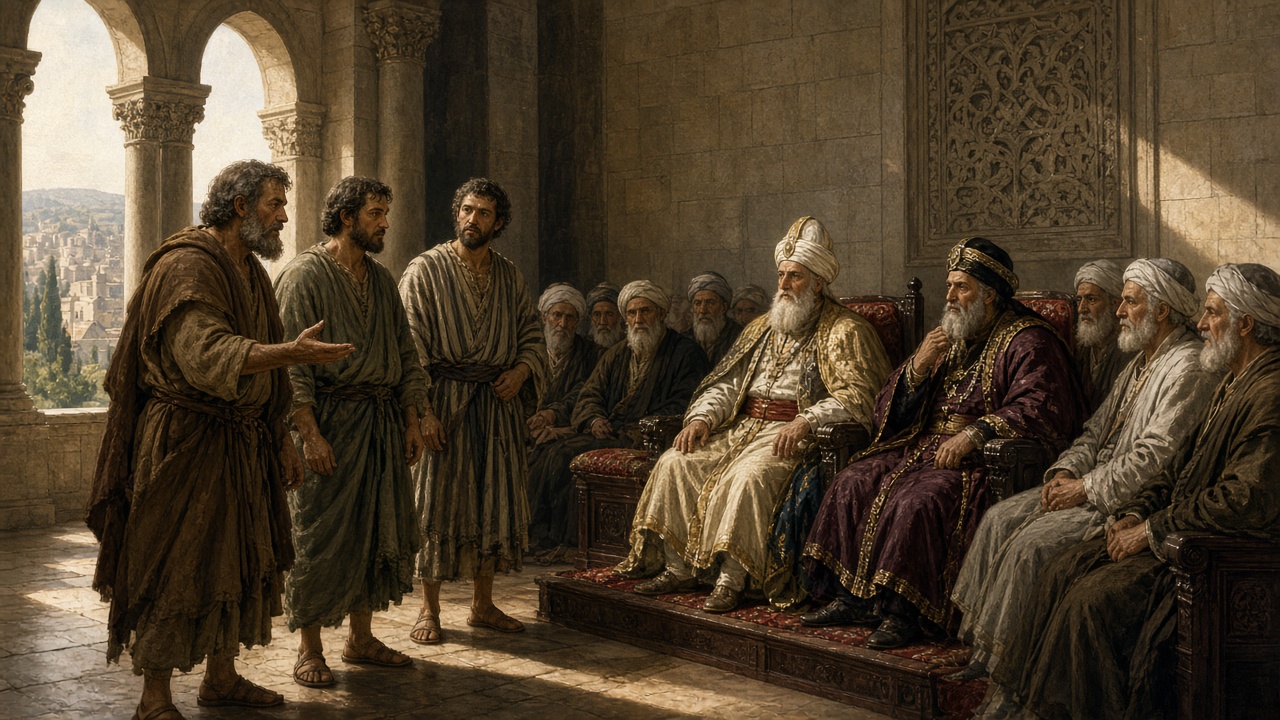
Peter and John before the Sanhedrin
- The priests, the captain of the temple guard, and the Sadducees seized Peter and John because they were teaching the people and proclaiming in Jesus the resurrection of the dead. Caiaphas, who sat with the assembly the next day, belonged to the Sadducees.Sources: the Bible text itself · Caiaphas
- Annas, called high priest here, had held that office from A.D. 7 to 14 until a Roman procurator deposed him. Caiaphas, who had married Annas's daughter, was raised to the office in A.D. 25; even so, some Jews may still have regarded Annas as the legal high priest, since Mosaic law treated the office as lifelong, and Annas was probably president or deputy of the Sanhedrin. John and Alexander, relatives of the high priest and otherwise unknown, sat with them.Sources: the Bible text itself · Annas · John (Relative of the High Priest) · Alexander (Son of Simon)
- Peter, a fisherman from Bethsaida, and John, also a fisherman and a son of Zebedee, were brought before the rulers, elders, and scribes. The council marveled at their boldness when it realized that they were unschooled, ordinary men, and took note that they had been with Jesus.Sources: the Bible text itself · Simon Peter · John the Apostle
Notes written with AI assistance from open sources (Theographic Bible Metadata, CC BY-SA 4.0; Easton’s Bible Dictionary, public domain) and reviewed before publishing.
Places in this chapter
- Jerusalem · 31.777, 35.234 · verses 5, 16
- Nazareth · 32.702, 35.298 · verse 10
- Cyprus · 35.000, 33.000 · verse 36
Only places identified with high confidence are shown (90% or more according to the scholarly sources compiled by OpenBible). Period map: DARE (Digital Atlas of the Roman Empire), CC BY 4.0; modern map: © OpenStreetMap contributors; places: OpenBible.info (CC BY 4.0).
Credits and license for this translation
Jusiñamui uai: Jusiñamui jito rafue illa rabenico
New Testament in Huitoto, Murui (PE:huu:Huitoto, Murui)
copyright © 2008 Wycliffe Bible Translators, Inc.
Language: Huitoto, Murui
Translation by: Wycliffe Bible Translators, Inc.
Huitoto, Murui [huu], Peru
Copyright Information
© 2008, Bible League International. All rights reserved.
This translation text is made available to you under the
terms of the Creative Commons License: Attribution-Noncommercial-No Derivative Works.
( http://creativecommons.org/licenses/by-nc-nd/3.0/ )
In addition, you have permission to port the text to different file formats, as long as you
do not change any of the text or punctuation of the Bible.
You may share, copy, distribute, transmit, and extract portions
or quotations from this work, provided that you include the above copyright
information:
You must give Attribution to the work.
You do not sell this work for a profit.
You do not make any derivative works that change any of the actual words or punctuation of the Scriptures.
Permissions beyond the scope of this license may be
available if you contact
us with your request.
The New Testament
in Huitoto, Murui
© 2008, Wycliffe Bible Translators, Inc. All rights reserved.
This translation is made available to you under the terms of the
Creative Commons Attribution-Noncommercial-No Derivatives license 4.0.
You may share and redistribute this Bible translation or extracts from it in any format, provided that:
You include the above copyright and source information.
You do not sell this work for a profit.
You do not change any of the words or punctuation of the Scriptures.
Pictures included with Scriptures and other documents on this site are licensed just for use with those Scriptures and documents.
For other uses, please contact the respective copyright owners.
2014-04-25
Source: http://ebible.org/huuNT/ · eBible.org