2 Corinthians 8
Jusiñamui uai: Jusiñamui jito rafue illa rabenico · Tap a verse to see its cross-references.
Creyentiaɨ Jusiñamuimo ucubena fecaja rafue
1Cue amatɨaɨ, omoɨmo jɨaɨe rafuena lloiacadɨcue. Jusiñamui naimacɨna canuamona Macedoniamo ite creyentiaɨna omoɨ uiñuana jitaidɨcue. 2Eo duere sefuidɨmacɨ. Jɨaɨ eo dueredɨmacɨ; ia iocɨre illamona, jɨaɨe creyentiaɨmo ucubena caidɨñeno fecacabidɨmacɨ. 3Naimacɨmo ite ucube dɨese fecadɨmacɨ. Iena uiñotɨcue. Naimacɨ jitailla jira, naie baɨfemo fecadɨmacɨ. Naimacɨmo iese fecajana jaca lloñedɨcue. 4Naimacɨmo iese lloñedɨcue; ia iena naimacɨ eo fecaacana jira, jɨaɨe creyentiaɨna canollena, cuemo iena eo jɨcanotɨmacɨ. Ucube dɨga jɨaɨno creyentiaɨna naimacɨ canuana cue lluana eo jitaidɨmacɨ. 5Cue comecɨna facaja isoi, fecañedɨmacɨ. Ucubena fecadɨmacɨ; ia: “Caɨ Nama dɨbeimo maɨjɨacadɨcaɨ” jɨaɨ llotɨmacɨ. Nɨe isoide rafuena naimacɨ fɨnuana cue ocuillena, Jusiñamui jitailla isoi, jitaidɨmacɨ. 6Omoɨ dɨne Tito dane jaillena jitaidɨcue. Omoɨ dɨne naimɨe navui ia, ucube omoɨ uana naimɨe canode. Iemona janore taɨnedomoɨ. Jɨaɨe creyentiaɨna omoɨ canuana raise fuiduana jitaidɨcue. 7Cristona ɨɨnocana jaidomoɨ. Iena jɨaɨnomo llocabitomoɨ. Cristo rafuena raise uiñotomoɨ. Cristo jitaillacɨnona eo fɨnocana jaidomoɨ. Cuena jɨaɨ isiruitomoɨ. Ie muidona omoɨ ucube dɨga, jɨaɨe creyentiaɨna omoɨ raise canuana jɨaɨ jitaidɨcue. 8Omoɨna iese rɨire lloñedɨcue. Macedoniamo ite creyentiaɨna eo canuana omoɨ uiñuamona, jɨaɨ creyentiaɨna omoɨ canoia, Cristona omoɨ isiruillana uiñoitɨcaɨ. 9Caɨ Nama Jesucristomona caɨ fueua. Naimɨe caɨna duenaillana uiñotomoɨ. Ie Moo ecɨmo naimɨe nano illamona, naga ra naimɨemo ite; ia enɨruemo ie billamona, caɨna canollena, ɨimana jaillanona, duere ite. Iemona Jusiñamui rafuena caɨ cacaja jira, duere iñedɨcaɨ. 10Ie jira omoɨmo bie rafuena lloiacadɨcue. Navuidɨ año ucube eenuana taɨnedomoɨ. Iena fɨnoacadomoɨ. Ie fuiduana jai jitaidɨcue. 11Omoɨ jitaillamona bie rafuena fuido. Omoɨmo ite ucube dɨese feca. 12Ailluena ucubena omoɨmo iñenia, dama iesede. Omoɨ jitailla jira, omoɨmo ite ucube dɨese omoɨ fecaia, Jusiñamuimona mare; 13ia omoɨ jitailla rana omoɨ ollena, omoɨ ucube iñeni raillano, omoɨ jitailla baɨfemo omoɨ fecajana lloñedɨcue. 14Jɨaɨe creyentiaɨmo ra birui raise iñena jira, naimacɨna omoɨ canuana jitaidɨcue. Omoɨ ra ɨco iñenia, naimacɨ dɨnena omoɨna canuana jitaidɨcue, nana omoɨmo daje isoi omoɨ ra illena. 15Moisés mɨcorɨ illa facaise ite comɨnɨmona caɨ fueua. Naimacɨna jaie iese cuega: “Jusiñamui oretaga guiga ramona ailluena guillena, nagarui damɨerie ɨraɨuidɨmacɨ. Jɨaɨno janore guillena, ɨraɨuidɨmacɨ; ia coninɨri fecajamona, imacɨ jitailla dɨese nagarui nana guitɨmacɨ”. Ie muidona omoɨmo ite ucubemona naimacɨ jitailla ra illena, jɨaɨe creyentiaɨmo omoɨ fecajana jitaidɨcue.
Pablo Titona ñaɨte
16Omoɨ dɨne Tito dane oretaiacadɨcue. Cue isoi naimɨe omoɨmo comecɨna facade. Omoɨna canoacade. Naimɨe comecɨna Jusiñamui iese itataja jira, Jusiñamuiri iobidɨcue. 17Omoɨ dɨne jaillena naimɨemo llotɨcuemo, naimɨe dɨnena: “Jee” raite. Naimɨemo nia iese cue lloñenia, omoɨna naimɨe eo canoiacana jira, naimɨe omoɨ dɨne jaillemo ie comecɨna facade. Omoɨ dɨne raɨre jaite. 18Naimɨe dɨga jɨaɨmɨe oretaitɨcue. Naga naɨraɨmo ite creyentiaɨdɨ: “Cristo rafuena eo raise llofuecabite” naimɨena raitɨmacɨ. 19Cue dɨga jaillena, naimɨena fetodɨmacɨ. Dueredɨnomo omoɨ ucubena cue uillena, cue dɨga naimɨe jaite. Iemona caɨ Namana iobitaitɨcaɨ. Iemona nana creyentiaɨdɨ naimacɨna cue canuana uiñoitɨmacɨ. 20Omoɨ ucubena raise cue sedajana jitaidɨcue. Iemona: “Pablo caɨ ucube fɨɨde” omoɨ lluana jitaiñedɨcue. “Iena Pablo raise fecañede” omoɨ lluana jitaiñedɨcue. 21Iena raise marena sedaacadɨcue. Jusiñamui iena uiñote. Nana creyentiaɨ iena uiñuana jɨaɨ jitaidɨcue. 22Iaɨmaiaɨ dɨga jɨaɨmɨena jɨaɨ oretaitɨcue. Naimɨe Cristona eo ɨɨnocana jaillana raise uiñotɨcue. Omoɨ rafuena naimɨe fɨdɨano, jɨaɨe creyentiaɨna omoɨ canuana naimɨe ɨɨnuanona, omoɨ dɨne naimɨe eo jaiacade. 23Omoɨmo Titona bu jɨcanoia, naimacɨmo naimɨena raise llono. Danomo Cristo dɨbeimo maɨjɨdɨcoco. Cue dɨga omoɨna canode. Jɨaɨe iaɨmaiaɨna bu jɨcanoia: “Jɨaɨe creyentiaɨ iaɨmaiaɨna fetuamona bitɨiaɨmaiaɨ” llono. Cristona iobitaiacadɨiaɨmaiaɨ. 24Cuena omoɨ isiruillamona: “Omoɨ mare” omoɨna cue lluamona, naimacɨna raise nafue. Nana cue jitailla rafuena omoɨ fɨnuana naimacɨ uiñuana jitaidɨcue. Omoɨ ucubena eenuana raise fuiduana jitaidɨcue. Iena omoɨ fɨnuamona, abɨdo naimacɨ bia, naimacɨna oretaga creyentiaɨmo iena lloitɨmacɨ.
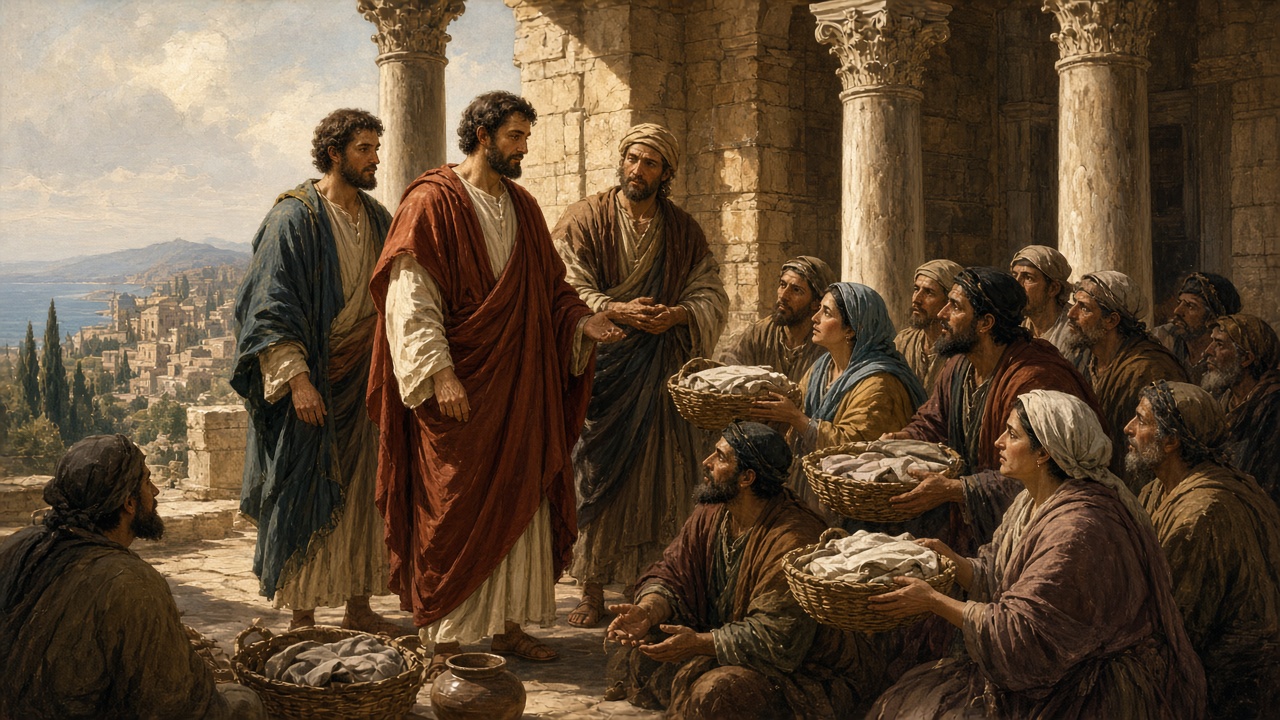
Did you know?
Generosity and the Jerusalem Collection
- In New Testament times Macedonia was a Roman province north of Greece. Paul was summoned by the vision of a man of Macedonia to preach the gospel there, and this chapter tells the Corinthians how those churches, in a terrible ordeal and deep poverty, gave joyfully and even beyond their ability.Sources: Macedonia · the Bible text itself
- Titus, whose name nowhere occurs in Acts, appears to have been a Gentile chiefly engaged in ministering to Gentiles. From Ephesus, Paul sent him to Corinth to forward the church's contributions for the poor saints at Jerusalem; in this chapter Paul urges him to complete that work, and Titus is coming eagerly of his own accord.Sources: Titus · the Bible text itself
- Along with Titus, Paul is sending a brother praised by all the churches for his work in the gospel and chosen by them to accompany the offering, and another brother whose earnestness has been proven many times and in many ways. He explains that this care is meant to avoid criticism of how the generous gift is administered, so that they do what is right not only in the eyes of the Lord but also in the eyes of other people.Sources: the Bible text itself
Notes written with AI assistance from open sources (Theographic Bible Metadata, CC BY-SA 4.0; Easton’s Bible Dictionary, public domain) and reviewed before publishing.
Places in this chapter
Only places identified with high confidence are shown (90% or more according to the scholarly sources compiled by OpenBible). Period map: DARE (Digital Atlas of the Roman Empire), CC BY 4.0; modern map: © OpenStreetMap contributors; places: OpenBible.info (CC BY 4.0).
Credits and license for this translation
Jusiñamui uai: Jusiñamui jito rafue illa rabenico
New Testament in Huitoto, Murui (PE:huu:Huitoto, Murui)
copyright © 2008 Wycliffe Bible Translators, Inc.
Language: Huitoto, Murui
Translation by: Wycliffe Bible Translators, Inc.
Huitoto, Murui [huu], Peru
Copyright Information
© 2008, Bible League International. All rights reserved.
This translation text is made available to you under the
terms of the Creative Commons License: Attribution-Noncommercial-No Derivative Works.
( http://creativecommons.org/licenses/by-nc-nd/3.0/ )
In addition, you have permission to port the text to different file formats, as long as you
do not change any of the text or punctuation of the Bible.
You may share, copy, distribute, transmit, and extract portions
or quotations from this work, provided that you include the above copyright
information:
You must give Attribution to the work.
You do not sell this work for a profit.
You do not make any derivative works that change any of the actual words or punctuation of the Scriptures.
Permissions beyond the scope of this license may be
available if you contact
us with your request.
The New Testament
in Huitoto, Murui
© 2008, Wycliffe Bible Translators, Inc. All rights reserved.
This translation is made available to you under the terms of the
Creative Commons Attribution-Noncommercial-No Derivatives license 4.0.
You may share and redistribute this Bible translation or extracts from it in any format, provided that:
You include the above copyright and source information.
You do not sell this work for a profit.
You do not change any of the words or punctuation of the Scriptures.
Pictures included with Scriptures and other documents on this site are licensed just for use with those Scriptures and documents.
For other uses, please contact the respective copyright owners.
2014-04-25
Source: http://ebible.org/huuNT/ · eBible.org