Matthew 9
Nin tének káwintal an okˀóxláb · Tap a verse to see its cross-references.
Na Jesús in jeldhaꞌ jun i yaꞌul xi yab in ejtowal ka yoyon
1Balin tám na Jesús ban tan, watʼey juní jun pakʼeꞌ jaꞌ ani ulich bin bitsówil. 2Júntsin tajaꞌ kwachat ba jun i chayteꞌ jun i inik xi yab in ejtowal ka yoyon. Tam ti na Jesús in chuꞌu abal u belnal kʼal jajáꞌtsik, in utsaꞌ enchéꞌ an yaꞌul:
―Payꞌlomláb, yab ka jilaꞌ tabáꞌ; na walastalábil pakwlantsidhich ti kʼwajat.
3Tam ti na Jesús in ulu jechéꞌ, taltsik an okʼtsixtsik xin wilál nin takʼixtal na Dios xin jilám dhutsadh na Moisés, in chalpaytsik enchéꞌ: “Jechéꞌ in tʼajálich jelti max Jajáꞌ u Dios.” 4Kom na Jesús in choꞌób xantʼéy kʼwajat in chalpayaltsik, in utsaꞌtsik enchéꞌ:
―¿Jantʼókʼi ti yab tʼajat alwaꞌ i chalab a koꞌoltsik? 5Pos ¿jowaꞌ más yab tʼojláb ku ulu: “Na walastalábil pakwlantsidhich ti kʼwajat”, o ku ulu: “Ki chʼakay ani ki beley”? 6Pos alwaꞌich, neꞌech tu xalkʼantsitsik ke Nanáꞌ, xin abadh abal kin wenkʼon neye tin inik, u koꞌol i awiltaláb techéꞌ ti chabál abal ku pakwlantsi xi walbidhtsik.
In utsaꞌ tám enchéꞌ an inik xi yab in ejtowal ka yoyon:
―Ki chʼakay, ka dhayaꞌ na chaytéꞌil ani ki kʼaléch ta kʼimáꞌ.
7Chʼakay tám an inik xi yab in ejtowal ka yoyon ani kʼaléch tám tin kʼimáꞌ. 8Tam ti an atiklábtsik in chuꞌu jechéꞌ, labantsik ani in pubédhantsi tin bij na Dios abal in pidhámal jechéꞌ an ti awiltaláb an iniktsik.
Na Jesús in kaniy na Mateo abal ka kʼale ti exóbal kʼal Jajáꞌ
9Tam ti na Jesús kale tajaꞌ, in chuꞌu jun i inik xin bij ta Mateo buxúl xon tin bachʼwal an jalbixtaláb abal an chabál xi Roma ani in utsaꞌ enchéꞌ:
―Wana ta exóbal kʼal Nanáꞌ.
Chʼakay tám na Mateo ani in wéwnaꞌ na Jesús.
10Jun i kʼij, tam ti na Jesús kʼwajat ti kʼapul tin kʼimáꞌ na Mateo, ulich yán i bachʼkʼul jalbixtaláb ani i walablomtsik. Jechéꞌ an iniktsik buxkan jeye ti kʼapultsik ban mesa xon ti kʼwajat ti kʼapul na Jesús kʼal nin exóbaliltsik. 11Tam ti an fariseotsik in chuꞌu jechéꞌ, in utsaꞌ enchéꞌ nin exóbaliltsik na Jesús:
―¿Jantʼókʼi tu kʼapul na Okʼtsíxal kʼal an bachʼkʼul jalbixtaláb ani kʼal an walablomtsik?
12Tam ti na Jesús in achʼaꞌ jechéꞌ, in utsaꞌtsik enchéꞌ:
―Xi kʼwajattsik alwaꞌ ani yab u yaꞌul, yab in yéntsal i ilálix, por xu yaꞌul, in yéntsal. 13Ki kʼaléchtsik ani ka exbaytsik xantʼéy in léꞌ kin ulu jechéꞌ an Tʼokat Dhuslab: “Nanáꞌ u léꞌ ka kóꞌoytsik i yajnantsixtaláb ani yabich u léꞌ ka pikbaꞌ i chemdhats koꞌnéltsik.” Pos Nanáꞌ yab in tsiꞌnek ku aliy xi xeꞌechtsik lujat, in tsiꞌnek ku aliy xi walbidhtsik abal kin jilaꞌichtsik ti walablom.
Konyat na Jesús kʼal tin kwenta an kʼílixnich
14Utukná tám na Jesús kʼal nin exóbaliltsik na Juan xu Pujax ani konyat enchéꞌ:
―¿Jantʼókʼi ti wawáꞌ ani an fariseotsik jeye u kʼíl tʼajat ani na exóbaliltsik yab u kʼíl?
15Tókʼoyattsik enchéꞌ kʼal na Jesús:
―¿Awxeꞌ yejat ka kʼwajaytsik tʼeꞌpidh xi kanidhtsik ba jun i tomkixtaláb, tam an tomkinél inik kʼwajat kʼal jajáꞌtsik? ¡Yabaꞌ! Por neꞌech kin bajaw an kʼij tam ka wixkʼintsattsik an ti tomkinél inik ani neꞌchich jeye tám ti kʼíltsik.
16ʼYab xitaꞌ in patsʼkʼuyal jun i kʼej xeketláb kʼal jun pejeꞌ i ít kʼudhkʼum; pos an ít kʼudhkʼum, u muchel ani in michʼál más an kʼej kʼudhkʼum. 17Nibal u balyáb an ít yajtsik uxnél ba kʼej ótʼ balixtaláb; pos max ka tʼajan anchanꞌ, an ótʼ balixtaláb u michʼkʼanal ani an yajtsik uxnél neꞌech ka wakʼlan. Jaxtám ti yejat ka balyat an ít yajtsik uxnél ban ít ótʼ balixtaláb abal chablam yab ka kʼibchon.
Nin tsidhánil na Jairo ani an mímláb xin taktsi tin kʼudhkʼúmil na Jesús
18Lejat kʼwajat ti usnaltsik kʼal na Jesús ejtal jechéꞌ, ulich jun in okʼlékil an judíotsik, tudhlan tin tamét na Jesús ani in ulu enchéꞌ:
―Nu tsidhánil talél ti chemech, por max Tatáꞌ ki tsích ani ka takaꞌ, neꞌech ka ejech.
19Chʼakay na Jesús ani kʼale kʼal jachanꞌ an inik junax kʼal nin exóbaliltsik. 20Tam ti na Jesús neꞌech ti bél, utukná kʼal jun i mímláb xin neꞌdhálich lajucháb i tamub ti yaꞌul kʼal i lakúmtaláb, utey tin kúx na Jesús ani in taktsi tin wál nin kʼudhkʼúmil. 21In tʼajaꞌ anchanꞌ abal in chalpayal enchéꞌ: “Max u ejtowalak ku taktsi tin kʼudhkʼúmil, neꞌech kin jeley.” 22Por na Jesús chawꞌkʼin, in chuꞌu an mímláb ani in utsaꞌ enchéꞌ:
―Mímláb, yab ka jilaꞌ tabáꞌ; i jeley abal i belmách.
Ani támkʼi jachanꞌ, jilkʼon jelnek an mímláb.
23Tam ti na Jesús ulich bin kʼimáꞌ an okʼlek inik ani in chuꞌu tʼojojodhich an tʼéneltsik abal an jólmách ani an atiklábtsik chapik u ukʼnaltsik, 24in utsaꞌtsik enchéꞌ:
―Ki kaletsik eléb, an tsidhan yab chemnek, u wayalkʼi ti kʼwajat. Tam ti achʼan in ulu jechéꞌ, labídhná kʼal an atiklábtsik, 25por in utsaꞌ ka kaletsik eléb. Ochich tám na Jesús, in téynaꞌ an tsidhan bin kʼubak ani chʼakay an tsidhan. 26Jechéꞌ xowaꞌ in tʼajaꞌ na Jesús, choꞌóbná putálkʼi ba jachanꞌ an chabál.
Na Jesús in jeldhaꞌ cháb i jokʼoltsik
27Tam ti na Jesús kale tajaꞌ, wéwná kʼal cháb i jokʼoltsik, xi dhájaxintsik chapik enchéꞌ:
―¡Tatáꞌ xi kuxlab kʼal na Dabid, ti ku yajnantsi weye!
28Tam ti na Jesús ochich ban atá, utukná kʼal an jokʼoltsik ani Jajáꞌ in konoy enchéꞌ:
―¿A beláltsikxeꞌ ke neꞌech ku ejto ku tʼajaꞌ xowaꞌ tin kontsaltsik?
Jajáꞌtsik tókʼon enchéꞌ:
―I belál, Ajátik.
29Taktsintsik tám an tin wal kʼal na Jesús ani utsantsik enchéꞌ:
―Pos ka tʼájan xan ta beláltsik.
30Chuꞌxinichtsik tám, por utsantsik tʼajat enchéꞌ kʼal na Jesús:
―Yab ka tʼilaꞌtsik jechéꞌ abal yab kin choꞌóbnaꞌ ni jun xitaꞌ.
31Por tokot ti kaletsik tajaꞌ, in tʼilaꞌ putál ba jachanꞌ an chabál xantʼéy tʼajtsintsik kʼal na Jesús.
Na Jesús in káwindhaꞌ jun i móꞌ
32Tam ti kʼaléch an jokʼoltsik, uldhantsat na Jesús jun i móꞌ xi ochadh kʼal i atʼax ejattaláb. 33Tam ti na Jesús in káldhaꞌ an atʼax ejattaláb, an móꞌ káwinich tám. An atiklábtsik u labnal tʼajat ani in ulaltsik enchéꞌ:
―Yab jaykʼi i chuꞌúmal techéꞌ Israel jun xataꞌ jelti jechéꞌ.
34Por an fariseotsik in ulal enchéꞌ:
―Jechéꞌ an inik in káldhál an atʼax ejattalábtsik kʼal tin awiltal in okʼlékil an atʼax ejattalábtsik.
Na Jesús in yajnantsal an atiklábtsik
35Na Jesús xeꞌech in lonyal putál an bitsowtsik ani an kwentsaltsik ani u okʼtsix ban atátsik xon tu tʼajnal an junkuntaláb xi waꞌach tajaꞌ. In tʼilál an alwaꞌ tʼilab kʼal tin kwenta xan tu takʼix na Dios, in jeldhál ejtalkʼi kʼal xowaꞌkich i yawꞌlách ani kʼal xowaꞌkichkʼi jeye i yajtsiktaláb. 36Tam tin chuꞌu yán an atiklábtsik, in kóꞌontsi ti yajnantsixtaláb abal in chuꞌtal ke walbadhtsik ti kʼwajat ani kʼwajat jelti borregotsik xi yab in koꞌol xitaꞌ kʼál ti ka beletná. 37In utsaꞌ tám enchéꞌ nin exóbaliltsik:
―Tsubax tu utsáltsik, ke anchanꞌ jelti tam labenek tʼajat nin walíl an tʼayabláb, anchanꞌ jeye ti waꞌach tʼajat xitaꞌ neꞌech ti kin belaꞌ. Por anchanꞌ jelti tam wéꞌ tʼajat an tʼojnaltsik waꞌach abal kin junkuntsi tin walíl an tʼayabláb, anchanꞌ jeye wéꞌ tʼajat waꞌach xitaꞌ kin tʼiltsi an ti alwaꞌ tʼilab an atiklábtsik. 38Anchanꞌ jelt xan ti an dhabal tʼayabláb in abál i tʼojnaltsik abal kin junkuntsi tin walíl an tʼayabláb, anchanꞌ ti ka kontsitsik na Dios kin abaꞌ xitaꞌ kin tʼiltsi an ti alwaꞌ tʼilab an atiklábtsik.
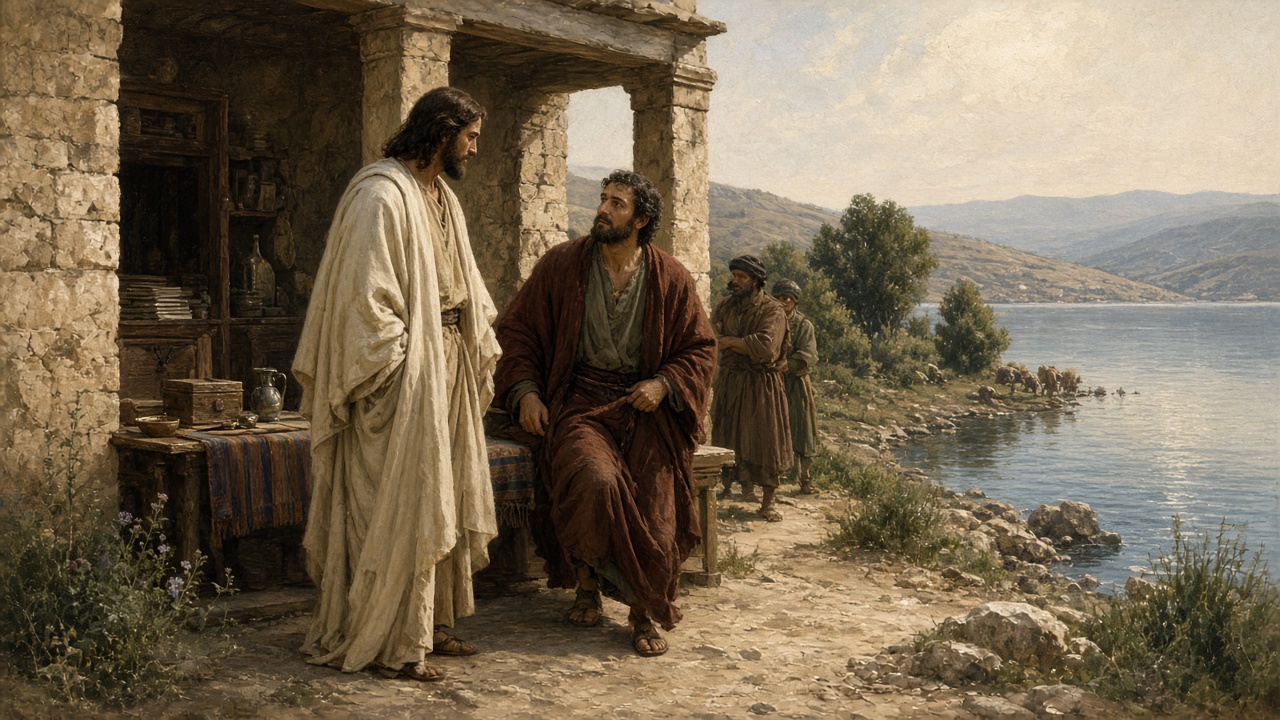
Did you know?
Mercy, Healing, and New Wine
- Matthew, son of Alphaeus, was a publican, or tax collector, at Capernaum. Jesus, coming up from the side of the lake, passed the custom-house where Matthew sat and said, “Follow me.” He had formerly been known as Levi; that same day he gave a great feast, described as a farewell, for Jesus, the disciples, and probably many of his old associates.Sources: Matthew · the Bible text itself
- Those who ask why they and the Pharisees fast so often, while Jesus’ disciples do not, are disciples of John the Baptist. John is called the forerunner; he was of priestly descent, his father Zacharias a priest of the course of Abia and his mother Elisabeth one of the daughters of Aaron.Sources: John the Baptist · the Bible text itself
- One chronology places the healing of the paralyzed man, the call of Matthew, the question about fasting, and the parable of the wineskins in AD 28.Sources: Healing the Man with Palsy · Jesus Calls Matthew · Fasting Question · Parable of the Winseskins
Notes written with AI assistance from open sources (Theographic Bible Metadata, CC BY-SA 4.0; Easton’s Bible Dictionary, public domain) and reviewed before publishing.
Places in this chapter
- Sea of Galilee · 32.819, 35.590 · verse 1
Only places identified with high confidence are shown (90% or more according to the scholarly sources compiled by OpenBible). Period map: DARE (Digital Atlas of the Roman Empire), CC BY 4.0; modern map: © OpenStreetMap contributors; places: OpenBible.info (CC BY 4.0).
Credits and license for this translation
Nin tének káwintal an okˀóxláb
New Testament in Huastec Aquiche; hus (MX:hus:Huastec)
copyright © 2005 Wycliffe Bible Translators, Inc.
Language: Huastec
Translation by: Wycliffe Bible Translators, Inc.
Huasteco, Veracruz [hus], Mexico
Copyright Information
© 2005, Bible League International
This translation text is made available to you under the
terms of the Creative Commons License: Attribution-Noncommercial-No Derivative Works.
( http://creativecommons.org/licenses/by-nc-nd/3.0/ )
In addition, you have permission to port the text to different file formats, as long as you
do not change any of the text or punctuation of the Bible.
You may share, copy, distribute, transmit, and extract portions
or quotations from this work, provided that you include the above copyright
information:
You must give Attribution to the work.
You do not sell this work for a profit.
You do not make any derivative works that change any of the actual words or punctuation of the Scriptures.
Permissions beyond the scope of this license may be
available if you contact
us with your request.
The New Testament
in Huastec
© 2005, Bible League International
This translation is made available to you under the terms of the
Creative Commons Attribution-Noncommercial-No Derivatives license 4.0.
You may share and redistribute this Bible translation or extracts from it in any format, provided that:
You include the above copyright and source information.
You do not sell this work for a profit.
You do not change any of the words or punctuation of the Scriptures.
Pictures included with Scriptures and other documents on this site are licensed just for use with those Scriptures and documents.
For other uses, please contact the respective copyright owners.
2014-04-25
Source: http://ebible.org/husNT2005/ · eBible.org