John 12
Nin tének káwintal an okˀóxláb · Tap a verse to see its cross-references.
Jun i mímláb in joltsi ti niwiytaláb bin ókʼ na Jesús
1Bél u kʼibel akak a kʼítsá abal ka watʼey an paskwa, na Jesús kʼale Betania xon tu kʼwajíl na Lásaro, xi chemnek ani ejdhá ti ít kʼal na Jesús. 2Tʼajan tajaꞌ jun i kʼapúch abal tin kʼakʼnabíl na Jesús; na Marta u jótʼil ani na Lásaro jaꞌich jún ti éb xi buxúl ti kʼapul ban mesa kʼal na Jesús. 3In uldhaꞌ tám na María chʼejel litro xónaꞌ i niwiytaláb xi tʼajadh kʼal i wich xin bij nardo. Jechéꞌ an niwiytaláb, kajbidh tʼajat in jalbíl. Na María in mawtsi kʼál tin akan na Jesús ani in wayedhantsi kʼal nin xiꞌíl. Putál an altá niwbé kʼal jachanꞌ an niwiytaláb. 4Na Judas Iskariote, xi jaꞌich jeye jún ti éb xi lajucháb nin exóbaliltsik na Jesús, xi kʼál ti neꞌech ka pidhná na Jesús abal ka chemdhá, in ulu tám enchéꞌ:
5―¿Jantʼókʼi ti yab nujwat jechéꞌ an niwiytaláb kʼal óx i boꞌ inik i denariotsik abal ka pidhan an ti tumín an chʼojontáltsik?
6Por na Judas yab in ulu jechéꞌ abal tsubax lejtal tin kʼanidhál an chʼojontáltsik, in ulu anchanꞌ, kom jajáꞌ jaꞌich jun i kwéꞌ, ani kom jajáꞌ in xeꞌchindhál nin bál an tumín, in kwéꞌyal xowaꞌ u balyáb tajaꞌ. 7Utsan tám enchéꞌ kʼal na Jesús:
―Jilaꞌ kʼwajat, yab xataꞌ ka utsaꞌ; pos jajáꞌ in taꞌpámal jechéꞌ abal ti kin mawtsi an tu tʼuꞌúl abal ka kʼwajách tʼojojodh tam kin bajaw xowkʼi neꞌech kin jolyat. 8An chʼojontáltsik echʼekʼi neꞌech ka kʼwajay kʼal tatáꞌtsik, por Nanáꞌ, yab echʼekʼi neꞌech kin kʼwajay kʼal tatáꞌtsik.
U tʼajnal i káw abal ka chemdhá na Lásaro
9Kʼal yán i judíotsik ti choꞌóbná ke na Jesús taꞌ ti kʼwajat Betania ani kʼaletsik tajaꞌ, yab tokotkʼi abal kin chuꞌutsik na Jesús, aníl jeye abal kin chuꞌutsik na Lásaro, xi ejdhats ti ít kʼal na Jesús. 10Nin okʼlékil an páleꞌtsik in tʼajaꞌtsik i káw abal kin chemdhaꞌ jeye na Lásaro, 11pos kʼal tin kwentakʼi na Lásaro, yán i judíotsik in pílmédháltsik tinbáꞌ ani in belálichtsik na Jesús.
Na Jesús ochich ban bitsow Jerusalén
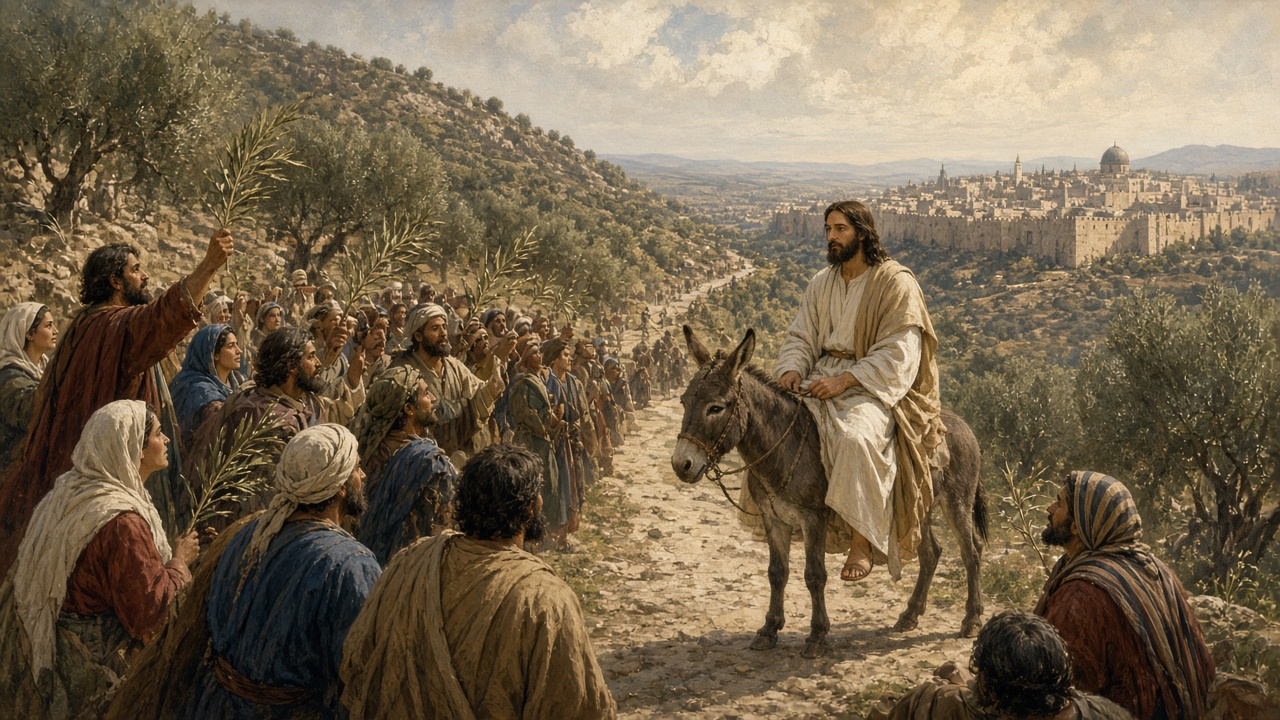
12Yán i atiklábtsik kʼalnek Jerusalén abal kin ajíbnaꞌtsik an paskwa. Tam ti jun tsudhelom in achʼaꞌtsik abal na Jesús exomich ti ulel ba jachanꞌ an bitsow, 13in pejaꞌtsik i apachʼ, kale kin bachʼu ani in ulaltsik kawidh enchéꞌ:
―¡Ti ku loꞌóch xoꞌ! ¡Lábtʼajadh xi tál tin bij an Okʼóxláb! ¡Lábtʼajadh nin Pulek Takʼíxal an israelitatsik!
14Na Jesús in elaꞌ jun i chakam burru ani puney tajaꞌ, jelt xan tin ulal an Tʼokat Dhuslab enchéꞌ:
15Yab ki jikʼey, atiklábtsik xi kʼwajíl Sión;
ka telaꞌtsik, náꞌich tál na Pulek Takʼíxal
punat ba jun i chakam burru.
16Tam ti jachanꞌ i kʼij, nin exóbaliltsik yab in exbay ejtal jechéꞌ, por más tayíl, tam ti na Jesús xalkʼantsatich tin labidh tʼokát, in chalpaytsik tám abal ejtal jechéꞌ kʼwajat dhutsadh ban Tʼokat Dhuslab kʼal tin kwenta na Jesús ani anchanich ti támnék.
17An atiklábtsik xi taꞌ ti kʼwajat tam ti na Jesús in ejdhaꞌ ti ít na Lásaro ani in utsaꞌ ka kale ban jólimtaláb, in tʼiláltsik xowaꞌ in chuꞌúmal. 18Jaxtám an atiklábtsik ti kale kin bachʼu na Jesús, abal in choꞌóbnámalichtsik an labidh exól xin tʼajámal. 19Por an fariseotsik in ulu jajáꞌkʼitsik enchéꞌ:
―A chuꞌtalichtsik xoꞌ, yab neꞌech ki ejto ki tʼajaꞌ ni jun xataꞌ. Ka telaꞌ, kʼal ejtal an atiklábtsik ti exom ti wéwnáb.
U alyáb na Jesús kʼal cháb óx i griegotsik
20Kʼal an atiklábtsik xi kʼalnek Jerusalén abal ti ól tam exom an ajib, taꞌ jeye ti kʼwajattsik cháb óx i griego. 21Jechéꞌ an griegotsik utey ba na Felipe. Na Felipe, jaꞌich xu kʼwajíl Betsayda, an chabál xu takʼnal Galilea. Tam ti utukná kʼal an griegotsik, pakabédhá kʼál enchéꞌ:
―Jaꞌúb, i léꞌ weye ki chuꞌu na Jesús.
22Na Felipe kʼale kin utsaꞌ na Andrés ani chablam ti éb ti kʼale kin óltsi na Jesús. 23Utsantsik tám enchéꞌ kʼal na Jesús:
―In bajúch an kʼij xowkʼi Nanáꞌ, xin abadh abal kin wenkʼon neye tin inik, neꞌech kin xalkʼantsat an tu labidh tʼokát. 24Tsubax tu utsáltsik, ke max jun i iyaláb yab ka tʼayan ani yab ka kʼibchon nin tʼuꞌúl, yab jaykʼi neꞌech ka yaney. Por max ka tʼayan ani ka kʼibchon nin tʼuꞌúl, neꞌech ka ixkʼan, neꞌech ka pubey ani neꞌech kin kóꞌoy yán in walíl. 25Xitaꞌ in kʼanidhál nin ejattal neꞌech kin kʼibdhaꞌ; por xitaꞌ xi yab in kʼanidhál nin ejattal techéꞌ ti kʼayꞌlá, in koꞌolich tʼojojodh nin ejattal abal kin bachʼu an xeꞌchintaláb xi yab in koꞌol in okʼontal. 26Max jun xitaꞌ in léꞌ ti kin tʼójontsi, ti kin wéwnaꞌ ani xon ti Nanáꞌ neꞌech kin kʼwajay, tajaꞌ jeye neꞌech ka kʼwajay xitaꞌ tin tʼójontsal. Max jun xitaꞌ ti kin tʼójontsi, neꞌech ka kʼakʼná kʼal nu Tátaꞌ.
Na Jesús in ulu abal neꞌech ka chemdhá
27ʼXoꞌ in chalpax tʼajat tin kʼwajat; por yab neꞌech ku utsaꞌ nu Tátaꞌ ti kin loꞌo kʼal xowaꞌ neꞌech ku tamu, pos jaꞌich tin tsiꞌnek abal ku tamu anchanꞌ. 28Tátaꞌ, ka xalkʼaꞌich na labidh tʼokát.
Achʼatmé tám jun i káwintaláb túꞌ walkʼiꞌ ani xu káw in ulu enchéꞌ:
―U xalkʼámalich ani neꞌech juní ku xalkʼaꞌ ti ít.
29An atiklábtsik xi tajaꞌ ti kʼwajat ani in achʼaꞌ jachanꞌ an káwintaláb, in ulutsik abal i junkil áb u jululúl ani xi kʼeꞌettsik in ulal:
―Tawná kʼal jun i tʼokat abatwále.
30Utsantsik tám enchéꞌ kʼal na Jesús:
―Yab abal Nanáꞌ tu kwenta ti achʼatmé jechéꞌ an káwintaláb, achʼatmé abal tatáꞌtsik ta kwenta. 31Xoꞌ in bajúch an kʼij xowkʼi neꞌech ti lújundháb an atiklábtsik xi techéꞌ ban kʼayꞌlá ani neꞌech ka petʼnájich ban kʼibeltaláb an lej atʼax xi kʼwajat ti takʼix ba jechéꞌ an kʼayꞌlá. 32Ani tam Nanáꞌ kin tʼekʼbájich pajkʼidh ban peltsidh teꞌ, neꞌech ku ututsik ejtal kʼal Nanáꞌ.
33Kʼal jechéꞌ kʼwajatich in ólnál xan ti neꞌech ka chemdhá. 34Tókʼoyat enchéꞌ kʼal an atiklábtsik:
―Wawáꞌ i achʼámal ti ajyáb bin takʼixtal na Dios xin jilám dhutsadh na Moisés ke an Kristo yab jaykʼi neꞌech ka chemech. ¿Jantʼókʼi pé tám ta ulal ke nin Chakámil na Dios neꞌech ka tʼekʼbá pajkʼidh ba peltsidh teꞌ? ¿Jitaꞌ pé jeye jachanꞌ xa utsál ke Jajáꞌich xi abadh abal ka wenkʼon jeye ti inik?
35Utsantsik tám enchéꞌ kʼal na Jesús:
―Bél neꞌech kin kʼwajay wéꞌ i kʼij kʼal tatáꞌtsik, Nanáꞌ xin kʼwajat jelti an tajaxtaláb, por yabich neꞌech kin lej owey. Ki uteytsik kʼal Nanáꞌ lejat xoꞌ bél in kʼwajat kʼal tatáꞌtsik abal yab ki yakʼwantsik ukʼpidh kʼal an jikʼwaxtaláb; pos xi xeꞌechtsik ban jikʼwaxtaláb yab in choꞌób xon ti neꞌech. 36Ti kin belaꞌtsik lejat xoꞌ bél in kʼwajat kʼal tatáꞌtsik, Nanáꞌ in kʼwajat jelti an tajaxtaláb abal ki kʼwajaytsik jelti an atiklábtsik xi kʼwajat ban tajaxtaláb.
Tam ti okʼon kin ulu jechéꞌ, na Jesús kʼale ani in chinkʼontsitsik.
Xantʼókʼi ti yab u belnal na Jesús kʼal an judíotsik
37Maske na Jesús in tʼajámalich tʼajat yán i labidh exóltsik tin tamét an judíotsik, bélkʼi yab u belnal. 38Jechéꞌ támun anchanꞌ abal ka tʼájan jelt xan tin jilámal dhutsadh an tʼiltsix Isaías enchéꞌ:
Okʼóxláb, ¿jitaꞌ in belámal xowaꞌ i ólnámal?
¿Jitaꞌ xalkʼantsidh tin cháp an Okʼóxláb?
39Jaxtám ti yab u belnal na Jesús, pos na Isaías in dhutsámal jeye enchéꞌ:
40Jokʼolbédhatstsik kʼal na Dios ani chapikmédhantsidhtsik tin itsích,
abal yab ka chuꞌxintsik kʼal nin wal,
nibal kin exbaytsik kʼal nin itsích,
ani nibal ka uteytsik kʼal Nanáꞌ abal ku jeldhaꞌ.
41Na Isaías in tʼilámal jechéꞌ abal in chuꞌtsámalich tin labidh tʼokát na Jesús ani Jajáꞌ kʼwajat in tʼilál tam tin ulu jechéꞌ.
42Por bélkʼi, kʼal yán i judíotsik ti belan na Jesús, belan asta kʼal taltsik i awiltalábtsik; por yabtsik in xalkʼál, kom in chʼejnál an fariseotsik ani in chʼejnál yabich ka walkan ka ochichtsik ban atá xon tu tʼajnal an junkuntaláb. 43Pos jajáꞌtsik más in kulbetnál ka kʼakʼná kʼal an atiklábtsik ké kʼal na Dios.
Kʼal xowaꞌ in ulal na Jesús, kʼál ti neꞌech ka xalkʼan xan ti kʼwajat an atiklábtsik
44Na Jesús in ulu kawidh enchéꞌ:
―Xitaꞌ ti kin belaꞌ Nanáꞌ, yab Nanáꞌ tin belál, in belál an Tátaꞌláb xi tin abámal. 45Ani xitaꞌ tin chuꞌtal Nanáꞌ, in chuꞌtalich xitaꞌ tin abámal. 46Nanáꞌ, xin kʼwajat jelti an tajaxtaláb, in tsiꞌnek ban kʼayꞌlá abal xitaꞌ ti kin belaꞌ yab ka jilkʼontsik ban jikʼwaxtaláb. 47Por max jun xitaꞌ kin achʼaꞌ xowaꞌ u ulal ani yab kin tʼajaꞌ ti kʼij, yab Nanáꞌ exom u walbiyal; pos yab in tsiꞌnek ku walbiy an atiklábtsik xi kʼwajat ban kʼayꞌlá, in tsiꞌnek abal ku loꞌo. 48Xitaꞌ tin pojkál ani yab in tʼajál ti kʼij xowaꞌ u ulal, in koꞌolich xitaꞌ kʼál ti neꞌech ka walbiyat: xowaꞌ Nanáꞌ u ulúmal, jaꞌich kʼál ti neꞌech ka walbiyat tam kin bajaw an pakwenib. 49Xowaꞌ Nanáꞌ u ulúmal, yab u ulúmal kʼal Nanáꞌkʼi tu kwetém chalab; an Tátaꞌláb xi tin abámal, jaꞌich tin utsámal xowaꞌ neꞌech ku ulu ani xowaꞌ neꞌech ku okʼtsixnaꞌ. 50Ani u choꞌób alwaꞌ ke xowaꞌ tin utsámal ku ulu nu Tátaꞌ, jaꞌich abal ka ejtotsik ka kóꞌoy an xeꞌchintaláb xi yab in koꞌol in okʼontal. Jaxtám, xowaꞌ u ulal, u ulal xantikʼi tin utsámal ku ulu an Tátaꞌláb.
Did you know?
The Anointing at Bethany and the Entry into Jerusalem
- Bethany, where Jesus arrived six days before the Passover, lay about two miles east of Jerusalem on the southeastern slope of the Mount of Olives, along the road to Jericho, and took its name from the palm trees that grew there. It was the home of Lazarus, whom Jesus had raised from the dead after four days in the tomb, and of his sisters Martha and Mary; the chief priests planned to kill Lazarus as well, because on his account many people were believing in Jesus.Sources: the Bible text itself · Bethany · Lazarus
- At a dinner where Martha served and Lazarus reclined at the table, Mary anointed Jesus' feet with about a pint of expensive perfume made of pure nard and wiped them with her hair, so the house was filled with the fragrance. Judas Iscariot, son of Simon, whose surname means a man of Kerioth, asked why it was not sold for three hundred denarii for the poor; he was a thief who, as keeper of the money bag, used to take from what was put into it, and he was going to betray Jesus.Sources: the Bible text itself · Judas Iscariot · Simon
- The next day the great crowd that had come for the feast took palm branches and went out to meet Jesus as he came to Jerusalem, seated on a young donkey, shouting praise to the King of Israel, as it is written of the Daughter of Zion. Zion was the southeastern hill of Jerusalem, where David built a citadel and a palace after taking it, so that it became the city of David. At first his disciples did not understand these things, but after Jesus was glorified they remembered that they had also been written about him.Sources: the Bible text itself · Zion
Notes written with AI assistance from open sources (Theographic Bible Metadata, CC BY-SA 4.0; Easton’s Bible Dictionary, public domain) and reviewed before publishing.
Places in this chapter
- Jerusalem · 31.777, 35.234 · verses 11, 12, 20
- Zion · Today: Jerusalem · 31.777, 35.234 · verse 15
- Galilee · 32.760, 35.527 · verse 21
Only places identified with high confidence are shown (90% or more according to the scholarly sources compiled by OpenBible). Period map: DARE (Digital Atlas of the Roman Empire), CC BY 4.0; modern map: © OpenStreetMap contributors; places: OpenBible.info (CC BY 4.0).
Credits and license for this translation
Nin tének káwintal an okˀóxláb
New Testament in Huastec Aquiche; hus (MX:hus:Huastec)
copyright © 2005 Wycliffe Bible Translators, Inc.
Language: Huastec
Translation by: Wycliffe Bible Translators, Inc.
Huasteco, Veracruz [hus], Mexico
Copyright Information
© 2005, Bible League International
This translation text is made available to you under the
terms of the Creative Commons License: Attribution-Noncommercial-No Derivative Works.
( http://creativecommons.org/licenses/by-nc-nd/3.0/ )
In addition, you have permission to port the text to different file formats, as long as you
do not change any of the text or punctuation of the Bible.
You may share, copy, distribute, transmit, and extract portions
or quotations from this work, provided that you include the above copyright
information:
You must give Attribution to the work.
You do not sell this work for a profit.
You do not make any derivative works that change any of the actual words or punctuation of the Scriptures.
Permissions beyond the scope of this license may be
available if you contact
us with your request.
The New Testament
in Huastec
© 2005, Bible League International
This translation is made available to you under the terms of the
Creative Commons Attribution-Noncommercial-No Derivatives license 4.0.
You may share and redistribute this Bible translation or extracts from it in any format, provided that:
You include the above copyright and source information.
You do not sell this work for a profit.
You do not change any of the words or punctuation of the Scriptures.
Pictures included with Scriptures and other documents on this site are licensed just for use with those Scriptures and documents.
For other uses, please contact the respective copyright owners.
2014-04-25
Source: http://ebible.org/husNT2005/ · eBible.org