James 2
Nin tének káwintal an okˀóxláb · Tap a verse to see its cross-references.
Yab takudhkʼi xitaꞌ yejat ki kʼakʼnál
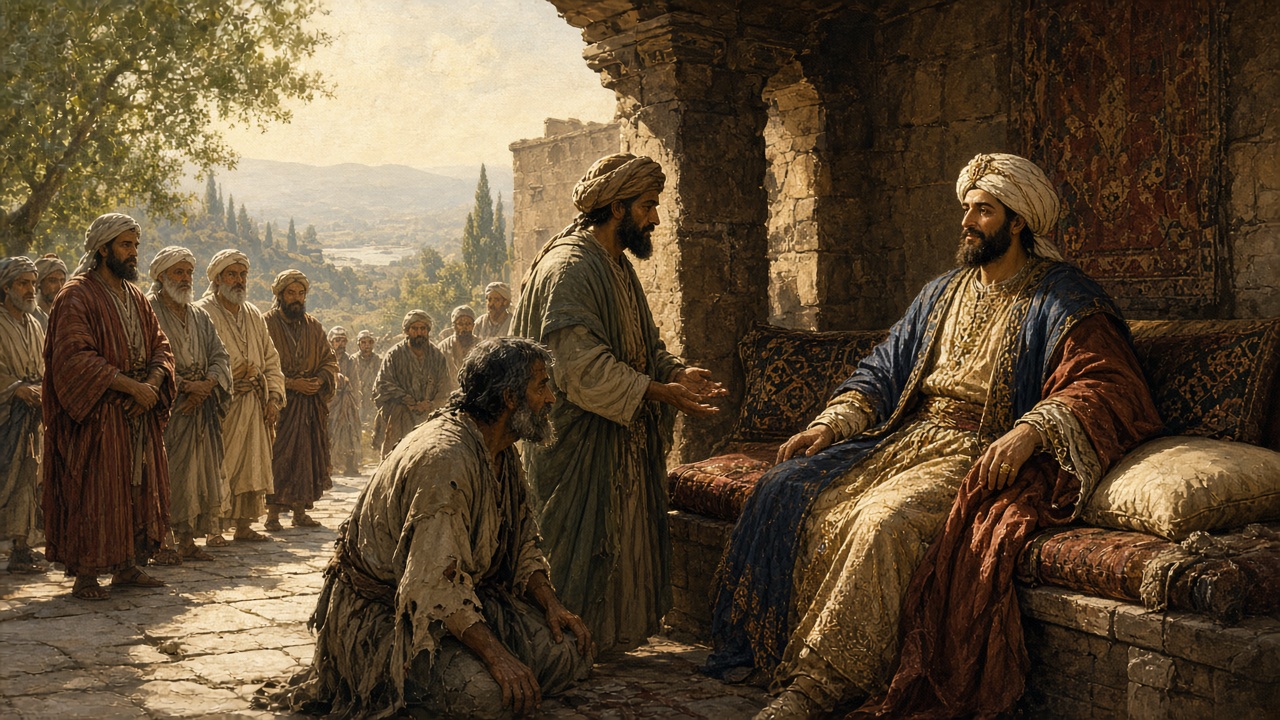
1Kidháblábtsik, kom a belálichtsik ni tʼokat labidh Ajátik Jesukristo, yab takudhkʼi xitaꞌ yejat ka kʼakʼnáltsik. 2Max ka ochich xon ta junkunaltsik jun i inik xin kʼwajbím jun i aniyo xi tʼajadh kʼal i oro ani in kʼwajbím i alwaꞌ kʼudhkʼum; ani ka ochich jeye jun i chʼojontál xi xeketlidh kʼal i kʼej kʼudhkʼum, 3ani ka bachʼutsik alwaꞌ xi xeketlidh kʼal an alwaꞌ kʼudhkʼum ani ka utsaꞌ: “Ki buxkan techéꞌ ban alwaꞌ koytaláb”, por an chʼojontál ka utsaꞌ: “Tatáꞌ núꞌ ki kʼale ta kubél, o ki buxkan techéꞌ chabál”, 4¿yabxeꞌ exomichkʼi a takwyal xitaꞌ ka kʼakʼnál? Max anchanꞌ ka tʼajáltsik, yab lujat na chalab.
5Kidháblábtsik xi nanáꞌ tu kʼanidháltsik tʼajat, ka achʼaꞌtsik jechéꞌ: Na Dios in takwyámal xi chʼojontáltsik techéꞌ ti kʼayꞌlá abal ka belmáchtsik ani abal kin bachʼutsik jelti jun i jiltsixtaláb xowaꞌ Jajáꞌ in ulúmal ke neꞌech kin pidhaꞌtsik xi kʼál tu kʼakʼnáb. 6Por tatáꞌtsik a tidhebédhál an chʼojontáltsik. ¿Yabxeꞌ jaꞌich an tumínladh iniktsik xi ti tʼajtsaltsik yab alwaꞌ ani ti utwaltsik ban awiltalábtsik? 7¿Yabxeꞌ jajáꞌtsik nin atʼax tʼilál na Jesukristo xa bachʼúmaltsik ani xoꞌ a koꞌol ta itsích?
8Max a tʼajálaktsik lejtal jelt xan tin ulal nin takʼixtal an Ajátikláb Jesús xin ulal enchéꞌ ban Tʼokat Dhuslab: “Ka kʼanidhaꞌ xi kʼeꞌettsik jelt xan ta kʼanidhál tabáꞌ”, alwaꞌich ta tʼajál. 9Por max takudhkʼi xitaꞌ a kʼakʼnál, i walbinalichtsik tám ani nin takʼixtal na Dios, ti xalkʼálichtsik abal yab a tʼajáltsik xan tin ulal. 10Max jun xitaꞌ in tʼajál ejtal xowaꞌ in ulal an takʼixtaláb, por yab kin tʼajaꞌ jún xowaꞌ in ulal jechéꞌ an takʼixtaláb, u kalel jelti max in chʼikat tʼajál ejtal. 11Pos na Dios xin ulu enchéꞌ: “Yab ki junkun kʼal xi yab a tomtal”, in ulu jeye: “Yab ki chemdhaxin.” Jaxtám, max jun xitaꞌ yab u junkunal kʼal xi yab in tomtal por u chemdhax, in chʼikat tʼajálich an takʼixtaláb. 12Ka choꞌóbnaꞌtsik ke neꞌech ki lújundhá kʼal an takʼixtaláb xi ti tʼajál ki kʼwajay walkadh, jaxtám ti yejat ka tʼiláltsik ani ka tʼajáltsik xowaꞌ alwaꞌ. 13Pos xitaꞌ xi yab in kóꞌontsám ti yajnantsixtaláb xi kʼeꞌettsik, yab jeye neꞌech ka kóꞌontsat ti yajnantsixtaláb kʼal na Dios tam kin bajaw xowkʼi neꞌech an lújundhaxtaláb; por xin kóꞌontsám ti yajnantsixtaláb xi kʼeꞌettsik, neꞌech jeye ka kóꞌontsat ti yajnantsixtaláb kʼal na Dios tam kin bajaw xowkʼi neꞌech an lújundhaxtaláb.
An belomtaláb ani xowaꞌ i tʼajál
14Kidháblábtsik, ¿jantʼó ti alwaꞌ max jun xitaꞌ kin ulu ke u belom ani yab in tʼajál ni jun xataꞌ xi alwaꞌ? ¿Awxeꞌ neꞌech ka ejtowat ka loꞌwat kʼal jachanꞌ an belomtaláb xin koꞌol? 15Ka chalpaytsik enchéꞌ: Max jun i kidhábláb i inik o i mímláb yab in koꞌol in kʼudhkʼúmil nibal i kʼapnél xan ti kin watʼnaꞌ jachanꞌ a kʼítsá, 16ani ke jún ti éb xi tatáꞌtsik kin utsaꞌ enchéꞌ: “Ka watʼnaꞌ alwaꞌ na kʼítsá, ki wátin ani ki kʼapúch”, por yab kin pidhaꞌ xowaꞌ in yéntsal nin tʼuꞌúl, ¿jantʼó ti alwaꞌ xowaꞌ in utsaꞌ? 17Anchanꞌ u támnal kʼal an belomtaláb; max jun xitaꞌ yab kin xalkʼaꞌ nin belomtal kʼal xowaꞌ alwaꞌ in tʼajál, yab tsubax tu belom.
18Por max jun xitaꞌ kin ulu enchéꞌ: “Tatáꞌ i belom ani nanáꞌ u tʼajál xowaꞌ alwaꞌ.” Pos ti kin xalkʼantsi pé pílkʼi an ti belomtaláb xa koꞌol ani yab junax kʼal xowaꞌ alwaꞌ a tʼajál; ani nanáꞌ neꞌech tu xalkʼantsi abal in belom junax kʼal xowaꞌ alwaꞌ u tʼajál. 19Tatáꞌ a belál ke jún tokot a Dios waꞌach ani anchanꞌ alwaꞌich ta tʼajál. Anchanꞌ jeye tin belál an atʼax ejattalábtsik ani u wipipíltsik kʼal i jíkʼib. 20Por yejat ka choꞌóbnaꞌ, inik xi yab i chalpadh, ke max an belomtaláb xi jun xitaꞌ in koꞌol yab kin xalkʼaꞌ kʼal an alwaꞌtaláb xowaꞌ xin tʼajál, yab xataꞌ in jalbíl nin belomtal. 21Ni wejeꞌ pakélil Abraham bachʼwat kʼal na Dios ti lujat inik kʼal xowaꞌ in tʼajaꞌ tam tin pikbaꞌ nin chakámil Isák. 22A chuꞌtalich ke nin belomtal na Abraham, in xalkʼaꞌ kʼal xowaꞌ xin tʼajaꞌ ani anchanꞌ, in xalkʼaꞌ ke tsubax lejtal tu belom. 23Anchanꞌ ti támun jelt xan tin ulal an Tʼokat Dhuslab enchéꞌ: “Na Abraham in belaꞌ na Dios ani kʼal nin belomtal, bachʼwat kʼal na Dios ti lujat inik.” Ani bijyat tin jaꞌúb a Dios.
24Pos a chuꞌtalichtsik, ke na Dios in bachʼwal jeye jun xitaꞌ ti lujat inik kʼal xowaꞌ alwaꞌ in tʼajál abal u belom ani yab tokot, abal u belomkʼi. 25Anílkʼi jeye támun kʼal na Ráb, an junkux inik uxum; bachʼwat kʼal na Dios ti lujat mímláb kʼal xowaꞌ alwaꞌ in tʼajaꞌ tam tin chinat bachʼu tin kʼimáꞌ nin abatwálejiltsik na Josué ani tayíl in tolmiy abal ka kale píl bél. 26Pos anchanꞌ jelti ni tʼuꞌúl max yab in koꞌol an ejattaláb, chemnek ti kʼwajat ani yabich xataꞌ ti alwaꞌ, anchanꞌ jeye, yab xataꞌ ti alwaꞌ max tokot u belom ani yab i tʼajál xowaꞌ alwaꞌ.
Did you know?
Impartiality and Living Faith
- James recalls that Abraham was justified by offering his son Isaac on the altar, his faith working with his actions and perfected by what he did. Isaac, the only son of Abraham by Sarah, was the one God commanded Abraham to offer as a sacrifice on a mountain in the land of Moriah.Sources: the Bible text itself · Isaac
- James also cites Rahab the prostitute, justified by welcoming the spies and sending them off on another route. The two spies, sent by Joshua while the Hebrews were encamped at Shittim opposite Jericho, had gone to her house, faced danger in the city, and were saved by her fidelity.Sources: the Bible text itself · Rahab
Notes written with AI assistance from open sources (Theographic Bible Metadata, CC BY-SA 4.0; Easton’s Bible Dictionary, public domain) and reviewed before publishing.
Credits and license for this translation
Nin tének káwintal an okˀóxláb
New Testament in Huastec Aquiche; hus (MX:hus:Huastec)
copyright © 2005 Wycliffe Bible Translators, Inc.
Language: Huastec
Translation by: Wycliffe Bible Translators, Inc.
Huasteco, Veracruz [hus], Mexico
Copyright Information
© 2005, Bible League International
This translation text is made available to you under the
terms of the Creative Commons License: Attribution-Noncommercial-No Derivative Works.
( http://creativecommons.org/licenses/by-nc-nd/3.0/ )
In addition, you have permission to port the text to different file formats, as long as you
do not change any of the text or punctuation of the Bible.
You may share, copy, distribute, transmit, and extract portions
or quotations from this work, provided that you include the above copyright
information:
You must give Attribution to the work.
You do not sell this work for a profit.
You do not make any derivative works that change any of the actual words or punctuation of the Scriptures.
Permissions beyond the scope of this license may be
available if you contact
us with your request.
The New Testament
in Huastec
© 2005, Bible League International
This translation is made available to you under the terms of the
Creative Commons Attribution-Noncommercial-No Derivatives license 4.0.
You may share and redistribute this Bible translation or extracts from it in any format, provided that:
You include the above copyright and source information.
You do not sell this work for a profit.
You do not change any of the words or punctuation of the Scriptures.
Pictures included with Scriptures and other documents on this site are licensed just for use with those Scriptures and documents.
For other uses, please contact the respective copyright owners.
2014-04-25
Source: http://ebible.org/husNT2005/ · eBible.org