Galatians 5
Nin tének káwintal an okˀóxláb · Tap a verse to see its cross-references.
Ka óntsi ki kʼwajaytsik ba jachanꞌ an walkadhtaláb xi ti pidhámaltsik na Jesukristo
1Na Kristo tu káldhaꞌ abal yabich ku kʼwajay takʼnél kʼal jachanꞌ nin takʼixtal na Dios xin jilám dhutsadh na Moisés abal ku kʼwajách walkadh. Pos ka óntsitsik pé ki kʼwajay ba jachanꞌ an walkadhtaláb ani yabich ka witsintsitsik ki kóꞌyat jelti jolib kʼal jachanꞌ an takʼixtaláb.
2Ti kin axtsitsik. Nanáꞌ, xu bij Pablo, tu utsáltsik ke max ka walkaꞌtsik ki tʼajtsin an ti exól ba na tʼuꞌúl, yabich tám xataꞌ ti neꞌech ka éynaꞌ na Kristo. 3U ulal juní, max jun i inik ka tʼajtsin an ti exól bin tʼuꞌúl, jachanꞌ an inik, koꞌol tám kin tʼajaꞌ ejtal xan tin ulal nin takʼixtal na Dios xin jilám dhutsadh na Moisés. 4Tatáꞌtsik xa ulal abal i kʼwajatich alwaꞌ kʼal na Dios abal a tʼajáltsik xowaꞌ kʼwajat dhutsadh ban takʼixtaláb, i ówmenekich kʼal na Kristo; yabich i kʼwajat bin kʼanidhaxtal na Dios. 5Pos wawáꞌ, tin kwentakʼi an Tʼokat Ejattaláb ani an belomtaláb xi koꞌol, i koꞌol jun i aytsixtaláb abal ku kʼwajbájich alwaꞌ kʼal na Dios. 6Max u kʼwajatich kʼal na Kristo Jesús, yabich tám xataꞌ ti neꞌech ka éyná max i koꞌol an exól o yabaꞌ. Xowaꞌ nin jalbíl, jaꞌich ku belmách ani ke jechéꞌ ni belomtal, kin tʼajaꞌ ku kʼwajay u kʼánídháx jún ani jún.
7Alwaꞌichwiꞌik tʼajat ta neꞌechtsik. ¿Jitaꞌ pé ti tʼajaꞌtsik abal ka chʼikat tʼajaꞌ an tsubaxtaláb? 8Na Dios xi ti kanyámaltsik, yab Jajáꞌ ti tʼajámal ka jilaꞌ ka belaꞌ an tsubaxtaláb. 9Yab ka ukʼtsitsik ke “wéꞌ i jilbédhaxtaláb kʼoye in jilbédhál yán i kʼoye max ka xukʼyat.” 10Nanáꞌ u choꞌób alwaꞌ ke an Ajátikláb yab neꞌech ti ki walkaꞌtsik ka jalkʼuy na chalab; por na Dios neꞌech kin pidhaꞌ ti yajtsiktaláb jachanꞌ an atiklábtsik xi xeꞌech ti kʼambiyal ani yab neꞌech kin ódhaꞌ ti kwenta xitam jáꞌ.
11Kidháblábtsik, max nanáꞌ bélak u ulal ka tʼajan an exól ba ni tʼuꞌúl, an judíotsik yabak tin atʼál; max anchanak, an tsubaxtaláb xu tʼilál kʼal tin kwenta an peltsidh teꞌ xon ti pajkʼiyat na Kristo, yabak neꞌech ka chakúdhátsik kʼál. 12Por xi xeꞌechtsik ti itʼixbédhál kʼal tin kwenta an exól ba na tʼuꞌúl, ¡alwaꞌak kin tʼaj kotónaꞌ nin tʼuꞌúl!
13Kidháblábtsik, tatáꞌtsik i kanidh abal ki kʼwajay walkadh. Tokotkʼi, maske i kʼwajattsik walkadh, yab ki kʼwajaytsik jelt xan tin kulbetnál na tʼuꞌúl; más alwaꞌ ki tólmíxintsik jún ani jún abal i kʼánídháxichtsik. 14Abal ejtal an takʼixtaláb, enchéꞌ tokot tu exbayáb: “Ka kʼanidhaꞌ xi kʼeꞌettsik jelt xan ta kʼanidhál tabáꞌ.” 15Por max ki tujeytsik ta péjéx ani ki kʼátʼúxintsik jún ani jún jelti an koꞌnéltsik, ka kóꞌoy i kwenta abal yab táꞌ ki kʼíbdháxin tatáꞌkʼitsik.
Xowaꞌ in kulbetnál ni tʼuꞌúl ani an xeꞌchintaláb kʼal an Tʼokat Ejattaláb
16Xowaꞌ tu utsáltsik jaꞌich jechéꞌ: Ki kʼwajaytsik jelt xan tin léꞌ an Tʼokat Ejattaláb ani yab ki kʼwajaytsik jelt xan tin kulbetnál na tʼuꞌúl. 17Abal xowaꞌ in kulbetnál ni tʼuꞌúl, yab alwaꞌ abal nin Tʼokat Ejattal na Dios ani an Tʼokat Ejattaláb, in pojkál xowaꞌ in kulbetnál ni tʼuꞌúl. Yab u kalel alwaꞌ ki tʼajaꞌ chablamkʼi, jaxtám yabich neꞌech ka ejto ka tʼajaꞌtsik xowaꞌ tatáꞌkʼitsik a kulbetnál. 18Por max jaꞌchich an Tʼokat Ejattaláb xi ti junkímtsik, yabich tám i kʼwajattsik i teykómte kʼal nin takʼixtal na Dios xin jilám dhutsadh na Moisés.
19Yab tʼojláb ki exlaꞌ xowaꞌ in tʼajál xi tokot in tʼajáltsik xowaꞌ in kulbetnál nin tʼuꞌúl: u junkunaltsik kʼal xi yab in tomtal, u aniꞌ junkunalkʼitsik maske yab tomkidh, in tʼajáltsik xowaꞌ yab alwaꞌ ani xowaꞌkich xi tidhetál, 20in kʼakʼnáltsik xowaꞌkich i chʼilabtsik ani u dhimkʼaxtsik. U átʼáxtsik tʼajat, u péjéxtsik ani tokot jajáꞌkʼi in léꞌ ka kʼakʼná kʼal xi kʼeꞌettsik. Jikʼatkʼi tʼajat u chakúltsik, yab in léꞌ kin chuꞌu ka tʼajan xowaꞌ in léꞌ xi kʼeꞌettsik ani in kʼéꞌáxliyal i atiklábtsik. 21In chakuntsal xi kʼeꞌettsik kʼal xowaꞌkʼi kin chuꞌu in koꞌol, u uchʼaltsik, in tʼajáltsik xowaꞌ yab alwaꞌ ba jun i ajib ani yán más xowaꞌ in tʼajáltsik jelti jechéꞌ. Tu óltsaltsik juní jelt xan tu utsámalich okʼox, ke xin tʼajáltsik jelti jechéꞌ, yab neꞌech kin ejto ka kʼwajaytsik takʼnél kʼal na Dios.
22Por xowaꞌ in pidhnál an Tʼokat Ejattaláb, jaꞌich an kʼanidhaxtaláb, an kulbétaláb, an kʼijidhtaláb, an kʼayúmtaláb, an alwaꞌtaláb, an belomtaláb, 23an chaꞌattaláb ani ki ejto ki kuxuy abal yab ki tʼajaꞌ xowaꞌ yab alwaꞌ. Yab waꞌach ni jun i takʼixtaláb xi neꞌech kin ejto kin ulu ke ejtal jechéꞌ, yab alwaꞌ. 24Por xu dhabalábichtsik kʼal na Jesukristo, in junwal jelti max chemnekich nin tʼuꞌúl pajkʼidh ban peltsidh teꞌ junax kʼal Jajáꞌ; ani xoꞌ yabich in tʼajáltsik xowaꞌ yab alwaꞌ xin kulbetnál nin tʼuꞌúl. 25Anchanꞌ xan tu kʼwajatich kʼal an Tʼokat Ejattaláb, anílkʼi jeye ti yejat ki exbantsi an Tʼokat Ejattaláb xowaꞌ ti ku utsaꞌ ki tʼajaꞌ.
26Yab yejat ku kʼwajay jelti pojkax atiklábtsik, chákúntsíx jún ani jún ani yab ku kʼwajay ki chakuntsi xi kʼeꞌettsik kʼal xowaꞌkʼi i chuꞌtal in koꞌol.
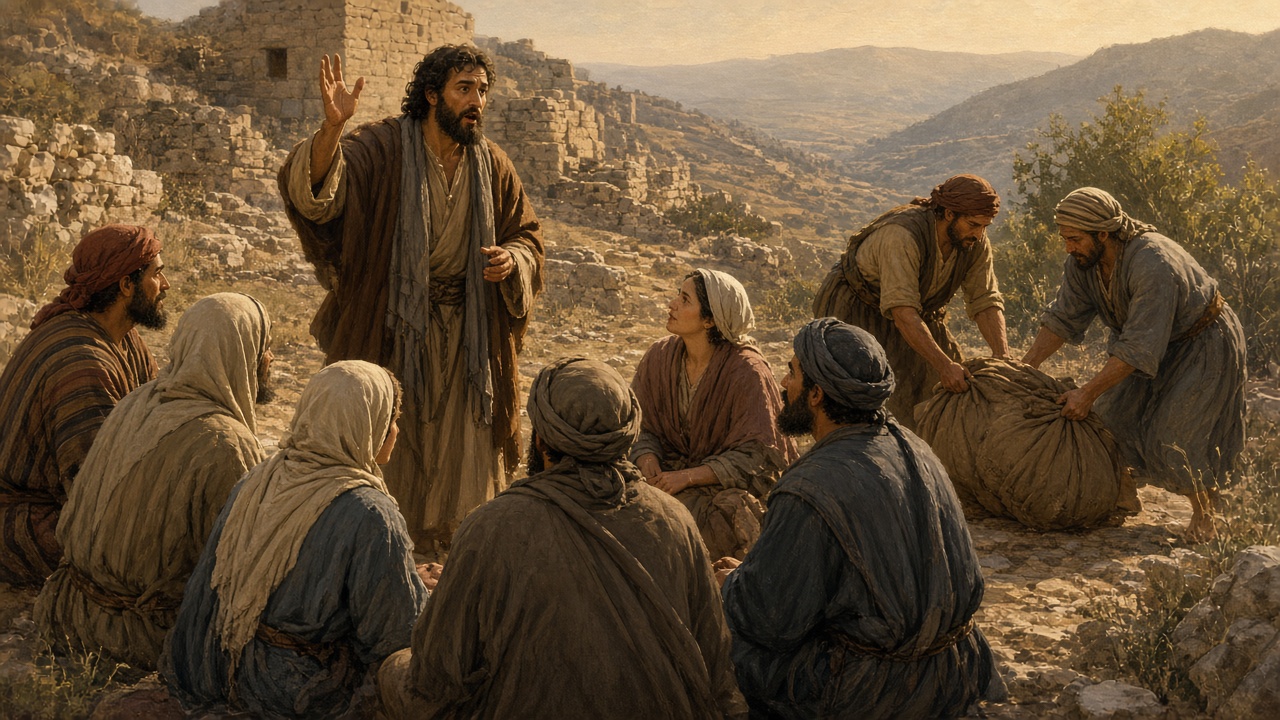
Did you know?
Freedom, the Law, and the Spirit
- The speaker identifies himself as Paul and warns that if those he addresses let themselves be circumcised, Christ will be of no value to them, and that every man who gets himself circumcised is obligated to obey the whole law. A biographical account says that Paul's circumcision-name was Saul, and that the name Paul was probably given to him in infancy for use in the Gentile world, while Saul would be his Hebrew home-name.Sources: the Bible text itself · Paul
- Freedom is set against a yoke of slavery: the chapter says Christ has set them free and tells them to stand firm and not be burdened again by that yoke. They were called to freedom, not as an opportunity for the flesh, but to serve one another in love, and the entire law is fulfilled in the single decree to love one's neighbor as oneself.Sources: the Bible text itself
- Walking by the Spirit is contrasted with gratifying the desires of the flesh, which are opposed to each other. If people are led by the Spirit, they are not under the law; the chapter lists the acts of the flesh and the fruit of the Spirit, and says that against such things there is no law.Sources: the Bible text itself
Notes written with AI assistance from open sources (Theographic Bible Metadata, CC BY-SA 4.0; Easton’s Bible Dictionary, public domain) and reviewed before publishing.
Credits and license for this translation
Nin tének káwintal an okˀóxláb
New Testament in Huastec Aquiche; hus (MX:hus:Huastec)
copyright © 2005 Wycliffe Bible Translators, Inc.
Language: Huastec
Translation by: Wycliffe Bible Translators, Inc.
Huasteco, Veracruz [hus], Mexico
Copyright Information
© 2005, Bible League International
This translation text is made available to you under the
terms of the Creative Commons License: Attribution-Noncommercial-No Derivative Works.
( http://creativecommons.org/licenses/by-nc-nd/3.0/ )
In addition, you have permission to port the text to different file formats, as long as you
do not change any of the text or punctuation of the Bible.
You may share, copy, distribute, transmit, and extract portions
or quotations from this work, provided that you include the above copyright
information:
You must give Attribution to the work.
You do not sell this work for a profit.
You do not make any derivative works that change any of the actual words or punctuation of the Scriptures.
Permissions beyond the scope of this license may be
available if you contact
us with your request.
The New Testament
in Huastec
© 2005, Bible League International
This translation is made available to you under the terms of the
Creative Commons Attribution-Noncommercial-No Derivatives license 4.0.
You may share and redistribute this Bible translation or extracts from it in any format, provided that:
You include the above copyright and source information.
You do not sell this work for a profit.
You do not change any of the words or punctuation of the Scriptures.
Pictures included with Scriptures and other documents on this site are licensed just for use with those Scriptures and documents.
For other uses, please contact the respective copyright owners.
2014-04-25
Source: http://ebible.org/husNT2005/ · eBible.org