Colossians 2
Nin tének káwintal an okˀóxláb · Tap a verse to see its cross-references.
1U léꞌ ka choꞌóbnaꞌtsik ke nanáꞌ u tʼajál an chápláb tu kontsintsi abal ki tolmiyattsik kʼal na Dios, abal ka tolmiyattsik jeye xu kʼwajíltsik Laodisea ani ejtal xi yabél tin chuꞌúmaltsik. 2Tu kontsintsaltsik abal ki likedhantsat ta itsích kʼal na Dios ani ki kʼwajaytsik juniniꞌ i kʼánídháx. Anchanꞌ neꞌech ka exbaytsik alwaꞌ an tsubaxtaláb ani neꞌech jeye ka exlaꞌtsik xowaꞌ xin koꞌolwiꞌik yab tejwaꞌ na Dios, ke jaꞌich na Kristo. 3Pos ba na Kristo tu tsiꞌil ejtal an chalab xi alwaꞌ ani Jajáꞌ, jaꞌich jeye xin pidhnál ka exbayat ejtal xowaꞌ alwaꞌ. 4Jechéꞌ xowaꞌ tu utsáltsik, jaꞌich abal yab ti ki kʼambiytsik ni jun xitaꞌ kʼal i labidh tʼilabtsik. 5Pos maske nanáꞌ yab in kʼwajat kʼal tatáꞌtsik, ka tʼajaꞌtsik jelti max tachanꞌ in kʼwajat. In kulbél tʼajat abal u achʼál i kʼwajattsik alwaꞌ ani a óntsaltsik ka belaꞌ na Kristo.
6Jaxtám, anchanꞌ jelt xan ta bachʼúmalichtsik na Jesukristo abal ta Ajátik, anchanꞌ ti yejat ki kʼwajaytsik juniniꞌ kʼal Jajáꞌ. 7Ka kóꞌoytsik na ejattal kʼwajat alwaꞌ ba na Jesukristo, ka belaꞌtsik Jajáꞌ in tsubtalkʼi jelt xan ta okʼtsidhtsik ani ka pidháltsik echʼekʼi ti jalbintsixtaláb na Dios.
An ít xeꞌchintaláb xi neꞌech ki kóꞌoy tam ku kʼwajách kʼal na Kristo
8Ka kóꞌoytsik tʼajat i kwenta, yab ka exbantsitsik xin léꞌ ti ki kʼambiytsik kʼal i tʼilabtsik ani i chalabtsik xi yab tsubax; jajáꞌtsik yab ba Kristo tin káldhál xowaꞌ in okʼtsixnáltsik, pos tokot in wewkóm in okʼtsixtal i iniktsik ani i chalab xi techéꞌkʼi ti kʼayꞌlá.
9Pos ejtal xan ti jeye na Dios, kʼwajat ba na Kristo. 10Tatáꞌtsik a koꞌolich ejtal xowaꞌ a yéntsal abal ki kʼwajaytsik alwaꞌ kʼal na Dios kom i kʼwajatichtsik kʼal na Kristo. Jajáꞌ jaꞌich na más ultaláb ké an ajátiklábtsik ani xitaꞌkichkʼi xin koꞌol i awiltaláb kʼal xowaꞌkich. 11Aníl jeye, abal i kʼwajatichtsik kʼal na Kristo, i exólidhichtsik; por yab kʼal i exól jelti xu tʼajtsinaltsik an israelitatsik bin tʼuꞌúl. Jechéꞌ an exól xi na Kristo in pidhnál, jaꞌich ke ti jalkʼuyámalichtsik xan ta xeꞌechtsikwiꞌik. 12Pos tam ta pujantsik, in junu jelti max i jolyatichtsik junax kʼal na Kristo ani jelti max i ejdhátsik teye ti ít junax kʼal Jajáꞌ, abal a belaꞌtsik ke kʼal nin cháp na Dios ti ejdhá ti ít na Kristo. 13Ti weꞌél chabkʼiꞌ, i kʼwajattsikwiꞌik jelti max i chemnek kʼal tin kwenta an walastaláb xa koꞌol ani abal yab i exólidh kom yab i judíotsik; por xoꞌ, na Dios ti ejdhámalichtsik ti ít jelt xan tin ejdhaꞌ na Kristo ani ti pakwlantsámalichtsik ejtal an ta walab. 14Na Dios in paku ni júntsixtal xi koꞌolwiꞌik kʼal Jajáꞌ. Jechéꞌ an júntsixtaláb, jaꞌich ke yab i ejtómal ki tʼajaꞌ xan tin ulal nin takʼixtal na Dios ani jechéꞌ an júntsixtaláb, pákun tam ti na Kristo chemech pajkʼidh ban peltsidh teꞌ. 15Tam ti na Kristo chemech ban peltsidh teꞌ, in átaꞌ an ajátiklábtsik ani an awiltalábtsik xi teykómte kʼal an lej atʼax. In kʼántsi an tin awiltaltsik ani anchanꞌ tin tidhebédhaꞌ.
Ka aliytsik xowaꞌ xi kʼwajat ban walkʼiꞌ
16Jaxtám xoꞌ, yabich ka tʼajáltsik ti kʼij xitaꞌ ti kawyaltsik kʼal tin kwenta xowaꞌ a kʼapal o kʼal xowaꞌ a uchʼál, kʼal tin kwenta i ajibtsik, tam u witsél a íchʼ ani kʼal tin kwenta jeye xantʼéy yejat ka tʼajan tam in kʼítsájil i koyóxnich. 17Ejtal jechéꞌ, jaꞌich jelti jun in chalám xi kʼwajat kʼejle neꞌech ka tsích, por xowaꞌ nin lejtal, jaꞌich na Kristo. 18Yab ka walkaꞌtsik ki kʼántsin an ti chʼejwalixtaláb xa koꞌolichtsik átadh kʼal an okʼtsixtsik xin wáynál in chaꞌkáltsik tʼajat tinbáꞌ. Jajáꞌtsik in kʼakʼnál i tʼokat abatwáletsik, in ulal ke in chuꞌúmaltsik i xalkʼantsixtaláb ani in tʼekʼáltsik tʼajat tinbáꞌ kʼal an chalabtsik xi jajáꞌkʼitsik in káldhál. 19Jechéꞌ an okʼtsixtsik yab kʼwajat kʼal a Kristo. Na Kristo jaꞌich na kʼwajat jelti nin ókʼ an belomtsik ani wawáꞌ xu belomich, jaꞌich nu kʼwajat jelti nin putálíl nin tʼuꞌúl. Na Kristo jaꞌich nin tʼajál abal ku belmách más, tu likedhantsal ti ejattal ani in tʼajál abal ku kʼwajay juniniꞌ i chalab, anchanꞌ xan ti na Dios in léꞌ kin chuꞌu ku kʼwajay.
20Tatáꞌtsik i kʼwajat teye jelti max i chemnekich kʼal na Kristo, abal a jilámalichtsik an chalab xi yab alwaꞌ ani xowaꞌ a tʼajáltsikwiꞌik. Pos max anchanich ta kʼwajattsik, ¿jantʼókʼi pé tám bél ta exbantsaltsik tin takʼixtal an okʼtsixtsik 21xin ulaltsik enchéꞌ: “Yab ka takaꞌtsik jachanꞌ, yab ka kʼaputsik jachanꞌ, yab ka téynaꞌtsik jachanꞌ”? 22Ejtal jechéꞌ xowaꞌ in ulaltsik, neꞌech ka taley, pos yab xataꞌ in éy, in chʼa okʼtsixtal i iniktsik. 23Tsubax kʼejle, ke ejtal jechéꞌ u xalkʼanal jelti jun i alwaꞌ chalab abal in ulaltsik ke yejat ka wéwnál jun i belomtaláb, ka kóꞌoy i chaꞌattaláb ani ka yajlombédhál tabáꞌ. Por ejtal jechéꞌ, yab xataꞌ ti alwaꞌ, pos yab neꞌech ka ejto ka kubdhaꞌtsik kʼál xowaꞌ in kulbetnál na tʼuꞌúl.
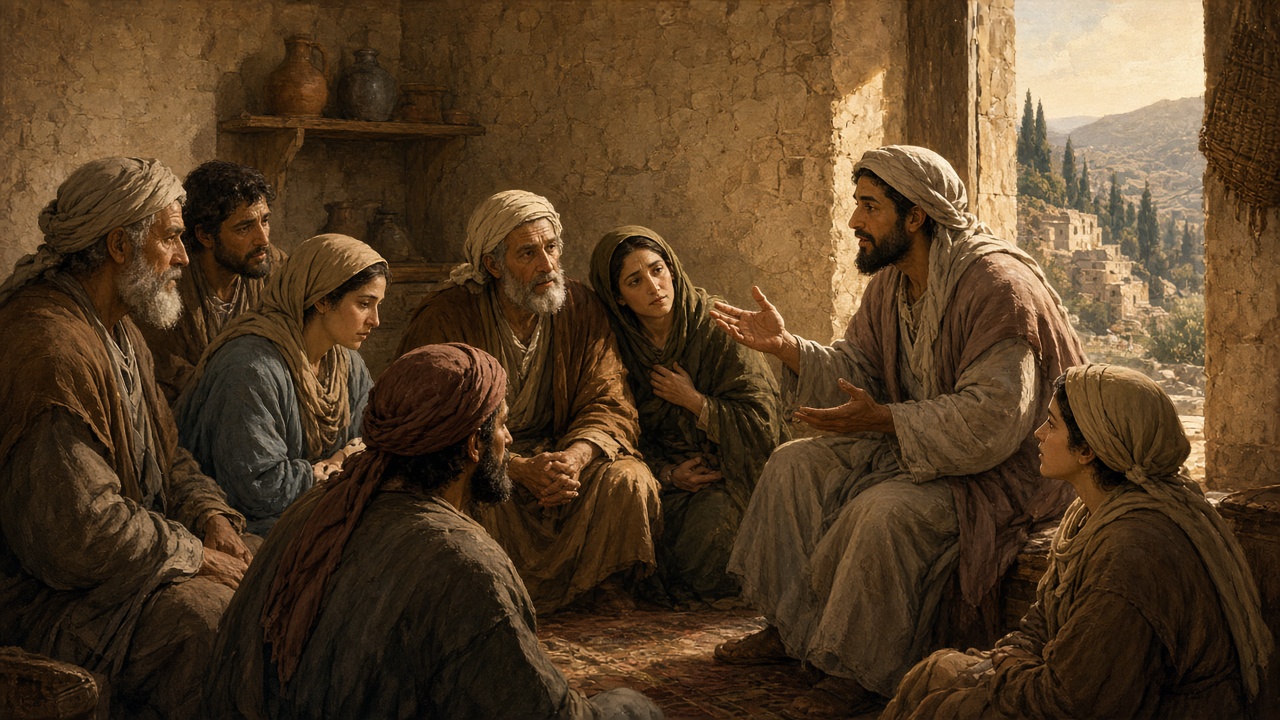
Did you know?
Fullness in Christ, Not Empty Teaching
- The writer says he is struggling for the readers, for those at Laodicea, and for all who have not met him face to face. Laodicea lay on the border of Phrygia and Lydia, on the banks of the Lycus, about forty miles east of Ephesus, and was one of the most important and flourishing cities of Asia Minor.Sources: the Bible text itself · Laodicea
- He warns them not to be taken captive by philosophy and empty deception based on human tradition and the spiritual forces of the world, and not to be deceived by smooth rhetoric.Sources: the Bible text itself
- The chapter also says they should not let anyone judge them by what they eat or drink, or by a feast, a New Moon, or a Sabbath—these are called a shadow of things to come—and should resist false humility, the worship of angels, and rules against handling, tasting, and touching that rest on human commands.Sources: the Bible text itself
Notes written with AI assistance from open sources (Theographic Bible Metadata, CC BY-SA 4.0; Easton’s Bible Dictionary, public domain) and reviewed before publishing.
Places in this chapter
- Laodicea · Today: Laodicea on the Lycus · 37.836, 29.108 · verse 1
Only places identified with high confidence are shown (90% or more according to the scholarly sources compiled by OpenBible). Period map: DARE (Digital Atlas of the Roman Empire), CC BY 4.0; modern map: © OpenStreetMap contributors; places: OpenBible.info (CC BY 4.0).
Credits and license for this translation
Nin tének káwintal an okˀóxláb
New Testament in Huastec Aquiche; hus (MX:hus:Huastec)
copyright © 2005 Wycliffe Bible Translators, Inc.
Language: Huastec
Translation by: Wycliffe Bible Translators, Inc.
Huasteco, Veracruz [hus], Mexico
Copyright Information
© 2005, Bible League International
This translation text is made available to you under the
terms of the Creative Commons License: Attribution-Noncommercial-No Derivative Works.
( http://creativecommons.org/licenses/by-nc-nd/3.0/ )
In addition, you have permission to port the text to different file formats, as long as you
do not change any of the text or punctuation of the Bible.
You may share, copy, distribute, transmit, and extract portions
or quotations from this work, provided that you include the above copyright
information:
You must give Attribution to the work.
You do not sell this work for a profit.
You do not make any derivative works that change any of the actual words or punctuation of the Scriptures.
Permissions beyond the scope of this license may be
available if you contact
us with your request.
The New Testament
in Huastec
© 2005, Bible League International
This translation is made available to you under the terms of the
Creative Commons Attribution-Noncommercial-No Derivatives license 4.0.
You may share and redistribute this Bible translation or extracts from it in any format, provided that:
You include the above copyright and source information.
You do not sell this work for a profit.
You do not change any of the words or punctuation of the Scriptures.
Pictures included with Scriptures and other documents on this site are licensed just for use with those Scriptures and documents.
For other uses, please contact the respective copyright owners.
2014-04-25
Source: http://ebible.org/husNT2005/ · eBible.org