2 Corinthians 8
Nin tének káwintal an okˀóxláb · Tap a verse to see its cross-references.
Ka pidhnaꞌtsik xataꞌ kʼal yantam i kulbétaláb
1Kidháblábtsik, i léꞌ tu tʼiltsitsik xan tin xalkʼámal nin alwaꞌtal na Dios ban belomtsik xu kʼwajíl ban chabál xi Masedonia. 2Maske pakdhaꞌ i yajtsiktaláb in watʼnámaltsik, bélkʼi kʼijidh tʼajat ti kʼwajattsik; ani maske chʼojontáltsik tʼajat, in pidhnáltsik xowaꞌ in koꞌol kʼal yantam i kulbétaláb jelti max jajáꞌtsik tumínladh tʼajat. 3Nanáꞌ u chuꞌúmal, ke kʼal yantam i kulbétaláb tin pidhnáltsik i tolmixtaláb; ani juntsikíl, yandhaꞌ tʼajat in pidhnál maske jajáꞌtsik ka jilkʼon yab xataꞌ in koꞌol. 4U pakabédhá tʼajat kʼal an kidháblábtsik xi Masedonia abal ki walkaꞌtsik jeye kin pidhaꞌ ti tolmixtaláb an kidháblábtsik xi chʼojontál xu kʼwajíl Jerusalén. 5In tʼajaꞌtsik más ké xowaꞌ i chalpayámal, pos okʼox, in pidhnaꞌtsik tinbáꞌ abal kin tʼójontsi an Ajátikláb xan ti yejat; ani tayíl, in pidhnaꞌtsik tinbáꞌ kʼal wawáꞌ abal ka tolmixintsik jeye kom na Dios anchanꞌ tin léꞌ. 6Jaxtám ti pakabédhámal na Tito abal ka kʼale tachanꞌ kʼal tatáꞌtsik kin junku an tolmixtaláb xin tujúmal kin junku más okʼox. 7Tatáꞌtsik i átax tʼajat kʼal xowaꞌkichkʼi: i belomtsik tʼajat, i awiltsik tʼajat ta okʼtsix, i chalpadhtsik tʼajat; i ikʼaxtsik tʼajat ka tʼójontsi an Ajátikláb ani a koꞌoltsik tʼajat i kʼanidhaxtaláb kʼal wawáꞌ. Anchanꞌ jeye ti ka tʼajaꞌtsik kʼal an tolmixtaláb.
8Yab exom tu utsáltsik jechéꞌ abal ka tʼajaꞌtsik kʼal i chápláb. Tu utsáltsik jechéꞌ abal ka choꞌóbnaꞌ ke xi kʼeꞌettsik in pidhnál an tolmixtaláb kʼal yantam i kulbétaláb. Anchanꞌ teye ti ka tʼajaꞌtsik abal ka xalkʼan ke tsubax lejtal ta kʼanidhaxtsik. 9Tatáꞌtsik a exlantsámalich an tin alwaꞌtal ni Ajátik Jesukristo. Kom ti kʼanidháltsik tʼajat, in jilaꞌ ejtal xowaꞌ in koꞌol túꞌ walkʼiꞌ ani tsích chʼojontál techéꞌ ti chabál. Jajáꞌ chʼojontálbé abal tatáꞌtsik ka bachʼu yán i alwaꞌtaláb.
10Neꞌech tu utsaꞌtsik xantʼéy u chalpayal kʼal jechéꞌ tin kwenta abal tatáꞌtsik ta alwaꞌbíl. Tatáꞌtsik alwaꞌ ta tujutsik ti jun tamub, yab tokotkʼi abal a junkuwaltsik jechéꞌ an tolmixtaláb, aníl jeye abal a tʼajáltsik kʼal i kulbétaláb. 11Pos xoꞌ, ka óntsitsik asta ka okʼoy kʼal jayéchkʼi an kulbétaláb xa kóꞌoytsik tam ta tuju, ka pidhnáltsik xantikʼi ta koꞌol. 12Abal max jun xitaꞌ tsubax lejtal tin leꞌnál kin pidhnaꞌ i tolmixtaláb, na Dios in bachʼwal an tolmixtaláb xantikʼi jún tin koꞌol; Jajáꞌ yab in konyal xowaꞌ jún yab in koꞌol.
13Yab ka ulutsik ke wawáꞌ i léꞌ ki chuꞌu ka watʼnaꞌtsik i kʼaꞌínab kʼal tin kwentakʼi abal a pidhnál i tolmixtaláb. 14Yab jaꞌich i léꞌ, xowaꞌ i léꞌ, jaꞌich ke ki kʼwajaytsik junax anikʼi. Xoꞌ tatáꞌtsik a koꞌol abal ka pidhaꞌ xowaꞌ jajáꞌtsik in yéntsal; tayíl jajáꞌtsik jeye neꞌech ti ki pidhaꞌ xowaꞌ tatáꞌtsik ka yéntsi. Ani anchanꞌ jununúlich tám neꞌech ki kʼwajaytsik, 15jelt xan tin ulal an Tʼokat Dhuslab enchéꞌ: “Xitaꞌ in kóꞌoy yán, yab in jilaꞌ; ani xitaꞌ in kóꞌoy wéꞌ, yab in watʼnaꞌ i yejetaláb.”
Na Tito ani nin juniktsik
16U pidhál ti jalbintsixtaláb na Dios abal in kʼwajbantsi bin itsích na Tito jayéchkʼi an kʼanidhaxtaláb jelti xi nanáꞌ u koꞌol kʼal tatáꞌtsik. 17Jajáꞌ neꞌech ti ki álnaꞌtsik, por yab abal nanáꞌkʼi u abámal; kom ti kʼanidháltsik tʼajat, jaxtám ti neꞌech ti ki álnaꞌtsik, por kʼal jajáꞌkʼi tin kwetém chalab.
18I abaꞌ jeye junax kʼal na Tito jun i kidhábláb xu exláb kʼal an belomtsik abal alwaꞌ inik tʼajat. Jajáꞌ exom tʼajat ti tʼojnal alwaꞌ abal kin tʼilaꞌ an alwaꞌ tʼilab. 19Ani yab tokot jechéꞌkʼi, takwyat jechéꞌ an kidhábláb kʼal an belomtsik abal ka kʼale kʼal wawáꞌ ani ka tolmixin kʼal jechéꞌ an tʼojláb. Exom i tʼajál jechéꞌ an tʼojláb abal tin kʼakʼnabíl an Ajátikláb ani abal ki xalkʼaꞌ ke tatáꞌtsik a kulbetnál tʼajat ta tolmix. 20Max ka kʼale jun xitaꞌ kʼal wawáꞌ, yabich tám xitaꞌ neꞌech kin ejto kin ulu ke yab i kidhat pidhnámal an tolmixtaláb. 21Pos exom i tʼajál jechéꞌ in lujtalkʼi, yab tokotkʼi tin tamét an Ajátikláb, tin tamét jeye an atiklábtsik.
22I abaꞌ jeye kʼal jajáꞌtsik jun i kidhábláb, xin kulbetnál tʼajat kin tʼójontsi an Ajátikláb kʼal xowaꞌkichkʼi. Jajáꞌ in kulbetnaꞌ tʼajat ka kʼale ti ki álnaꞌtsik kom in choꞌób abal neꞌech ka pidhnaꞌtsik an tolmixtaláb. 23Max jun xitaꞌ ti ki konoytsik xitam jáꞌ jeye na Tito, ka utsaꞌtsik abal nanáꞌ u junik ani u tolmiwál abal tu tʼójontsitsik. O max jun xitaꞌ ti ki konoytsik kʼal tin kwenta xi kʼeꞌet an kidháblábtsik, ka utsaꞌtsik abal abnékkʼi kʼal an belomtsik ani in kʼakʼnáltsik jeye na Kristo. 24Jaxtám, ka bachʼutsik kʼal yantam i kʼakʼnaxtaláb abal anchanꞌ, ka xalkʼantsi an belomtsik ke tsubax lejtal ta kʼanidhaxtsik jelt xan ti wawáꞌ ti tʼiltsámaltsik.
Did you know?
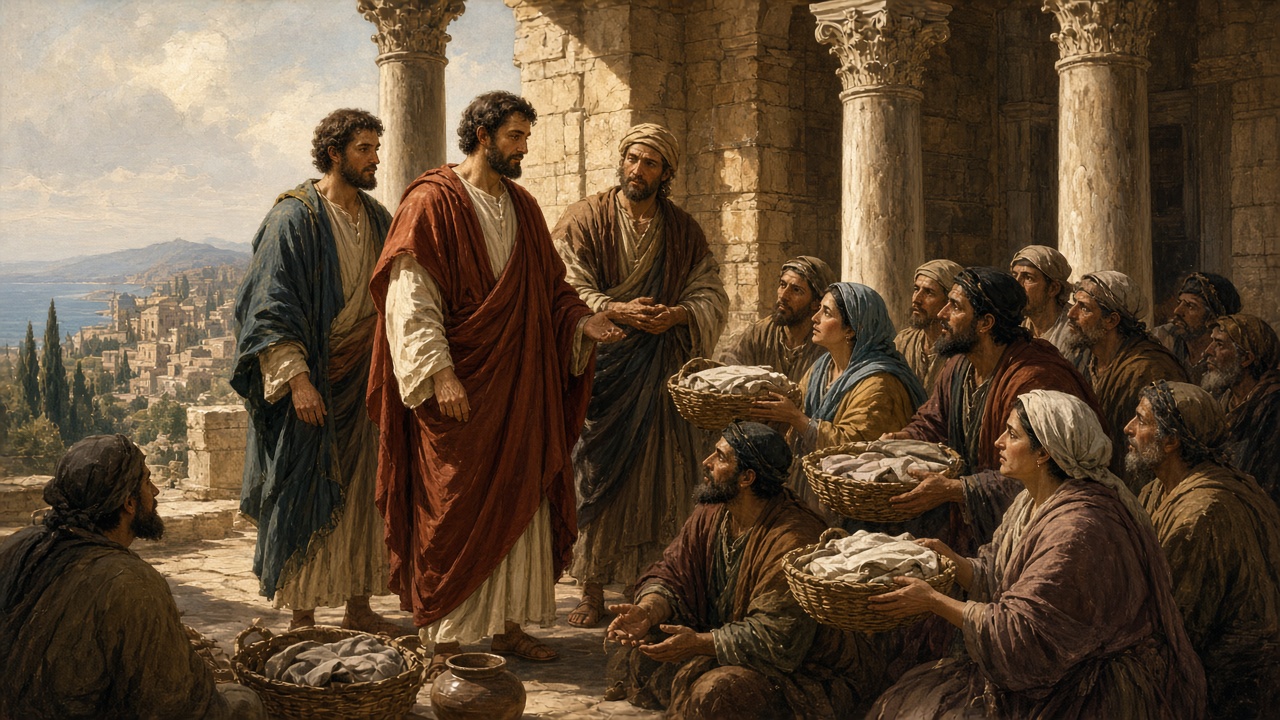
Generosity and the Jerusalem Collection
- In New Testament times Macedonia was a Roman province north of Greece. Paul was summoned by the vision of a man of Macedonia to preach the gospel there, and this chapter tells the Corinthians how those churches, in a terrible ordeal and deep poverty, gave joyfully and even beyond their ability.Sources: Macedonia · the Bible text itself
- Titus, whose name nowhere occurs in Acts, appears to have been a Gentile chiefly engaged in ministering to Gentiles. From Ephesus, Paul sent him to Corinth to forward the church's contributions for the poor saints at Jerusalem; in this chapter Paul urges him to complete that work, and Titus is coming eagerly of his own accord.Sources: Titus · the Bible text itself
- Along with Titus, Paul is sending a brother praised by all the churches for his work in the gospel and chosen by them to accompany the offering, and another brother whose earnestness has been proven many times and in many ways. He explains that this care is meant to avoid criticism of how the generous gift is administered, so that they do what is right not only in the eyes of the Lord but also in the eyes of other people.Sources: the Bible text itself
Notes written with AI assistance from open sources (Theographic Bible Metadata, CC BY-SA 4.0; Easton’s Bible Dictionary, public domain) and reviewed before publishing.
Places in this chapter
Only places identified with high confidence are shown (90% or more according to the scholarly sources compiled by OpenBible). Period map: DARE (Digital Atlas of the Roman Empire), CC BY 4.0; modern map: © OpenStreetMap contributors; places: OpenBible.info (CC BY 4.0).
Credits and license for this translation
Nin tének káwintal an okˀóxláb
New Testament in Huastec Aquiche; hus (MX:hus:Huastec)
copyright © 2005 Wycliffe Bible Translators, Inc.
Language: Huastec
Translation by: Wycliffe Bible Translators, Inc.
Huasteco, Veracruz [hus], Mexico
Copyright Information
© 2005, Bible League International
This translation text is made available to you under the
terms of the Creative Commons License: Attribution-Noncommercial-No Derivative Works.
( http://creativecommons.org/licenses/by-nc-nd/3.0/ )
In addition, you have permission to port the text to different file formats, as long as you
do not change any of the text or punctuation of the Bible.
You may share, copy, distribute, transmit, and extract portions
or quotations from this work, provided that you include the above copyright
information:
You must give Attribution to the work.
You do not sell this work for a profit.
You do not make any derivative works that change any of the actual words or punctuation of the Scriptures.
Permissions beyond the scope of this license may be
available if you contact
us with your request.
The New Testament
in Huastec
© 2005, Bible League International
This translation is made available to you under the terms of the
Creative Commons Attribution-Noncommercial-No Derivatives license 4.0.
You may share and redistribute this Bible translation or extracts from it in any format, provided that:
You include the above copyright and source information.
You do not sell this work for a profit.
You do not change any of the words or punctuation of the Scriptures.
Pictures included with Scriptures and other documents on this site are licensed just for use with those Scriptures and documents.
For other uses, please contact the respective copyright owners.
2014-04-25
Source: http://ebible.org/husNT2005/ · eBible.org