Psalms 84
Habo nalolene bi gahenge lo winigo ogo · Tap a verse to see its cross-references.
Mbirali ibu Ngode Datagaliwabenaga andani hole hameore lenego ogo
1Anduane Homogo Hongo Haihe-o i̱na í̠naga andaore gubalini timbuniore ho kogoni.
2Í̠naga anda ogoniha i̱ ho palu holeneore hame timbuni lo kogoni.
I̱ mbirale marunaga hame nawigo
Anduane Homogo í̠naga andaha holenegoorenaga hame bibahende ogoniha piai helowa kogoni.
I̱naga minimebi tinginimebi bibahendeme i̱na turuore halu
iba gana turubiru bibahendeorenaga holene tene
Ngode Datagaliwabe haluhe kagohondo lo mialu kogoni.
3Anduane Homogo í̠ Hongo Haihe i̱naga kinibi i̱naga Ngode Datagaliwabebi í̠ hangu kegoni.
Ngode Datagaliwabe í̠naga andaha bo lomabu miaga dabu ngagoria
ega emene yatagoberu anda bia para howa tini palu ngagoni.
Tinaga iginiru ogoniha palelonaga ma palia kagoni. Ngode Datagaliwabe í̠naga andaha bo lomabu miaga dabu ngagoria ega emene yatagoberu anda bia para howa tini palu ngagoni.|src="HK 7a.tif" size="1" ref="(84.3)"
4Wali agali í̠naga andaha haga karu ti baya turubiore kagoni.
Tigua turu howa í̠naga mini yaraga halu iba ganaru laabo halu kagoni.
5Wali agali Hari Saiono kagoria pole turu howa kulo karu
tinaga hongo holene tene í̠ kegonigo lowa
uruni ti turu haaboho holebira.
6Ti Hari Saiono pole pialu Baga dindi ulini iba nabere mbira ngagoria tagira poragola
dindi yobi iba nabere wiyagoni ndo iba tagira ibulebira.
Dindi ulini ngarunaga iba birumaga ladaga halu
iba gendo ngarunaga iba dugutagi hagahaga bulebira.
7Ti iba ani bedaria nama pialu ti hongo ho yalu polebira.
Ti Hari Saiono anda pialu howa Ngode Datagaliwabe karia hondolebira.
Ngode Datagaliwabe ibu wali agalime bi pupu wule mbirale gime wabini heledaru ale ndo
ibu daligaore gibi henedane ti hondolebira.
8Anduane Homogo Hongo Haihe Ngode Datagaliwabe-o
i̱na í̠hondo bi larogo hale habe.
Yagabanaga Ngode Datagaliwabe-o
i̱na bi larogo bayuwaore hale habe.
9Ngode Datagaliwabe-o í̠nime inanaga kini helo dabo helene kagoni
ibugua ina de hondo mamage haga kago
í̠na ibuhondo bayuwa turubini dege bigi bibe.
10Í̠naga andaha horo mbiru hangu andapu harogome
horo daosini mbira tagira maruha haroruni bolangua hai holebira.
Ai wali agali mini kowi karu baba mandagi ti andagani palu holenego i̱ hame nale kogoni.
I̱naga Ngode Datagaliwabenaga anda panga harabaniore heyu haabo hole hamelo kogoni.
11Anduane Homogo Ngode Datagaliwabe ibu inanaga mamage haganebi inanaga kini howa wá haganebi kagoni.
Ibugua inahondo bayale turubini dege bigi bialu ina mo yaraga halu kagoni.
Ibunaga deni wali agali mana tigabi hangu bialu haga karuhondo
ibugua mbirale bayale ngaru mbira nangule nalaga kagoni.
12Anduane Homogo Hongo Haiheore-o wali agali í̠hondo mini mbiraore wuwa
í̠ni hanaho karu ti turuoreho kagoni.
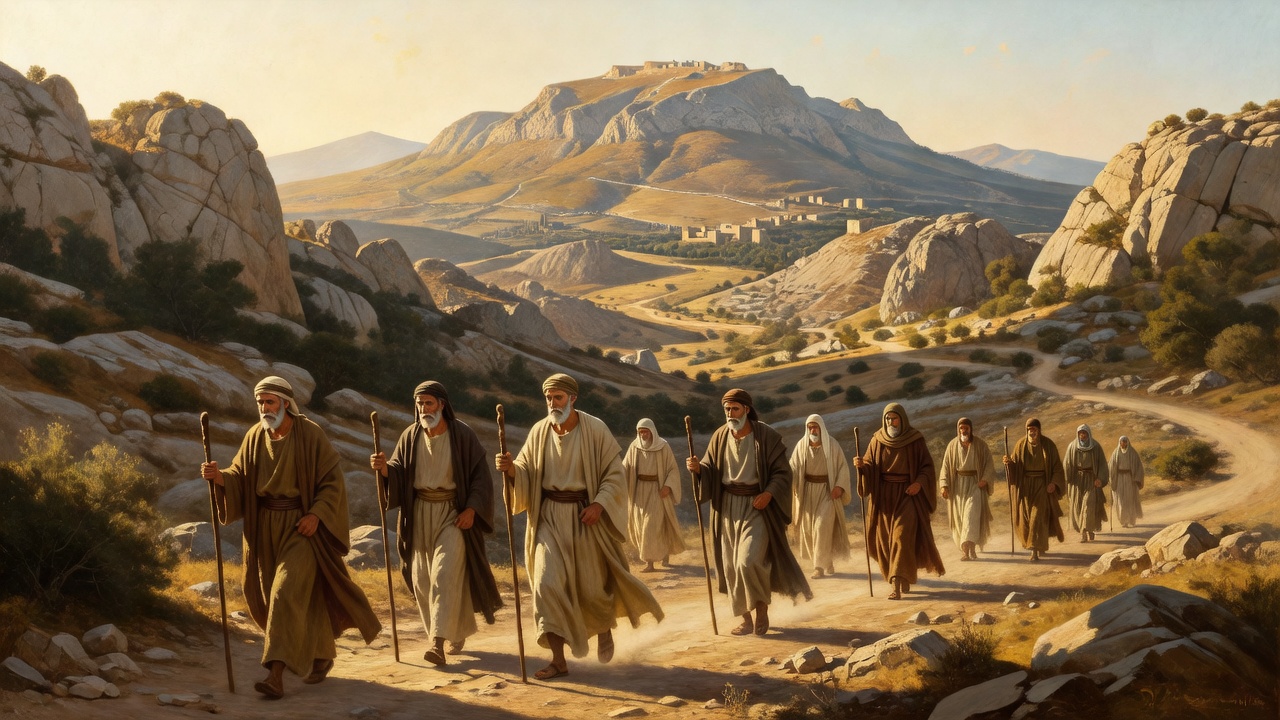
Did you know?
Longing for the House of God
- The "Valley of Baca" mentioned in verse 6 translates literally or figuratively as a "valley of weeping" or balsam trees. It likely describes an arid valley through which pilgrims traveled on their journey toward the sanctuary in Jerusalem.Sources: Valley of Baca · the Bible text itself
- Mount Zion was a prominent hill of Jerusalem surrounded by deep valleys, where the city of David and the sanctuary were established. The psalm celebrates pilgrims traveling from strength to strength until they appear before God on Zion.Sources: Zion · the Bible text itself
- The psalmist vividly expresses longing for the temple, noting how even small birds like sparrows and swallows find nesting places near the altars. Standing at the threshold or serving as a doorkeeper in God's house is considered far better than dwelling among the wicked.Sources: the Bible text itself
Notes written with AI assistance from open sources (Theographic Bible Metadata, CC BY-SA 4.0; Easton’s Bible Dictionary, public domain) and reviewed before publishing.
Places in this chapter
Only places identified with high confidence are shown (90% or more according to the scholarly sources compiled by OpenBible). Period map: DARE (Digital Atlas of the Roman Empire), CC BY 4.0; modern map: © OpenStreetMap contributors; places: OpenBible.info (CC BY 4.0).
Credits and license for this translation
Habo nalolene bi gahenge lo winigo ogo
The Holy Bible with Deuterocanon in the Huli Language of Papua New Guinea
Buk Baibel long tokples Huli long Niugini
Copyright © 1983, 1991, 2002 Bible Society of Papua New Guinea
℗ Faith Comes by Hearing
Language: Huli
Translation by: Bible Society of Papua New Guinea
This translation is made available to you under the terms of the
Creative Commons Attribution-Noncommercial-No Derivatives license 4.0.
You may share and redistribute this Bible translation or extracts from it in any format, provided that:
You include the above copyright and source information.
You do not sell this work for a profit.
You do not change any of the words or punctuation of the Scriptures.
Pictures included with Scriptures and other documents on this site are licensed just for use with those Scriptures and documents.
For other uses, please contact the respective copyright owners.
2014-12-11
Source: http://png.bible/hui/ · eBible.org