Psalms 56
Habo nalolene bi gahenge lo winigo ogo · Tap a verse to see its cross-references.
Agali mini mbiraorewime Ngode Datagaliwabehondo bi lenego ogo
1Ngode Datagaliwabe-o í̠na i̱ dara howa biamogo bibe.
Agali bu karume i̱ talima ibaga bialu bo wahole kagoni.
Waitigime i̱ mo ko hole manda bialu haabo kagoni.
2Waitigi karume egerebagi howa i̱ bole bialu heane
alendo haga bialu haabo kagoni ndobe.
Ti dewalioreme i̱ baba waitigi ho ka.
3Anduane Homogo Daligaorene Daliga kego-o
i̱ha gi holene anda ibirangi
i̱na í̠hondo mini mbiraore wialu haabo haruli.
4I̱na Ngode Datagaliwabehondo mini mbiraore wu kogome
mbirale ngaru hondowa i̱ gi naharuli.
I̱na ibunaga bi henene lo ngaru mitangi bialu
ibunaga mini yaraga haabo halu kogoni.
Agali karume i̱hondo bulene mbira nawigo agi bulubadabe.
5I̱na mbira bule kogola
waitigi karume mo ko hole manda biaabo haga ka.
Tigua i̱ mo tandaga hole hariga taya bialu haabo ka.
6Ti mo ngoai halu ha do howa
i̱na mbira bule bialu koria de yu howa
tigua i̱ bo wahole hamelalu ani biaabo haga ka.
7Ngode Datagaliwabe-o tigua mana ko bialu kagonaga pani nelo mibe.
Í̠na tihondo keba timbuni howa bope habe.
8I̱naga genda yu kogobi bu miniha mo ko hene kogobi
í̠ manda bu kegoni.
I̱na dugu birugonaga de iba ibiyago
í̠na í̠naga iba beha berelo kegoni.
Í̠na uruni mitangi bu haabo howa
í̠naga mbugaha gilibu ngegoni.
9I̱na í̠ olarongi i̱naga waitigi ibida piai holebira.
Ngode Datagaliwabe-o ti ani biragola
i̱na mbira manda bidogoore ogo
í̠na i̱hayagi haabo kegoni mandabu kogoni.
10I̱na Ngode Datagaliwabenaga bi henene lo ngaru mitangi bialu
ibu mini yaraga halu kogoni.
I̱na Anduane Homogonaga bi lo ngarunaga
ibu mini yaraga halu kogoni.
11I̱na ibuhondo mini mbiraore wu kogome
mbirale ngaru hondowa gi naholebero.
Agali uruni tigua i̱hondo mbira bulene nawigo agi bulubadabe.
12Ngode Datagaliwabe-o i̱na mbira bule lalu í̠hondo lo wirugoni biaore bulebero.
I̱na í̠hondo turu howa
ka̱i̱ lolenaga loma mbira ngulebero.
13Irane i̱ homole hewaria í̠na pele ngialu mo wirigonagabi
waitigirume i̱ bope nahelo i̱ handaya halu biamogo birigonagabi
i̱na loma ogoni ani ngulebero.
Ngode Datagaliwabe-o í̠ heba ibagabu kogome
i̱na í̠naga wá holene ngegoria í̠naga deni haaboore holebero.
Did you know?
Trusting God in Enemy Territory
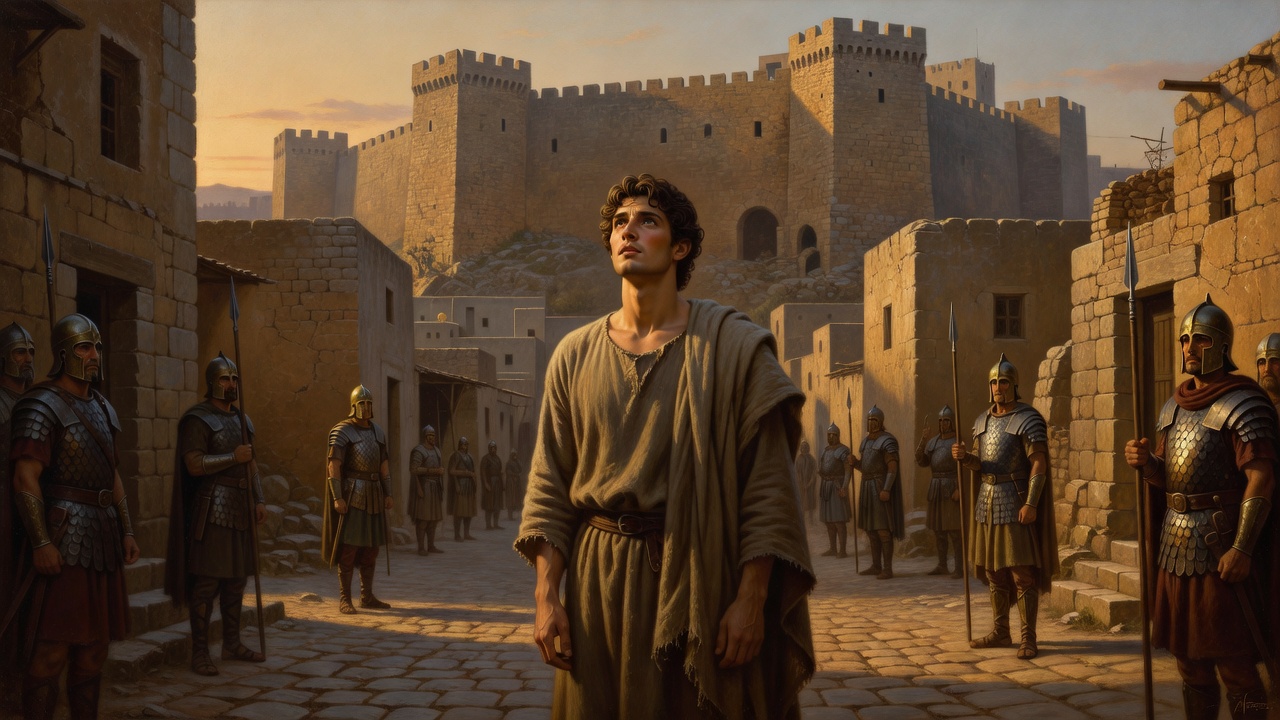
- The superscription links this psalm to David when the Philistines seized him in Gath. Gath was one of the five royal cities of the Philistines and the hometown of Goliath, making David's flight there from King Saul particularly dangerous.Sources: the Bible text itself · Gath
- The psalmist uses vivid personal metaphors, asking God to collect his tears in a bottle and record his wanderings in a book, portraying divine awareness and care in times of distress.Sources: the Bible text itself
Notes written with AI assistance from open sources (Theographic Bible Metadata, CC BY-SA 4.0; Easton’s Bible Dictionary, public domain) and reviewed before publishing.
Credits and license for this translation
Habo nalolene bi gahenge lo winigo ogo
The Holy Bible with Deuterocanon in the Huli Language of Papua New Guinea
Buk Baibel long tokples Huli long Niugini
Copyright © 1983, 1991, 2002 Bible Society of Papua New Guinea
℗ Faith Comes by Hearing
Language: Huli
Translation by: Bible Society of Papua New Guinea
This translation is made available to you under the terms of the
Creative Commons Attribution-Noncommercial-No Derivatives license 4.0.
You may share and redistribute this Bible translation or extracts from it in any format, provided that:
You include the above copyright and source information.
You do not sell this work for a profit.
You do not change any of the words or punctuation of the Scriptures.
Pictures included with Scriptures and other documents on this site are licensed just for use with those Scriptures and documents.
For other uses, please contact the respective copyright owners.
2014-12-11
Source: http://png.bible/hui/ · eBible.org