Psalms 51
Habo nalolene bi gahenge lo winigo ogo · Tap a verse to see its cross-references.
Ko binigo domo wahelonaga Ngode Datagaliwabehondo bi lenego ogo
1Ngode Datagaliwabe-o gubalini haho wiaabo haga kego
í̠na i̱ore dara howa biamogo bibe.
Í̠na wali agali dara nahabeheorego dara hagayagodago
i̱ dara halu ko biruru domo wahabe.
2I̱na ko biruru bibahende domo wahalu
i̱ dodo nahe helabe.
3Ko ngubiore birulo manda bialu
miniha tagaore biaabo haragola haruli.
4I̱na ko biruruni í̠hondo birugoni.
Mendealihondo biru lole ndo í̠hondoore birugoni.
Í̠naga deni ko ngubiore birugoni.
Ani birugonaga í̠na i̱hondo i̱ mana pugualu
ko birigo pani nolene nga larego nde
tigatiga labehedaguaore larego
i̱ balolene henge nawiore manda bido.
5I̱ pigane i̱ ai̱yahanda taba hanayangi howa
ko hangu bialu haho winigo áyubi bialu dege kogoni.
I̱ ai̱yanaga tombeha biruwabi mini kowi dege biraru.
6Í̠na henene hangu lagabi
miniha ko do nahebi kago hondowa turu haga kegoni.
Ani biaga kego í̠naga mini giga buleneme
i̱naga miniha to̱lotagi helabe.
7Dodo nahe holiya ko biruru domo wahabe.
Bu miniha peweleore holiya i̱ wayawaya bia habe.
8Bi baya turubiru halu mbira hale holiyanaga henge ngialu
i̱na ko biruru domo wahabe.
Í̠na i̱ hengedo mbaralo wahalu
i̱naga kuniru minu bu̱ larigoyu
i̱ lone heyalu turuho holebero.
9I̱na ko ngubi biruruni í̠ de handa tara howa
í̠na bibahendeore domo wahai habe.
10Ngode Datagaliwabe-o i̱naga bu habaneha mini gahenge wabu wia habe.
Í̠naga bi larego hale halu bua holenego gahenge i̱ha wabu wia habe.
11Í̠na i̱ kodago wahalu pu lowa bo batagi holeni.
Í̠naga Dinini tigabi i̱ha heledego tagira peloleni.
12Pele ngini kogoni manda buwa turu ho haruligo
turu biagoni ereba hayago lone ngiadai bibe.
Bi larego hale halu biaga holiya biamogo bibe.
13Ani beregola i̱na ko biaga karuhondo
í̠naga bi lo ngedagua tihondo lawai holiya.
Lawai harogola hale halu
tigua í̠ni keria dai bulebirago bilo.
14I̱na ko birurunaga homolenego hame naledogo
Ngode Datagaliwabe-o i̱ pele ngibe.
Ani beregola i̱na turu halu
í̠ tigabi biaga ke lalu wali agali bi mana lamuliya.
15I̱na í̠naga bi mana loliyabi
Anduane Homogo í̠nime lamogo bibe.
Ani berego handalu i̱na í̠naga mini mo yaraga holebero.
16Í̠na mbirale bo lomabu ngilo hame lagadale
i̱na bo lomabu ngidolego
ai í̠ hame nalagayago.
Mbirale ngabi í̠ nga habelo lowa
bo lomabu delaga dabuni delarogomebi
í̠ mo turu nahagaya.
Aniyagodago i̱na í̠hondo loma ngiradagua i̱ni í̠hondo ngerogoni.
17Ngode Datagaliwabe-o í̠naga bi larego hale halu biaore bule lalu
i̱ni áyu ngerogoni.
I̱ni mo yadindi halu bu mini henene beregedalu i̱ni ngerogola
í̠na nayamia nabulebere manda buwa áyu ngerogoni.
18Ngode Datagaliwabe-o Saiono tano podope hayadago
wali agali karu dara halu biamogo bibe.
Yarusaleme wai pabe biago podo bagabu ibira ho ngago
waitigi anda ibuligo
í̠na ege pabe ogoni lone biadai bibe.
19Anidagua bu howa mbirale bo lomabu ngulene ngadagua ngirimayaguabi
mbirale bo lomabu delaga dabuni delarimayaguabi
í̠ turu holebere.
Nogo bulumaga wangaberubi í̠naga bo lomabu delaga dabuni bo deloleberema.
Did you know?
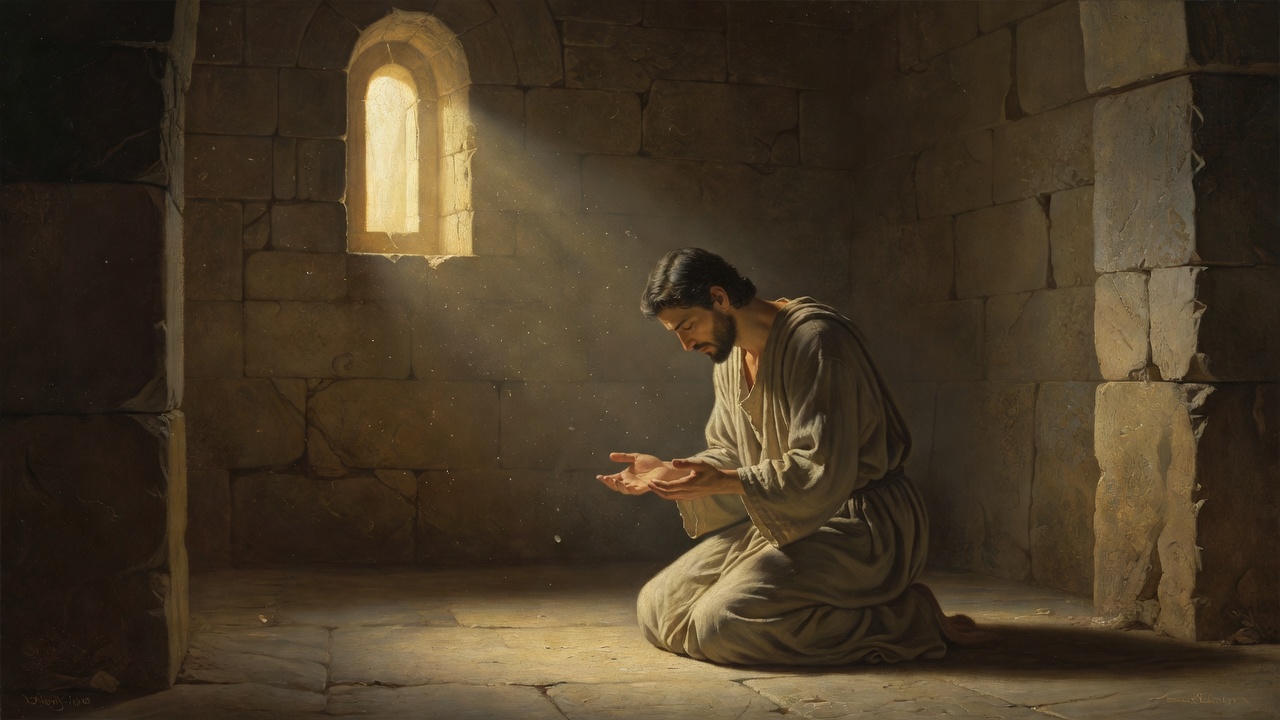
A Psalm of Repentance
- The psalm's introductory heading connects this prayer to the confrontation between the prophet Nathan and King David after David's adultery with Bathsheba, pleading for mercy and deliverance from bloodguilt.Sources: the Bible text itself
- The prayer uses the imagery of purification with hyssop and washing to describe spiritual cleansing, stating that God values a broken spirit and a contrite heart rather than mere animal sacrifices.Sources: the Bible text itself
- The psalm concludes with a petition for God to bless Zion and build the walls of Jerusalem, anticipating the restoration of righteous sacrifices and burnt offerings upon the altar.Sources: the Bible text itself · Zion · Jerusalem
Notes written with AI assistance from open sources (Theographic Bible Metadata, CC BY-SA 4.0; Easton’s Bible Dictionary, public domain) and reviewed before publishing.
Places in this chapter
Only places identified with high confidence are shown (90% or more according to the scholarly sources compiled by OpenBible). Period map: DARE (Digital Atlas of the Roman Empire), CC BY 4.0; modern map: © OpenStreetMap contributors; places: OpenBible.info (CC BY 4.0).
Credits and license for this translation
Habo nalolene bi gahenge lo winigo ogo
The Holy Bible with Deuterocanon in the Huli Language of Papua New Guinea
Buk Baibel long tokples Huli long Niugini
Copyright © 1983, 1991, 2002 Bible Society of Papua New Guinea
℗ Faith Comes by Hearing
Language: Huli
Translation by: Bible Society of Papua New Guinea
This translation is made available to you under the terms of the
Creative Commons Attribution-Noncommercial-No Derivatives license 4.0.
You may share and redistribute this Bible translation or extracts from it in any format, provided that:
You include the above copyright and source information.
You do not sell this work for a profit.
You do not change any of the words or punctuation of the Scriptures.
Pictures included with Scriptures and other documents on this site are licensed just for use with those Scriptures and documents.
For other uses, please contact the respective copyright owners.
2014-12-11
Source: http://png.bible/hui/ · eBible.org