Psalms 140
Habo nalolene bi gahenge lo winigo ogo · Tap a verse to see its cross-references.
Anduane Homogohanda handayaho helo bi lenego ogo
1Anduane Homogo-o wali agali ko biaga karume i̱ mo ko holigo pele ngibe.
Agali bo wahaga karume i̱ baba waitigi nahelo biamogo bibe.
2Tigua mana ko bulenaga ndindi laabo halu
wali agali bu karu tini keba haga haga bilo mo keba haga ka.
3Tinaga hége ne gadele puyanaga ne ale howa
tigua bi lararume nogombi ko tomia pale ngagonaga tomia ale
tinaga ne hambuni ngagoni.
4Anduane Homogo-o agali ko karunaga hongome i̱ bope nahelo
í̠na i̱ handayaho habe.
Agali bo wahaga karume i̱ mo ko holenaga bi ndindi lalu kago
i̱ ba nabilo hapai habe.
5Mine haga bu karume i̱ gonoha doliya gono wu kagoni.
Tigua gono ogoni pu payini timbuni mbirame i̱naga geni do ngelonaga
i̱ hariga poleberogoha gono wia do ka.
6I̱na Anduane Homogohondo lamialu lalu,
I̱naga Ngode Datagaliwabeore í̠ni kegoni.
Anduane Homogo-o i̱na biamogo bia lalu olalu kogo hale habe.
7Anduane Homogo Bibahende Haru Haame Ho Haga-o
i̱ haru dai biaga hongoheore í̠ kegoni.
I̱na waitigiru baba wai bialu hewangi
í̠na i̱ handayaho harigoni.
8Anduane Homogo-o agali mini kowi karume bule hameledaru buligo nabilabe.
Tigua ko bulenaga bi pongo balu karuni biatagi nahelabe.
9Waitigi bu karume i̱ bope halu balagala howa ibaga bu nahelabe.
Tigua i̱ bo waholenaga mo gi halu karuni tiniha biadai bilabe.
10Ira dedaore tinaga haguaneni ibira helolene karulapeda.
Ti gundu uli ngagoha uli pu wiaabo helo minu bape habe.
11Agali ko urunime ke̱ howa wali agali maru karu bame godi deni heledago
tigua godi lalu bolangua nahelabe.
Agali bo wahaga bu karu tiha mo ko holene mbira ibilalu
ti bo ereba hai helabelo hamelo kogoni.
12Anduane Homogo-o wali agali ko urunibi karume
wali agali yagibano karu mo ko holebiragola
í̠na yagibano karu biamogo biaga kegoni.
Wali agali burupale karu tihondobi bayale bulene ngadagua biriligo
i̱ manda bu kogoni.
13Wali agali mana tigabi biaga karume í̠naga mini yaraga halu
í̠ni kegoha haabo holebira.
Did you know?
Protection from the Violent and Deceitful
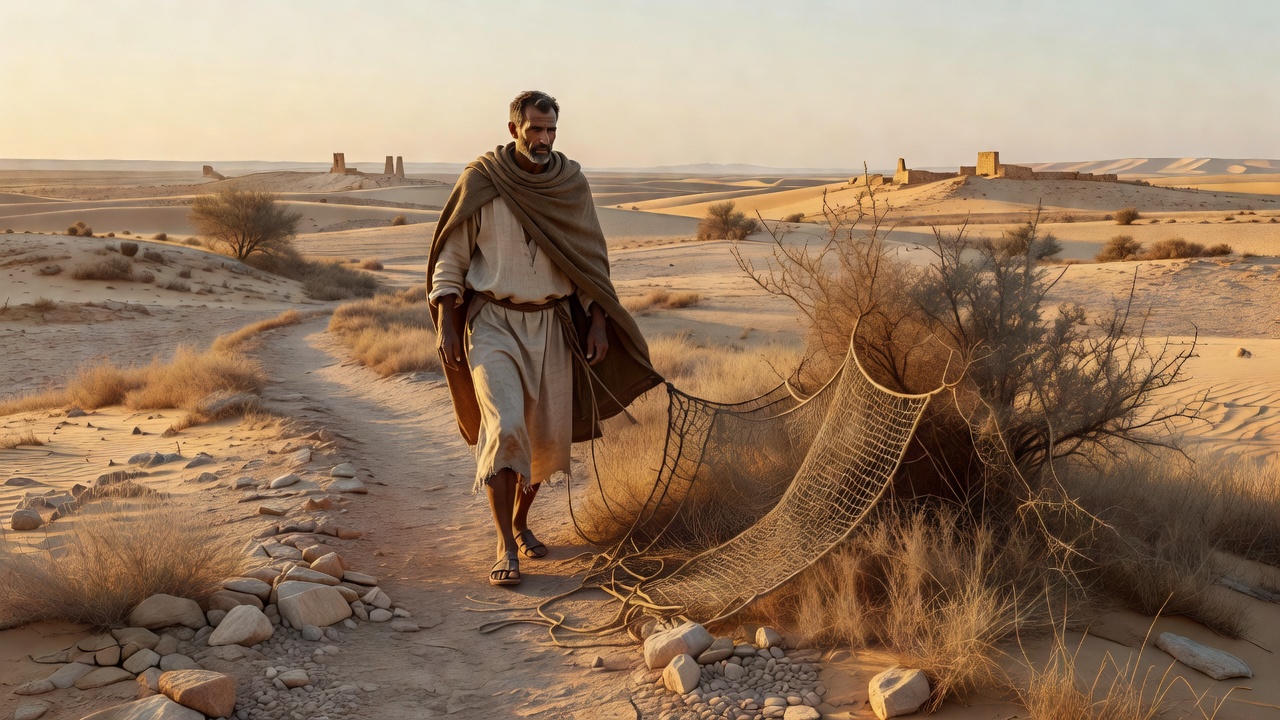
- The psalm uses vivid imagery from ancient hunting practices, depicting the schemes of the wicked as hidden snares, cords of a net spread along paths, and concealed lures (verses 4–5).Sources: the Bible text itself
- Destructive speech is compared to deadly venom, describing hostile plotters who sharpen their tongues like serpents and carry viper poison on their lips (verse 3).Sources: the Bible text itself
- Amid threats of ambush and conflict, the psalmist portrays God as a shield covering the warrior's head in the day of battle, and as a champion who upholds justice for the poor and needy (verses 7, 12).Sources: the Bible text itself
Notes written with AI assistance from open sources (Theographic Bible Metadata, CC BY-SA 4.0; Easton’s Bible Dictionary, public domain) and reviewed before publishing.
Credits and license for this translation
Habo nalolene bi gahenge lo winigo ogo
The Holy Bible with Deuterocanon in the Huli Language of Papua New Guinea
Buk Baibel long tokples Huli long Niugini
Copyright © 1983, 1991, 2002 Bible Society of Papua New Guinea
℗ Faith Comes by Hearing
Language: Huli
Translation by: Bible Society of Papua New Guinea
This translation is made available to you under the terms of the
Creative Commons Attribution-Noncommercial-No Derivatives license 4.0.
You may share and redistribute this Bible translation or extracts from it in any format, provided that:
You include the above copyright and source information.
You do not sell this work for a profit.
You do not change any of the words or punctuation of the Scriptures.
Pictures included with Scriptures and other documents on this site are licensed just for use with those Scriptures and documents.
For other uses, please contact the respective copyright owners.
2014-12-11
Source: http://png.bible/hui/ · eBible.org