Proverbs 9
Habo nalolene bi gahenge lo winigo ogo · Tap a verse to see its cross-references.
Mini bayale gigabi wuleneme wali agali olalu kago ogo
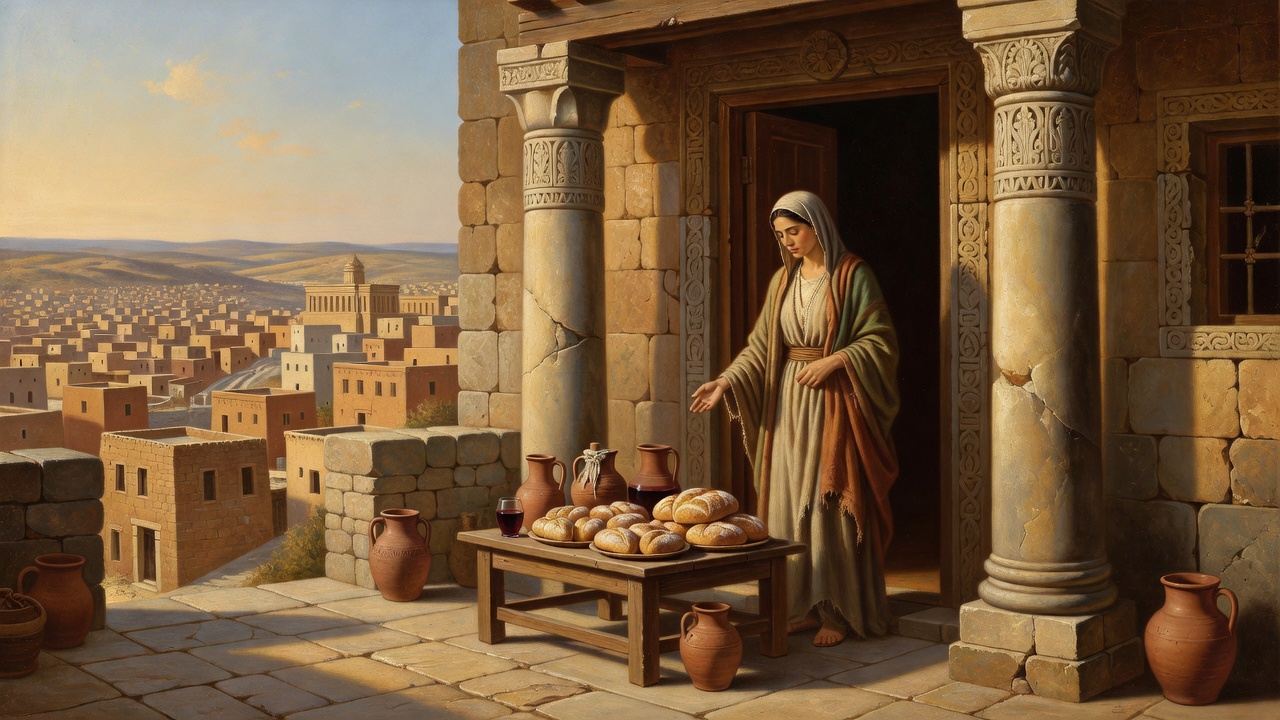
1Mini bayale gigabi wulene ibugua ibunaga anda mbira bu heleda. Anda ogoninaga gene karia baya hanguore bogo mbara laga buwa mo yári bia howa anda gene weda. 2Ibugua nogo mbira bo dawalu waini iba wiaruni mo dendebiore howa nga. Ani buwa tomo nalu birulene dagiaru bu manda manda buwa ngeleda. 3Ani bu ngelowa ibunaga biabe bia haga wandari biru wiaru uyuna tanoha dindi bare hombene wiarunaga pu howa ogodagua lalimu lalu lamiya. 4Wali agali mini timbuni nawi kamirubi lulu ale bu kamirubi bibahende mini bayale gigabi wulene andaga ibidaba. 5Tomo dawa ngogobi waini iba dendebi hambu ngogobi nole ibidaba. 6Mini nawi howa mana ko bialu kamiruni wahalu holene bayale yu hole mo ibidaba. Mini wulene hariga ngagoria anda ibalimu, laya lene.
Agali kiralinaga mana ogo
7Wali agali minehe balagala haga kagohondo ogonidagua nabibe lalu í̠na mo tiga biriyagua ti í̠hondo bi ko lalu ladai bulebira. Wali agali ko kago mo tiga biriyagua tigua í̠ balu í̠naga tingini mo ko holebira. 8Ani bulebirago mine halu balagala haga kago mo tiga nabibe. Ibugua í̠la waitigi ho haabo holebira. Anigo mbirali mini bayale gigabiwi kago mo tiga biriyagua ibugua í̠hondo turu ho holebira. 9Mbirali mini bayale gigabiwi kagohondo bi lamiriyagua ibuha mini bayale gigabiwi timbuniore holebira. Ani bialu mbirali mini tigabi kagohondo bi lariyagua ibunaga manda ngagoha mo tago holebere.
10Mini bayale gigabiwi holene hame lariyagua í̠ni ala Anduane Homogo andaneha holene nga. Anduane Homogo ibu bayale tigabiore kago í̠ manda bayale henene mo yu keyagua í̠ manda timbuniorewi kegoni. 11Mini bayale gigabi wulene yu kegome í̠ dindini mali dewaore howa hodagua holebere. 12Miniha í̠ mini bayale gigabi wulene yu hariyagua í̠ni mo bayale halu mini timbuni taraore yu holebere. Anigo í̠ manga halu hado wahene mbirago hariyagua nde mini mandala nawiore holebere.
Mini nawime wali agali olalu kago ogo
13Mini nawi howa biagane ngago wali mini nawime lulubi lagimbu bialu biagadagua biaga nga. 14Wali ko uruni aleme ibunaga anda harabanibi tano hanuni bare hombene ngagoria howa dagia ngagoriabi birigi biaga. 15Ani biruwa ibugua wali agali maru tinaga biabe biala heneruha pole harigani pugu biraru olowa ibidaba laga. Ani lowa ibugua tihondo lalu, 16Mini timbuni nawi kamirubi lulu ale kamirubi tí i̱ andaga ibidaba, laga. 17Ani lowa ibugua lalu, Iba mendealinaga hambu ngaria mo page binigo iba ogoni gagahe nolene dendebiore wulebira. Tomo mbiralinaga wialu pedago o howa mo kayu binigo ogoni dendebiore holebira, laga. 18Agali maru ibunaga bi hale hole ibiyaru ti wali biagonaga anda tamuha ko ngubiore homali ale ngu bialu kago nahende haga. Wali ogoni ibu bedaria agali maru ala penedarubi áyu pialu karubi homene dininiru pu hagaha pu kago ti manda nabi howa ibu bedaria piaga.
Did you know?
The Invitations of Wisdom and Folly
- Proverbs 9 contrasts two personified figures, Wisdom and Folly, who each present a rival banquet. Both women issue public invitations from the highest places of the city, appealing directly to the simple and those lacking judgment to make a choice between their paths.Sources: the Bible text itself
- The two feasts offer starkly different outcomes. Wisdom invites guests to a prepared house with seven carved pillars to eat her meat, drink mixed wine, and gain life, whereas Folly seductively offers stolen water and secret food, concealing that her guests end up in the depths of the grave.Sources: the Bible text itself
- The chapter highlights differing responses to instruction: correcting a mocker brings insult and hatred, whereas teaching a wise person increases their understanding. The foundation of true discernment is described as the fear of the LORD and the knowledge of the Holy One.Sources: the Bible text itself
Notes written with AI assistance from open sources (Theographic Bible Metadata, CC BY-SA 4.0; Easton’s Bible Dictionary, public domain) and reviewed before publishing.
Credits and license for this translation
Habo nalolene bi gahenge lo winigo ogo
The Holy Bible with Deuterocanon in the Huli Language of Papua New Guinea
Buk Baibel long tokples Huli long Niugini
Copyright © 1983, 1991, 2002 Bible Society of Papua New Guinea
℗ Faith Comes by Hearing
Language: Huli
Translation by: Bible Society of Papua New Guinea
This translation is made available to you under the terms of the
Creative Commons Attribution-Noncommercial-No Derivatives license 4.0.
You may share and redistribute this Bible translation or extracts from it in any format, provided that:
You include the above copyright and source information.
You do not sell this work for a profit.
You do not change any of the words or punctuation of the Scriptures.
Pictures included with Scriptures and other documents on this site are licensed just for use with those Scriptures and documents.
For other uses, please contact the respective copyright owners.
2014-12-11
Source: http://png.bible/hui/ · eBible.org