Proverbs 5
Habo nalolene bi gahenge lo winigo ogo · Tap a verse to see its cross-references.
Wali kayu bulene nawi lenego ogo
1I̱ igini-o i̱na bi larogo bayuwa hale habe. I̱na mini bayale gigabi wulenebi manda bulenebi í̠hondo ngule hame ledo. 2Ogonigo í̠na mana tigabi bialu howa í̠naga bi larego bibahende agali manda bayalewime laradagua bulebere. 3Wali mana ko biaga bedago ibugua í̠ haru pole lowa dimagoli bi dewa laabo haragome í̠naga bu bamulebirago de hondo habe. 4Í̠na ibunaga bi layago hale halu biriyagua mani handalu keria mbirale kaubi wiagagobibi ayu tibu alemebi í̠ nogoba haragola tandaga biraligobi bulebira. 5Wali ogonibigome í̠ haru halu homene dinini pu hagaha haru tagira polebira. 6Ibu haabo holenenaga hariga tigabi pedagoria napiaga beda. Ibu hariga ko pedagoha pialu haruda manda nabi howa pupebe dege biaga beda.
7I̱ igini-o ai i̱na bi larogo bayuwa hale halu embeda nahabe. 8Wali ogonibi bedagoria habagi howa kaundia habe. Ibu anda haneni ge bolanguabi heba nahabe. 9Í̠ mini bayale wirigo yu waholenego dege de hondo habe. Wali biagonaga anda haneni bolangua hariyagua agali ko karume í̠hondo dara naholebiraore ndobe. Í̠ igiri daliahe keore bo waholebira. 10Í̠naga mbirale biabe erekuibi bialu bayale mo wereru agali marume mo yalu pialu tinaga holebira. 11Waragome í̠ minaragola kuni hangu wulebere. Ani bialu homole wuwa dagiani paluwa dugu taraore bialu wulebere. 12Ani wuwa í̠na ogodagua lolebere. I̱ luluyu kogo i̱na mine halu agali marume i̱ mo tiga nabilarugoni irane aginagabe. 13I̱naga lawai hagame bi layago hale nahe tingi halu donge harugoni. 14Áyu i̱ wali agali bibahende deni ko hai kogoni, lalu lolebere.
15Í̠ agali mendealinaga iba uli ngagoha napobe. Agali mbirame iba uli ibuninaga ngagoha nalu hagadagua í̠ one mbiraore ogonila mandagi halu ibu hangu gubalini holene nga. 16Wali í̠ one ndoru baba waneigini hono wima ibaga biriyagua mani waneigini urunime í̠ biamogo nabulebira. Ani manda buwa í̠ onela hangu í̠naga waneigini hono wulene nga. 17Wali kayu dewa yalu waneigini hono wereruni wali biaru ti aria ho tago holebirago ani bulene nawi. 18Ngode Datagaliwabehanda í̠ oneore mo turu halu biamogo binigo beda. Í̠ one ibu í̠naga iba uli ale bedago í̠na ibuhondo turuho holene nga. 19Ibu bayaleore biruwa ibunaga mana bayaleore biragome í̠ mo turu helo. Ibugua í̠ gubalini hayago ogoninaga í̠na ibu mitangi bialu gubalini haabo habe. 20I̱ igini-o í̠na wali mendehondo gubalini holene irane aginagabe. Í̠na agali mende oneme bi laragome í̠naga mini daraga bilo kego aginagabe. 21Anduane Homogo ibugua mbirale bibahende í̠na beregoni manda biai halu í̠na hariga poregohabi handai haga ka. 22Agali mana ko biaga kagonaga mana ko biragome ibuni gono wiaga. Ibugua ko biyagome gono wiyagoha ibuni do wiaga. 23Agali ogonibi ibuninaga mini haru nahaga howa ibugua lulume biagadagua biaabo haragome ibuni bo homelaga.
Did you know?
Wisdom, Fidelity, and the Pitfalls of Seduction
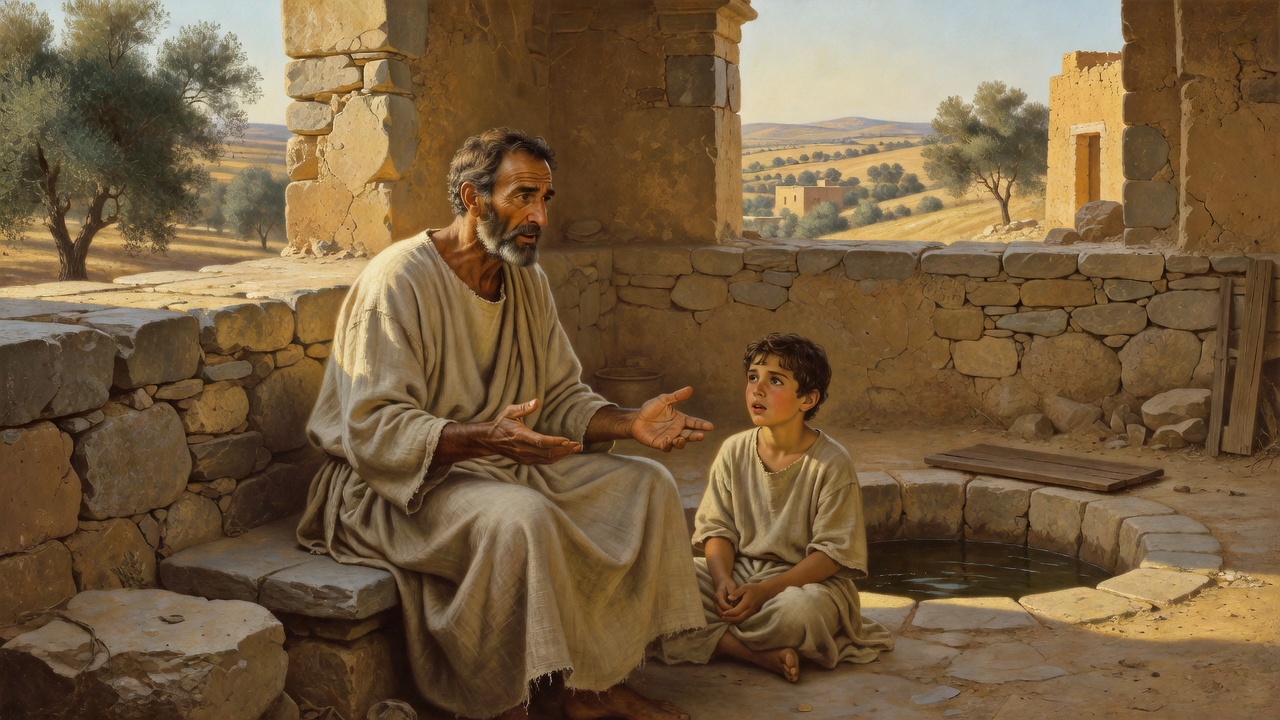
- The passage uses domestic water sources, such as a personal cistern and well, as metaphors for marital intimacy and fidelity. The father advises finding satisfaction at home rather than letting one's springs and streams scatter into public streets and squares.Sources: the Bible text itself
- Seductive speech is contrasted with its consequences: while its words are portrayed as sweet like honey and smooth like oil, the ultimate outcome is described as bitter like wormwood, piercing like a double-edged sword, and leading to death and Sheol.Sources: the Bible text itself
- The warning highlights both practical and spiritual costs of infidelity, from the loss of personal wealth and physical vigor to public disgrace before the community assembly, concluding that all human ways are examined by the LORD.Sources: the Bible text itself
Notes written with AI assistance from open sources (Theographic Bible Metadata, CC BY-SA 4.0; Easton’s Bible Dictionary, public domain) and reviewed before publishing.
Credits and license for this translation
Habo nalolene bi gahenge lo winigo ogo
The Holy Bible with Deuterocanon in the Huli Language of Papua New Guinea
Buk Baibel long tokples Huli long Niugini
Copyright © 1983, 1991, 2002 Bible Society of Papua New Guinea
℗ Faith Comes by Hearing
Language: Huli
Translation by: Bible Society of Papua New Guinea
This translation is made available to you under the terms of the
Creative Commons Attribution-Noncommercial-No Derivatives license 4.0.
You may share and redistribute this Bible translation or extracts from it in any format, provided that:
You include the above copyright and source information.
You do not sell this work for a profit.
You do not change any of the words or punctuation of the Scriptures.
Pictures included with Scriptures and other documents on this site are licensed just for use with those Scriptures and documents.
For other uses, please contact the respective copyright owners.
2014-12-11
Source: http://png.bible/hui/ · eBible.org