Numbers 30
Habo nalolene bi gahenge lo winigo ogo · Tap a verse to see its cross-references.
Wali agalime buleore lalu mana lowinigo ogo
1Mosesehanda Anduane Homogonaga bi uru agali haguane bu hearuhondo lamini. 2Ibugua lalu, Mbiralime ibunaga mbirale ngaru ale mbira Anduane Homogo muleore lalu lo winiyaguabi mbirale mbira nabuleore lalu bi hongohe lo winiyaguabi nde ibugua bule lalu lowiyago habo nale buleneore nga.
3Wandari mabuage mbira ibu ai̱ya aba andaga biraga biruwa ibugua mbirale mbira Anduane Homogo muleore lalu bi lo wiyaguabi mbirale mbira nabuleore lalu lowiyaguabi ogoni bayaleore mbira bulebira. 4Wandari ogoni ibugua mbirale mbira bule lalu lo wiyadagua bulene nga. Ani bulene ngagoyu ibu abahanda wandari biagonaga bi lowiyago hale howa ani bulene nawi manda biya. 5Ani manda buwa ibu abahanda wandari biagohondo, Buleore lalu lowirigo nabibe, layagua nde wandari biagome lowiyago waholene karulape nga. Ibugua ogo bule lalu bi lowiyago ibuni wahayago ndo ibu abahanda mo wahaya. Anidagua biyagome wandari ogoni biyagonaga Anduane Homogohanda domo waholebira.
6Wandari mbira agali nape hibaria biruwa ibunaga minime ogoaleore berogoni lo mitangi bialu mbirale mbira nabuleore lalu bi lo wialubi bame dege lope howa buleore lalu lowiyaguabi layadagua bulene nga. Mani ibu agali piyagua ibu agalinime ibunaga bi lowiyadago hale howa nakarulapego manda buwa 8ibu agalini haragome wali ogoni ibunaga bi lowirago nabi wahabe layagua nde waholene karulape. Ani wahayagonaga ko ngago Anduane Homogohanda domo waholebira.
9Wali mbira ibu agalini homene dalo bereneyaguabi ibu agalinime wahene bereneyaguabi ibugua mbirale mbira buleore lalu bi lowiyaguabi mbirale mbira nabuleore lalu lowiyaguabi lo wiyadagua biai holebira.
10Wali mbira ibu agali one biruwa ibugua mbirale mbira buleore lalu bi lowiyagua nde ogoni bayaleore. 11Ibugua bi lowiyadagua biaiore holene nga. Ani lo wiyago hale howa ibu agalini ibugua wali ogonime lowiyago bayale ndo manda buwa 12ibugua bi lowirangiore mo wahalu nabibe layagua nde wali biagome bule lalu lowiyago nabi waholebira. Anidagua biragonaga ko ngago ibunime ndo ibu agalinime mo wahayagome Anduane Homogohanda domo waholebira. 13Wali ogoni ibugua bi lowiyago nabilo lalu ibu agalinime dege lolebira. 14Anigo ibu agalinime wali biagohondo bi lowiyago waha nale hayagua nde horo mendengi wali biago ibugua bule lalu lowiyago layadagua bulebira. Ani bialu kagola nde ibu agalini biagome bi mbira nale hayago mitangi bialu ibu oneme bule lalu lowiyaruni talialu biaiore helonaga ibu one mo hongo haradagua bulebira. 15Anigo wali biago ibu bule lalu bi lowiyago bialu karia ibu agalinime nabule lalu layagua nde wali biago ibu bule layago waharagome ko bini nga. Ko ogoni wali biago ibunime bero lalu bini ndo agali biago ibugua mo bia hene ngagome ibuni pani nolene wulebira, lene.
16Mbirale mbira bule lalu lowinigo bulenenaga mana ogoni Anduane Homogohanda Mosesehondo bi lamini. Bi ogoale buleore lalu wali agali one bedarumebi wali hibaria berene bedarumebi wandari mabuage ibu ai̱ya aba andaga berene bedarumebi lo wulenenaga mana ogoni.
Did you know?
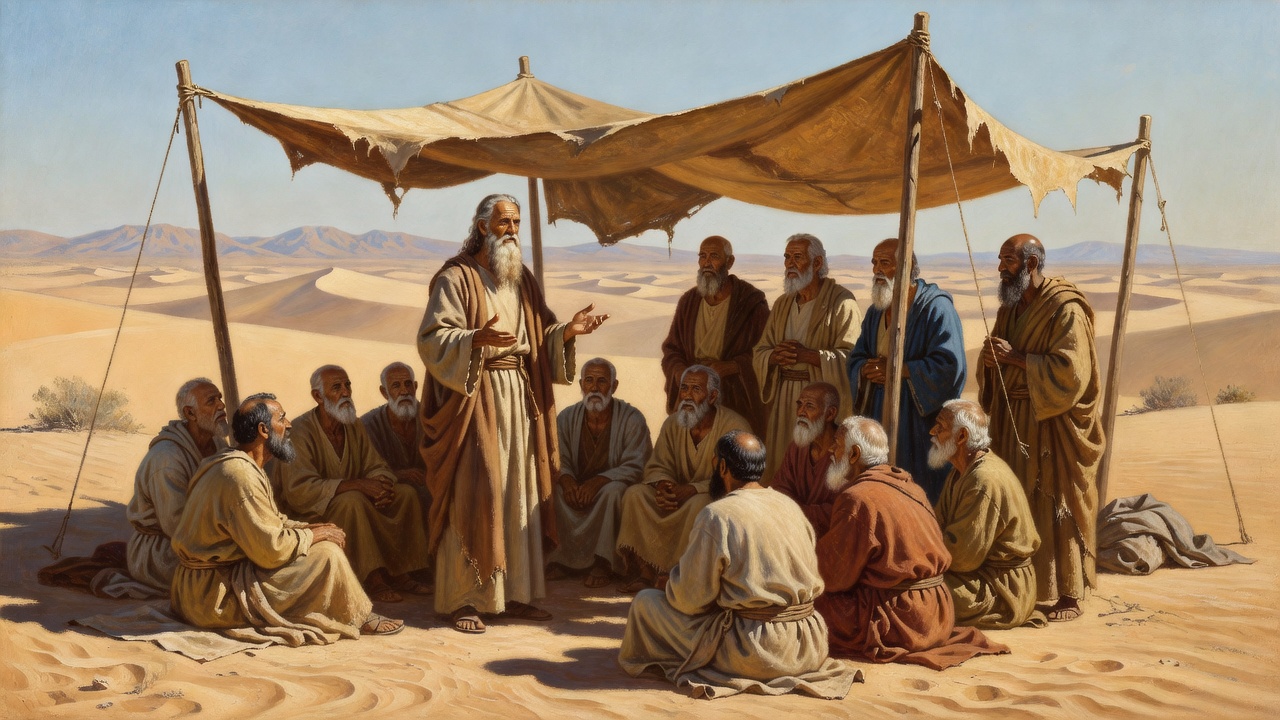
Laws Concerning Vows and Pledges
- Moses delivered these regulations specifically to the heads of the tribes of Israel. Under these statutes, an adult man was unconditionally bound to keep any vow, oath, or obligation he made to the Lord without breaking his word.Sources: the Bible text itself
- A father or husband had the legal right to confirm or nullify a vow made by an unmarried daughter in his household or by his wife. If the head of the household voiced no objection on the day he heard about the vow, it remained valid; if he prohibited it immediately, the woman was absolved.Sources: the Bible text itself
- The law treated widows and divorced women differently from dependents in a father's or husband's household. Any vow or pledge made by a widow or a divorced woman was entirely binding upon her, with no male authority able to void it.Sources: the Bible text itself
Notes written with AI assistance from open sources (Theographic Bible Metadata, CC BY-SA 4.0; Easton’s Bible Dictionary, public domain) and reviewed before publishing.
Credits and license for this translation
Habo nalolene bi gahenge lo winigo ogo
The Holy Bible with Deuterocanon in the Huli Language of Papua New Guinea
Buk Baibel long tokples Huli long Niugini
Copyright © 1983, 1991, 2002 Bible Society of Papua New Guinea
℗ Faith Comes by Hearing
Language: Huli
Translation by: Bible Society of Papua New Guinea
This translation is made available to you under the terms of the
Creative Commons Attribution-Noncommercial-No Derivatives license 4.0.
You may share and redistribute this Bible translation or extracts from it in any format, provided that:
You include the above copyright and source information.
You do not sell this work for a profit.
You do not change any of the words or punctuation of the Scriptures.
Pictures included with Scriptures and other documents on this site are licensed just for use with those Scriptures and documents.
For other uses, please contact the respective copyright owners.
2014-12-11
Source: http://png.bible/hui/ · eBible.org