Nahum 3
Habo nalolene bi gahenge lo winigo ogo · Tap a verse to see its cross-references.
1Niniba wali agalime ke̱ taraore halu wali agali homelo bo wahaga ka.
Wali agalinaga dabudabu bayale tara tara wiaru mo yalu ibuwa tinaga tanoha wu to̱ ka.
Anidagua bu kagonaga Anduane Homogohanda wali agali uruni bo wahaiore holebira.
2Nogo hosi bo daila haragola tibu tolia lalu nogo hosi gerai laragola ge ngilinguli lalubi wai biaga karisinaga ge harigani kilinge̱le̱ lama ibaruagobi hale hadaba.
3Wai biaga ami agaliru nogo hosini biralu gerai ibiragola tinaga wai biaga ayu tibu yandareru iba wa̱i̱ ale ngiringaraleda.
Ani bialu tigua wali agali dagalabe nahe dewaore bo wahai hayagola homenerunaga tingini mo mogo buwa alugumu wiyagola dagalabe naheore wiya.
Agali tigua pialu howa homene tingini wiaru hengedalu pugu biya.
4Niniba tano ogoni ibu bayanda wali ale winigo ibugua mana ko biyagonaga pani mo ko holene timbuniore mo yu anda ibiya.
Ibunaga dengui baya taraore biruwa ibugua agali tara tara bu karunaga bu mini ibuha ibilo ba mulenaga ndole tara tara bialu biragaya.
Ibugua mana urunibi bialu wali agali dewaore ibu daluha haru íbu to̱lai howa wali agali kayu yalu ibunaga garabaya biabe ale bialu helaga ka.
5Anduane Homogo Hongo Haiheore kago ibugua lalu,
Niniba-o i̱na í̠ mo ko halu minu bolebero.
Bayanda wali-o í̠naga aga bideruni bibahende minu golo wahai harogola í̠ tibabe birulebere.
Hameigini dindi tara taraha bu karume í̠ aga nabi tibabe bederia handaya haragola taga timbuniore ho birulebere.
6I̱na í̠ handabe manga howa mbirale ko ngubi ngarume í̠ bu dambi ho ngelolebero.
Ani berogola wali agali dindi tara tarani bu karume í̠ de hondowa ti mogo lalu gi timbuni holebira.
7Maru í̠ de handararume ti mogo lalu tiga bebege dai bulebira.
Ani dai buwa tigua lalu, De handadaba.
Niniba biago mo ko hai hayada.
Mbiralime ibu dara nahayada.
Mbiralime ibunaga bu mini mo palia halu bi lolenebi naheda, lolebira.
8Niniba-o í̠na manda bu handalu keria í̠ mini lene timbuniore Iyibi dindiha tano timbuni mini lene Tebese wiyago bolangua hene ngobe toba kebe. Tano ogoni ibubi nde ibunaga tigi pabe iba timbuni Naili peda. 9Tebese tano ogonime Iyibi dindi bibahende handameho howa Sudana dindibi ibugua dege handameho henego. Ani heagola dindi mendeha ibunaga waitigi hearume ibunaga hongo bope habe naheore wini. Ani wiagola dindi mende Libia paleagola libu mo mbiraore halu wai tagira piaga hene. 10Ani henego horo mbirungi ibunaga waitigime ibuwa Tebese tanoha wali agali hearu bope howa tinaga garabaya biabe bialu helo haru halu piai hene. Tinaga waneigini bu hearu hariga gebage wiaru bibahendeni bo payapaya bini wiaria hendene. Ani bialu tinaga waitigime Tebesenaga agali haguane hearu pu senime minu hende howa waitigi tini talebu tahalu tinaga garabaya biabe bialu helo haru halu piai hene.
11Niniba-o tíbi nde lulu iba nowa luluyu haradagua bialu Iyibi wali agali biyadagua biai holebira. Tinaga mini mo lingilungu bia haragola tíni dindini odopebe biai holeberami. Ani bialu tí waitigiru helalu ibida pole manda buleberemi. 12Ani poramigola ti waitigi ibiragome tano ngamigo hinahe abale karulolebira. Tínaga tano ngamiruni ira lini ibire daradagua bidago. Ai tí waitigime ira iraneni howa yu ema biragola ira lini ibirego damene dogolope haradagua biragola ira teneha ne ha̱la ho ngagoha dogolope haradagua bialu tigua tano ogoni karulai holebira. 13Tínaga ami agali bu karu ti bame wali ale dege kagome hongo halu wai biadai nabulebira. Tinaga wai pabenaga panga irame bengena baga hongohe kago do taga laragola tanonaga panga dugua holebira. 14Niniba wali agaliru-o tí waitigime tano ho hagira bule ibulebiragonaga manda manda bialu iba nalu hole tanoha iba dadabu yalu anda ibilelalimu. Gade dindi dugu puwa ege timeni wabulenaga geme hengedo waru howa timeni wabiaga mbogoyi ngagoha ngelalimu. Ani bialu ege timeni ogonime tanonaga ege pabe kago arema bilimu. 15Anigo tigua uruni beremigolabi mbirale urunime tí biamogo bialu mo wia nabulebira. Waitigime ibalu tínaga tanobi tíni heba irame bo heda haragola homai holeberami. Bamba tí dewaore pagaya ale tidiyu biragadagua tidiyu harimigoni. Ani birimigo ai pagaya aleme datani karu nai hagadagua waitigirume tí bo wahai holebira.
16Ani howa tínaga biyinaya dewaore dagalabe nahe harini yakundi bu kagobi wirimi. Anigo áyu tínaga biyinaya uruni pagaya harane howa yagalalu purogo laralidagua pu ereba hai haya. 17Tínaga agali haguane hayaru ti dagare biaga horo tagira ibirangi wai pabe andaneha pagaya bira do hagadagua bira do ka. Ani binigo ai ni daragola pagaya uruni ti yagalalu agoha piyabe tobahe pugupugu bialu pu ereba hai hagadagua piya.
18Asirianaga kini kego í̠na bi ogo hale habe. Í̠naga agali haguane biarubi agali timbuni hayarubi bibahende homai henego tinaga tingini bu payapaya bidagoni. Í̠ waitigi biarume í̠naga wali agali biaru bibahende hari wiaruha bo purogo lai helayago ai uruni lone mo mogo bialu haru dai bulene mbirali naheoreda. 19Í̠naga dere bu keruni dabi helo ha̱i̱ holene marasinibi mbira nawioreda. Abale í̠na agali maruhondo mana ko bialu harigola ti ibida pobe nahe hayago. Ai áyu í̠ mo ko hene ke laga biyaru hale howa ti turu halu gi habe balu holebira, Anduane Homogohanda laya lalu Nahumuhanda lene.
Did you know?
The Inevitable Fall of Nineveh
- Nahum warns Nineveh by pointing to the fall of Thebes, a great city protected by the waters of the Nile and allied with Cush, Egypt, and Put. Despite its formidable natural water defenses and regional alliances, Thebes was conquered and its nobles were carried into captivity.Sources: the Bible text itself · Thebes · Cush · Put
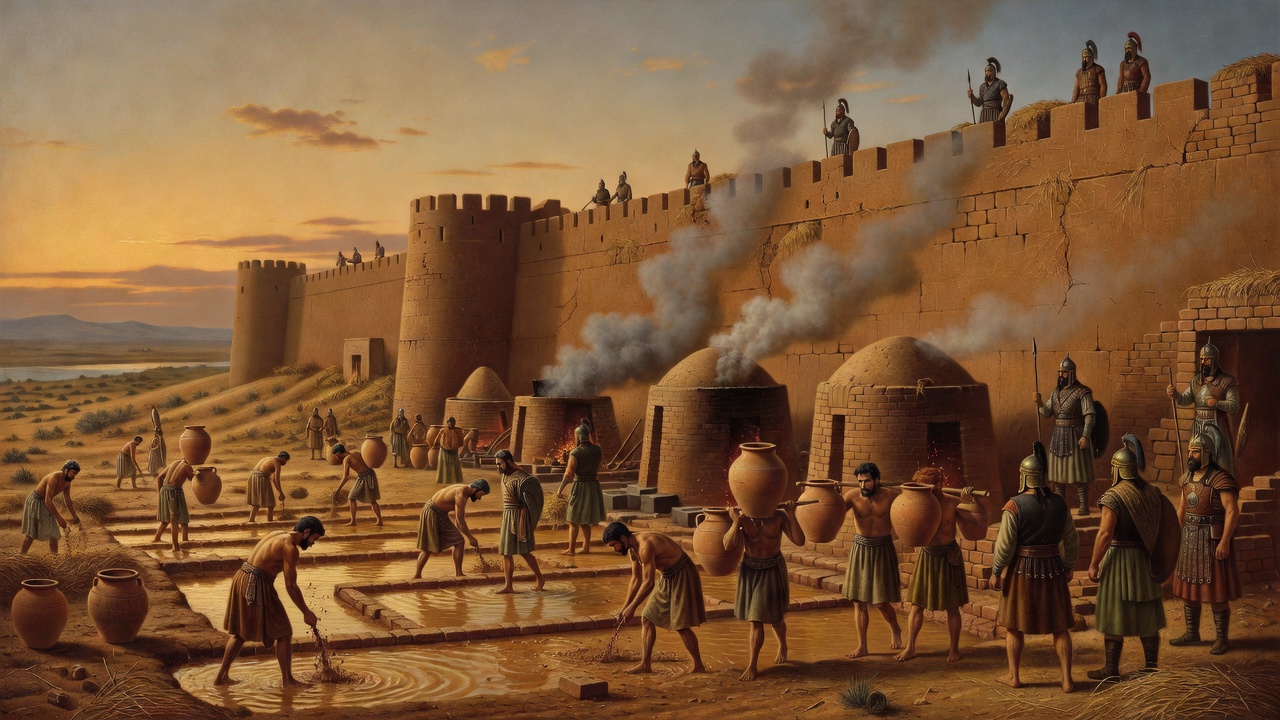
- The prophet mockingly commands Nineveh to prepare for siege by drawing water, working clay, and treading mortar to reinforce its mud-brick fortifications. Even with these extensive preparations, the text proclaims that fire and the sword would consume the city.Sources: the Bible text itself
- Nahum compares Nineveh's guards and officials to swarming locusts that cluster on stone walls on a cold day. As soon as the sun rises, the swarms fly away and vanish, illustrating how quickly Assyria's leadership and defenders would scatter and disappear.Sources: the Bible text itself
Notes written with AI assistance from open sources (Theographic Bible Metadata, CC BY-SA 4.0; Easton’s Bible Dictionary, public domain) and reviewed before publishing.
Places in this chapter
- Nineveh · 36.359, 43.153 · verses 1, 4, 7, 11
- Nile · Today: Nile River · 31.465, 30.367 · verse 8
- Thebes · 25.721, 32.610 · verses 8, 10
- Cush · Today: Cush 1 · 16.935, 33.751 · verse 9
- Egypt · 30.129, 31.308 · verse 9
- Libya · 32.821, 21.851 · verse 9
- Assyria · 36.359, 43.153 · verse 18
Only places identified with high confidence are shown (90% or more according to the scholarly sources compiled by OpenBible). Period map: DARE (Digital Atlas of the Roman Empire), CC BY 4.0; modern map: © OpenStreetMap contributors; places: OpenBible.info (CC BY 4.0).
Credits and license for this translation
Habo nalolene bi gahenge lo winigo ogo
The Holy Bible with Deuterocanon in the Huli Language of Papua New Guinea
Buk Baibel long tokples Huli long Niugini
Copyright © 1983, 1991, 2002 Bible Society of Papua New Guinea
℗ Faith Comes by Hearing
Language: Huli
Translation by: Bible Society of Papua New Guinea
This translation is made available to you under the terms of the
Creative Commons Attribution-Noncommercial-No Derivatives license 4.0.
You may share and redistribute this Bible translation or extracts from it in any format, provided that:
You include the above copyright and source information.
You do not sell this work for a profit.
You do not change any of the words or punctuation of the Scriptures.
Pictures included with Scriptures and other documents on this site are licensed just for use with those Scriptures and documents.
For other uses, please contact the respective copyright owners.
2014-12-11
Source: http://png.bible/hui/ · eBible.org