Jonah 4
Habo nalolene bi gahenge lo winigo ogo · Tap a verse to see its cross-references.
Yonahanda keba holenebi Ngode Datagaliwabenaga dara howa biamogo bulenebi winigo ogo
1Ani biyago hondowa Yonahanda bu miniha genda timbuni howa keba holene tagira ibini. 2Ani biyagola ibugua Anduane Homogohondo bi agua lamini. Anduane Homogo-o i̱na abale pigane andaga yu wahalu nape howa í̠na ogonidaguaore bulebere ndo laruyabe, lene. Ogonidaguaore bulebere manda buwa i̱na Sebena dindi ibida pora bialu pole lowa pialu haruyagoni. I̱na manda bialu hewaria í̠ Ngode Datagaliwabe gubalini holenebi dara howa biamogo bulenebi to̱lo tagihe harigo manda biru. Ani bialu horo bibahendengi keba abale nahe howa bayale dege bialu horo bibahendengi mini wiadai bialu pani namule birili. 3Áyu Anduane Homogo-o i̱ homoliya waharene. I̱ ha ndo homaruyagua nde haru, lene.
4Anduane Homogohanda ibuhondo ladai bialu lalu, Í̠na keba haregoni í̠ ai howa keba harebe, lene.
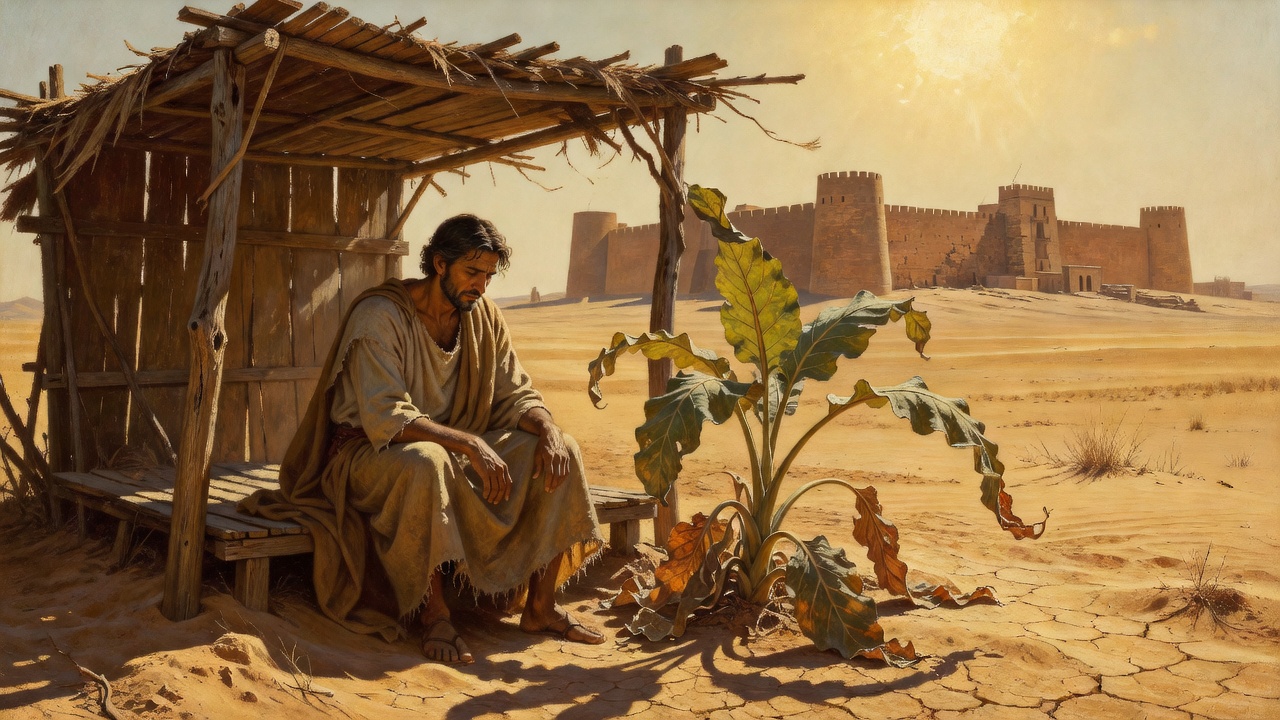
5Ani laya handala Yona ibu uyu ni tagira ibiyagohayagi dindi timbuni biago yu wahalu pu tagi howa bira do hene. Ibu Niniba dindini agi birabe hondo birule lowa ibugua andira ale emene mbira abale buwa berene. 6Ani buwa berearia Anduane Homogohanda ma tumbu ale mbira Yona ibu andane gumbaha turu howa berelo lowa andaho daga helene. Yonahanda aguani biyago hondowa turu howa ka̱i̱ timbuni lo wini. Anduane Homogohanda ma tumbu ale Yona ibu andane gumbaha turu howa berelo lowa andaho daga helene.|src="LEAR 017.tif" size="2" ref="(4.6)" 7Ani biaria horo mendengi egerabagiore egabi lole muna biyagola Ngode Datagaliwabehanda tonge mbirahondo, Ma tumbu ale o kagoni no podo peha, layagola no podope halu gaulene. 8Ai ni tagira ibalu dayagola Ngode Datagaliwabehanda puyabu poboyogobiore mbira uyu ni tagira ibiyagoha howa ibilene. Ani biyagola ogonime Yonanaga haguaneni tandagabigome daba hayagola Yona odo ibira hole bini. Ani biyagola ibugua lalu, Homolene karulape. I̱ ha ndo homaore biruyagua karulapeda, lene.
9Anigo Ngode Datagaliwabehanda ibuhondo lalu, Ma tumbu ale ogoninaga í̠na keba holene nawigoria keba harebe, lene.
Yonahanda ladai bialu lalu, I̱na keba holene irane dewa ngane hondowa keba harogo keba halu homolene haru, lene.
10Anduane Homogohanda Yonahondo lalu, Ma tumbu ale anda hayago mbi mbirani hangu anda halu mbi mendeni ereba hayago í̠na ogoninaga mbirale mbira nabigo, lene. Ani bialu í̠na mo anda henebi ndo biagoria í̠ dara bame aginaga harebe, lene. 11Dara ogoni emene lowa dara timbuniore i̱na Niniba wali agali dindi timbuni karunaga agua holobodabe, lene. Maniore handalu hewaria dindi ogoriani wali agali daosini dege handari mbirani mendegonaga pira kira (120,000) agima nira lowa bolangua howaore waneiginiru tinaga gi tiga ogo gi le ogo lowa bayuwa manda nabi lowa tibi nogo damenerubi dindi ogoriani kagoni, lene.
Did you know?
Jonah's Anger and God's Compassion
- Jonah admits that he originally attempted to flee toward Tarshish precisely because he knew God is gracious, compassionate, slow to anger, and relents from sending disaster. His distress arose when God chose to spare Nineveh rather than destroy it.Sources: the Bible text itself · Tarshish
- Nineveh, the flourishing capital of the Assyrian empire, is described at the conclusion of the book as home to more than 120,000 people who cannot discern between their right and left hand, along with many cattle. God highlights this massive population to contrast divine compassion with Jonah's concern for a single withered plant.Sources: the Bible text itself · Nineveh
Notes written with AI assistance from open sources (Theographic Bible Metadata, CC BY-SA 4.0; Easton’s Bible Dictionary, public domain) and reviewed before publishing.
Places in this chapter
- Nineveh · 36.359, 43.153 · verse 11
Only places identified with high confidence are shown (90% or more according to the scholarly sources compiled by OpenBible). Period map: DARE (Digital Atlas of the Roman Empire), CC BY 4.0; modern map: © OpenStreetMap contributors; places: OpenBible.info (CC BY 4.0).
Credits and license for this translation
Habo nalolene bi gahenge lo winigo ogo
The Holy Bible with Deuterocanon in the Huli Language of Papua New Guinea
Buk Baibel long tokples Huli long Niugini
Copyright © 1983, 1991, 2002 Bible Society of Papua New Guinea
℗ Faith Comes by Hearing
Language: Huli
Translation by: Bible Society of Papua New Guinea
This translation is made available to you under the terms of the
Creative Commons Attribution-Noncommercial-No Derivatives license 4.0.
You may share and redistribute this Bible translation or extracts from it in any format, provided that:
You include the above copyright and source information.
You do not sell this work for a profit.
You do not change any of the words or punctuation of the Scriptures.
Pictures included with Scriptures and other documents on this site are licensed just for use with those Scriptures and documents.
For other uses, please contact the respective copyright owners.
2014-12-11
Source: http://png.bible/hui/ · eBible.org