Job 8
Habo nalolene bi gahenge lo winigo ogo · Tap a verse to see its cross-references.
Agali ko biaga karu dindini lu naholebira lenego ogo
1Yobohanda bi lai heagola Sua dindiha howa agali mbira mini Bilidada heago ibugua lalu, 2Í̠na bi lalu keruni mini nawi howa larego puyabu pu laradagua laabo halu kegoni ndobe. Mana ogoni angi waholeberebe. 3Ngode Datagaliwabe Hongo Haiheore kago ibugua ibunaga mana bayale tigabi bialu haga ngago lone mo iriari bialu ina mo hondo nahaga ka. Horo bibahendengi ibugua mana bayale tigabi dege biaabo haga kagoni. 4Í̠naga waneigini bu hearume Ngode Datagaliwabe deni howa mana ko mbira biyago hondowa ibugua ko biyagonaga pani nelo miyada. 5Ani binigo ai í̠na Ngode Datagaliwabe Hongo Haiheore kagohondo i̱ biamogo bia lalu holene nga. 6Í̠ agali tigabiore howa Ngode Datagaliwabe deni í̠ha ko mbira nawi keyagua nde ibugua í̠ biamogo bule ibulebira. Ala í̠ni andagani bayale hariligobi habelo biamogo bulebira. 7Í̠naga mbirale bayale dewa yu harigo ereba hayaru emene nira dege lowa ibugua uruni bolangua howa dewaore yu habelo ngulebira. 8Í̠na agali ala halu homeneru ti mini gigabi wu henerunaga tene baya hangu goaru handalu mamali henerunaga manda bu heneru mo tale bu handabe.
9Ina wali agali dindi ogoriani tigi mandi hangu howa inanaga manda emene ko dege ngama. Egerebagi ni daragola munini dindini hagadagua halu abaleore ereba hagadagua inabi ereba haga kama. 10Agali ala heneyaru ti mini gigabi timbuniwi heneya. Ani heneyago manda bialu í̠na mini manda bayale uruni ina mamalime manda bu heneyago mitangibu dai bibe.
11Tigua bi maru ogodagua laga. Iba nabere ngagoria tola damberu anda nahaga. Uruni iba bedagoha dege bayale anda hai haga. 12Anigo ai iba bedago hundiyagua nde tola dambe uruni agalime gandu lalu mbirale galone mbira bibe nahe holebira. Ti wene emene dege kangi gabu halu ereba hayago. Datani maru karu ti tola dambe uruni gabu haradagua nahaga ka. 13Mbirali Ngode Datagaliwabe erembira mialu piaga kago ibu tola damberu iba nabereni hagagobi ka. Agali uruni ale kago ibu Ngode Datagaliwabe embedaho wahayago ai mbiralihondo dunubia holene nahedago homolene harigani pialu haga ka. 14Tinime inane hangu howa bayale holeberema lo manda bu haga ka. Anigo tigua yu tiga ogonidagua bu kago habo laga. Ti lulu mini nawiore mbira ona howa gamuni anda kago gibu yalu irigi haradagua bialu kago ai gamuni andadago abaleore tongo laragola agali ogoni mo ko howa pilope holebira. 16Agali urunibi ti mabuha datani hongohe kaligobi hayagoni. Ti bayale anda halu tinaga pini mabuha dindi bayale wiagoha purogo laga. 17Uruninaga pini ege to̱le̱ ngaruha anda pialu mabubu hinigi bidagola duguabe nahe hongohe haga. 18Anigo mbiralime datani ogoni ale dugu waharagola mani ho aribia hararume datani hongohe mbira ogoriani heneda lo manda nabulebira. 19Anigo mbirali Ngode Datagaliwabe erembira miaga karu ti turu hagabu holene henge emene tigimandi hangu ngelo ka. Tini homarangi mendealime dindi ibu henedagoria ho aribia holebira.
20Mbiralime Ngode Datagaliwabehondo mini bilina haabo ho kayagua ibugua o biago embeda ho wahalu napolebira. Mbirali ibu mana ko ngaru bialu haga kayagua nde Ngode Datagaliwabehanda ogoni ibu erembira mialu biamogo nabulebira. 21Yobo-o hale ha. Ngode Datagaliwabehanda í̠naga mana bayaledane hondowa í̠naga bu miniha mo palia haragola í̠na turu howa oba halu ga̱lalu holebereda. 22Ani bulebiragoyu ibugua agali maru í̠ handabe manga haga karu bo hengedape haragola ti taga tene handalu holobada. Ko biaga karu tinaga mbirale wu karu heba homalu ereba hai holobada, lalu Bilidadahanda lene.
Did you know?
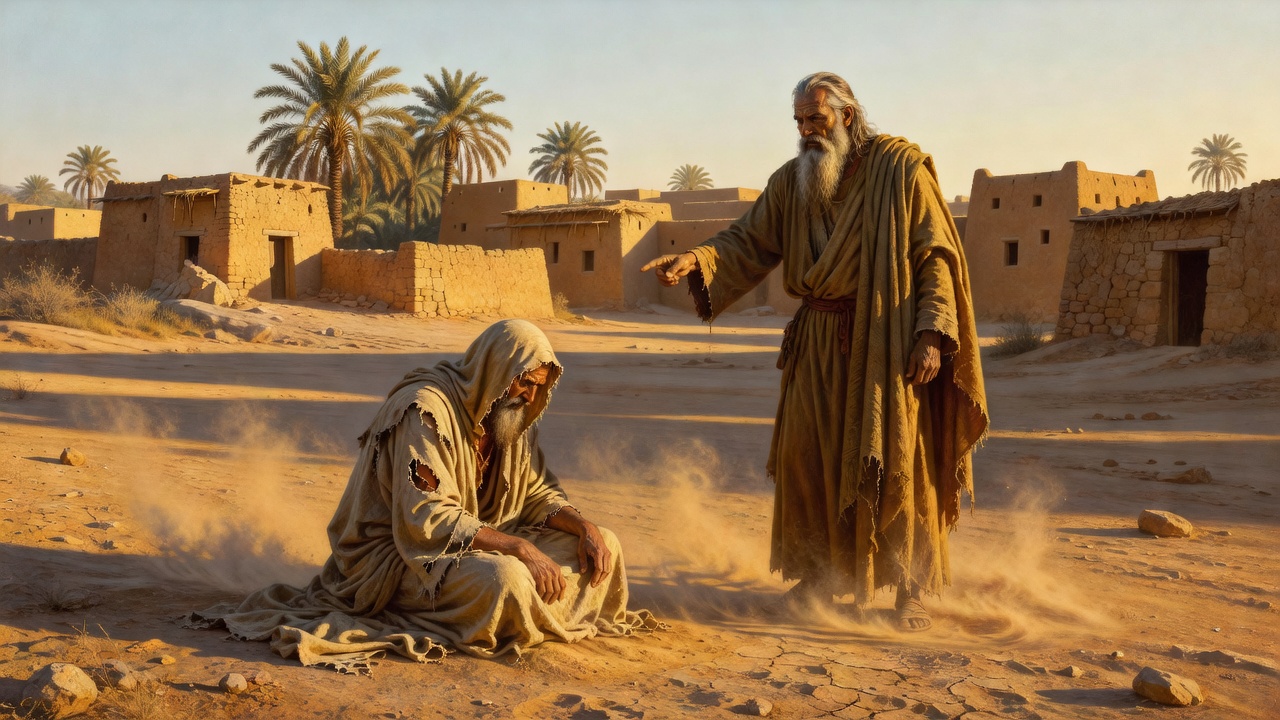
Bildad’s Appeal to Ancient Wisdom
- Bildad is identified as a Shuhite, which likely associates him with Shuah, an Arabian region settled by the descendants of Abraham and Keturah. In this chapter, he delivers the first of his three stern speeches to Job, maintaining that divine justice is absolute and unwavering.Sources: Bildad · the Bible text itself
- Rather than relying on personal experience, Bildad appeals to the accumulated knowledge of ancestral generations, describing human life as brief as a shadow. To argue that the wicked inevitably fall, he uses natural metaphors of marsh reeds withering without water and the fragility of a spider's web.Sources: the Bible text itself
Notes written with AI assistance from open sources (Theographic Bible Metadata, CC BY-SA 4.0; Easton’s Bible Dictionary, public domain) and reviewed before publishing.
Credits and license for this translation
Habo nalolene bi gahenge lo winigo ogo
The Holy Bible with Deuterocanon in the Huli Language of Papua New Guinea
Buk Baibel long tokples Huli long Niugini
Copyright © 1983, 1991, 2002 Bible Society of Papua New Guinea
℗ Faith Comes by Hearing
Language: Huli
Translation by: Bible Society of Papua New Guinea
This translation is made available to you under the terms of the
Creative Commons Attribution-Noncommercial-No Derivatives license 4.0.
You may share and redistribute this Bible translation or extracts from it in any format, provided that:
You include the above copyright and source information.
You do not sell this work for a profit.
You do not change any of the words or punctuation of the Scriptures.
Pictures included with Scriptures and other documents on this site are licensed just for use with those Scriptures and documents.
For other uses, please contact the respective copyright owners.
2014-12-11
Source: http://png.bible/hui/ · eBible.org