Job 18
Habo nalolene bi gahenge lo winigo ogo · Tap a verse to see its cross-references.
Ngode Datagaliwabehanda agali ko biaga karu pani nelo miaga kago lenego ogo
1Yobohanda bi lai hayagola agali Suha dindiha howa ibini Bilidada ibugua lalu, 2Yobo í̠na bi nale ne hariga ndibulo angi birulebe. Í̠na minime mitangi ala buwa bi lariyagua nde iname í̠ baba bi loleberema. 3Ina manda nawi nogo bulumaga aleda lo manda berego agi. 4Í̠naga miniha keba holene ngelo bedegome í̠ni mo ko haregoni ndobe. Yobo í̠na agua manda bide. Í̠na manda bu handalu keria Ngode Datagaliwabe ibugua ibunaga mana biaga ngago wahalu í̠na hameledego hangu bilo hameledebe. Ibugua mbirali ko biragonaga pani nelo mialu genda mo miaga ngago ibunaga mana ogoni mo aribia naholebira. Ibugua mbirale bibahende wabiai howa dindini heledaruni mo wahalu dindi dege ngelo karulapedabe. Ibugua dindi hari wedaru he̱la amu howa dindi hangu ngelolene ngabe. Anidagua nabulebira ndobe. 5Agali ko biaga karu ti ira hale lamu hundia hagadagua Ngode Datagaliwabehanda uruni ti mo hundia hai holebira. Ti lone nadolebira. 6Anidagua biragola maru karume ko biaga uruni andagaha hale lamu dowa wá ho ngaria nahondolebira. 7Agali ko biaga uruniale karume tini ala hongo howa ibaga bu hayago ai áyu genda yu halu ma podope halu hendeore ibaga bu hagaya. Tigua agali mende kago ko bilonaga lo manda bu hayagome tiniha dai bialu tini mo ko hagaya. 8Agali ko biaga urunime uliha niao̱ wa ngagoria gabua minagadagua tigua ko biragome tini minaga. 9Gono ngagoha nogo egaru dedaligobi agali ko biaga uruni tinaga ge do wiaabo haga. 10Ti hariga poragoha agalime ega yari ge gono ngagoha do ngaligobi wulebira. 11Mbirale mo gi holene tara tara ti ibagabu kagoha ibai halu talima ibaga biaga.
12Bamba agali ko biagaru ti homogo karulape henego áyu tiha tubagi hai halu yagibano ka. Ai ko holeneme ti poragoha mo ko hole manda manda bida. 13Homolenenaga warago nahendene ko tara mbira agali ko uruni tiha anda ibalu tinaga gi ge tinginiru mo ko halu homelolebira. 14Agali ko biaga ibugua manda bialu ibunaga anda munirume ibu holene mo bayale hene holeberobe tobaho karia dege ibu homolebira. Ibu homenerunaga andaha wali agali mo homa haga karia puwa ogoni ibu baba holebira. 15Ibu ani homedagola mani ibu waneigini damenerubi ibu aria lenego mbira howa ibu andaga ogoniha napaluebira. Anda tabuanda karia wali agali maru bu karu tigua ibalu anda ogoniha ngubidagola ege to̱le̱ dambini pauda ale mini saloba ngagome anda ogoni ngubirago mo ereba helonaga delolebira. 16Agali ko biaga bu karuni ira piniha manda biragola yuni gilope halu gau lagadagua ti homai holebira. 17Ani homaragola ti ala mini lene henego mani nde wali agali bu karume ti mitangi nahe embedaho waholebira. 18Ti homa nabi dindini heangi nime wá hayagoha heneya. Anigo tiha homa anda ibirangi ti aruma kagoha warape holebira. 19Ti biragola ti aria lenego mbira waneiginiyaguabi ti aguaneyaguabi mbira nahe bibahende homai holebira. 20Anidagua bidagola wali agali ni tagira ibiragohayagibi ni paliragohayagibi bibahende karume ogonidagua biya larago hale howa ti mogolai halu gi timbuni ho holebira. 21Wali agali Ngode Datagaliwabehondo mini mbiraore nawi howa yu tiga nabiaga karu tiha mo ko holene uruni ale anda ibugu bulebira, lalu Bilidadahanda Yobohondo lene.
Did you know?
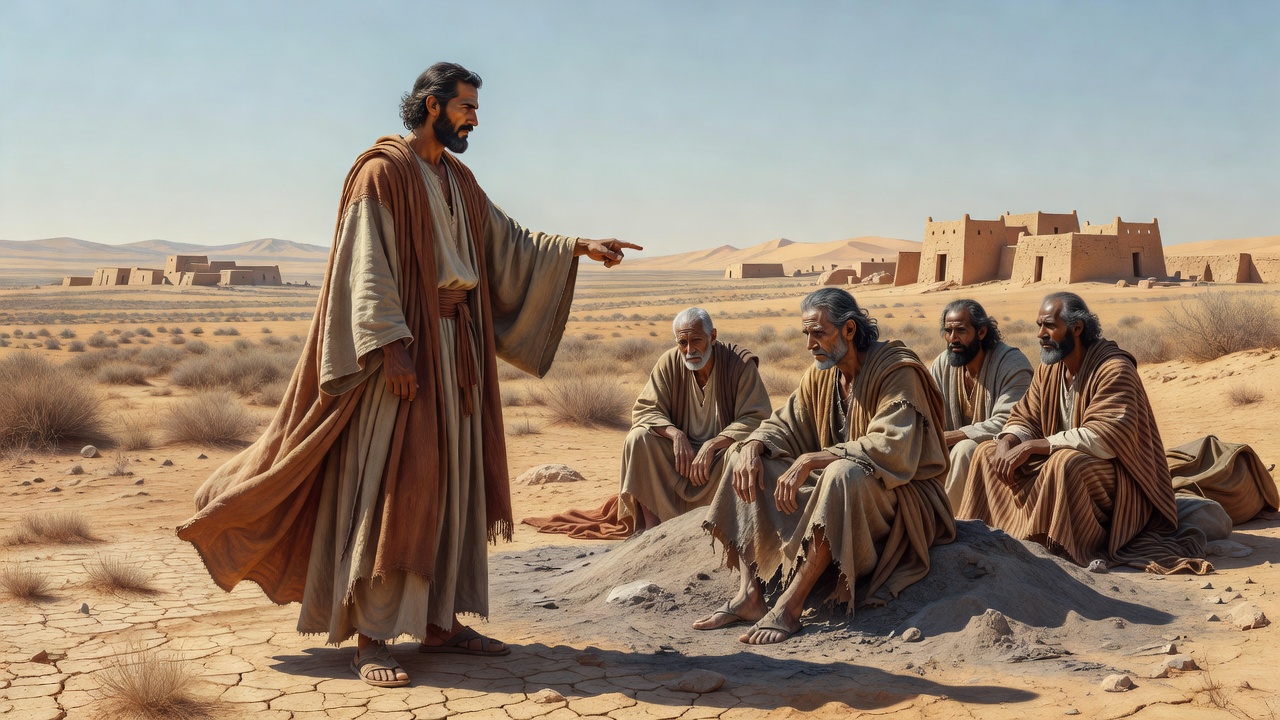
Bildad's Second Speech on the Fate of the Wicked
- Bildad is identified as a Shuhite, a designation traditionally linked to Shuah, a region in Arabia associated with the descendants of Abraham and Keturah. In this second speech to Job, Bildad maintains a stern and severe tone as he rebukes Job and insists on the certain doom of the ungodly.Sources: Bildad · the Bible text itself
- To describe the destruction awaiting the wicked, Bildad draws heavily on ancient hunting imagery. He depicts their downfall through metaphors of hidden nooses, concealed ground snares, and sweeping nets that trap the wanderer.Sources: the Bible text itself
Notes written with AI assistance from open sources (Theographic Bible Metadata, CC BY-SA 4.0; Easton’s Bible Dictionary, public domain) and reviewed before publishing.
Credits and license for this translation
Habo nalolene bi gahenge lo winigo ogo
The Holy Bible with Deuterocanon in the Huli Language of Papua New Guinea
Buk Baibel long tokples Huli long Niugini
Copyright © 1983, 1991, 2002 Bible Society of Papua New Guinea
℗ Faith Comes by Hearing
Language: Huli
Translation by: Bible Society of Papua New Guinea
This translation is made available to you under the terms of the
Creative Commons Attribution-Noncommercial-No Derivatives license 4.0.
You may share and redistribute this Bible translation or extracts from it in any format, provided that:
You include the above copyright and source information.
You do not sell this work for a profit.
You do not change any of the words or punctuation of the Scriptures.
Pictures included with Scriptures and other documents on this site are licensed just for use with those Scriptures and documents.
For other uses, please contact the respective copyright owners.
2014-12-11
Source: http://png.bible/hui/ · eBible.org