Isaiah 50
Habo nalolene bi gahenge lo winigo ogo · Tap a verse to see its cross-references.
1Anduane Homogohanda bi ogodagua laragoni. Tígua manda bialu kamiria agalime ibu one nogo dugu ngi lalu pu lagadagua i̱na i̱naga wali agaliruhondo pudaba layabe toba kamibe. Ani manda bu kamiyagua nde wali onene waharo lalu bi bebani gilibu winidago a yu kamigo. I̱ baba agali mbiralila danobi nahe dege kogo. Irane agonaga i̱na ti muni dano henego hondolenaga minalu muni taguialu dindi taraha garabaya biabe ale bialu helo pelayadalo manda bidamibe. Anidagua nabiorego. Tígua mana ko dewa birimigome i̱ mo tandaga hayagonaga i̱na Yarusaleme erembira mialu waitigi hearunaga giha mo ya harugoni ndobe.
2I̱na tí taya bima ibalu hewaria agali mbiraoreli mbira naheyago agua biyabe. I̱na tí olalu hewariabi mbiralime ya nalarimigo agua biyabe. Tígua manda bu handalu hemiria i̱na tí pele ngulene hongo nahe kabe toba harimibe. I̱na bi hangu larogome iba solowara timbuni bedaruni hundu tege lolebira. I̱na bi dege larogome iba timbuni pedaruni hundialu iba piagarunaga be abalu titaulo wulebira. Ani biragola iba uruniha wena bedaru homai howa ngu bulebira. 3Hari daliga li kagoni i̱na mo aruma halu wali agalime ti damene mbirago homaragola dara howa aga mindibi karulo kaligobi helabehe kogoni, laya lene.
Marume Anduane Homogonaga biabe biahaga kagohondo handabe manga henego ogo
4Anduane Homogo Bibahende Haru Haame Ho Haga kago ibugua i̱na bi bayaleore loliyanaga lawai hayagome i̱na wali agali maru hongo nahe karu mo hongo halu bi bayale tigabi ngadagua laga buliyanaga lawai haya. Egerebagi bibahendengi ibugua bi gahenge i̱ lawai hararu hale holiya mo hale hoa haga ka. 5Anduane Homogohanda ibunaga bi bayuwa hale holiya i̱naga hale mo dugua haga biaga. Ani bigi biragola i̱na nde biabe ogoni bibe manga howa ibu erembira mialu pu nabi bialu harugoni. 6Ogoni bialu hewaria agali bu hearume i̱ gewa tibume erembirani belo helalu agali urunime i̱hondo mege bialu i̱ yo handalu i̱naga angari hewaru minu dugualu hearia ani bilo i̱na bi nale waharu. Tigua i̱naga denguiha hamiaga toloba haga biyagola wanakui handa tara nahe ani bilo waharugoni.
7Anduane Homogo Bibahende Haru Haame Ho Haga kago ibugua i̱ biamogo bialu kagome agali ko urunime mana ko i̱hondo biragome i̱ mo tandaga nahaga. Anigo i̱nime hongo howa hibu lalu i̱naga biabe biaga wiyago bialu haruli. I̱na biabe ogoni bialu kogome i̱ni taga holene mbira nawulubada lo manda buwa biruli. 8Ngode Datagaliwabe ibuni i̱ha kaware haparaho kagome i̱ha ko mbira nawida lolebira. I̱la godi laba lole agali mbira kabe. Anigo mbirali heagua nde i̱ manani haru pu helowa ibunaga bi yinidago latagi holene nga. 9Anduane Homogo Bibahende Haru Haame Ho Haga kago ibugua i̱ pele ngiagaore kagonidago agali i̱na ko mbira biri labehe mende ai kabe. Agali i̱na ko mbira birigo godi lama laga karuni ti agaru ngaria bombome no tidabagabu wiraligobi tiniha mo ko holene lola holebira.
10Wali agali Anduane Homogonaga andaneha howa ibunaga biabe biahaga kagome bi larago hale halu bialu kamiru tí gi naheore holene nga. Tí hariga poramigoni aruma ndibuleoreha pirimiyaguabi Anduane Homogo ibunime tí handayaho kago manda buwa ibunihondo mini mbiraore hongohe wuwa polene nga. 11Anigo wali agali maru Anduane Homogohondo mini mbiraore nawi kamirume arumaha pole howa tíninaga hale hedo yidamigome tíni hariga walia helo lowa hale yalu pilimu. Anduane Homogo ibugua tínaga dindi tu wia kago. Dindi ogoniha tandaga nalu haabo holene nga, lalu Aisaiahanda lene.
Did you know?
The Obedient Servant and Divine Vindication
- In ancient Near Eastern legal custom, a husband issued a certificate of divorce to formalize a separation, and impoverished debtors might sell their children into servitude. In Isaiah 50:1, God uses these legal metaphors to demonstrate that Israel was not abandoned due to a divine debt or permanent annulment of the covenant, but went into exile because of its own transgressions.Sources: the Bible text itself
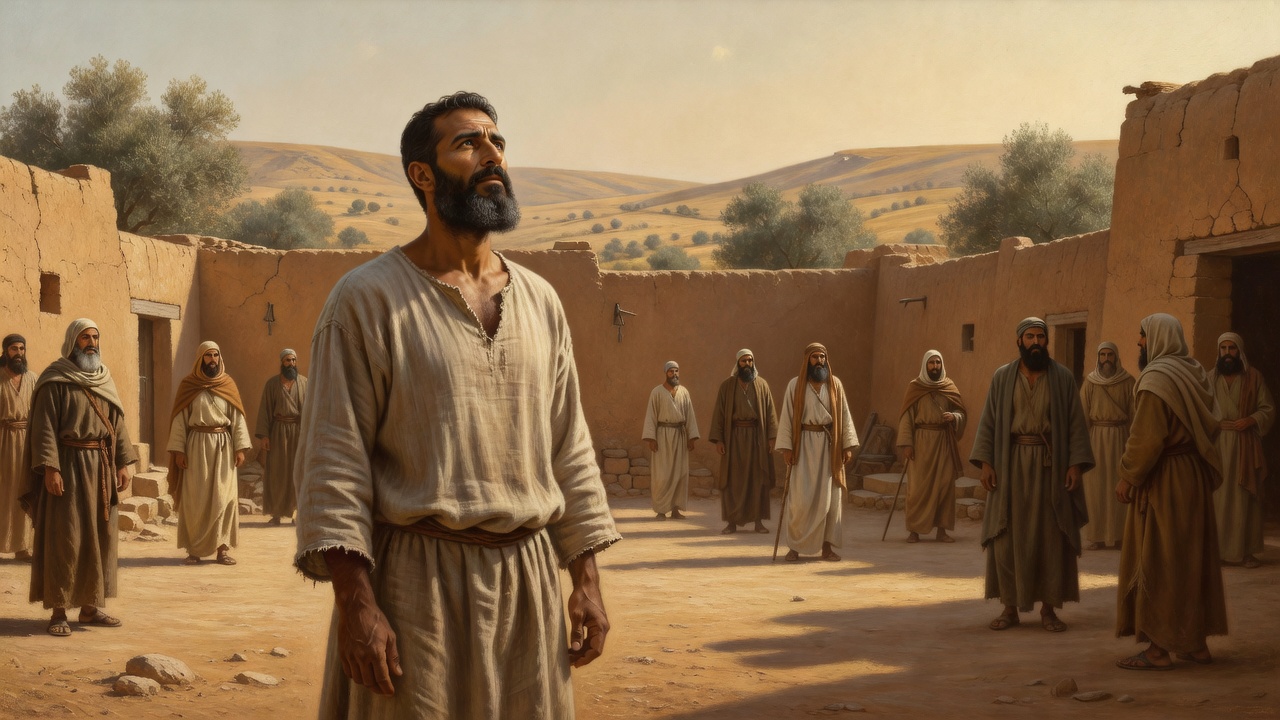
- The speaker in Isaiah 50:4–7 portrays the posture of an attentive disciple who willingly endures physical maltreatment, including beatings, the plucking of his beard, and being spat upon. Setting one's face 'like flint' is a vivid idiom signifying resolute determination and steadfast trust in God despite public shame and hostility.Sources: the Bible text itself
Notes written with AI assistance from open sources (Theographic Bible Metadata, CC BY-SA 4.0; Easton’s Bible Dictionary, public domain) and reviewed before publishing.
Credits and license for this translation
Habo nalolene bi gahenge lo winigo ogo
The Holy Bible with Deuterocanon in the Huli Language of Papua New Guinea
Buk Baibel long tokples Huli long Niugini
Copyright © 1983, 1991, 2002 Bible Society of Papua New Guinea
℗ Faith Comes by Hearing
Language: Huli
Translation by: Bible Society of Papua New Guinea
This translation is made available to you under the terms of the
Creative Commons Attribution-Noncommercial-No Derivatives license 4.0.
You may share and redistribute this Bible translation or extracts from it in any format, provided that:
You include the above copyright and source information.
You do not sell this work for a profit.
You do not change any of the words or punctuation of the Scriptures.
Pictures included with Scriptures and other documents on this site are licensed just for use with those Scriptures and documents.
For other uses, please contact the respective copyright owners.
2014-12-11
Source: http://png.bible/hui/ · eBible.org