Isaiah 17
Habo nalolene bi gahenge lo winigo ogo · Tap a verse to see its cross-references.
Anduane Homogohanda Siria wali agalibi Isaraele wali agalibi pani mulebero lenego ogo
1Damasagasa tanonaga mbiwia halu Anduane Homogohanda bi ogo Aisaia lamini. Damasagasa tano mo ko holebira. 2Waitigime Siria wali agalirunaga tano dunini timbuni áyu ngago bo haealabaga biragola bame be abalu dege ibira holebira. Aroe tanoru ngagoria nde wali agali lenego mbiraoreli hangubi mbira naholebira. Anidagua biragola dindi ogoni nogo bulumagaru sibiru hangu haga wulebira. Ani ngagola ti mo gi holene agali mbira nahedagola ti hada payabu holebira. 3Waitigirume ibalu Isaraele wali agalinaga tano hongohe bu karu bo haealabaga bialu mo ko hai howa wali agali Damasagasa tanoha bu karu haru holebira. Áyu hameigini kira Siria Isaraelela mini lene wali agali dewaore padagonigo mani howa tinaga dindi mo ko harangi ti emene mbira dege paluebira. I̱ Anduane Homogo Hongo Haiheore kogo i̱na bi o ledogoniore, lene.
4Anduane Homogo ibugua laabo halu lalu, Horo ogoningi Isaraele hameiginiore mini lene kagoni biba hai holebira. Wali agali dewaorebi tinaga dabudabubi bibahende mo ereba hai helarogola tinaga dindiha mbirale mbira nawi dindi labuore wulebira. Manane agali hado timbuni mbira kago warago baragola tingini obi halu emene ho dai biagagobi wulebira. 5Áyu nde Isaraele wali agali dewaore Lebaimi dindi ulini yu dindi bayaleore ngagoha widi bayale anda howa lini dewaore dagagobi kagoni. Anigo mani waitigi ibalu bo wahai harangi ti emene daga lene hangu agali widi gandulalu pene ngagoha iraneni mbira mbira yu wahaga bini kagome mbiraore daga biagagobi holebira. 6Ani bialu ira olibe lini dewa dedago agalime kango yuwa lini dogolope helo baragola lini dogolope hai howa mbira mbira hangu magane puniruha do wahaga biraligobi Isaraele wali agali holebira. Anduane Homogo i̱ Isaraele wali agalinaga Ngode Datagaliwabe i̱na bi o ledogoniore, lene.
7Horo ogoni ibirangi Isaraele wali agali ti mini beregedalu ti wabini Ngode Datagaliwabe mini tigabi kago mitangi bialu ibugua ti biamogo bilo hondo holebira. 8Ani bialu howa tigua lomabu delaga dabu tinime bu helene ngagoriabi mbirale dama wali beda mitangi bialu gime ira dibu bage bigi buwa bigiya wabu heledaruhondobi bi pupu wialu naholebira. Ogoninaga lomabu delaga dabu ngagoria ira hagua ngabilo inisenesirubi nadelolebira. Tininaga gime wabini ngaruhondo bi pupu wiaga winiru bibahende wahaiore holebira.
9Horo ogoningi tano hongohe winiru bo gialopaya biragola bame dindi ko mbirali nahe wulebira. Ala Hibiali Amoroaliru dindi ogoniha pigane henedaru tigua Isaraeleali anda ibuwa bo taliatogo laya handala pugu pugu biyagola wali agali mbira nahe hari wiaruha tano dege anda tabuandaru buhe wiagadagua wulebira.
10Isaraele wali agaliru-o tígua Ngode Datagaliwabe tínaga Pele Ngiaga ibugua tí haru dai bini kago embedaho wahene kamigonida. Ibu ege to̱le̱ timbuni mbira haradagua kago tí mo ko holene anda ibirangi ibuha pu ha do haga kamigoni ndobe. Anigo heneneore tígua ibu embedaore harimi. Ani embeda howa tígua dama mitangi bialu mbirale bi pupu wulenaga gime wabini ngarume tí biamogo biragola bayale holeberemabe toba howa mbirale urunihondo bi pupu wialu harimi. Anigo mbirale urunime tí biamogo bibe naheore ngagola tí mo ko heneore mbirago howa mo bayale holene mbira nawiore holeberemi. Agalime gerebi mabuha gerebi hanga ho howa anda halu gini gene halu lini dewa delo maliaho kagola gerebi bayale hangayago anda nahe irane gabu hai haragola dindi hangu ona wiagagobi holeberemigo manda bilimu.
Ngode Datagaliwabehanda hameigini hongohe tara tara hearu bope henego ogo
12Dindi kulu timbuni laruago hale hadaba. Dindi tara tara ngaruha ami agali íbu mogo biragola dindi kulu laruagoni. Ti ibiragola dindi kulu mbari laruago iba solowara yaribu bialu tanguia amu nana biragola iba angeni hari kagoria baragola kulu nduga lagagobi laruagoni. 13Waitigi agali timbuniore iba solowara tanguyu ibiraligobi ibiragoyu Ngode Datagaliwabehanda tihondo keba halu taliragola tini dalu ngagoha ibida dai bialu pugu pugu biaga. Puyabu ibalu ira yuni karu gilo yu purogo lagadaguabi puyabume humbirini wai bialu be abalu ira yuni dataniru dindini ngago puloyu piai hagadagua Ngode Datagaliwabehanda waitigi balu purogo lelolebira. 14Alendo haragola waitigirume tano ngago ho hagira biragola wali agalime gi timbuni ho haga. Anigo horo mendengi gao laragola waitigi biaru nahedane hondolebira. Ogonidagua waitigi bu karume wali agali tinaga dindibi mbirale ngarubi mo ko hole ibiragola Ngode Datagaliwabehanda tinaga hariga damenego hapai haga ka.
Did you know?
Judgment on Damascus and Ephraim
- The oracle against Damascus connects the fate of the Syrian capital with that of the northern kingdom of Israel, referred to as Ephraim and Jacob. The prophecy foretells that both the sovereignty of Damascus and the fortified power of Israel would fade together.Sources: the Bible text itself · Damascus · Syria
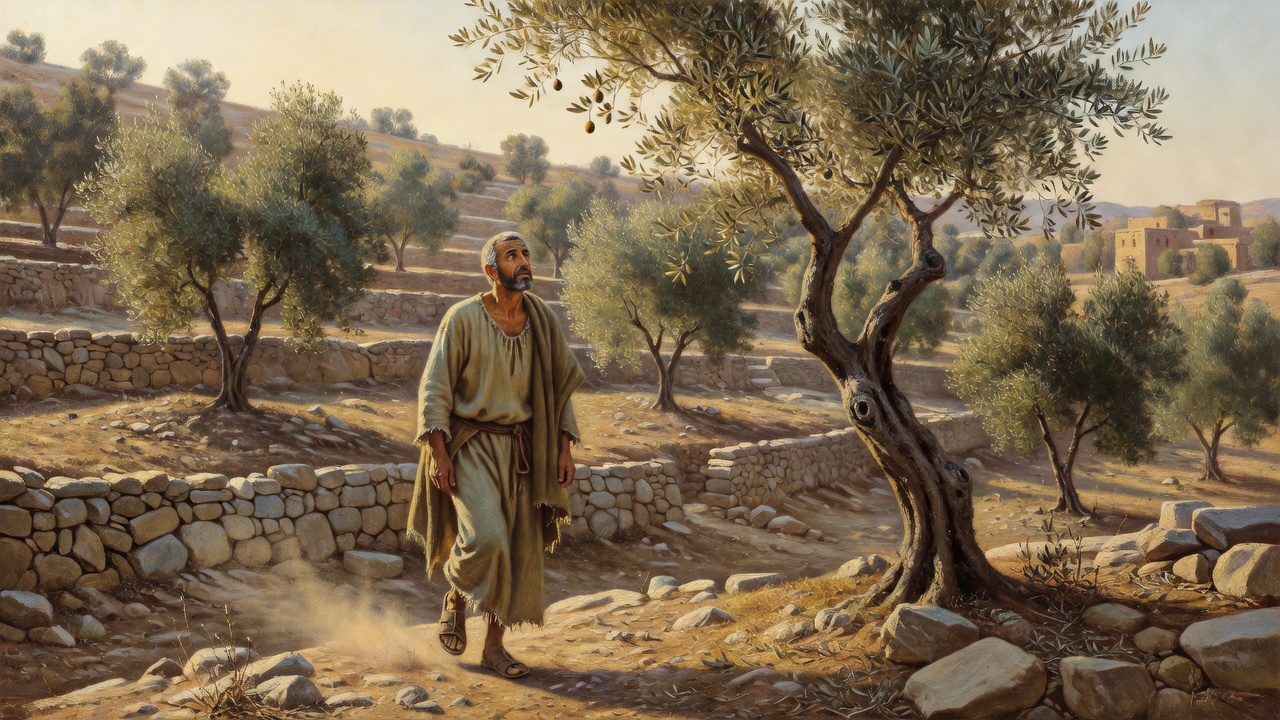
- The text uses familiar agricultural imagery to describe judgment and remnant: a harvester gathering grain in the Valley of Rephaim near Jerusalem, and a beaten olive tree left with only two or three olives at the very top.Sources: the Bible text itself · Valley of Rephaim
Notes written with AI assistance from open sources (Theographic Bible Metadata, CC BY-SA 4.0; Easton’s Bible Dictionary, public domain) and reviewed before publishing.
Places in this chapter
- Damascus · 33.511, 36.306 · verses 1, 3
- Syria · Today: Aram · 33.511, 36.306 · verse 3
- Valley of Rephaim · 31.763, 35.219 · verse 5
Only places identified with high confidence are shown (90% or more according to the scholarly sources compiled by OpenBible). Period map: DARE (Digital Atlas of the Roman Empire), CC BY 4.0; modern map: © OpenStreetMap contributors; places: OpenBible.info (CC BY 4.0).
Credits and license for this translation
Habo nalolene bi gahenge lo winigo ogo
The Holy Bible with Deuterocanon in the Huli Language of Papua New Guinea
Buk Baibel long tokples Huli long Niugini
Copyright © 1983, 1991, 2002 Bible Society of Papua New Guinea
℗ Faith Comes by Hearing
Language: Huli
Translation by: Bible Society of Papua New Guinea
This translation is made available to you under the terms of the
Creative Commons Attribution-Noncommercial-No Derivatives license 4.0.
You may share and redistribute this Bible translation or extracts from it in any format, provided that:
You include the above copyright and source information.
You do not sell this work for a profit.
You do not change any of the words or punctuation of the Scriptures.
Pictures included with Scriptures and other documents on this site are licensed just for use with those Scriptures and documents.
For other uses, please contact the respective copyright owners.
2014-12-11
Source: http://png.bible/hui/ · eBible.org