Hosea 2
Habo nalolene bi gahenge lo winigo ogo · Tap a verse to see its cross-references.
1Ani howa Isaraele wali agali ti aria karuhondo bi ogodagua lalimu. Tí Ngode Datagaliwabenaga wali agali kami. Tí Anduane Homogohanda Gubaliniore Henego kami, lalimu.
Gomehanda Hosea wahalu penedagua Isaraele wali agalime Ngode Datagaliwabe yu wahenego ogo
2I̱naga waneiginiru-o. Tí ai̱ya ibu i̱ one ndo beda. I̱bi nde ibu agalini ndo kogoni. Anigo ai ibugua agali kayu yama ibaga bialu bedagonaga wahabe lalu hongo howa lamilimu. 3Ibugua mana ogonibi bialu bedago wa nahayagua nde i̱na ibunaga aga bidaru tongolo wahai howa ibu ai̱yahanda taba hanayangi aga nabi taba hanayadagua i̱na ibu tibabe ibagabu berelarogola taga timbuniore halu birulebira. Ani buwa ibu mo ko halu dindi koore mbirale mbira anda habe nahe wiraligobi wialu dindi ko yobi iba nolenebi nawiha berelolebero. 4Ibunaga waneigini bedaru ti agali kayu yule taga nahaga wali ogoninaga waneiginidagola i̱na ti dara howa biamogo nabulebero. Wali biagoni ibugua lenego ogo, I̱ agali maru i̱ni hameledoru talima polebero. Agali uruni tigua i̱ tomo ibabi aga bulenebi ngialu ira olibe lini ibanebi waini ibabi hambu ngiaga, lene.
6Ani biragola i̱na wali ogoni ibu ira anihe karu dibuwa urunime pabe bu yandaho berelolebero. Ibu hariga polobadagoha pabe bu pai harogola ibugua agali uruni karia pole tagira pobe nahe holebira. 7Ibugua gerai lalu agali uruni karia pole puwa ti kagoria napolebira. Wali ogoni ibugua ti taya bima pu polebirago handa walia naholebira. Ani buwa ibugua lalu, Abale i̱ bayaleore berenego. Ai áyu bira ko kogonidago i̱ agalini pigane pirugo ibuni karia dai buliya, lalu lolebira, lene.
8Ai i̱nime ibu tomo nolenebi waini ibabi olibe lini ibanebi muni ngolo silibabi dewaore miai harugo ibugua yu howa i̱ mitangi nabi ibu mbirale uruni bibahende gime wabini mini Balahondo bi pupu wima poragoni. 9Ai nde mabuha tomo nolene tu haragola tomobi waini ibabi bibahende i̱na mirugo mo yu dai bialu ibu aga bilo mirurubi bibahende mo yu dai biai holebero. 10I̱na ibunaga aga bu henedaruni agali ibuni dimagoli haralirunaga deni howa golo wahai howa aga nabi tibabe pelolebero. Ani berogola agali mbirame ibu mo wialu biamogo nabibehe holebira. 11I̱na ibunaga horo tara ibuni turu howa tomo nalu biragadaru bibahende mo wahai holebero. Horo timbuni ibu turu ho hagadaruni lotu lagane horo timbuni mali mbira mbirangi hagarubi ege mbira mbirangi hagarubi Sabada mbira mbirangi hagarubi ibunaga lotu laga horo bibahendeore mo wahai holebero. 12Pu mbira lini daga mini gerebi karubi poge karubi uruni bibahende agali ibugua dimagoli howa kayu yaga biarume i̱ni tihondo mirugonaga yolo ngini lene karu mo ko holebero. Ibunaga mabuha pu ogoni gerebi lini daganebi lini dagane ira tara tara karubi bibahende nogo gabua karume dugua hai halu embera ibilolebero. 13Ibugua i̱ embeda halu bi pupu wule gime wabini mini Bala anda heagoha puwa ira hagua ngabilo mini inisenesi delayagonagabi aga karulalu yári tara tara bialu agali ibuni dimagoli hagaru heagoha piyagonagabi i̱na ibu mana lalu genda timbuniore ngago yu helo mulebero, lalu Anduane Homogo i̱na bi o ledogoniore, lene.
Anduane Homogohanda ibunaga wali agali gubalini henego ogo
14Anduane Homogo ibugua bi yobage laabo halu lalu, Ai i̱na wali ogonihondo bi bayale lamialu dindi ko wali agali nahaga ngagoha lone haru dai bulebero. Ani buwa ibu mo gede howa bi lalu i̱na í̠ore gubalini ho kogoni lolebero. 15Ibunaga mabuni gerebi lini dagane ala heneru lone ibuni helo mia dai bulebero. Ani bialu dindi mini Ulini Genda Tagira Ibaga biagoria ai mbirale bayale dindi ogoniha howa tagira ibule biarua lowa mini dunubia howa hondo holene wulebira. Dindi ogoniha howa ibugua i̱naga bi abale ibu wandari emeneni Iyibi dindi howa haru tagira ibirugola hale halu berenedagua lone hale howa talialu holebira. 16Ani howa i̱hondo lalu, I̱ agaliniore í̠ kegoni, lolebira. Ibugua i̱ dama mini Bala ale degedalo manda buwa lalu, Bala í̠ timbuni i̱naga anduaneore kegoni, nalolebira. Ibugua embeda halu wahai holebira. 17Ibu Balanaga mini lone lelo i̱na ibu yupe naholeberoore.
18Ani bialu ogoningi dege i̱na ema bialu piaga bedaru bibahendebi ega bedarubi urunime i̱naga wali agali bu karu mo ko nahelo i̱nime ti heba habo nalolene bi mbira wiaabo helo lo wulebero. I̱naga wali agaliru tinaga wai biaga ayu tibu ne gadelebi timu yandarebi bibahende mo wahai halu ti gi nahe embeda howa bu miniha dungulo holebira.
19Isaraele-o í̠ore i̱ one henene biraabo habelo berelolebero. I̱na í̠ gubalini halu í̠hondo mana bayale tigabi ngaru dege bialu haabo kogola í̠ i̱ninaga biraabo holebere. 20I̱na habo nalolene bi hongohe wiaabo helonaga lo wirugo manda bialu í̠ i̱ninagaore biraabo habelo berelolebero. Í̠na Anduane Homogo i̱ hangu henedane hondolebere. 21Ogoningi i̱na i̱naga Isaraele wali agalirume i̱hondo bi larago hale holebero. I̱na tinaga dindiha iba dalu ibilarogola tomo bayale anda haga bialu ladi ale mini widibi gerebi linibi olibe linibi lini do naga uruni dewaore dolebira. 23I̱na i̱naga wali agali dindi ogoniha helarogola ti mabu bayale i̱nime hengene ale holebira. Ala bamba tí Gubalini Nahe kogoni laruligo ai mani howa i̱na ti gubaliniore holebero. Bamba i̱na tí I̱naga Ndo kamigoni laruligo. Mani tí i̱naga wali agaliore kamigoni, lolebero. Tigua nde, Inanaga Ngode Datagaliwabe í̠ore kegoni, lolebira, lalu Anduane Homogohanda lene.
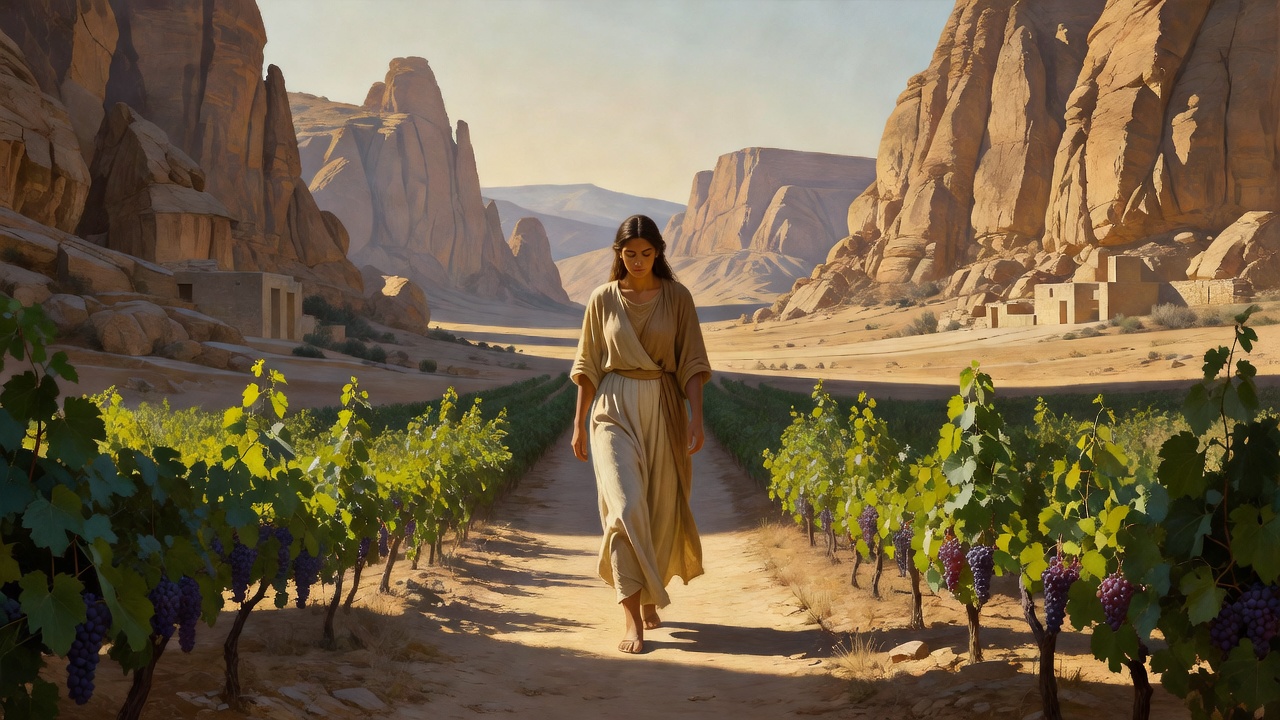
Did you know?
Judgment and Restoration
- The Valley of Achor, located near Jericho, derived its name from the trouble caused by the sin of Achan in the book of Joshua. Hosea uses this proverbial site of calamity to promise that a place of past disaster will be transformed into a gateway of hope.Sources: Valley of Achor · the Bible text itself
- Baal was the chief male deity of the Phoenicians, whose worship had become widespread among the northern tribes of Israel. Hosea challenges the belief that agricultural provisions such as grain, wine, oil, and wool came from Baal, declaring instead that they were gifts from the LORD.Sources: Baal · the Bible text itself
- The chapter announces a reversal of the symbolic names of judgment given to the children earlier in the book. Those named No Compassion are promised mercy, and those called Not My People are once again recognized as God's people in a restored covenant.Sources: the Bible text itself
Notes written with AI assistance from open sources (Theographic Bible Metadata, CC BY-SA 4.0; Easton’s Bible Dictionary, public domain) and reviewed before publishing.
Places in this chapter
- Egypt · 30.129, 31.308 · verse 15
Only places identified with high confidence are shown (90% or more according to the scholarly sources compiled by OpenBible). Period map: DARE (Digital Atlas of the Roman Empire), CC BY 4.0; modern map: © OpenStreetMap contributors; places: OpenBible.info (CC BY 4.0).
Credits and license for this translation
Habo nalolene bi gahenge lo winigo ogo
The Holy Bible with Deuterocanon in the Huli Language of Papua New Guinea
Buk Baibel long tokples Huli long Niugini
Copyright © 1983, 1991, 2002 Bible Society of Papua New Guinea
℗ Faith Comes by Hearing
Language: Huli
Translation by: Bible Society of Papua New Guinea
This translation is made available to you under the terms of the
Creative Commons Attribution-Noncommercial-No Derivatives license 4.0.
You may share and redistribute this Bible translation or extracts from it in any format, provided that:
You include the above copyright and source information.
You do not sell this work for a profit.
You do not change any of the words or punctuation of the Scriptures.
Pictures included with Scriptures and other documents on this site are licensed just for use with those Scriptures and documents.
For other uses, please contact the respective copyright owners.
2014-12-11
Source: http://png.bible/hui/ · eBible.org