Hosea 13
Habo nalolene bi gahenge lo winigo ogo · Tap a verse to see its cross-references.
Anduane Homogohanda Isaraeleali dabaki bumaro bulebero lenego ogo
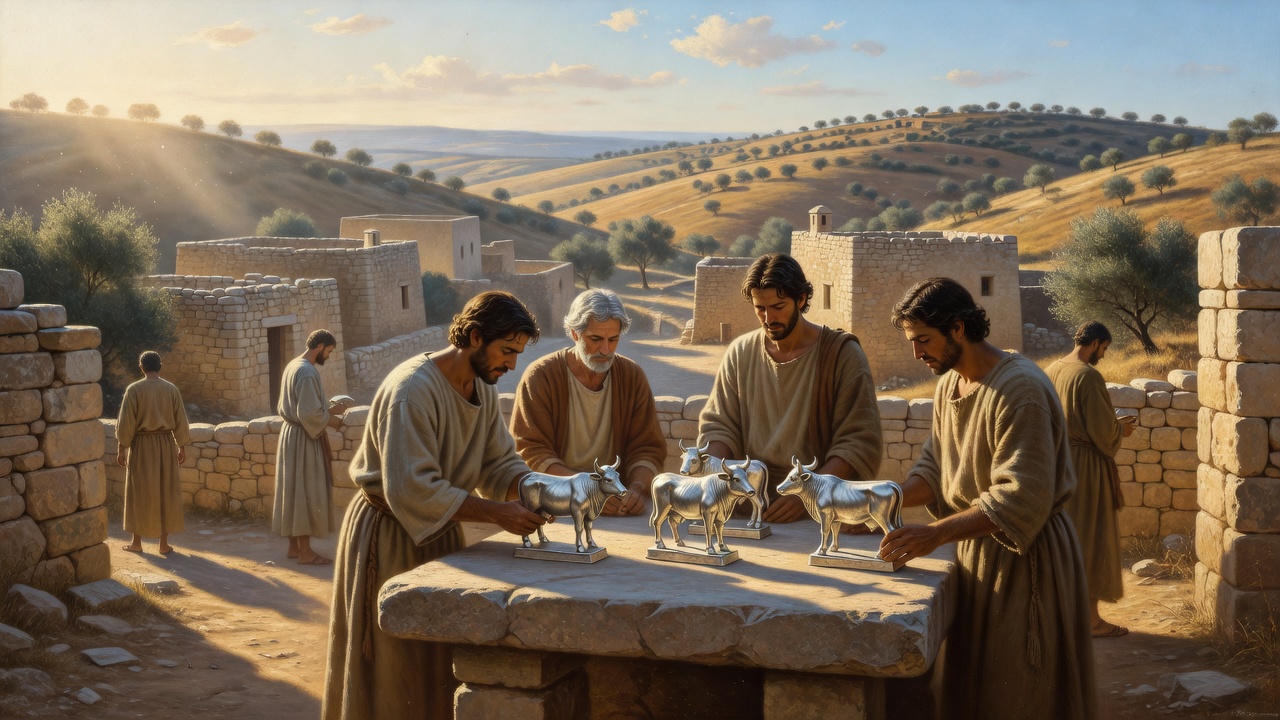
1Bamba Eberaimi hameigini bu hearu tigua bi layagola Isaraele hameigini maru hearuhondo gi halu bi ogoni hale haga hene. Anigo Eberaimi hameigini uruni tigua mbirale dama mitangi bialu bi pupu wule gime wabini mini Balahondo bi pupu wialu heagome tigua mana koore biyagoni. Ani biyagome tini homoleneore nga. 2Áyubi nde tigua mana ko dewa dege bialu ka. Tigua bi pupu wulenaga mbirale silibame wabu ngelowa ogonihondo bi pupu wialu ka. Agali tinime manda bialu ogobiore helo wabero lalu wabu ngelowa agali mende kagome gime wabini ogonihondo loma biniru mo mialu helo dabo helaga. Tigua mbirale nogo bulumaga ale gime wabini ogoni nu̱nu̱ lalu hagayago gibiore biraya. Uruni ti agile wali agalida. 3Anidagua biagayagome wali agali uruni ti egerebagi ni tagira ibiragola ginu ngago ereba halu piai hagadagua ti ereba hai holebira. Ti egerebagi dadimba tanini ngaligobi howa ni daragola yo bialu abale ereba haralidagua ereba holebira. Ti widinaga aeane puyabume yu pu wahagagobi holebira. Ani bialu ira deledagola hagua hariha iraga halu pu ereba hagagobi holebira, lalu Hoseahanda lene.
Anduane Homogohanda Isaraele wali agali daba maro bulebero, lenego ogo
4Anduane Homogohanda lalu, I̱ Anduane Homogo tínaga Ngode Datagaliwabe tí Iyibi dindiha howa haru tagira ibaga harugo kogoni. Tínaga Ngode Datagaliwabe i̱ni hanguore kogo tara mende naheore. Tínaga pele ngiaga i̱ni hanguore kogoni. 5Tí dindi ko dalu naibaga wiagoria pu hemigola i̱nime tí baya hanguore handayaho harugoni. 6Ani bialu mani dindi bayale wiagoria anda pialu nde tomo nolene dewaore bu payabu wialu maru alebi karulape yu harimigoni. Tígua mbirale dewa uruni yu howa nde tíninaga hongome minibe toba harimigo. Anidagua birimigome i̱ mo embeda harimigoni. 7Ani birimigonaga budi gabua ale timbuni laionome mbirale porabu para howa bo nagadagua i̱na tí bolebero. Tínaga hariga piaga ngagoria budi gabua ale timbuni tara mini lebadime mbirale ema bialu poraru bole nende buwa biragadagua i̱na ti bole yu birulebero. 8Biango ale timbuni mbira mini bea bedagome ibunaga igini pu ereba hayadagola keba howa mbirali abale porabu ede halu gi gibame galu kuni abale minu lere lagadagua i̱na tíbi ani dege bulebero. Ani buwa laionome mbira minuwa abale nai hagadagua i̱na tí ani bulebero. Gabua tara tara timbuni irabuha hagane kagome mbirale bo lerela baga bialu nagadagua i̱na tí ani bulebero.
9Isaraelealiru-o i̱na tí biamogo bibehe kogoni helowa tínime manga halu kamigome genda tandagala tínime mo yu anda eberamigoni. Irane ani beramigome tíni mo ko holene timbuniore wulebira. 10Ai tígua i̱hondo tínaga kinirubi agali haguanerubi tí haru helonaga ngi larimigola nde ngirugoni. Anigo áyu urunime agua bialu tí biamogo bulebirabe. Heneneore tigua tí biamogo bibe nahe ndodabe. 11Tígua ngi larimigola nde i̱na hale howa keba halu dege ngirugo ai áyu i̱na urunihondo keba timbuniore halu bo batagi kogoni, lalu Anduane Homogohanda ani lene.
12Anduane Homogohanda laabo halu lalu, I̱na Isaraele wali agalinaga ko ngago bibahende i̱naga mbugani gilibu wiai howa ngeledo. 13Isaraele wali agali ti bayaleore holene winigo tini lulu ale hayagome bayale holene manga haya. Ani biyadagoninaga manane waneigini ai̱ya tombeha berenego ibu ai̱yahanda taba honolebiragola waneiginime abale tagira naibagago ale ti ani bini. 14Anigo i̱na ti homenerunaga dindiha pu kamiriabi homaganenaga hongome yu kariabi i̱na ti lone gi mia nabulebero. Homa-o i̱na í̠ mo ngubiore halu bo ereba holebero. Homenerunaga dindi-o í̠ni warago timbuniore bu hinuwa ti bo biba holebero. I̱na Isaraele wali agali uruni lone dara howa biamogo nabulebero. 15Eberaimi hameigini ti ho damebi dewaore Isaraele hameigini maru padarubi ndo padagoni. Ai i̱na puyabu poboyogobi ni tagira ibiragohayagi howa pulo ibilarogola tinaga iba nagane duguararu bedarubi hundia hai helolebero. Ani bialu tinaga mbirale bayale damene wu karuni puyabu hongohe ogonime pulo yalu piai helolebero. 16Samaria wali agalirume i̱hondo keba halu doga hayagonaga ti pani timbuniore nolebira. Waitigirume ibuwa tini balu tinaga waneigini galiru dindini mo para ho waharagola homai holebira. Wali ko gali bere bedaru tini balu waneigini tombeha bedaru bo haeala bagabu waholebira, lalu Anduane Homogo ibugua ani lene.
Did you know?
The Fall of Ephraim and Samaria
- Hosea 13 opens by recounting that Ephraim, once exalted in Israel, brought about its own ruin through the worship of Baal. Baal was the principal male deity of the Phoenicians, and his cult had long influenced the northern tribes.Sources: the Bible text itself · Baal
- The chapter recalls that God had been Israel's God ever since the land of Egypt and had known them in the arid wilderness. However, once the people had pasture and were satisfied, their hearts grew proud and they forgot their helper.Sources: the Bible text itself · Egypt
- The prophecy ends with an announcement of judgment on Samaria, the capital city established by King Omri on the hill of Shomeron. Hosea declares that Samaria will bear her guilt and suffer violent destruction for rebelling against God.Sources: the Bible text itself · Samaria
Notes written with AI assistance from open sources (Theographic Bible Metadata, CC BY-SA 4.0; Easton’s Bible Dictionary, public domain) and reviewed before publishing.
Places in this chapter
Only places identified with high confidence are shown (90% or more according to the scholarly sources compiled by OpenBible). Period map: DARE (Digital Atlas of the Roman Empire), CC BY 4.0; modern map: © OpenStreetMap contributors; places: OpenBible.info (CC BY 4.0).
Credits and license for this translation
Habo nalolene bi gahenge lo winigo ogo
The Holy Bible with Deuterocanon in the Huli Language of Papua New Guinea
Buk Baibel long tokples Huli long Niugini
Copyright © 1983, 1991, 2002 Bible Society of Papua New Guinea
℗ Faith Comes by Hearing
Language: Huli
Translation by: Bible Society of Papua New Guinea
This translation is made available to you under the terms of the
Creative Commons Attribution-Noncommercial-No Derivatives license 4.0.
You may share and redistribute this Bible translation or extracts from it in any format, provided that:
You include the above copyright and source information.
You do not sell this work for a profit.
You do not change any of the words or punctuation of the Scriptures.
Pictures included with Scriptures and other documents on this site are licensed just for use with those Scriptures and documents.
For other uses, please contact the respective copyright owners.
2014-12-11
Source: http://png.bible/hui/ · eBible.org