Hosea 11
Habo nalolene bi gahenge lo winigo ogo · Tap a verse to see its cross-references.
Wali agali tigua mine halu helowa Ngode Datagaliwabe ibugua ti gubalini haabo henego ogo
1Anduane Homogohanda laabo halu lalu, Isaraele ibu ala bamba waneigini gali ale heangi i̱na ibu gubalini halu i̱ni iginiore lowa turu halu Iyibi dindi howa haru tagira íbu helarugoni. 2I̱na ibu i̱ni koria dai bilonaga olalu hewaria ibu hale nahe tingi howa erembira ngialu piya. I̱naga wali agaliru tigua mbirale gime wabini mini Balahondo bi pupu wialu mbirale loma buwa bo delalu maru wiaruhondobi uruninaga lomabu delaga dabuni ira hagua ngabilo mini inisenesi wiaru delalu biya. 3Isaraele ibu hariga tigabi ngagoria pialu helonaga biawai haga i̱niore kogoni. I̱na i̱naga wali agali i̱ni gime taba yalu baya hanguore handayaho harugo helowa tigua ani biyadalo manda buwa dege la nabi hayagoni. 4I̱nime ti gubalini howa turu halu i̱naga gubaliniha minu yamuwa ti mo turu howa tomobi baya hangu nelo mialu harugoni.
5Tigua i̱ni kogoha daibua nahe kagodago nde ti Iyibi dindi daibuwa Asirianaga haru hagame ti handayaho helo polene nga. 6Ani bilonaga wai timbuniore bialu tinaga tano timbu ngaruninaga pabe panga hongohe karuni bo gialo wahai halu tinibi bo biba hai holebira. Irane i̱naga wali agali uruni tigua i̱ni yu wahalu puwa tini hame leago bima piyagome urunidagua bulebira. 7I̱ni helo wahalu piyagonaga i̱na pani timbuni merogola ti yo pialu mbira napolebiraore. Tiha genda timbuniore tagira ibiragola tigua dugu timbuniore bulebira. Dugu bialu kagola agali mbirame ladebodebo bialu mo wahabe tobahe wulebira.
8Isaraelealiru-o i̱na tí yu wanaholebero. I̱na tí helalubi napolebero. I̱na Adama dindibi Seboimi dindibi mo ko halu bo gialo waharudaguabi nabule dege. I̱na tí gubalini timbuniore ho kogome tí mo ko nahole. 9I̱na tíhondo keba howa pani nangulebero. I̱na tí lone mo koore naholebero. I̱ni Ngode Datagaliwabe kogome i̱naga mana agalinaga ngaru ale ndo i̱naga mana taraore ngogoni. I̱ Mbirali Loma Bia Hene kogo tí yu wanahe tí baba holebero. I̱ tí kamiria keba howa ndo ibulebero, lalu Ngode Datagaliwabehanda lene.
10Anduane Homogohanda laabo halu lalu, I̱na budi gabua ale laionome bi hongo howa ngororo laradagua bialu ti waitigi bu karu olarogola i̱naga wali agali ti gi howa dindi ni paliragohayagi ngaru yu wahalu abale i̱ni talima ibulebira. 11Tigua Iyibi dindi howa abale egame yagalo yalu ibiradagua bialu Asiria dindi howa ega malibu ale ibiradagua bulebira. Ani biragola tininaga dindi wiyagoriaore helo haru dai bulebero. I̱ Anduane Homogo i̱na bi o ledogoniore, lene.
Anduane Homogohanda Isaraelealiru Yudalirubi tigua ko birimi lenego ogo
12Anduane Homogohanda laabo halu ogodagua laya. Isaraele wali agali tigua i̱hondo ko dewa bialu ke̱ tara halu haabo ka. Anigo Yuda wali agali tibi i̱ erembira ngialu tinaga Ngode Datagaliwabe mana tigabi bayale hangu biaabo haga kogo i̱ni andaneha íbu nabi ti mana ko dege biaabo halu kagoni.
Did you know?
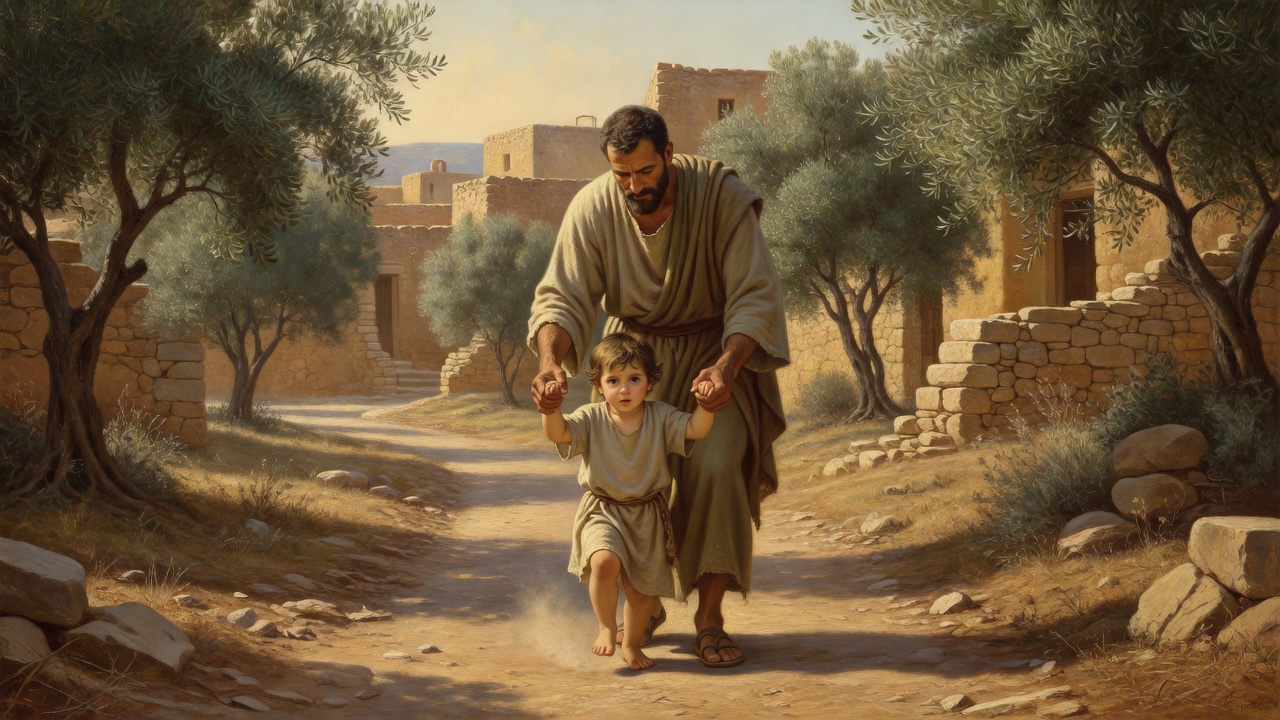
God's Parental Love and Compassion
- The chapter depicts God as a devoted parent who called Israel out of Egypt as a child, taught Ephraim to walk, lifted the yoke from their necks, and bent down to feed them.Sources: the Bible text itself · Ephraim · Egypt
- When the passage asks 'How could I make you like Admah? How could I treat you like Zeboiim?', it references two cities of the plain in the vale of Siddim that were destroyed alongside Sodom and Gomorrah.Sources: the Bible text itself · Admah · Zeboiim
- Although Hosea warned that Israel would be ruled by Assyria for refusing to repent, he also prophesied a future return where the people would come trembling like doves from Egypt and Assyria to resettle their homes.Sources: the Bible text itself · Assyria · Egypt
Notes written with AI assistance from open sources (Theographic Bible Metadata, CC BY-SA 4.0; Easton’s Bible Dictionary, public domain) and reviewed before publishing.
Places in this chapter
Only places identified with high confidence are shown (90% or more according to the scholarly sources compiled by OpenBible). Period map: DARE (Digital Atlas of the Roman Empire), CC BY 4.0; modern map: © OpenStreetMap contributors; places: OpenBible.info (CC BY 4.0).
Credits and license for this translation
Habo nalolene bi gahenge lo winigo ogo
The Holy Bible with Deuterocanon in the Huli Language of Papua New Guinea
Buk Baibel long tokples Huli long Niugini
Copyright © 1983, 1991, 2002 Bible Society of Papua New Guinea
℗ Faith Comes by Hearing
Language: Huli
Translation by: Bible Society of Papua New Guinea
This translation is made available to you under the terms of the
Creative Commons Attribution-Noncommercial-No Derivatives license 4.0.
You may share and redistribute this Bible translation or extracts from it in any format, provided that:
You include the above copyright and source information.
You do not sell this work for a profit.
You do not change any of the words or punctuation of the Scriptures.
Pictures included with Scriptures and other documents on this site are licensed just for use with those Scriptures and documents.
For other uses, please contact the respective copyright owners.
2014-12-11
Source: http://png.bible/hui/ · eBible.org