Ecclesiastes 4
Habo nalolene bi gahenge lo winigo ogo · Tap a verse to see its cross-references.
1I̱na lone handalu hewaria dindi ogoriani wali agali bu hearume mana tigabi ndo bialu hearu handai harugoni. Agali ko hearume wali agali dewaore hengedape hayagola dugu bialu heagoni. Anigo ti biamogo bulene mbirali naheoreya. Gabumane karu tinibi ko howa mana ko biaga karubi dege biamogo biaga ka.
2I̱na manda bialu hewaria wali agali homayaru ti hangu yo piya manda bidogo irane ina dindini kamarume genda handalu kamadagua ti nahondolebira.
3Wali agali dindi ogoriani karu ti ai̱yahanda nahono winidale ti yo peneore kale. Dindi ogoriani wali agali bu karume mana ko biraru ti nahendedale.
4I̱na handalu hewaria mana tara mendebi handa dege biru. Wali agali karu tigua ti nenege karume mbirale dewa buwi kago hondowa henge lowa tibi ogonidagua dege bu wulenaga erekui biabe biaabo haga ka. Ogonidagua biaga karu mini nawi lulu ale howa agali mbirame gerai lalu puwa puyabu minu yani haradagua bialu ka. 5Tigua lalu, Biabe nabiaga bame bira hangu biaga kago ogoni ibu lulu ale mini nawi kagoni. Ani biyagua ibunaga hongo ereba halu homolebira, laga. 6Anigo i̱na manda bialu koria iname emene yidamaruni yu howa miniha dungulo holenego karulapeoredane hendedo. Iname horo bibahendengi gi kirabalime erekui biabe biaabo halu ha̱lo bira nabi harimayagua ina puyabu minu yani hole lowa gerai talima poradagua berema.
7I̱na handalu hewaria mana nagalone mende bialu hearia handaru. 8Agali mbira ibu iginibi hamenebi naheore ibuni hangu howa erekui biabe bialu mbirale ilu tete bu wiaga ka. Ibu dewaore bu wu howa karulape ngo lo manda nabi dewa wua dege haga. Ibugua lo mitangi bialu, I̱na erekui biabe biaabo halu turu nahe kogoni agidabe. Ibunaga mbirale uruni karula aribia holene mbirali naheoredalo mitangi nabiaga. Agali ogonime ogonidagua biragoni turubi ndo nagalone dege bialu habane nabulene holebira.
9Mbirali ibuni hangu hayagua bayale ndo. Kirali howa biabe mandagi bialu hayagua ogoni bayaleore holebira. 10Mendealigo pilope hayagua mendegome gi mibehe holebira. Anigo ibuni hangu howa pilo ibira haragola biamogo bulene mendeali naheyagua ibu darabiore holebira. 11Dagare biragola libu mandagi paliyagua dagare naholebira. Anigo ibuni hangu hayagua ibunaga tingini agua mo poboyogo bia habehebe. 12Waitigime mbiraoreali baba hangu wai biyagua waitigi ibu wayali habehe holebira. Ai waitigime kirali karia bayagua wayali nahabehe holebira. Pu tebira yuwa payinigo abale tongo nalaga.
13Mbirali yagibano henemebi garabaya henemebi irigi howa ibu dindini kini habehe kagoni. Ani hayagua ibu kini howa wahe harangi ibugua agali marume manda bayaleru talebu milo henge namiyagua ibu mini nawi ale habane nabulene mbira holebira. Ibu ogonibi kangi igiri daliahe mbira yagibano mbiraleru burupale howa mini giga bulenebi manda bayalebi kayagua ibugua kini biago bolanguahe holebira. 15I̱na wali agali bibahendeore dindi ogoria palu ngaru mitangi bu handarugola ti kagoniha dege howa igiri bayale daliahe mbira heago ibu kini ho aribia habehe kago handaru. 16Kini mbirame wali agali dewaore daga labe nahe handayaho howa ibu homaragola wali agali hameigini mani ho aribia hararume kini ibugua biabe timbuni biyaru tigua mitangi bu dai nabulebira. Anigo ibugua biyagoni galone ndo halu agali mbirame gerai puwa puyabu minu yani hole piagagobi dege holebira.
Did you know?
Oppression, Companionship, and Fleeting Acclaim
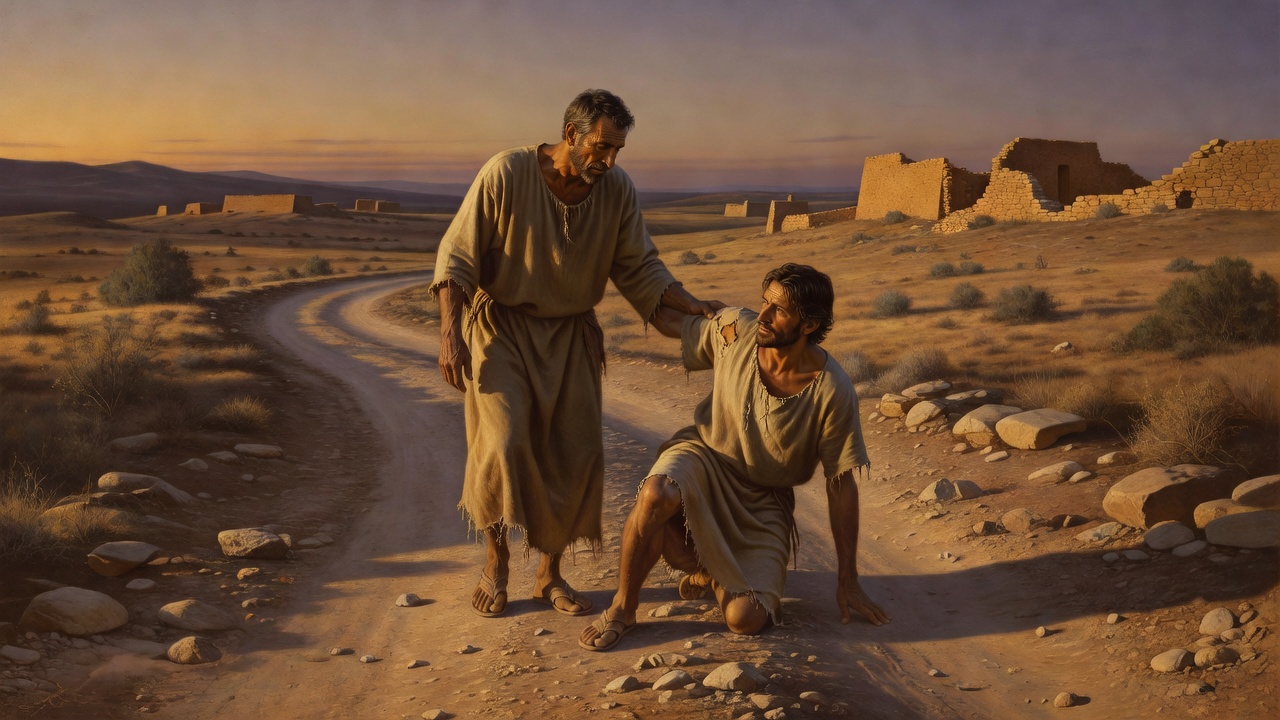
- Ecclesiastes highlights the practical value of companionship in daily life, explaining that two workers achieve a better return on their labor, can help each other up after a fall, provide shared warmth when lying down, and resist attackers together.Sources: the Bible text itself
- The passage contrasts the misery of solitary toil with the peacefulness of moderation, noting that some hoard wealth endlessly despite having no companion, son, or brother with whom to share it.Sources: the Bible text itself
- The text illustrates the fleeting nature of political fame through the figure of a poor, wise youth who rises from prison to replace an unteachable king, gaining massive popularity that is later forgotten by future generations.Sources: the Bible text itself
Notes written with AI assistance from open sources (Theographic Bible Metadata, CC BY-SA 4.0; Easton’s Bible Dictionary, public domain) and reviewed before publishing.
Credits and license for this translation
Habo nalolene bi gahenge lo winigo ogo
The Holy Bible with Deuterocanon in the Huli Language of Papua New Guinea
Buk Baibel long tokples Huli long Niugini
Copyright © 1983, 1991, 2002 Bible Society of Papua New Guinea
℗ Faith Comes by Hearing
Language: Huli
Translation by: Bible Society of Papua New Guinea
This translation is made available to you under the terms of the
Creative Commons Attribution-Noncommercial-No Derivatives license 4.0.
You may share and redistribute this Bible translation or extracts from it in any format, provided that:
You include the above copyright and source information.
You do not sell this work for a profit.
You do not change any of the words or punctuation of the Scriptures.
Pictures included with Scriptures and other documents on this site are licensed just for use with those Scriptures and documents.
For other uses, please contact the respective copyright owners.
2014-12-11
Source: http://png.bible/hui/ · eBible.org