Amos 9
Habo nalolene bi gahenge lo winigo ogo · Tap a verse to see its cross-references.
Anduane Homogohanda Isaraele wali agali manani helenego ogo
1Anduane Homogo ibu lomabu delaga dabu ibuni andagaha wiagoria hapara howa hearia i̱na handaru. Ibugua bi ogodagua laya. I̱ andagaha wali agali haga dagia ngaruni ema bialu birila gimbu bilo anda gene daliga bolangua kagoria nduli badali ha. Anda gene hongohe karuni bo podo paya bialu wali agali karuni bibahendenaga emboneni poda dambi halu bo homelai hela. Uruniha bo dambi nahe hayadaru waitigime ibalu wai buwa bai helolebero. Ani berogola mbiraore hangubi ibida pialu ha do naholebira. 2Mbiralime i̱ni heneda handala dindiha gua bima pialu humbirini andaha tagira puwa ha do heaguabi ogoni ibu i̱nime haruru puwa handa walia halu minulebero. Mbirali ibu pialu dahuliya andagaha iragaho heaguabi ogoni ibu dindi ogoria minu gililope holebero. 3Maru amu Hari Kamelo kagoha puwa ha do heaguabi i̱na handa walia halu minaore bulebero. Maru ti ibida puwa iba solowara timbuni bedagoha anda pialu unuraore bira do hayaguabi nde ibaha abagua timbuni bedagohondo, Haya, lolebero. 4Waitigirume ibuwa garabayabu yalu piyaguabi nde tihondo homelo bo wahalimu lalu lamulebero. I̱na ti biamogo nabi homelo bo wahai holebero, lalu Anduane Homogohanda lene.
5Anduane Homogo Bibahende Haru Haame Ho Haga howa Hongo Haiheore kago ibugua dindi ogo ela haragola
dindi bibahende ema biai halu wali agali dindini karume mogo lowa dugu biaga ka.
Iba Naili poragome tulala ladaga howa ibira hagadagua
dindi bibahende ngaru porabu daga halu ibira haga nga.
6Anduane Homogohanda dahuliya andagaha howa ibunaga anda bu helalu
hari mindini karume dindi ogo dangila dambi halu anda mbira bia haradagua bida.
Ibugua iba solowara bedaru ibidaba lowa
dindi bibahendeni odo paya bia laragola ani biaga.
Ogoni biaga kago ibuninaga mini Anduane Homogoore laga kagoni.
7Anduane Homogohanda lalu, Isaraele wali agaliru-o i̱na tí handaya ho haruligodagua dege Idiobia wali agalirubi nde ani dege handayaho haruli. I̱na Pilidia wali agali karubi nde Kiridi dindiha howa haru íbu helalu Siria wali agali bu karunibi Kia dindi howa haru ibirugoni. Abale Isaraeleali tí Iyibi dindiha howa haru tagira ibirudagua dege tibi haru ibinigo ka. 8Anduane Homogo Bibahende Haru Haame Ho Haga kogo i̱na Isaraele wali agali tígua mana bialu kamiruni handalu koria mana ko dewaore tíha to̱ledane hendedo. Anidagua bidamigodago ai i̱na Isaraele wali agali tí bo hilo wahai helolebero. I̱na bo wahaiore nahe howa Yagabanaga aguaneneru maru nde yu waho helolebero.
9I̱na bi larogome ladi ale mini widi lini aeanela tale biagadagua Isaraele wali agali i̱nime dabaki holebero. Isaraele wali agali ko biaga karuni dindi mendeha widi aeaneru yalu pu wahagadagua bialu dindi tara ngaruha ho bilibolo lelolebero. 10Marume lalu, Ngode Datagaliwabehanda inaha mo ko holene mbira naibilolebira, lalu haga karu bibahende waitigirume ti bo wahai helolebero, lalu Anduane Homogohanda lene.
Isaraele dindi lone mo bayale holebira lenego ogo
11Anduane Homogohanda lalu, Horo mbira tagira ibulene ngago ogoni ibirangi i̱na Isaraele wali agalinaga kini mbira tínaga mamali Debidi henegobi helalu anda mbira podo ibira ho wiradagua bidaruni lone mo heyaho helolebero. Anda ibu abale bayale hongohe hayagobi helo hadai bilolebero. 12Ani bidogola Isaraeleali ti hongohe howa Idomo agali karu baba wai bialu howa bo podalu dindi ti karulolebira. Dindi marubi i̱ninaga ala wini ngaru bibahende tigua karulai holebira, lene. Bi ogoni Anduane Homogo ibunime bule layago biaiore holebira.
13Anduane Homogohanda lalu, Horo mbira ibulebirago
ogoningi tomo bayale abale anda howa
lini dewaore wali agali abale nai habe nahe dolebira.
Pu mbira lini daga mini gerebi karume lini dewaore abale daragola
waini iba wabiaga karume lini pingidalu waini iba wa biai habe nahe dolebira.
Waini iba bayaleru dindi hari ngaruha howabi hari bare emene ngaruha howabi
dugua tagi hene ale hambu paya biradagua bulebira.
14I̱ninaga wali agaliru tini dindi wiyagoha haru dai bulebero.
Tinaga anda paberu gialobaga bini wiyaru
lone bu aribia halu hayagobi dege helolebira.
Tinaga mabu hangaga wiyagoha gerebi irane hongowa
gerebi lini dedagola dagadagua waini iba wabialu hambu nalu tomo marubi hangalu dewa nalu holebira.
15I̱naga wali agali uruni ti tinaga dindi i̱nime mirugoha bayale kagola
mbiralime ti lone bo batagi habe nahe holebira.
Anduane Homogo tínaga Ngode Datagaliwabehanda bi ogonidagua laya,
lalu Amosohanda lai hene.
Did you know?
Judgment and Future Restoration
- Amos 9:7 compares Israel's exodus from Egypt to God guiding the origins and movements of other peoples, mentioning the Philistines from Caphtor and the Arameans from Kir. Many scholars identify Caphtor with Crete, while Kir was a known destination of Aramean exile.Sources: the Bible text itself · Caphtor · Kir
- The prophecy in Amos 9:11-12 speaks of restoring the fallen shelter or tent of David and possessing the remnant of Edom. Edom, the rugged, mountainous land associated with Jacob's brother Esau, had a long history of conflict with Israel.Sources: the Bible text itself · Esau (Edom) · Edom
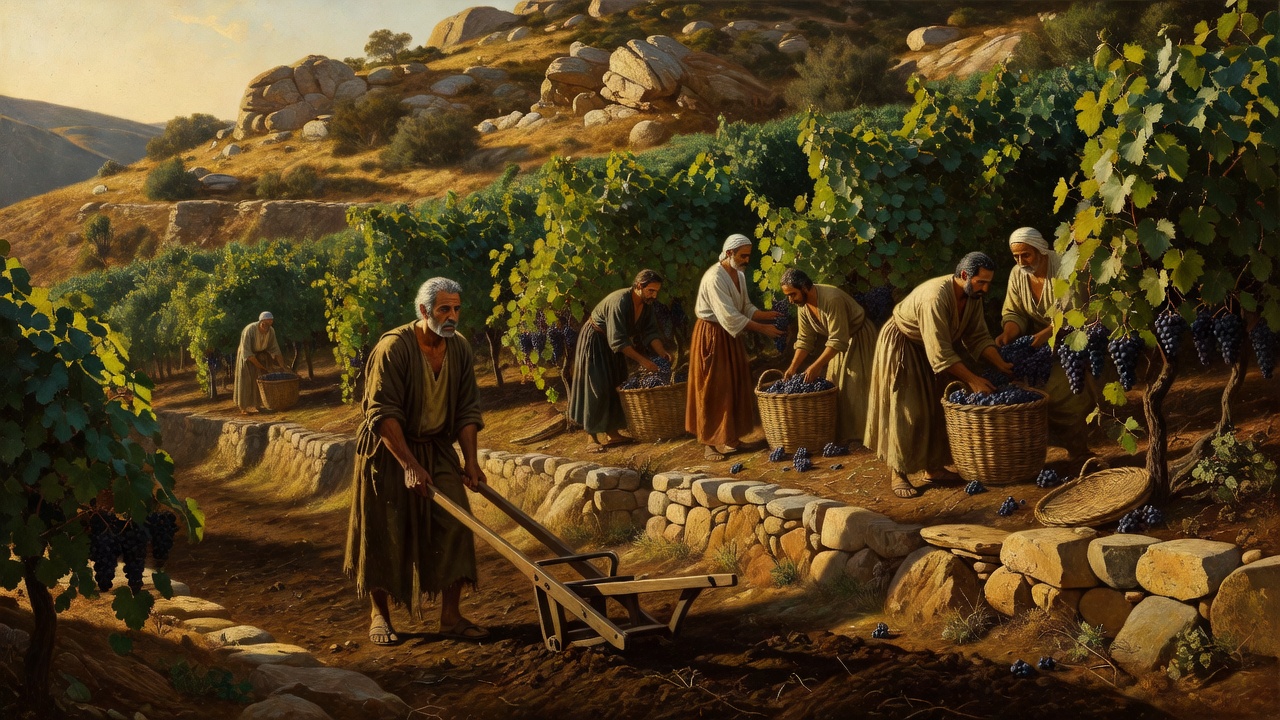
- The chapter concludes with a vision of extraordinary agricultural abundance, where the plowman overtakes the reaper and hills drip with sweet wine. This imagery depicts a restored remnant rebuilding ruined cities, replanting vineyards, and living securely in their land.Sources: the Bible text itself
Notes written with AI assistance from open sources (Theographic Bible Metadata, CC BY-SA 4.0; Easton’s Bible Dictionary, public domain) and reviewed before publishing.
Places in this chapter
- Mount Carmel · 32.672, 35.023 · verse 3
- Egypt · 30.129, 31.308 · verses 5, 7
- Nile · Today: Nile River · 31.465, 30.367 · verse 5
- Ethiopia · 16.935, 33.751 · verse 7
- Edom · 30.746, 35.604 · verse 12
Only places identified with high confidence are shown (90% or more according to the scholarly sources compiled by OpenBible). Period map: DARE (Digital Atlas of the Roman Empire), CC BY 4.0; modern map: © OpenStreetMap contributors; places: OpenBible.info (CC BY 4.0).
Credits and license for this translation
Habo nalolene bi gahenge lo winigo ogo
The Holy Bible with Deuterocanon in the Huli Language of Papua New Guinea
Buk Baibel long tokples Huli long Niugini
Copyright © 1983, 1991, 2002 Bible Society of Papua New Guinea
℗ Faith Comes by Hearing
Language: Huli
Translation by: Bible Society of Papua New Guinea
This translation is made available to you under the terms of the
Creative Commons Attribution-Noncommercial-No Derivatives license 4.0.
You may share and redistribute this Bible translation or extracts from it in any format, provided that:
You include the above copyright and source information.
You do not sell this work for a profit.
You do not change any of the words or punctuation of the Scriptures.
Pictures included with Scriptures and other documents on this site are licensed just for use with those Scriptures and documents.
For other uses, please contact the respective copyright owners.
2014-12-11
Source: http://png.bible/hui/ · eBible.org