Revelation 6
Juziñamui Ñuera Uai · Tap a verse to see its cross-references.
Siete dɨ́gade sello daɨna rabénico ɨbaira rafue
1Cordero afe siete dɨ́gade séllomona nánora tuíñuana cɨódɨcue. Daje llezica cuatro dɨ́gade cáadɨmɨiaɨmona dáamɨe dáɨnana cacádɨcue. Ie úrilla uai, mona gɨ́rɨa fɨcɨ́rena izói fɨcɨ́rede. Daɨde:
—Mai eróizaɨbi, —daɨde.
2Cue eroilla llezica úzerede cabállona cɨódɨcue. Afe emódomo ráɨicaidɨmɨe zɨcuira llɨ́icaide. Iemo illaɨma ɨfo icuífoɨna ie jɨtádiaɨoɨ. Jɨta mei afémɨe naga náɨraɨna anáfenocana jaide. Ie mei nágaruillaɨdo afémɨe íaɨoɨna anáfenofɨrede.
3Méifoide séllona Cordero cuata llezica, tórona éroide cáadɨmɨe úrillana cacádɨcue. Afémɨe:
—Mai eróizaɨbi, —daɨde.
4Afe llezica jíaɨrede caballo jino bíllana cɨódɨcue. Afe emódomo ráɨicaidɨmɨemo féitalle rɨ́ino afémɨemo iga. Afémɨe nana naɨraɨ caɨmare uái illa féitaite, comɨnɨ conímana fazɨ́tallena. Afe llezica áillue lloébɨcɨna afémɨemo iga.
5Iemo Cordero nane jɨáɨe tercer daɨna sello cuata llezica, jɨáɨe cáadɨmɨe úrillana cacádɨcue. Afémɨe:
—Mai eróizaɨbi, —daɨde.
Jira eróidɨcue. Eróidɨcuemo daa jítɨrede cabállona cɨódɨcue. Afe emódomo ráɨicaidɨmɨe mérenana onóillena facara raa llɨ́icaide. 6Iemo cáadɨmɨiaɨ cɨ́gɨmona dáamɨe úrilla uai cacádɨcue. Aféuai daɨde:
—Daa kilo trigo daa mona táɨjɨna fɨdɨ. Iemo daámani kilo cebada daa mona táɨjɨna fɨdɨ. Iemo aceite vino dɨga jaca jeruíredeza, mei afe ɨballe úcube iñédeza, —daɨde.
7Afe mei Cordero jɨáɨe ‘cuarto’ daɨna sello cuata llezica, cáadɨmɨiaɨmona íiraɨmɨe úrillana cacádɨcue. Afémɨe:
—Mai, eróizaɨbi, —daɨde.
8Eróidɨcuemo borárede cabállona cɨódɨcue. Afe emódomo ráɨicaidɨmɨe tɨtáfɨredɨmɨe daɨnámɨe. Afémɨe óodana tɨ́idɨno illano jana maméidɨmɨe bite. Enɨe cuatro dɨga fecácamona dáanɨe íemo iga, afénomo rɨire ocuíllena. Afénomo comɨ́nɨna fuiríllado íaɨoɨna tɨ́coɨzitaite. Iemo daje izói júbiedo íaɨoɨna tɨ́coɨzitaite. Iemo dúicuaɨdo íaɨoɨna tɨ́coɨzitaite. Iemo énɨemo ite illáɨrede rɨ́llenɨaɨ íaɨoɨna tɨ́coɨzitaite.
9Afe mei Cordero jɨáɨe ‘quinto’ daɨna sello cuata llezica, ‘altar’ daɨna Juzíñamui caɨmátaitarano anamo ite, tɨtaca comɨnɨ comécɨaɨna cɨódɨcue. Afémacɨ Juzíñamui uai llócailla ɨ́coɨnia tɨtácaiaɨoɨ. 10Afe bimacɨ fɨcɨre úritiaɨoɨ; daɨdíaɨoɨ:
—Ɨaɨfuenide caɨ Ocuídɨmɨe, uícodo o llógana méidoñeno ñue fuitáfɨredɨo. Enɨemo ite caɨ tɨtádɨno ɨere jɨcánota duere o fɨnóllena, ¿nɨé dɨnó naɨ mozíñoitɨo? Caɨ fatɨno ɨba o ollɨrui, ¿nɨ́garui naɨ baɨ dúiñoitɨo? —daɨdíaɨoɨ.
11Mei jira afe altar anamo itɨ́macɨ úzecuiruaɨna igáiaɨoɨ. Afe llezica naɨ nano íanori ocózinaitagaiaɨoɨ. Mei nana íaɨoɨ tɨ́illa izói uire tɨtállɨno, Juzíñamui mámianomo naɨ dúcɨñede. Afe tɨtállɨno, naui íaɨoɨ tɨtaca ámatɨaɨ izói, Cristo uaimo táɨjɨfɨrediaɨoɨ.
12Cordero nane jɨáɨe ‘sexto’ daɨna sello cuata llezica, eróidɨcuemo, énɨe ɨere jacɨre docaide. Iemo jitoma zúunaillana, jɨtaca jítɨroi izói éroide. Afe llezica fɨui náauina jíaɨrede dɨe izói méidoficaide. 13Afe dáaruido mona ero ucúduaɨ cocɨ́diaɨoɨ. Ua, higuera daɨna amena llɨzilla, jairifo rɨire begüíñuamona cócɨa izói, afe izói ucúduaɨ ana bíñɨemo cocɨ́diaɨoɨ. 14Afe llezica, rabe jofo ferɨ́rioicailla izói, mona ferɨ́rioicaide. Iemona cɨóbicaiñena. Iemo dáaruido nana caifóneduaɨ naa monáillai cɨgɨ íduaɨ íaɨoɨ illánomona oni jɨ́recaide. 15Iemona naɨraɨ illaɨnɨ caifóneduaɨ anamo ite ífuaɨmo, naa jéerie nofɨ́cɨaɨ cɨ́gɨedo retáiritiaɨoɨ. Afénomo jamánomoidɨno daje izói retáiritiaɨoɨ. Iemo aillo ráanaitɨno, íemo fuiríraɨnɨ illáɨcomɨnɨ, íemo ɨere rɨíredɨnuiaɨ, íemo nana jacɨre rairuícano, daje izói buna ráiruiñegano, nana afénomo retáiritiaɨoɨ. 16Afémacɨ caifóneduaɨna jéerie nofɨ́cɨaɨna daɨífɨrediaɨoɨ:
—¡Mai caɨmo baɨi! Mai caɨna jiita, baie illaɨma ráɨiranomo ráɨide Juzíñamuimona caɨna rétaido. Cordero fɨnolle jacɨre caɨ duere fɨnóllɨfuemona caɨna rétaido, —daɨífɨrediaɨoɨ. 17Mei jɨɨ, ɨere jacɨre comɨnɨ duere fɨnóllɨrui jae dúcɨdeza. ¿Bu mei áfena mozíñorena?
Did you know?
The Opening of the Six Seals
- The first four seals reveal four riders on white, bright red, black, and pale green horses, summoned one by one by the four living creatures. Each horseman brings a distinct affliction across the earth, ranging from conquest and the loss of peace to widespread famine, plague, and death.Sources: the Bible text itself
- The third horseman holds a pair of scales, accompanied by a proclamation setting the price of a quart of wheat or three quarts of barley at a denarius, reflecting severe inflation and food rationing while oil and wine are preserved.Sources: the Bible text itself
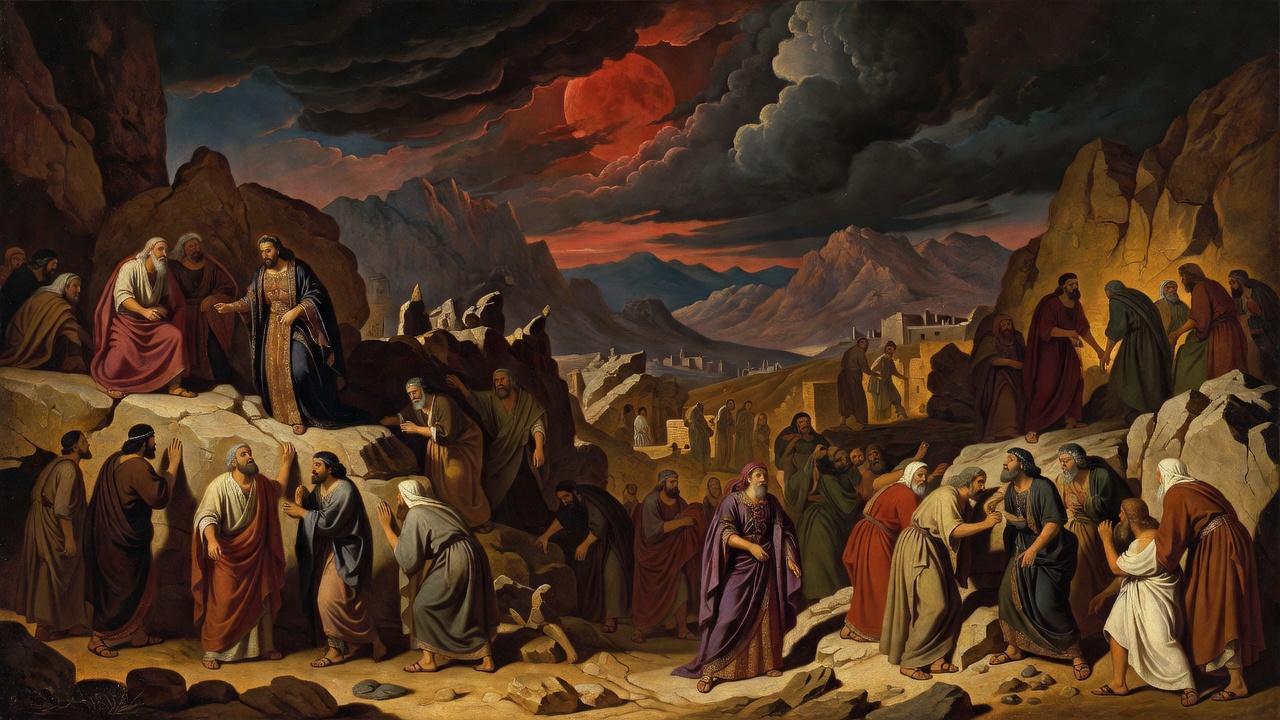
- When the fifth and sixth seals are opened, the focus shifts to the souls of slain believers waiting under the altar, followed by immense cosmic and earthly upheavals that lead people of every social station to hide in mountain caves.Sources: the Bible text itself
Notes written with AI assistance from open sources (Theographic Bible Metadata, CC BY-SA 4.0; Easton’s Bible Dictionary, public domain) and reviewed before publishing.
Credits and license for this translation
Juziñamui Ñuera Uai
New Testament in Huitoto, Minica
copyright © 2011 Wycliffe Bible Translators, Inc.
Language: Minica Huitoto (Huitoto, Minica)
Translation by: Wycliffe Bible Translators, Inc.
Copyright Information
© 2011, Wycliffe Bible Translators, Inc. All rights reserved.
This translation text is made available to you under the
terms of the Creative Commons License: Attribution-Noncommercial-No Derivative Works.
( http://creativecommons.org/licenses/by-nc-nd/3.0/ )
In addition, you have permission to port the text to different file formats, as long as you
do not change any of the text or punctuation of the Bible.
You may share, copy, distribute, transmit, and extract portions
or quotations from this work, provided that you include the above copyright
information:
You must give Attribution to the work.
You do not sell this work for a profit.
You do not make any derivative works that change any of the actual words or punctuation of the Scriptures.
Permissions beyond the scope of this license may be
available if you contact
us with your request.
The New Testament
in Huitoto, Minica
© 2011, Wycliffe Bible Translators, Inc. All rights reserved.
This translation is made available to you under the terms of the
Creative Commons Attribution-Noncommercial-No Derivatives license 4.0.
You may share and redistribute this Bible translation or extracts from it in any format, provided that:
You include the above copyright and source information.
You do not sell this work for a profit.
You do not change any of the words or punctuation of the Scriptures.
Pictures included with Scriptures and other documents on this site are licensed just for use with those Scriptures and documents.
For other uses, please contact the respective copyright owners.
2014-08-06
Source: http://ebible.org/hto/ · eBible.org