Revelation 2
Juziñamui Ñuera Uai · Tap a verse to see its cross-references.
Siete dɨ́gade iglésiaɨ daɨna Juzíñamuimo gaɨrífɨredɨnomo llollɨ́uai: Efésomo ite ɨ́ɨnotɨnomo llogáuai
1Cue cɨónamɨe dáanomo cuena daɨde:
Efésomo ite Juzíñamuimo gaɨrídɨno úiñoraɨmamo bíuai cúeiri: “Afe nabézido siete dɨ́gade ucúduaɨ llɨ́idɨmɨe daje izói siete dɨ́gade oro fɨnoina mechera cɨ́gɨdo macáfɨrede. (Afémɨe mechera cɨ́gɨdo mácafɨrena izói, comɨnɨ ñue úiñolle jana.) Afémɨe afe úiñoraɨmana bie izói daɨde: 2Nana o fɨnócafuiaɨna onódɨcue. O rɨíredemo táɨjɨdɨoza onódɨcue, naa o comecɨ járitaiñedeza. Daje izói fɨénidɨno fɨeni illáfuiaɨna ɨere izire o rairuíllana onódɨcue. Iemo jɨáɨ táɨnona “Jesucristo orécanodɨcaɨ” daɨdɨ́nona facátatɨoza onódɨcue. Afemona afémacɨ taɨno llúana baitɨ́oza. 3Jaca o comecɨ járidoñedɨo, íemo ɨere cuedo o táɨjɨna llezica cue ɨ́coɨnia ɨere duere zefuídɨoza. Afe llezica zefuíruiñeno ñue táɨjɨdɨo. 4Mei íadɨ daa fɨgóñedɨfuena omo ite. Nano fueñe cue o izíruilla izói birui cuena izíruiñedɨo. 5Ie jira nɨnómona oni nɨbéfodo baɨídɨoza comecɨ uibi. Mai omo itɨfue méidori. Fueñe o illa izói o iri. Bífuena o méidoñenia omo raɨre bíitɨcue, omo ite egáiñote raa oni óllena. 6Mei jɨáɨfodo, daa ñúefuena naɨ omo ite. Afe nicolaítas fɨeni fɨnócafuiaɨmo naa íaɨoɨ fɨeni jɨáɨfodo llógamo éoicana eróidɨo. Cue daje izói áfena éoidɨcue. 7Ñuera Joreño Juzíñamuimo jaɨnáidɨnona dáɨnamo cacáacadɨmɨe áfemo cacai. Afe Ñuera Joreño bie izói daɨíacade: “Fɨénidena anáfenodɨnona jáidɨmacɨna Juzíñamui nɨ́fueninanomo ite cáatate amena llɨzíllana güitátaitɨcue,” daɨde.
Esmírnamo ite ɨ́ɨnotɨnomo llogáuai
8Daje izói Esmírnamo ite Juzíñamuimo gaɨrídɨno úiñoraɨmamo bíuai cúeiri: “Nanóidɨmɨe dáamɨe íiraɨmɨena ómoɨmo úrite. Naui bínɨemo tɨ́idɨmɨe, íemo meine abɨdo nane cáadɨmɨena jaide. Afémɨe ona daɨde: 9Nana o fɨnócana onódɨcue. Daje izói o duere zefuíllana onódɨcue, naa o ráanina dɨga. Mei íadɨ uáfueza Cristo dɨbénedo ɨere ráaredɨo. Jɨáɨmacɨ fɨeni omo úrillana onódɨcue. Afémacɨ, “Juzíñamui nɨzeca Judíodɨcaɨ” daɨdíaɨoɨ, mei íadɨ íeñediaɨoɨ. Afémacɨ danɨ Taɨfe dɨbénemo jaɨnáidɨno. 10Duere o zefuíllemo jacɨ́naiñeno o iri. Mei ómoɨmona dámɨerie Taɨfe llavéracomo llavétaiteza, nana omoɨ facátallena. Daɨí omoɨ comecɨ ifue onóillena facátallɨomoɨza. Diez dɨ́garui duere zefuíredɨomoɨ. Mei íadɨ o tɨ́illɨnomo zóofeñeno ɨ́ɨnofɨreiri. Daɨí o íadɨ zíiñona cáallena o jɨrídotaitɨcue. 11Ñuera Joreño Juzíñamuimo jaɨnáidɨnona dáɨnamo cacáacadɨmɨe mai áfemo cacai. Afe Ñuera Joreño bie izói daɨíacade: “Fɨénidena anáfenodɨnona jáidɨmacɨ nane méifodo tɨ́illamo raamo jíriñeitiaɨoɨ,” daɨde.
Pérgamomo ite ɨ́ɨnotɨnomo llogáuai
12Daje izói Pérgamomo ite Juzíñamuimo jaɨnáidɨno úiñoraɨmamo bíuai cúeiri: “Afe nágafene jáirede lloefai llɨ́idɨmɨe bie izói ona daɨde: 13Nana o fɨnócana onódɨcue. Afe izói Taɨfe ocuícano cɨ́gɨmo itɨ́oza onódɨcue. Afénomo itɨo íadɨ zóofeñeno cuemo ñue o ɨ́ɨnuana onódɨcue. Daje izói cuemo o ɨ́ɨnuana fáɨcanocaiñedɨo. Afe izói Antipas mámecɨredɨmɨe cue ñue jaɨ́cɨna cue uai nabáifɨredɨmɨe. Afémɨe omoɨ cɨ́gɨri fatíaɨoɨ. Ie fáinaruido, cuemo omoɨ ɨ́ɨnuana zóofeñedɨomoɨ, Taɨfe illánomo itɨ́omoɨ íadɨ. 14Mei íadɨ cue lletárafuiaɨna ómoɨmo ite. Omoɨmona dáarie jadɨ́ Pérgamomo Balaam llófuiana fáɨcanocaiacañediaɨoɨ. Afe Balaam jaiai Balacna llófuete Israel comɨnɨ fɨeni fɨ́nuaillena. Afe Balac Balaam llófuiamona Israel comɨ́nɨna jánaraɨmo fecaca rɨ́llenɨaɨna rɨtátate. Afe dáaruido afémacɨna ɨere jɨruíretade. 15Nane jɨáɨe cue lletárafuena ómoɨmo ite. Omoɨ cɨ́gɨmo dáarie afe nicolaítas lloga uaina féitaiacañedɨno ite. Afémacɨna éoidɨcue. 16Ie jira mai omoɨ comecɨ ifue méidori; mei íadɨ omoɨ méidoñenia, raɨre omoɨ dɨga fuirízaɨbitɨcue. Uáfueza cue fuémona bite jáirede lloéfaido omoɨ fɨeni fɨnódɨnona fázɨaɨbitɨcue. 17Ñuera Joreño Juzíñamuimo jaɨnáidɨnona dáɨnamo cacáacadɨmɨe, áfemo cacai. Afe Ñuera Joreño bie izói daɨíacade, “Fɨénidena anáfenodɨmɨena jáitɨmɨe afe báinino ite maná daɨna monámona cocɨde güíllena güitátaitɨcue. (Bie maná Juzíñamui íaɨoɨ comécɨna náɨretaillena jana.) Iemo afémɨemo úzerede nofɨ́tofena fécaitɨcue. Afe nofɨ́tofemo buna ónoñega comue mámecɨ cuelle. Dama afe nofɨ́tofe llɨ́ɨnoitɨmɨe áfena onoille.” Aquíe izói daɨde.
Tiatíramo ite ɨ́ɨnotɨnomo llogáuai
18Daje izói Tiatíramo ite Juzíñamuimo jaɨnáidɨno úiñoraɨmamo bíuai cúeiri. “Juzíñamui Jitó ómoɨmo úrite. Afémɨe ui irai bóua izoide, íemo ie éɨba ñue queníretaga bronce izói quenírede. Afémɨe bie izói ómoɨna daɨde. 19Nana omoɨ fɨnócana onódɨcue. Cuena omoɨ izíruillana onódɨcue, naa cuemo omoɨ ɨ́ɨnua dɨga. Daje izói cue dɨbénedo ñue omoɨ táɨjɨcaillana onódɨcue, naa omoɨ comecɨ járitaiñena dɨga. Fueñe omoɨ táɨnia baɨmo birui jamánomo fɨnóicaidɨomoɨ. 20Mei íadɨ ómoɨmo daa cue lletárafuena naɨ ite. Afe Jezabel mámecɨredɨngo llógana rairuíñedɨomoɨ. Afengo, “Juzíñamui dɨbénedo úritɨcue,” daɨífɨrede, mei íadɨ fɨeni ie llócaigafuedo cue ocuífɨreganona jɨ́fuete. Afe jɨ́fuia uaido íaɨoɨna ɨere jɨruíretade. Daje izói jánaraɨmo fecaca rɨ́llenɨaɨna íaɨoɨna rɨtátate áfemo caɨmátaillena. 21Aféngomo are úiñoidɨcue afengo comecɨ ifue méidollena. Mei íadɨ afengo áfena méidoacañede. Afengo ie jɨruífuena fáɨcanocaiacañede. 22Mei jira birui afémacɨ afengo fɨnócafuena fáɨcanocaiñenia, aféngona ɨere izire ɨráretaitɨcue. Daje llezica nana afengo dɨga jɨruíredɨnona duere zefuítaitɨcue. 23Afengo úruiaɨna tɨ́taitɨcue. (Afe úruiaɨ daɨna afengo llógamo jiéruitɨno.) Afemona naga come ɨfocɨ úrillana, ie comecɨ ifue dɨga ñue ɨ́coɨmo cue onónana, nana Juzíñamuimo gaɨrídɨno fɨ́dɨitiaɨoɨ. Iemo ómoɨmona illa dɨ́gamɨe fɨeni omoɨ fɨ́nuaze ómoɨna duere fɨ́noitɨcue. 24Mei íadɨ ómoɨmona Tiatíramo ite jɨáɨmacɨ afe Jezabel omoɨ llófuia fɨénide uaina náfueñedɨomoɨ. Afe Jezabélmo jaɨnáidɨno íaɨoɨ llófueinana daɨdíaɨoɨ, “Caɨ llófueina uai Taɨfe ie, ɨere báinide naɨ uáfodo ónonidɨfuiaɨ,” daɨdíaɨoɨ. Afe llófueinana onótañegaomoɨ. Iemo ómoɨmo ite naui cue lloga baɨmo jɨáɨena ómoɨna ócuiñeitɨcue. 25Daa bie llóitɨcue: Omoɨmo ite ñúefuiaɨ ñue rairuiri, naɨ cue bíñeille dɨno. 26Fɨénidena anáfenodɨnona jáitɨnona náɨraɨaɨ ócuitɨmacɨna jóoneitɨcue. Afémacɨ cue jítainana ñue ɨ́coɨmo fuitádɨno. Ocuille rɨ́ino íaɨoɨmo jóoneitɨcue, 27mei daɨí cue Moo cue ocuille rɨ́inona cuemo jóoneteza. Iemona náɨraɨaɨna rɨírede lloébɨcɨ izóidedo rɨire ócuitiaɨoɨ. Iaɨoɨmo cacáreacañedɨnona ɨcɨ́ruaɨ lláia jéenino llairúngotailla izói, afe izói íaɨoɨna duere fɨ́noitiaɨoɨ. 28Daje izói monáiracudu ɨere ebire egáiñua izói, afémacɨna ebire fɨ́noitɨcue. 29Ñuera Joreño Juzíñamuimo jaɨnáidɨnona dáɨnamo cacáacadɨmɨe mai áfemo cacai.” Aquíe izói daɨde.
Did you know?
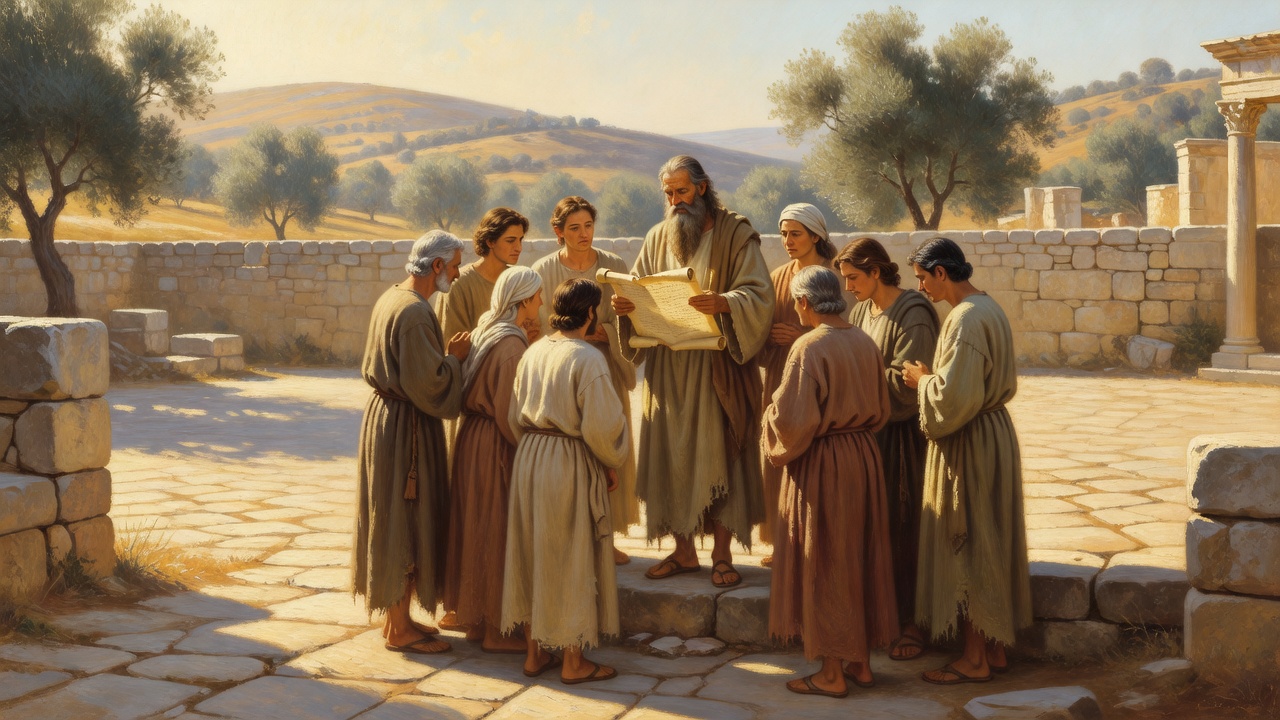
Messages to the Four Churches
- Ephesus was the capital of proconsular Asia and bore the Roman title of the first and greatest metropolis of the province. It was famous across the ancient world for its open-air theatre seating 50,000 spectators and for housing the chief shrine and temple of Diana.Sources: Ephesus · the Bible text itself
- Pergamum, the chief city of Mysia situated near the Caicus River, is described in the letter as the place where Satan's throne sits. The text commends the believers there for maintaining their faith even when Antipas, called a faithful witness, was killed in the city.Sources: Pergamum · Antipas · the Bible text itself
- Located between Lydia and Mysia, the city of Thyatira was celebrated for its textile dyeing industry, as confirmed by ancient inscriptions mentioning its guild of dyers. In the New Testament, Lydia, a seller of purple-dyed cloth, hailed from this city.Sources: Thyatira · the Bible text itself
Notes written with AI assistance from open sources (Theographic Bible Metadata, CC BY-SA 4.0; Easton’s Bible Dictionary, public domain) and reviewed before publishing.
Places in this chapter
- Ephesus · 37.939, 27.341 · verse 1
- Smyrna · Today: Izmir · 38.419, 27.138 · verse 8
- Pergamum · Today: Pergamon · 39.132, 27.184 · verse 12
- Thyatira · Today: Akhisar · 38.920, 27.837 · verses 18, 24
Only places identified with high confidence are shown (90% or more according to the scholarly sources compiled by OpenBible). Period map: DARE (Digital Atlas of the Roman Empire), CC BY 4.0; modern map: © OpenStreetMap contributors; places: OpenBible.info (CC BY 4.0).
Credits and license for this translation
Juziñamui Ñuera Uai
New Testament in Huitoto, Minica
copyright © 2011 Wycliffe Bible Translators, Inc.
Language: Minica Huitoto (Huitoto, Minica)
Translation by: Wycliffe Bible Translators, Inc.
Copyright Information
© 2011, Wycliffe Bible Translators, Inc. All rights reserved.
This translation text is made available to you under the
terms of the Creative Commons License: Attribution-Noncommercial-No Derivative Works.
( http://creativecommons.org/licenses/by-nc-nd/3.0/ )
In addition, you have permission to port the text to different file formats, as long as you
do not change any of the text or punctuation of the Bible.
You may share, copy, distribute, transmit, and extract portions
or quotations from this work, provided that you include the above copyright
information:
You must give Attribution to the work.
You do not sell this work for a profit.
You do not make any derivative works that change any of the actual words or punctuation of the Scriptures.
Permissions beyond the scope of this license may be
available if you contact
us with your request.
The New Testament
in Huitoto, Minica
© 2011, Wycliffe Bible Translators, Inc. All rights reserved.
This translation is made available to you under the terms of the
Creative Commons Attribution-Noncommercial-No Derivatives license 4.0.
You may share and redistribute this Bible translation or extracts from it in any format, provided that:
You include the above copyright and source information.
You do not sell this work for a profit.
You do not change any of the words or punctuation of the Scriptures.
Pictures included with Scriptures and other documents on this site are licensed just for use with those Scriptures and documents.
For other uses, please contact the respective copyright owners.
2014-08-06
Source: http://ebible.org/hto/ · eBible.org