Matthew 2
Juziñamui Ñuera Uai · Tap a verse to see its cross-references.
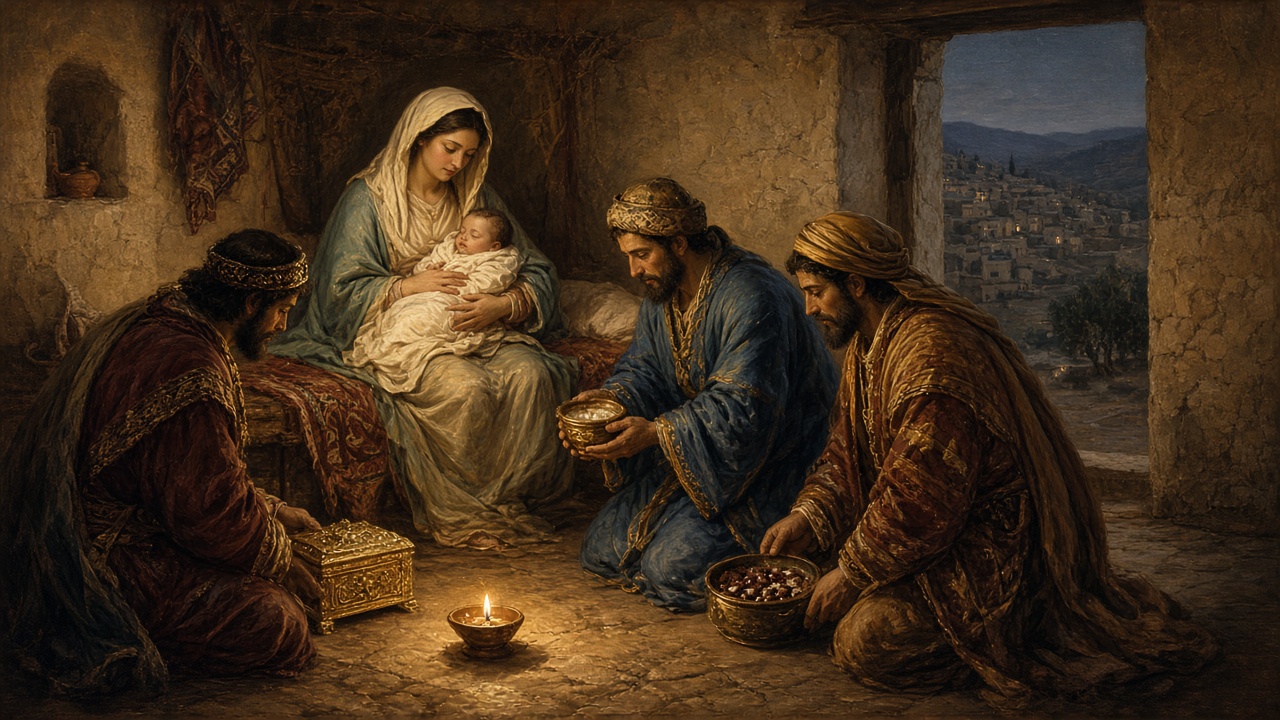
Magos daɨnámacɨ ucúduaɨdo ráfuena baitádɨno Jesuna méiñuaɨbitiaɨoɨ
1Jesús Belén jófuemo jococa. Afe Belén Judea énɨemo ite. Aféruillaɨdo Herodes afénɨemo illáɨmana ite. Iemo dáamacɨ jitoma billáfene imacɨ Jerusalemo dúcɨdiaɨoɨ. Afémacɨ ucúduaɨdo ráfuena baitádɨno. 2Dúcɨillano jɨcánotiaɨoɨ:
—¿Nɨnomo ite jococa Judíuaɨ illaɨma? Mei jitoma billáfenemo ie illano onótate ucúduna cɨódɨcaɨza. Afémɨe cáɨmadollena benomo bitɨcaɨ, —daɨdíaɨoɨ.
3Bífuena Herodes fɨ́dɨamona, afémɨe comecɨ llícɨde. Daje izói jɨáɨ nana Jerusalén comɨnɨ áfemo comecɨ llícɨoidiaɨoɨ. 4Iemona Herodes nana lletáriraɨnɨ illaɨnɨ, íemo ocuica uaillaɨ llófuetɨno dɨga dáanomo jɨ́ɨrillano jɨcánote. ¿Mei nɨe jófuemo afe Cristo jéicɨlle? 5Jira íena daɨdíaɨoɨ:
—Afémɨe Belén jófuemo jéicɨlle, mei jaiai Juzíñamui uai llóraɨnɨ bie izói dáɨdeza:
6Belén jofue Judá énɨemo ite.
Afe énɨemo ite jamánomoide jófuemona afe Belén dɨnó dúeñeite;
mei afénomo cue naɨraɨ Israel úiñoite illaɨma cómuiteza, —daɨí daɨdíaɨoɨ.
7Afe mei Herodes ucúduaɨdo ráfuena baitádɨnona báinino uáidote. Uáiduano íaɨoɨmo jɨcánote: “¿Nɨɨe monado afe ucúduna cɨódɨomoɨ?” 8Iaɨoɨ llua méifomo, Belemo íaɨoɨna orede. Oriano íaɨoɨna daɨde:
—Afénomo omoɨ jai. Jaillano afézana ñue jaɨ́cɨna omoɨ jɨcánori. Afeza omoɨ báiadɨ, cuemo lluáɨbiri, mei afézana cáɨmaduaiacadɨcue, —daɨde.
9Afe illaɨma daɨí íaɨoɨna daɨna mei, ucúduaɨdo ráfuena baitádɨno jáidiaɨoɨ. Ie mei jitoma billa dɨbénemona íaɨoɨ cɨona ucudu, meine abɨdo íaɨoɨna ɨfóicaide. Ɨfóicaillano afe úrue illánomo mózizaide. 10Baitádɨno afe ucudu mózizaillana cɨóillano, ɨere cáɨmacaidiaɨoɨ. 11Iemo afeco eromo jaillano, afézana ie ei María dɨga cɨóidiaɨoɨ. Iemona afézamo cañɨcɨ ana dújuillano, íena cáɨmadotiaɨoɨ. Afe mei íaɨoɨ atɨca raa túiñuano, afézamo fecádiaɨoɨ. Ua oro, íemo ugucɨ, íemo “mirra” daɨna ráifide ziórede raa, afézamo fecádiaɨoɨ. 12Afe méifomo, Juzíñamui nɨcáɨrillado íaɨoɨmo llote; Herodes illánomo íaɨoɨ jáiñeillena íaɨoɨna daɨde. Afemona oni jɨáɨe iodo íaɨoɨ énɨemo jáidiaɨoɨ.
Jesús moo íaillɨnoɨ Egíptomo bótaja
13Ucúduaɨdo baitádɨno meine jailla méifomo, Juzíñamui abɨ ímɨe (ángel daɨnámɨe) nɨcaɨ anado Josemo cɨ́ocaide. Cɨ́ocaillano íena daɨde:
—¡Náidacai! Náidacaillano úrue ie ei dɨga Egipto énɨemo omoɨ bota. Afénomo cue daɨille dɨnó omoɨ iri. Mei Herodes bie úrue fállena jénoiteza, —daɨde.
14Mei jira José náidacaillano, úrue naa ie éioɨri naɨo Egíptomo botádiaɨoɨ. 15Afénomo ua Herodes tɨ́ille dɨnó itíaɨoɨ. Bie izói íficaide, Juzíñamui uai llóraɨma jaiai daɨna uai ñue ɨ́coɨmo fuitállena. Afe uai be nɨɨe: “Egíptomona cue Jitó uáidotɨcue.”
Herodes nana úruiaɨna fazɨ́tate
16Iemo Herodes ucúduaɨdo baitádɨno afémɨe jɨfánodoɨana fɨdɨ́illano, afémɨe jamánomo rɨ́icaide. Iemona nana Belemo ite mena fɨmona fuitade úruiaɨna fazɨ́tate. Afe jofue áɨnodo ite úruiaɨna daje izói fazɨ́tate. Naui ucúduaɨdo baitádɨno úrue jocóinana Heródesmo llua izói, mena fɨmona fuitade úruiaɨna fazɨ́tate. 17Bie izói jaiai Juzíñamui uai llóraɨma Jeremías lloga uai fuite. Be nɨ́ɨuai:
18Rama jófuemo zúurede uai cácacaite; cáillɨcaillɨ eia uai cácacaite.
Naɨraɨ uzuma Jacob aɨ Raquel báɨfene jɨca ia cómuitaga úruiaɨri éhena.
Aféngomona jɨca ia úruiaɨ cómuitatɨno eia jaca buna fɨ́ranide, mei afengo úruiaɨ fazɨ́lliaɨoɨza,
daɨí Jeremías daɨde.
19Mei afe Herodes tɨilla méifodo Juzíñamui abɨ ímɨe nɨcaɨ anado batɨ́ Egíptomo Josemo cɨ́ocaide. Cɨ́ocaillano íena daɨde:
20—¡Náidacai! Náidacaillano úrue naa ie éioɨri abɨdo Israel énɨemo omoɨ jairi, mei naui baie fáiacadɨno nana ja tɨ́idiaɨoɨ, —daɨde.
21Afemona José afe úrue naa ie éioɨri abɨdo Israel énɨemo jáidiaɨoɨ. 22Mei íadɨ Arquelao ie moo Herodes ifomo illáɨmana íllana fɨdɨ́illano, José afe Judea énɨemo jáillana jacɨ́ruite. Iemo Juzíñamui nɨcaɨ anado afémɨemo llúamona, afémɨe afénomo jáiñeno Galilea énɨemo jaide. 23Afe Galiléamo dúcɨa méifodo, Nazaret jófuemo fɨébizaide. Bifue bie izói joide, jaiai Juzíñamui uai llóraɨma daɨna uai ñue ɨ́coɨmo fuitállena. Be nɨ́ɨuai: “Jesús Nazaret ímɨe daɨírena.”
Did you know?
Magi, Herod, and Nazareth
- The King Herod of this chapter is Herod the Great. His son Archelaus, by Malthace, a Samaritan woman, inherited a third of the kingdom: Idumea, Judea, and Samaria. Until a few days before Herod's death another son, Antipas, had been named successor, but in his last moments Herod named Archelaus; for fear of him, Joseph turned aside from Judea and withdrew to Galilee.Sources: Archelaus · the Bible text itself
- Matthew links the deaths of the boys in Bethlehem to words spoken through the prophet Jeremiah: a voice in Ramah, Rachel weeping for her children. Rachel, one of Jacob's wives, died giving birth to Benjamin and was buried by the wayside on the road to Ephrath, that is Bethlehem, directly north of the town. Her sepulchre is regarded with great veneration by the Jews.Sources: the Bible text itself · Rachel · Bethlehem
- Bethlehem, in the hill country of Judah, was earlier called Ephrath and was also known as the city of David; under the Romans it lay in Judea, the southernmost of the three divisions of Palestine. Joseph and Mary went instead to Nazareth in Galilee, their home, a town not mentioned in the Old Testament. The name Nazareth is generally supposed to come from the Hebrew netser, a shoot or sprout, though some connect it with a word for guarding or watching.Sources: Bethlehem · Judea · Nazareth · the Bible text itself
Notes written with AI assistance from open sources (Theographic Bible Metadata, CC BY-SA 4.0; Easton’s Bible Dictionary, public domain) and reviewed before publishing.
Places in this chapter
- Bethlehem · 31.704, 35.208 · verses 1, 5, 6, 8, 9, 16
- East · Today: region around Amman · 31.955, 35.934 · verses 1, 2, 9
- Jerusalem · 31.777, 35.234 · verses 1, 3
- Judea · Today: Judea 1 · 31.777, 35.234 · verses 1, 5, 22
- Egypt · 30.129, 31.308 · verses 13, 14, 15, 19
- Galilee · 32.760, 35.527 · verse 22
- Nazareth · 32.702, 35.298 · verse 23
Only places identified with high confidence are shown (90% or more according to the scholarly sources compiled by OpenBible). Period map: DARE (Digital Atlas of the Roman Empire), CC BY 4.0; modern map: © OpenStreetMap contributors; places: OpenBible.info (CC BY 4.0).
Credits and license for this translation
Juziñamui Ñuera Uai
New Testament in Huitoto, Minica
copyright © 2011 Wycliffe Bible Translators, Inc.
Language: Minica Huitoto (Huitoto, Minica)
Translation by: Wycliffe Bible Translators, Inc.
Copyright Information
© 2011, Wycliffe Bible Translators, Inc. All rights reserved.
This translation text is made available to you under the
terms of the Creative Commons License: Attribution-Noncommercial-No Derivative Works.
( http://creativecommons.org/licenses/by-nc-nd/3.0/ )
In addition, you have permission to port the text to different file formats, as long as you
do not change any of the text or punctuation of the Bible.
You may share, copy, distribute, transmit, and extract portions
or quotations from this work, provided that you include the above copyright
information:
You must give Attribution to the work.
You do not sell this work for a profit.
You do not make any derivative works that change any of the actual words or punctuation of the Scriptures.
Permissions beyond the scope of this license may be
available if you contact
us with your request.
The New Testament
in Huitoto, Minica
© 2011, Wycliffe Bible Translators, Inc. All rights reserved.
This translation is made available to you under the terms of the
Creative Commons Attribution-Noncommercial-No Derivatives license 4.0.
You may share and redistribute this Bible translation or extracts from it in any format, provided that:
You include the above copyright and source information.
You do not sell this work for a profit.
You do not change any of the words or punctuation of the Scriptures.
Pictures included with Scriptures and other documents on this site are licensed just for use with those Scriptures and documents.
For other uses, please contact the respective copyright owners.
2014-08-06
Source: http://ebible.org/hto/ · eBible.org