Matthew 11
Juziñamui Ñuera Uai · Tap a verse to see its cross-references.
Juan Bautista orécano
1Jesús ie doce dɨ́gade llófuegamacɨ íaɨoɨ táɨjɨlle izói llófuiana fuilla méifomo, Jesús oni afe énɨemo ite jófuiaɨmo jaide, afénomo ite comɨnɨ llófuellena.
2Aféruido Juan Bautista llavéracomo illa llezica afémɨe Jesús fɨnócafuiaɨna fɨdɨde. Ie jira iedo jáidɨnomona dáarie Jesumo jɨcánuaitate. 3Jesumo dúcɨillano jɨcánotiaɨoɨ:
—¿Meita o biite Cristo daɨnámɨedɨo? ¿Nɨbaɨ naɨ jɨáɨe bíitɨmɨe úiñoredɨcaɨ? —daɨdíaɨoɨ.
4Jira Jesús afémacɨna daɨde:
—Omoɨ cɨona, omoɨ cacana izói Juaamo omoɨ lluájiri. 5Bífuiaɨ afémɨemo lluájiri: Uínidɨno ñue cɨódiaɨoɨ, macáñedɨno macádiaɨoɨ, ɨáɨre chíinaitɨno íaɨoɨ chíiemona ñue jacáitagaiaɨoɨ. Iemo jefona cacáiñedɨno ñue cacádiaɨoɨ, íemo dáarie tɨ́idɨno meine abɨdo cáadɨnona jáidiaɨoɨ. Daje izói dúeredɨno jíllona uaina llogáiaɨoɨ. 6Cuemo ɨ́ɨnoñeillɨ uaina baiñédɨmɨe ióbite.
7Juan orécano meine abɨdo jailla méifomo, Jesús Juaado comɨ́nɨmo úrite; daɨde:
—Mei táɨzicɨmo ¿mɨnɨ́cana cɨóizaidɨomoɨ? Nɨbaɨ dáamɨe ie daɨna uaina méidofɨredɨmɨena cɨóizaifɨredɨomoɨ. 8Afe izóidɨmɨena omoɨ cɨ́oizaiñenia, ¿mei nɨe izóidena cɨóizaidɨomoɨ? ¿Meita nɨbaɨ ñue cɨ́oide ráifide ɨniroi jɨtáoidɨmɨe cɨóizaidɨomoɨ? Onódɨomoɨza ráifide ñúecuiroi jɨtáoifɨredɨno jaca illaɨnɨ jofomo ífɨrediaɨoɨ. 9Mei íiraɨnomo ¿mɨnɨ́cana cɨóizaidɨomoɨ? ¿Nɨbaɨ Juzíñamui uai jino llóraɨmana cɨóizaidɨomoɨ? Jɨɨ. Uáfueza. Juzíñamui uai llóraɨma baɨmo jamánomoidɨmɨena cɨóizaidɨomoɨ. 10Juan baie Cuegáuai daɨnámɨe. Jaiai uícodo naɨ cue biñena llezica, aféuaimo Juzíñamui, afémɨe dɨbénedo cuena daɨde:
O bille io ñue fɨnóllena izói, comɨnɨ íaɨoɨ comécɨdo ñue omo jiéruillena, cue lluájitɨmɨe o uícodo orédɨcue.
11Uáfena ómoɨna dáɨitɨcue, nana comɨ́nɨmona ite Juzíñamui uai llóraɨnɨmona Juan Bautista baɨmo jamánomoidɨmɨena iñede. Mei jɨáɨfodo Juzíñamui illáɨmana illánomona jabóidɨmɨe Juan baɨmo jamánomoide.
12Mei íadɨ Juan Bautista bíllamona ua biruimo aillo comɨnɨ rɨ́ifuedo raa báɨrua izói, monamo ite Juzíñamui illáɨmana illánomo ɨere izire jofo jáiacadiaɨoɨ. Afe rɨ́ifuedo afénomo jofo jáiacadɨno bie izói comécɨidiaɨoɨ: “Afe illánona anáfenuano jofo jáitɨcaɨ,” daɨí comecɨ facádiaɨoɨ. 13Nana Juan uícomo ite Juzíñamui uai llóraɨnɨ naa Moisés lloga ocuica uai dɨga Juzíñamui illáɨmana illáruido úritiaɨoɨ. Iaɨoɨ úrilla méifodo Juan bite. 14Iemo jɨáɨfue ómoɨmo llóitɨcue. Omoɨ ɨ́ɨnoiacaniadɨ, bífuena ɨ́ɨnoredɨomoɨ. Naui lloga bíite Elías be nɨ́ɨmɨe Juan; mei Juan Elías daɨnámɨena bíteza. 15Mai cacáreacadɨno, omoɨ cacai.
16Iemo Jesús naɨ úrillano daɨde: Biruíllaɨdo itɨ́nona, ¿nɨɨe izói íaɨoɨna mámeitɨcue? 17Jofue cɨgɨ ibɨ́rɨmo jɨfánote úrue izóidiaɨoɨ. Afémacɨ conímamo ebírede rúado caɨmátaiacadiaɨoɨ, mei íadɨ áfena faɨríoñediaɨoɨ. Daje izói conímana zúurede rúado fɨ́raacadiaɨoɨ, mei íadɨ daje izói áfemo cacáreiacañediaɨoɨ. 18Afe bie izói ómoɨmo ite. Mei Juan Bautista billa llezica afémɨe fɨ́marillano fɨgo güiñede, daje izói rɨ́iji jiróñede. Ie jira “Fɨénide jóriaɨ úicaigamɨedɨo” íena daɨdɨ́omoɨ. 19Afe mei cue, afe Nanoide Ɨima Jitó daɨnámɨedɨcue bitɨcue. Billano, jɨáɨmacɨ izói güitɨcue, íemo jiródɨcue. Afemona nane bie izói cuena daɨdɨ́omoɨ: “Bímɨe ɨere güilláredɨmɨe, jéerie jírofɨredɨmɨe. Fɨénidɨno nabáidɨmɨe. Daje izói gobierno ɨbátaga úcube llɨ́ɨnoraɨnɨ nabáifɨredɨmɨe.” Daɨí cuedo úritɨomoɨ. Comɨnɨ Juzíñamui orécanona bie izói fɨeni daɨdíaɨoɨ íadɨ, Juzíñamui baitácafue dama ie fɨnócafuiaɨdo jino cɨ́ozite, —dɨnori Jesús daɨde.
Jófuiaɨmona dáarie Jesús uaina cacáreacañediaɨoɨ
20Iemona Jesús jɨáɨe jófuiaɨ comɨnɨ íaɨoɨ ɨ́ɨnoñena jira fueñe lletade. Mei afémɨe uaido daɨna comuide cɨóraɨnina ráamona nabene afémacɨ cɨ́gɨmo fɨnódeza. Mei íadɨ afeno comɨnɨ íaɨoɨ comecɨ ífuena naɨ méidoñediaɨoɨ. Afémɨe daɨde:
21—¡Corazín jofue comɨnɨ nɨɨ dúerena! ¡Daje izói Betsaida jofue comɨnɨ nɨɨ duere zefuilla! Mei íaɨoɨ cɨ́gɨri cue fɨnoca cɨóraɨnina raa, áfena Tiro comɨnɨ daje izói Sidón comɨnɨ cɨ́gɨmo naui fɨnódɨcuenia, nɨbaɨ raɨre jaiai uícodo íaɨoɨ comecɨ ífuena méidotiaɨoɨ. Uafue íaɨoɨ comecɨ ífuena méiduamona, ja dɨga fɨmona jaide. Afe llezica zúunaia jɨtáfɨrega jítɨroi jɨtáacadiaɨoɨ. Daje izói aféruimo íaɨoɨ zúunailla jino ácatallena jízefo ɨfomo jutáacadiaɨoɨ. 22Mei jɨáɨfodo ómoɨna dáɨitɨcue, íiraɨcaiño rɨire jɨcánollɨruimo Tiro Sidón dɨga duere fɨnóbina baɨmo Corazín íemo Betsaida comɨnɨ duere fɨnólliaɨoɨ, —daɨí daɨde.
23Iemo Capernaum jofue comɨnɨ Jesús lletade. Afémacɨ dɨbénedo daɨde:
—¿Meita íaɨoɨ ɨ́ɨnoga jofue monamo úirede? ¿Daɨí comecɨ facádiaɨoɨ, ero ua? Mei jɨáɨfodo íaɨoɨna daɨdɨcue, tɨ́idɨno illánomo ana dotaca izói nɨné táɨnocaitalliaɨoɨ. Mei íaɨoɨ cɨ́gɨmo cue fɨnoca cɨóraɨnina raa naui Sodoma jófuemo fɨnódɨcuenia, afe jofue naɨ biruimo nia ite. 24Mei íadɨ jɨáɨfodo Capernaum comɨ́nɨna dáɨitɨcue, íiraɨcaiño rɨire jɨcánollɨruimo Sodoma comɨnɨ baɨmo jɨcánolliaɨoɨ, —aquíe izói Jesús íaɨoɨna lletade.
Cuemo billano omoɨ ocózinairi
25Aféruillaɨdo Jesús daɨde:
—Mona Ocuíraɨma Moo Juzíñamui, omo ñúefue jóoneitɨcue, mei Juzíñamui dɨbénedo onóigafuiaɨ úrue izoide, comécɨna nɨ́ɨfuenide jamai comɨ́nɨmo jino cɨ́otatɨoza; mei íadɨ bínɨe ráfuena baitádɨnomona aféfuiaɨ o retáidoga. 26Jɨɨ, Moo, mei o daɨí jitáidɨoza.
27Jesús naɨ úrioide: Cue Moo, nana uafue onóigafuiaɨ ja cuemo llotɨo. Moo Juzíñamui, o Jitódɨcue, mei íadɨ buna uáfodo cuena ñue onóñena. O cue Móodɨoza, dama o ñue cuena onódɨo. Daje izói buna uáfodo ona ñue onóñena. Cue, o Jitódɨcueza, dama ona ñue onódɨcue. Iemo jɨáɨ daje izói o Jitó onótaacagano ñue ona ónoitiaɨoɨ.
28Iemo comɨ́nɨna daɨde: Omoɨ ñúefuiaɨ fɨnóacanamona zefuínaitɨno cue dɨné omoɨ bi; íemo jɨáɨ fɨénidɨfue ábɨana méeruitɨno daje izói cue dɨné omoɨ bi. Omoɨna ocózinaitaitɨcueza. 29Mai cue dɨga táɨjɨfɨrena izói ñúefuiaɨna fɨnóllena omoɨ onoiri; mei omoɨ dɨga táɨjɨfɨredɨcueza. Afe dájena táɨjɨnana cúemona omoɨ onoiri. Mei comécɨna járidoñedɨcueza. Daje izói comécɨna mánaɨdɨcueza. Afemona omoɨ comecɨ uái ocózinaillɨnona báitɨomoɨza. 30Omoɨ dɨga cue táɨjɨnana féinide. Daje izói ómoɨmo cue ocuíllafue jaca ómoɨna zéfuitañeite, —dɨnori úrite Jesús.
Did you know?
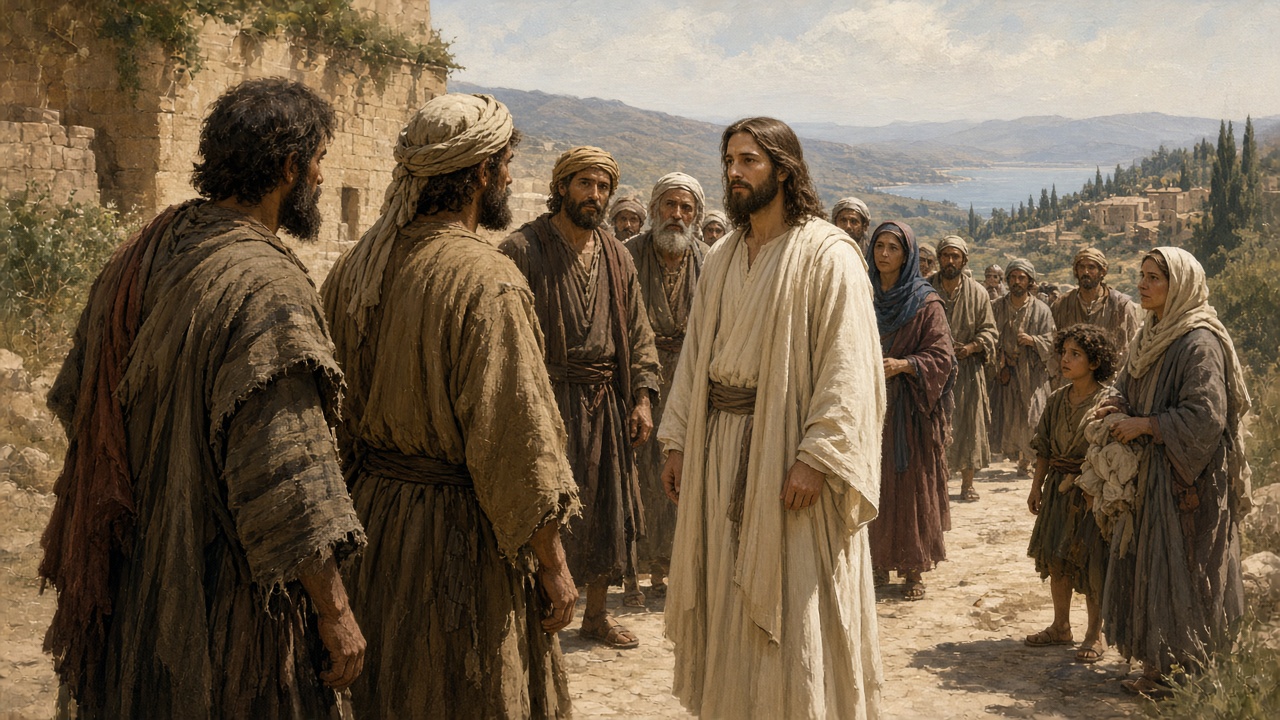
John's question and the cities that did not repent
- From prison, John sent his disciples to ask whether Jesus was the one who was to come. Jesus told the crowds that John was more than a prophet—the messenger sent ahead to prepare the way—and, if they were willing to accept it, the Elijah who was to come. A Bible dictionary calls John the forerunner and says his mission was already the subject of prophecy, citing Isaiah 40:3 and Malachi 3:1; it also introduces Elijah as the Elias of the New Testament.Sources: the Bible text itself · John the Baptist · Elijah
- Jesus then denounced Chorazin, Bethsaida, and Capernaum, where most of his miracles had been performed, because they did not repent. A dictionary identifies Chorazin with modern Kerazeh, about two and a half miles up the Wady Kerazeh from Capernaum, and says that Capernaum, absent from the Old Testament, became Jesus' own city after he left Nazareth. It places Bethsaida on the east side of the lake, two miles up the Jordan in Gaulonitis, enlarged by Philip the tetrarch and named Julias after the emperor's daughter, though some have supposed there was only one Bethsaida, near where the Jordan enters the lake.Sources: the Bible text itself · Chorazin · Capernaum · Bethsaida
- He set those cities against Tyre and Sidon, which he said would have repented long ago in sackcloth and ashes, and against Sodom, which he said would have remained to this day. Sidon, on the Mediterranean coast about twenty-five miles north of Tyre, was the oldest Phoenician city there and the mother city of Tyre. A dictionary says the commerce of the whole world was gathered into Tyre's warehouses, and that Sodom, in the vale of Siddim, was destroyed by fire from heaven so completely that no trace of it has been found.Sources: the Bible text itself · Sidon · Tyre · Sodom
Notes written with AI assistance from open sources (Theographic Bible Metadata, CC BY-SA 4.0; Easton’s Bible Dictionary, public domain) and reviewed before publishing.
Places in this chapter
- Galilee · 32.760, 35.527 · verse 1
- Sidon · Today: Sandikli archaeological site in Sidon · 33.561, 35.372 · verses 21, 22
- Tyre · 33.271, 35.196 · verses 21, 22
Only places identified with high confidence are shown (90% or more according to the scholarly sources compiled by OpenBible). Period map: DARE (Digital Atlas of the Roman Empire), CC BY 4.0; modern map: © OpenStreetMap contributors; places: OpenBible.info (CC BY 4.0).
Credits and license for this translation
Juziñamui Ñuera Uai
New Testament in Huitoto, Minica
copyright © 2011 Wycliffe Bible Translators, Inc.
Language: Minica Huitoto (Huitoto, Minica)
Translation by: Wycliffe Bible Translators, Inc.
Copyright Information
© 2011, Wycliffe Bible Translators, Inc. All rights reserved.
This translation text is made available to you under the
terms of the Creative Commons License: Attribution-Noncommercial-No Derivative Works.
( http://creativecommons.org/licenses/by-nc-nd/3.0/ )
In addition, you have permission to port the text to different file formats, as long as you
do not change any of the text or punctuation of the Bible.
You may share, copy, distribute, transmit, and extract portions
or quotations from this work, provided that you include the above copyright
information:
You must give Attribution to the work.
You do not sell this work for a profit.
You do not make any derivative works that change any of the actual words or punctuation of the Scriptures.
Permissions beyond the scope of this license may be
available if you contact
us with your request.
The New Testament
in Huitoto, Minica
© 2011, Wycliffe Bible Translators, Inc. All rights reserved.
This translation is made available to you under the terms of the
Creative Commons Attribution-Noncommercial-No Derivatives license 4.0.
You may share and redistribute this Bible translation or extracts from it in any format, provided that:
You include the above copyright and source information.
You do not sell this work for a profit.
You do not change any of the words or punctuation of the Scriptures.
Pictures included with Scriptures and other documents on this site are licensed just for use with those Scriptures and documents.
For other uses, please contact the respective copyright owners.
2014-08-06
Source: http://ebible.org/hto/ · eBible.org