Luke 23
Juziñamui Ñuera Uai · Tap a verse to see its cross-references.
Pilato uícomo Jesús uitíaɨoɨ
1Iemona nana náidacaillano Jesús Pilátomo uitíaɨoɨ. 2Afénomo dɨga fɨénidɨfuiaɨ íemo jóonetiaɨoɨ. Daɨdíaɨoɨ:
—Bímɨe caɨ comɨ́nɨmo icɨ́rafue comuítajana cɨódɨcaɨ. Iemona comɨnɨ áferi faɨllíñaicaidiaɨoɨ. Afémɨe “Romano jamánomoidɨllaɨma ɨbátaga úcube ɨbánidɨcaɨ,” daɨde. Afe llezica afémɨe “Illaɨma Crístodɨcue” daɨífɨrede, —daɨdíaɨoɨ.
3Jira Pilato afémɨemo jɨcánote:
—¿Meita o judíuaɨ Illáɨmana? —daɨde.
Jira Jesús uai ote:
—O daɨna izói, jɨɨ nɨ́ɨmɨedɨcue, —daɨde.
4Iemona Pilato lletáriraɨnɨ illáɨnɨna, naa comɨ́nɨri daɨde:
—Bie cómemo fɨénidɨfuena baiñédɨcue, —daɨde.
5Mei íadɨ dáanomo rɨire daɨdíaɨoɨ:
—Nana Judea comɨ́nɨmo ie llófueinafuiaɨdo icɨ́rafue íaɨoɨmo comuítate. Fueñe Galilea énɨemo daɨí fɨnode, íemo birui caɨ énɨemo nágagobiaɨdo daje izói fɨnode, —daɨdíaɨoɨ.
Herodes uícomo Jesús uitíaɨoɨ
6Jesús naui Galiléamo llófueoinafuena Pilato cacáillano, jɨcánote:
—¿Bie ɨima Galilea ímɨe? —daɨde.
7Comɨnɨ daɨí daɨdíaɨoɨmo, Heródesmo íena orede, mei afémɨe Galilea illáɨmana. Aféruillaɨdo Herodes Jerusalemo ite. 8Herodes Jesuna cɨóillano ɨere ióbicaide. Jaiai nɨnomo íena cɨóiacade. Comɨnɨ Jesudo dáɨnana Herodes cacáfɨrede. Iemona Jesús daa cɨóraɨnina raa fɨ́nuana Herodes cɨóacade. 9Iemo Herodes dɨga icaiño dɨga ráfuiaɨ íemo jɨcájɨcanode. Mei íadɨ Jesús jaca uaina oñede. 10Dáanomo lletáriraɨnɨ illaɨnɨ ocúicafue llófueraɨnɨri itíaɨoɨ. Bimacɨ Jesumo fɨénidɨfuiaɨ rɨire jóonetiaɨoɨ. 11Iemona Herodes ie fuiríraɨnɨ dɨga Jesuna ja jámairuitiaɨoɨ; ɨere íena áɨfedotiaɨoɨ. Afe mei ebírede illaɨma ɨníroina íemo jɨtádiaɨoɨ; jɨ́tamona daɨí afémɨe jɨfánodoɨdiaɨoɨ. Afe meífomo Herodes dáanomo Jesuna Pilátomo orede. 12Aféruido Pilato Herodes dɨga daje nabaina mameide. Jaiai uícodo are conímana éoidiaillɨnoɨ.
Jesús tɨtállena mamédiaɨoɨ
13Afe jira Pilato lletáriraɨnɨ illaɨnɨ, íemo rɨ́imacɨ naa comɨnɨ dáanomo gaɨrítano daɨde:
14—Bie omoɨ lloga comɨ́nɨmo icɨ́rafue comuítatɨmɨe. Mei íadɨ omoɨ cacáicana izire íena jɨcánotɨcue. Jɨcánuamona ie fɨeni fɨnócafuena baiñédɨcue. Afena cacádɨomoɨ. Daje izói afémɨemo omoɨ nitaca fɨénidɨfuiaɨ cɨóñedɨcue. 15Daje izói Herodes nɨ́ɨfuena cɨóñenano afémɨe abɨdo cuemo orede. Ja cɨódɨomoɨza, bímɨe tɨtállena iñede. 16Afémɨena zechétaitɨcue. Afe mei afémɨena zuitada jino óreitɨcue, —daɨde.
17Afe rafue ana comɨnɨ cáɨmacaitallena, Pilato daa llavécamɨena zuitáfɨrede. 18Mei íadɨ nana comɨnɨ dájena rɨire daɨdíaɨoɨ:
—Bie Cristo oni jɨca tɨtálleza. Barrabás caɨmo zuitari, —daɨdíaɨoɨ.
19Naui afe Barrabás llavéracomo llavédiaɨoɨ, mei afémɨe jofue comɨnɨ uáitajano jɨáɨe illaɨma jóoneacade. Afe llezica afémɨe jɨáɨmana ie tɨta ɨ́coɨnia llavédiaɨoɨ. 20Pilato Jesuna zuitáacade. Iemona dane dáanomo íaɨoɨmo úrite. 21Mei íadɨ afémacɨ rɨire daɨdíaɨoɨ:
—¡Cruzmo ie coraɨ! ¡Cruzmo ie coraɨ! —daɨdíaɨoɨ.
22Ja dacaiñoámani Pilato íaɨoɨna daɨde:
—¿Nɨbái mei ie tɨ́taitɨcue? ¿Afémɨe nɨɨé fɨénidɨfue fɨnode? Ie cue tɨtalle fɨénidɨfuena íemo baiñédɨcue. Afémɨena zechétaitɨcue. Afe mei afémɨena zuitada jino óreitɨcue, —daɨde.
23Mei íadɨ afémacɨ Jesús coráɨllena rɨ́irerie jɨcádiaɨoɨ. Jamánomo rɨ́irerie íaɨoɨ jɨ́cajamona, íaɨoɨ jitaica otíaɨoɨ. 24Iaɨoɨ jɨ́cajana are illa ɨ́coɨnia Pilato faɨríote. 25Afe jira nana llavécanuiaɨmona afe nɨzeca Barrabás Pilato zuitade. Afe Barrabás illaɨma uáitano jɨáɨllaɨma jóoneacana ɨ́coɨnia íena llavédiaɨoɨ. Afe izói jɨáɨma ie tɨta ɨ́coɨnia, llavédiaɨoɨ. Mei íadɨ Pilato afe comɨnɨ jitailla izói Jesuna fecade.
Jesús cruzmo coráɨdiaɨoɨ
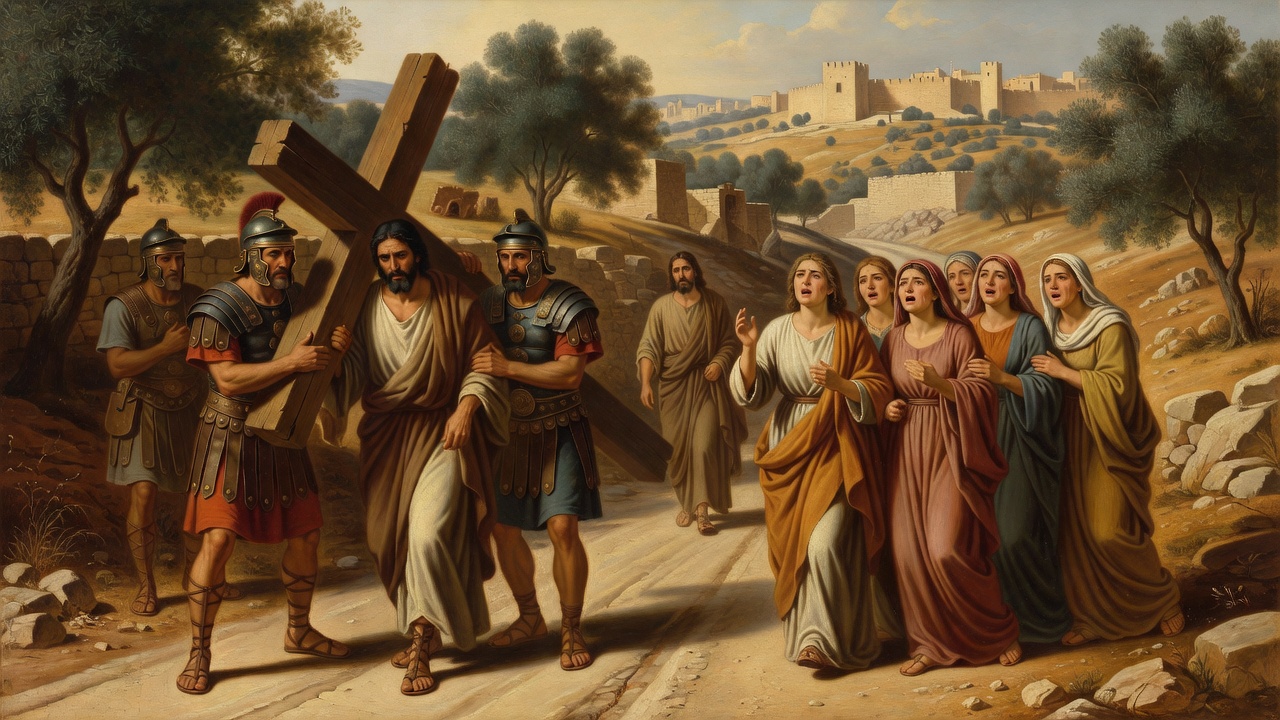
26Jesús íaɨoɨ coráɨailla llezica Cirene énɨe ímɨe Simona llaɨtádiaɨoɨ; Jesús uiga cruz íena uitátatiaɨoɨ. Afémɨe jino jacáfaɨmona jófuemo bite. Jira Jesús rocaca cruz Jesús óodana uitátatiaɨoɨ.
27Afe llezica dɨga comɨnɨ afémɨe óodana jáidiaɨoɨ. Daje izói dɨga rɨngónɨaɨ afémɨeri zúucaillano éecana jáidiaɨoɨ. 28Mei íadɨ Jesús aféngotɨaɨmo érocaillano daɨde:
—Jerusalén rɨngónɨaɨ, mai cueri éeñeno iri. Mei jɨáɨfodo danɨ omoɨ abɨri eeri. Daje izói danɨ omoɨ úruiaɨmo eeri. 29Mei jamánomo zúuredɨruillaɨmo dúcɨitiaɨoɨza. Aféruimo bie izói dáɨitiaɨoɨ: “Uruena comuítañedɨngotɨaɨ, ¡nɨɨ caɨmare illa! Daje izói úruenidɨngotɨaɨ, ¡nɨɨ caɨmare illa! Afe izói úrue mónoɨna jirótañedɨngotɨaɨ, nɨɨ caɨmare itíaɨoɨ.” 30Aféruimo comɨnɨ caifóneduaɨna dáɨitiaɨoɨ: “Caɨ emódomo jaɨíri,” dáɨitiaɨoɨ. Afe izói duera íduaɨna dáɨitiaɨoɨ: “Caɨ retáidori” dáɨitiaɨoɨ. 31Mei birui nɨ́fuenidɨmɨedɨcue ia bie izói duere cuena fɨnódiaɨoɨ. Iemona jɨáɨruido fɨénidɨno cue duere zefuilla baɨmo duere fɨnólliaɨoɨ, —daɨde.
32Afe llezica mena come, comɨnɨ fáfɨredɨno Jesús dɨga daane coráɨllena uitíaɨoɨ. 33Calavera maméidɨnomo dúcɨillano Jesús coráɨdiaɨoɨ. Daje llezica afe mena fɨénidɨmɨe íaillɨnoɨ, dáamɨe Jesús nabézimo, jɨáɨmɨe ie jarɨ́fezimo coráɨdiaɨoɨ. 34Ie íaɨoɨ coraɨna llezica Jesús daɨde:
—Moo, íaɨoɨ fɨeni fɨnócafue ɨba oñeno iri; abɨna onóñediaɨoɨ daɨí ñíaza, —daɨde.
Afe mei fuiríraɨnɨ onótarajɨ dotádiaɨoɨ Jesús ɨniroi áfedo danɨ íaɨoɨ maiñóllena. 35Afénomo ite comɨnɨ acáritiaɨoɨ. Afémacɨ naa naɨraɨ imacɨ illáɨcomɨnɨri afémɨe áɨfeduano daɨdíaɨoɨ:
—Jɨáɨmana jíllotafɨredɨoza, ua o Cristo o íadɨ, daje izói Juzíñamui nɨzécamɨena o íadɨ, daje izói Juzíñamui mai o abɨ jíllota, —daɨdíaɨoɨ.
36Daje izói fuiríraɨnɨ íena áɨfedodiaɨoɨ. Aɨnozillano rochíredɨjina, fɨgóñede vino íena jirótatiaɨoɨ. 37Jirótano daɨdíaɨoɨ:
—Judíuaɨ Illaɨma o íadɨ o abɨ jíllota, —daɨdíaɨoɨ.
38Ie ɨfo acónimo cuegábɨcɨ jae jóonega. Afébɨcɨ dazieámani uai cúeina: griego, íemo latín, íemo hebreo dɨga. Afébɨcɨmo daɨde:
“Bímɨe Judíuaɨ Illaɨma.”
39Coraɨca fɨénide íaillɨnoɨmona dáamɨe Jesús uáitano daɨde:
—Crístona o íadɨ, mai o abɨ jíllota coco dɨga, —daɨde.
40Mei íadɨ jɨáɨmɨe ie nabáimɨe llétajano daɨde:
—¿Nɨbái mei Juzíñamuina o jacɨ́ruiñedɨo? Daje duere fɨnóinafue anamo itɨ́oza. 41Coco aillo fɨnócafue ite. Jira dúere fɨnóbidɨcoco. Coco fɨnoca fɨénidɨfue ɨba ua otíaɨoɨ. Mei íadɨ bie ɨima fɨénidɨfuena fɨnóñede. 42Jira uáitañedɨmɨe Jesuna daɨde:
—Jesús, o illáɨmana illɨ́ruimo o dúcɨadɨ cuemo uíbicairi, —daɨde.
43Jira Jesús uai ote:
—Uáfuena ona dáɨitɨcue, ja birui cue dɨga ñue ebíredɨnomo íitɨo, —daɨde.
Jesús tɨ́illa
44Ja jitoma jaɨ́cɨri illa llezica nánɨena nauíbicaide. Afe nauilla are ite. Ua jitoma arɨ́femona ana ítemo llɨ́ɨcaide. 45Afe llezica jitoma ui duide. Jítɨreficaide. Daje llezica gaɨríracomo fetácaroi caifona ana eróicana dáafenedo daɨngo cúajicaide. 46Afe mei Jesús fɨcɨre caillɨde:
—Moo, cue joreño omo cue ígaza, —daɨde.
Daɨí daɨnano tɨ́ide.
47Romano illaɨma afe íficaidɨfue cɨóillanona Juzíñamuimo caɨmátaide. Daɨde:
—Uáfueza. Bímɨe jaca nɨ́ɨfuenidɨmɨe, —daɨde.
48Daje izói nana afénomo ite comɨnɨ bie íficaidɨfuena cɨóillano afénomona íaɨoɨ jófuemo jamánomo zuure jáidiaɨoɨ. 49Mei íadɨ nana Jesús onóigamacɨ aféfuiaɨmo jɨcana acáritiaɨoɨ. Daje izói Galiléamona Jesudo jaide rɨngónɨaɨ jɨcana acáritiaɨoɨ.
Jesús raɨtíaɨoɨ
50Judea énɨemo ite Arimatea jofue ímɨe José afénomo ite. Afémɨe ñue comecɨ jaɨ́cɨna jóidɨmɨe. Afe José judíuaɨ ocuide illáɨcomɨnɨmo jaɨnaide. 51Afe bie José Juzíñamui illáɨmana illɨ́ruimo ocuírifɨrede. Afe jira afémɨe jɨáɨe judíuaɨ ocuide illáɨcomɨnɨ fɨnócana jiéruiñede. 52Ie jira afémɨe Jesús abɨ Pilátomo jɨ́cajide. 53Afémɨe Jesús abɨ crúzmona ana uano áillue ɨníroina junide. Junilla mei, idu anamo nofɨ́cɨmo fɨnócacojɨmo afémɨe Jesús raɨte. Aféfomo naɨ buna ráɨñena. 54Nana bífuiaɨ viernes nauife dɨbénedo zuíde. Jaca uícodo viérnemo ocózinaillaruimo jitaica raana fɨ́nofɨrediaɨoɨ.
55Afe Galiléamona Jesudo bite rɨngónɨaɨ Jesús ráɨinano éroizaidiaɨoɨ. Afe llezica ie abɨ tɨ́ide bɨ́inana cɨódiaɨoɨ. 56Aféngotɨaɨ meine jofomo jaillano, zióredɨji, naa abɨ bɨ́ranɨaɨri fɨnódiaɨoɨ. Afe mei ocózinaillaruimo ocuica uai daɨna izói ocózinaidiaɨoɨ.
Did you know?
Trial, Cross, and Burial
- Pontius Pilate, identified by Easton's Bible Dictionary (1897) as the sixth Roman procurator of Judea (A.D. 26–36), kept his headquarters at Caesarea but often went up to Jerusalem. The council’s accusations in this chapter are political: that Jesus was subverting the nation, forbidding the payment of taxes to Caesar, and proclaiming himself Christ, a king.Sources: Pontius Pilate · the Bible text itself
- When Pilate learned that Jesus was a Galilean and under Herod’s jurisdiction, he sent him to Herod Antipas, a son of Herod by Malthace, who was then in Jerusalem. Herod had long wanted to see Jesus and hoped for a miracle, but Jesus did not answer his questions. After Herod and his soldiers mocked Jesus and dressed him in a fine robe, they sent him back, and that day Herod and Pilate, who had been enemies, became friends.Sources: Herod Antipas · the Bible text itself
- The place of crucifixion is called The Skull; a Latin form, Calvaria, translated the Greek Kranion, which rendered the Hebrew Gulgoleth. It probably took this name from its shape, a low, rounded, bare rise somewhat like a human skull, and Scripture nowhere calls it a hill. The crucifixion took place outside the city walls and near a public road.Sources: Skull · the Bible text itself
Notes written with AI assistance from open sources (Theographic Bible Metadata, CC BY-SA 4.0; Easton’s Bible Dictionary, public domain) and reviewed before publishing.
Places in this chapter
- Galilee · 32.760, 35.527 · verses 5, 6, 7, 49, 55
- Jerusalem · 31.777, 35.234 · verses 5, 7, 19, 28
- Judea · Today: Judea 1 · 31.777, 35.234 · verses 5, 51
- Cyrene · 32.821, 21.851 · verse 26
Only places identified with high confidence are shown (90% or more according to the scholarly sources compiled by OpenBible). Period map: DARE (Digital Atlas of the Roman Empire), CC BY 4.0; modern map: © OpenStreetMap contributors; places: OpenBible.info (CC BY 4.0).
Credits and license for this translation
Juziñamui Ñuera Uai
New Testament in Huitoto, Minica
copyright © 2011 Wycliffe Bible Translators, Inc.
Language: Minica Huitoto (Huitoto, Minica)
Translation by: Wycliffe Bible Translators, Inc.
Copyright Information
© 2011, Wycliffe Bible Translators, Inc. All rights reserved.
This translation text is made available to you under the
terms of the Creative Commons License: Attribution-Noncommercial-No Derivative Works.
( http://creativecommons.org/licenses/by-nc-nd/3.0/ )
In addition, you have permission to port the text to different file formats, as long as you
do not change any of the text or punctuation of the Bible.
You may share, copy, distribute, transmit, and extract portions
or quotations from this work, provided that you include the above copyright
information:
You must give Attribution to the work.
You do not sell this work for a profit.
You do not make any derivative works that change any of the actual words or punctuation of the Scriptures.
Permissions beyond the scope of this license may be
available if you contact
us with your request.
The New Testament
in Huitoto, Minica
© 2011, Wycliffe Bible Translators, Inc. All rights reserved.
This translation is made available to you under the terms of the
Creative Commons Attribution-Noncommercial-No Derivatives license 4.0.
You may share and redistribute this Bible translation or extracts from it in any format, provided that:
You include the above copyright and source information.
You do not sell this work for a profit.
You do not change any of the words or punctuation of the Scriptures.
Pictures included with Scriptures and other documents on this site are licensed just for use with those Scriptures and documents.
For other uses, please contact the respective copyright owners.
2014-08-06
Source: http://ebible.org/hto/ · eBible.org