Acts 19
Juziñamui Ñuera Uai · Tap a verse to see its cross-references.
Pablo Efésomo meine dúcɨnafue
1Apolos naɨ Coríntomo illa llezica, Pablo Galacia énɨemo jaillano, íduaɨ íllado jaide. Jáillano Efeso jófuemo dúcɨde. Dɨnomo ite Juzíñamuimo ɨ́ɨnotɨmacɨna cɨ́oizaide. 2Iaɨoɨmo jɨcánote:
—¿Meita omoɨ ɨ́ɨnuamona Ñuera Joreño úicaigaomoɨ? —daɨde.
Jira afémacɨ uai otíaɨoɨ:
—Afe Ñuera Joreño íllana, jaca due cacáñedɨcaɨ, —daɨdíaɨoɨ.
3Mei jira Pablo nane jɨcánote:
—¿Mei bu mámecɨdo báutizagaomoɨ? —daɨde.
Jira afémacɨ uai otíaɨoɨ:
—Juan mámecɨdo báutizagacaɨ, —daɨdíaɨoɨ.
4Jira Pablo íaɨoɨna daɨde:
—Juan lloga báutizainafue comɨnɨ comécɨmo ite fɨénidɨfuiaɨ méiduana jino náɨraɨmo cɨ́otate. Mei íadɨ Juan meífodo bitɨ́mɨemo ɨ́ɨnoredɨomoɨ ómoɨna daɨdɨcue. Afe bitɨ́mɨe Jesús; afe Jesús Juzíñamui Nɨzécamɨe Cristo, —daɨde.
5Aféfuena cacáillano caɨ Ocuídɨmɨe Jesús mámecɨdo báutizagaiaɨoɨ. 6Pablo íaɨoɨmo onoɨ bɨ́tamona, Ñuera Joreño íaɨoɨmo bite. Iemona afémacɨ jɨáɨmacɨ uáillaɨdo úritiaɨoɨ. Juzíñamuimona oga úrilla uaillaɨ jino llotíaɨoɨ. 7Afémacɨ nɨbaɨ doce dɨ́gamɨediaɨoɨ.
8Pablo afe llófueriracomo daámani fɨui jáicade. Dɨnomo comecɨ jácɨcaiñeno jino íaɨoɨmo llófuerite. Juzíñamui illáɨmana illáfuedo izire íaɨoɨmo jino llote íaɨoɨ ɨ́ɨnollena. 9Mei íadɨ dámɨerie comecɨ rairuíllano aféfuena ɨ́ɨnoacañede. Comɨnɨ eróicana Juzíñamui ñúefuiaɨdo fɨeni úritiaɨoɨ. Iemona Pablo íaɨoɨ cɨ́gɨmona oni jɨáɨcomo jaide. Jaillano Pablo afe Juzíñamuimo ɨ́ɨnotɨnona jɨáɨe comɨnɨ llófueracomo uite. Afe llófueraco naama Tiranno. Dɨnomo Pablo nágaruillaɨdo llófuiaide. 10Daɨí dɨnomo mena fɨmona llófuerite. Iemona nana Asia énɨe naɨraɨ Ocuíraɨma Jesús llogáfuiaɨmo cacáreidiaɨoɨ. Judíuaɨmona nano dɨga ímɨiaɨ ɨ́ɨnotiaɨoɨ. Afe dájerize judíoñedɨnomona ɨ́ɨnotiaɨoɨ. 11Juzíñamui dɨga áillue cɨóraɨnina ráanɨaɨ Páblodo fɨnode. 12Uiéco dóraroillaɨ Páblomo atɨ́diaɨoɨ jinófene jɨtáraroillaɨ dɨga. Aféroillaɨ Pablo jétanona ɨráredɨmacɨmo uitíaɨoɨ. Afe jetácaroi íaɨoɨ llɨ́ɨnuamona jíllobicaidiaɨoɨ. Daje izói jɨáɨmacɨmo ite fɨénide jóriaɨ oni jáizɨtiaɨoɨ.
13Afe mei macáraɨnɨ judíuaɨ dárie dúcɨdiaɨoɨ. Afémacɨ:
—Fɨénide jóriaɨaɨ comɨ́nɨmona oréredɨcaɨ, —daɨdíaɨoɨ. Ja Ocuíraɨma Jesús mámecɨdo afe fɨénide jóriaɨaɨ jino oréacadiaɨoɨ. Jɨáɨmacɨmo ite jóriaɨaɨna daɨdíaɨoɨ:
—Pablo lloga Jesús mámecɨdo ja birui ómoɨna jino orédɨcaɨ, —daɨdíaɨoɨ. 14Afe izói judío ímɨe Esceva siete dɨga jitótɨaɨ daɨdíaɨoɨ. Afe Esceva lletáriraɨnɨ illaɨma. 15Afémɨe jitótɨaɨ daɨí dáɨnamona afe fɨénide jóriaɨ íaɨoɨ uai ote:
—Cue Jesuna onódɨcue. Daje izói Páblona onódɨcue; mei íadɨ omoɨ mei ¿búdɨomoɨ? —daɨde.
16Daɨí daɨna mei, fɨénidena jóriaɨredɨmɨe rɨire íaɨoɨna llaɨtade. Nana íaɨoɨna anáfenuano ɨere duere íaɨoɨna fɨnode. Ja ɨere jamánomo duere íaɨoɨ fɨnóinamona, afécomona émuiromaɨaɨ naa boáfiaɨri jino botádiaɨoɨ. 17Nana Efésomo ite comɨnɨ, judíuaɨ naa judíoñedɨnori aféfuena fɨdɨ́illano ɨere jacɨ́ruitiaɨoɨ. Iemona Ocuíraɨma Jesús mámecɨna jamánomoideza daɨdíaɨoɨ. Afemona aillo ñúefue Jesumo nitádiaɨoɨ.
18Aillo áfemo ɨ́ɨnotɨmacɨmona jaiai íaɨoɨ fɨnoca fɨénidɨfuiaɨ uáfodo jino llotíaɨoɨ. 19Daje llezica aillo naui aiñɨ́nɨaɨ uaimo fɨbídɨno, íaɨoɨmo ite fɨénino úrilla rabénicuaɨ átɨano naɨraɨ eróicana jobáidiaɨoɨ. Afe jobáicanicuaɨ comécɨdo facádiaɨoɨmo, jamánomo ráifide izoide, daɨdíaɨoɨ. “Cincuenta mil úcubetunillaɨ dɨeze ráifide,” daɨdíaɨoɨ. 20Daɨí Juzíñamui lloga uaillaɨ jamánomo oni móonaioicaide. Afedo Juzíñamui rɨ́ino jino cɨ́otaoicaide.
21Afe meífodo Macedonia énɨemo Acaya énɨe dɨga dɨno comɨnɨ uáiduaillena Pablo mamérite. Afeno comɨnɨ uáidua meífomo, abɨdo Jerusalemo jáizaillena Pablo comécɨdo daɨde. Afe emódomo daɨde:
—Jerusalemo cue jaille mei, dɨnómona Rómamo jáiacadɨcue, —daɨde. 22Mei jira Macedóniamo mena ie canóraɨma Timoteo Erasto dɨga uícodo orede. Mei íadɨ Pablo naɨ Asiamo nano nɨ́garui fɨébide.
Efésomo fɨénidɨfuedo faɨllíñeidiaɨoɨ
23Aféruillaɨdo Jesús lloga ñúefuiaɨri aillo fɨeni faɨllíñeidiaɨoɨ. 24Afe faɨllíñeinafue Demetrio como fueñe taɨneca. Afémɨe aillo ebírede ráanɨaɨ plátamona fɨnóraɨma. Juzíñamuina íaɨoɨ mamécango Artemisa, nofɨcɨ fɨnoina jánaraɨ. Aféngomo gaɨríraco izói, plátamona ráɨiracojɨna fɨnoda, Demetrio fecáfɨrede. Afedo afémɨe ie dɨga táɨjɨraɨmacɨ íena aillo úcube otíaɨoɨ. 25Iemo Demetrio naa jɨáɨe daje izói táɨjɨnana fɨbídɨnori dánomo gaɨrídiaɨoɨ. Dɨnomo íaɨoɨna daɨde:
—Cáɨmacɨ, omoɨ cácarei. Bie caɨ táɨjɨnado ñue ráaredɨcaɨ, onódɨomoɨ. 26Mei íadɨ baie Pablo llócaigafuena cacádɨomoɨza. Afémɨe daɨde: “Comɨnɨ fɨnoca juzíñamuillaɨna íeñede,” daɨde. Ie llogáfuemo Pablo aillo comɨ́nɨna ɨ́ɨnotade. Daa benó Efésomoñede daɨí ɨ́ɨnotade, mei íadɨ nana Asia énɨedo ɨ́ɨnotaacade. 27Afefue ɨere jacɨre cacaide. Afedo caɨ fecácaiganɨaɨna táɨnocaitaɨbite. Daje izói caɨ áillue juzíñamui caɨ daɨnango Artemisa gaɨríraco jalléinafuena féitaite. Afe izói bie juzíñamui daɨnango jamánomo ebírenafuena jámairuitaɨbite. Nana Asia énɨe naa jɨáɨe énɨiaɨri aféngomo áɨnozifɨrediaɨoɨ, —daɨí Demetrio daɨde.
28Aféfuena cacáillano, ɨere comécɨdo rɨ́icaidiaɨoɨ. Iemona caillɨ́oicana daɨdíaɨoɨ:
—¡Caɨ Efeso imacɨ juzíñamui caɨ daɨnango Diana, jaca nɨnomo záiñeno iri! —daɨdíaɨoɨ.
29Iemona nana afeno jófuedo aféfuiaɨ ɨere rɨire júfidotiaɨoɨ. Aillo afeno comɨnɨ ɨfo ɨrɨ́note. Afe llezica mena Pablo nabaide íaillɨnoɨ llaɨtádiaɨoɨ. Afe íaillɨnoɨ mámecɨ Gayo Aristarco dɨga; Macedonia ímɨe íaillɨnoɨ. Iaɨoɨ llaɨta mei afémacɨ naɨraɨ uícomo íaɨoɨ gaɨríracomo íaillɨnoɨna zocana uitíaɨoɨ. 30Pablo afeco jofomo comɨ́nɨmo úrizaiacade, mei íadɨ ñúefuena ɨ́ɨnotɨno afe jofo jáillena rairuídiaɨoɨ. 31Afe llezica Asia rɨ́imacɨ Pablo dɨga caɨmare úriraɨnɨ, Pablo afeco jofo jáiñeillena uai íemo orédiaɨoɨ. 32Iaɨoɨ gaɨrilla llezica, dárie jɨáɨfodo llotíaɨoɨ; jɨáɨmɨiaɨ jɨáɨfodo jɨ́ɨrioicana llotíaɨoɨ. Mei aféfuiaɨri jamánomo fɨeni faɨllíñeidiaɨoɨ. Ja nabénaɨraɨ aféfuena onóñediaɨoɨ, nɨ́fueri gaɨrídiaɨoɨza. 33Mei íadɨ gaɨrídɨno cɨ́gɨmona dámɨerie jino Alejándromo aféfuiaɨ llotíaɨoɨ. Afe Alejándrona judíuaɨ, afeno comɨnɨ uícomo judíuaɨ abɨ rɨ́iduafuedo úrillena, baɨ íena naidánetiaɨoɨ. Baɨ náidaillano ie ónoɨdo íaɨoɨna, “Mai omoɨ llɨɨcai,” daɨde. 34Mei íadɨ afémɨe judío ímɨenana íaɨoɨ comécɨdo onónamona, mena hora nana caillɨ́oicana daɨdíaɨoɨ:
—¡Caɨ Efeso naɨraɨ naango Artemisa, jaca nɨnomo záiñeno iri! —daɨdíaɨoɨ.
35Iemona afeno jofue jabóllaɨma ɨ́coɨnia comɨnɨ llɨ́ɨcaitade. Llɨ́ɨcaitano íaɨoɨna daɨde:
—Efeso naɨraɨ, omoɨ cácarei. Naga énɨe náɨraɨaɨ caɨ ɨere jalleide juzíñamui daɨnango Artemísamo gaɨríracona úiñotagamacɨdɨcaɨ, afe caɨ úiñuafuena onódiaɨoɨ. Afe daje izói aféngona mameca monámona ana baɨíde jánaraɨna úiñotagamacɨdɨcaɨza onódiaɨoɨ. 36Mei bifue buna jaca jáanonideza, mai omoɨ llɨɨcai. Comecɨ facáñeno nɨ́ɨfuena lloñeno iri. 37Mei bie omoɨ atɨca íaillɨnoɨ, omoɨ juzíñamui daɨnango Artemísari fɨénidɨfuena úriñediaillɨnoɨ. Aféngona rɨ́icaitañediaillɨnoɨ. 38Demetrio zúucaillafue nɨ́ɨmɨemo íadɨ, mai jɨcánoraɨmamo lluájiri. Daje izói afémɨeri táɨjɨraɨnɨ zúucaillafue íadɨ lluájiri. Jaca rɨ́imacɨ uícomo meine abɨdo óllena afémacɨ llórediaɨoɨ. 39Mei jɨáɨfodo omoɨ jɨcánoiacaniadɨ, mai rɨ́imacɨ daɨna izói omoɨ gaɨriri. 40Ja birui jácɨfuemo baɨízaidɨcaɨza. Birui omoɨ fɨnócafue ɨ́coɨnia, illaɨma anáfenuafuena caɨmo nítaitiaɨoɨ. Bie omoɨ faɨllíñeinafue caɨmo íaɨoɨ jɨcánoiadɨ, íaɨoɨ uai caɨ ollɨfue jaca due iñede, —daɨde.
41Daɨí daɨna meífodo, afénomo gaɨrídɨno oni raɨnode.
Did you know?
Paul, the Way, and Artemis in Ephesus
- Ephesus was the capital of proconsular Asia, the Roman province covering the western part of Asia Minor, and in Roman times it bore the title of the first and greatest metropolis of Asia. The city was distinguished for the temple of Artemis, whom the Romans called Diana, built outside the walls and reckoned one of the seven wonders of the ancient world. At its center stood an ancient image of the goddess, reputed to have fallen from the sky.Sources: Ephesus · Diana · Asia
- Demetrius, a silversmith at Ephesus, made silver shrines of Artemis, models of her temple or of her statue, which sold readily to visitors from all over Asia Minor. Acts says this trade was the craftsmen's source of prosperity, and that Demetrius warned them of danger to their business and to the honor of the temple of Artemis, the goddess he said was worshiped throughout the province of Asia and the whole world.Sources: Demetrius · the Bible text itself
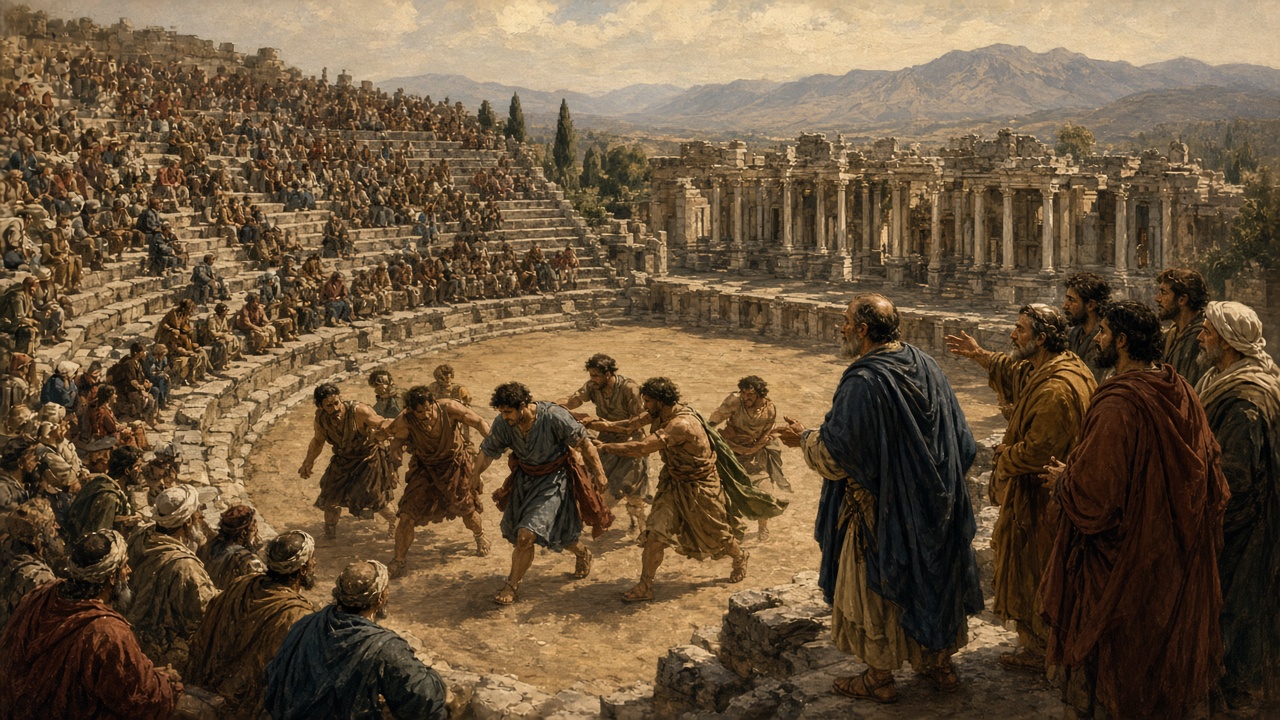
- The crowd rushed into the theatre of Ephesus, which Easton's Bible Dictionary (1897) describes as the largest in the world, open to the sky and able to hold 50,000 spectators. Friends of Paul among the chiefs of Asia, wealthy citizens elected each year to preside over the games and religious festivals of their cities, begged him not to go in. The city clerk then reminded the assembly that Ephesus was guardian of the temple of the great Artemis and of her image, said to have fallen from heaven.Sources: Ephesus · Asia · the Bible text itself
Notes written with AI assistance from open sources (Theographic Bible Metadata, CC BY-SA 4.0; Easton’s Bible Dictionary, public domain) and reviewed before publishing.
Places in this chapter
- Corinth · 37.906, 22.879 · verse 1
- Ephesus · 37.939, 27.341 · verses 1, 17, 23, 26, 35
- Asia · 38.400, 28.300 · verses 10, 22, 26, 27, 31
- Achaia · 38.720, 22.540 · verse 21
- Jerusalem · 31.777, 35.234 · verse 21
- Macedonia · 41.600, 22.540 · verses 21, 22, 29
- Rome · 41.892, 12.485 · verses 21, 40
Only places identified with high confidence are shown (90% or more according to the scholarly sources compiled by OpenBible). Period map: DARE (Digital Atlas of the Roman Empire), CC BY 4.0; modern map: © OpenStreetMap contributors; places: OpenBible.info (CC BY 4.0).
Credits and license for this translation
Juziñamui Ñuera Uai
New Testament in Huitoto, Minica
copyright © 2011 Wycliffe Bible Translators, Inc.
Language: Minica Huitoto (Huitoto, Minica)
Translation by: Wycliffe Bible Translators, Inc.
Copyright Information
© 2011, Wycliffe Bible Translators, Inc. All rights reserved.
This translation text is made available to you under the
terms of the Creative Commons License: Attribution-Noncommercial-No Derivative Works.
( http://creativecommons.org/licenses/by-nc-nd/3.0/ )
In addition, you have permission to port the text to different file formats, as long as you
do not change any of the text or punctuation of the Bible.
You may share, copy, distribute, transmit, and extract portions
or quotations from this work, provided that you include the above copyright
information:
You must give Attribution to the work.
You do not sell this work for a profit.
You do not make any derivative works that change any of the actual words or punctuation of the Scriptures.
Permissions beyond the scope of this license may be
available if you contact
us with your request.
The New Testament
in Huitoto, Minica
© 2011, Wycliffe Bible Translators, Inc. All rights reserved.
This translation is made available to you under the terms of the
Creative Commons Attribution-Noncommercial-No Derivatives license 4.0.
You may share and redistribute this Bible translation or extracts from it in any format, provided that:
You include the above copyright and source information.
You do not sell this work for a profit.
You do not change any of the words or punctuation of the Scriptures.
Pictures included with Scriptures and other documents on this site are licensed just for use with those Scriptures and documents.
For other uses, please contact the respective copyright owners.
2014-08-06
Source: http://ebible.org/hto/ · eBible.org