Acts 16
Juziñamui Ñuera Uai · Tap a verse to see its cross-references.
Timoteo Pablo Silas dɨga nabáizaide
1Derbe, Lystra jofue dɨga dɨnomo Pablo, Silas dɨga dúcɨdiaillɨnoɨ. Afénomo daa Juzíñamuimo ɨ́ɨnotɨmɨe baizájidiaillɨnoɨ. Ie ei judíuaɨmona Juzíñamuimo ɨ́ɨnotɨngo. Mei íadɨ ie moo griego ímɨe. 2Lystramo ite ámatɨaɨ afémɨedo ñue úritiaɨoɨ naa Icóniomo ite ámatɨaɨri. 3Pablo Timotéona ie nabaina úiacade. Ie jira ie bacano ɨcoɨ quetátate, íaɨoɨ jáillɨnomo ite judíuaɨ afémɨedo comecɨ fɨeni fácañeillena. Mei afémacɨ ie moo griego ímɨenana ñue onódiaɨoɨza. 4Nana íaɨoɨ jáillado ite jófuedo lletáinafue llotíaɨoɨ. Afe lletáinafue Jerusalemo ite orécamacɨ ocuide éinamacɨ dɨga llotátatiaɨoɨ. 5Daɨí Juzíñamuimo garídɨmacɨ íaɨoɨ ɨ́ɨnuafue ñue oni móonaioicaide. Afemona nágarui aillo jebuíoicaidiaɨoɨ.
Pablo Macedonia ímɨena nɨcaɨ anado cɨona izói cɨode
6Asia énɨemo Ñuera Joreño ñúefue íaɨoɨ lluájillana ráiruide. Ie jira Frigia énɨe, Galacia énɨe dɨga afe énɨemo oni lluájidiaɨoɨ. 7Ie mei Misia énɨe fuédamo dúcɨdiaɨoɨ. Dɨnómona Bitinia énɨemo jáillana comecɨ facádiaɨoɨ, mei íadɨ Jesús Joreño dɨnomo íaɨoɨ jáillana rairuide. 8Ie jira jɨca Misia énɨe fuédado jáidiaɨoɨ. Dɨnómona Troas ígobemo jáidiaɨoɨ. 9Dɨnomo afe naɨo Pablo nɨcáɨrilla izói cɨode. Afe nɨcáɨrilla izói Macedonia énɨe ímɨena cɨode. Afémɨe náidaicana Páblona izire jɨcade; daɨde: “Bené Macedóniamo caɨ cánuaɨbi,” —daɨde. 10Daɨí Pablo nɨcaɨ anado izói cɨónamona Macedóniamo caɨ jáillena maméritɨcaɨ. Jae Juzíñamui caɨ jɨ́ɨrillaza ua onódɨcaɨ dɨnomo ñúefue caɨ lluájillena.
Pablo Silas dɨga Filipos jófuemo illafue
11Iemona Tróasmona nocaedo monaillai cɨgɨ idu Samotráciamo jaɨ́cɨna jáidɨcaɨ. Ie jítɨramo Neápolismo dúcɨdɨcaɨ. 12Dɨnómona Filipos jófuemo jáidɨcaɨ. Afe Macedonia fueda Filipos jamánomo jalléidɨgobe. Romano comɨnɨ afe jofue naui nitátatɨno. Dɨnomo nano nɨ́garui itɨcaɨ. 13Afe ocózinaillaruimo afe jofue jinomo jáidɨcaɨ. Ua imani fuemo íaɨoɨ Juzíñamuimo ɨere úrizaifɨrenanomo jáidɨcaɨ. Dɨnomo ráɨnaillano ñúefuedo gaɨrídɨngotɨaɨmo úritɨcaɨ. 14Aféngotɨaɨmona daango Lidia mámecɨredɨngo. Afengo Tiatira jofue ingo. Afengo jiáɨre jítɨrede ñuera ɨniroi fecáraɨngo. Afe rɨngo Juzíñamuimo áɨnozioidɨngo Juzíñamuimo caɨmare úrillena. Iemona afengo afe ñúefuena cacáreacade. Jae Juzíñamui afengo comécɨna tuiñode, Pablo llogáuaillaɨ jeire óllena. 15Afengo naa ie comɨ́nɨri báutizagaiaɨoɨ. Báutiza mei izire jɨcada caɨna daɨde:
—Comecɨ anado omoɨ daɨíadɨ, Juzíñamuimo ua ɨ́ɨnotɨngodɨcue, mai cue jofomo omoɨ bi, —daɨde.
Iemona aféngodo jáidɨcaɨ.
16Afe Juzíñamuimo úrizairanomo caɨ jailla llezica, fɨénidena jóriaɨrede rɨngoza baizájidɨcaɨ. Afe fɨénide jóriaɨdo come ónoñega éicɨna raɨre onófɨrede. Afengo izire jeruícango. Afe eicɨ báillado aillo úcubena ie náamatɨaɨ íena ófɨrediaɨoɨ. 17Afe rɨngoza Pablo dɨga caɨdo jáizaide. Caillɨ́cana jaide; daɨde:
—Bimacɨ caifoide Juzíñamuimo dúidiaɨoɨ. Omoɨ jílloille io ómoɨmo llotíaɨoɨ, —daɨde.
18Dɨga iruillaɨ daɨí afengo caillɨde. Are ie caillɨ́cana ɨ́coɨmo, Pablo zefuínaite. Meine gɨ́recaillano aféngomo ite fɨénide jóriaɨna daɨde:
—Jesucristo mámecɨdo aféngomona ona oni orédɨcue, —daɨde.
Daɨí daɨna llezícamona afe fɨénide jóriaɨ aféngona fáɨcanocaillano jaide.
19Afe rɨngoza náamatɨaɨ daɨí ie fɨnóinana cɨódiaɨoɨ. Iemona:
—Jae aféngodo úcubena óñeitɨcaɨ, —daɨdíaɨoɨ.
Daɨí daɨnano Pablo Silas dɨga llaɨtada rɨ́imacɨ uícomo aillo gaɨrírabɨrɨmo uitíaɨoɨ. 20Rɨire jɨcánoraɨnɨmo íaillɨnoɨna izájidiaɨoɨ. Daɨdíaɨoɨ:
—Bíaillɨnoɨ, judío ímɨiaɨ caɨ jófuemo comɨ́nɨna rɨ́icaitaɨbite. 21Caɨmo lluáɨbigafuiaɨna jeire ónidɨcaɨ. Afe izói caɨ ínidɨcaɨ, caɨ bie románodɨcaɨza, —daɨdíaɨoɨ.
22Iemona afeno comɨnɨ íaillɨnoɨmo rɨ́icaidiaɨoɨ. Rɨire jɨcánoraɨnɨ íaillɨnoɨ ɨnícuirona duiñoda rázɨdo íaillɨnoɨna fatátate. 23Iaillɨnoɨ aillo fáina meífomo, llavéracomo íaillɨnoɨna lláviaidiaɨoɨ. Afe llavéraco úiñoraɨma rɨire ocuídiaɨoɨ íaillɨnoɨna ñue rairuíllena. 24Afe rɨire ocuínafuena cacánamona llavéraco úiñotɨmɨe llavéraco jamánomo jofóidɨcomo íaillɨnoɨna orede. Dɨnomo come ɨdaɨ jíitara íredamo íaillɨnoɨna jíitate.
25Afe naɨo dáaferuimo Pablo Silas dɨga Juzíñamuimo úrillano Juzíñamui ruaɨ rotíaillɨnoɨ. Afécomo jɨáɨe llavécamɨiaɨ afe rúana cacádiaɨoɨ. 26Iaillɨnoɨ rua llezica afe énɨe raɨre ɨere rɨire docáiricaide. Nana afe llavéraco jíaɨlliraɨ izói rɨire mozide nofɨ́cɨaɨ jaidɨ́nocaiga izói íficaide. Afe llezícamona llavéraco náziaɨ túicoɨzite. Afemona nana llavécamɨiaɨ llójeuaɨ tɨ́coɨzite. 27Iemona llavéraco úiñoraɨma cazide. Cazídemo jae nana náziaɨ túienana cɨode. Comecɨ anado daɨde: “Nana llavécamacɨ jae nɨbaɨ botádiaɨoɨ.” Ie jira lloefai ota ie abɨ faɨtáacade. 28Mei íadɨ Pablo íemo caillɨde:
—¡Dama o abɨna fɨeni fɨnóñeno iri; nana benó itɨ́caɨza! —daɨde.
29Mei jira llavéraco úiñoraɨma bobaie jɨcade. Iemona Pablo dɨné aizɨ́cana bite. Dɨnomo afe jágɨeri abɨ cuidɨ́rioicana, Pablo Silas dɨga íaillɨnoɨ anamo dújude. 30Ie meífomo íaillɨnoɨna jino jɨáɨnomo uillano, jɨcánote:
—Pablo, ¿cuemo ite fɨénidɨfuemona cue jílloillena nɨe izói íitɨcue? —daɨde.
31Jira aféillɨnoɨ uai ote:
—O jílloillena caɨ Ocuíraɨma Jesucrístomo ɨɨno. Iemona o dama jíllobicaitɨo. Daje izói o aɨ nana o úruiaɨ dɨga ɨ́ɨnuamona jíllobicaitiaɨoɨ, —daɨde.
32Iemona Juzíñamui uaillaɨ íemo llotíaillɨnoɨ naa ie jofo ero itɨ́nuáɨri. 33Mei íadɨ daje naɨo llavériraɨma íaillɨnoɨ fáina boáfiaɨ jocode. Afemona afémɨe naa íaillɨnoɨ úruiaɨri báutizaigaiaɨoɨ. 34Afe mei aféillɨnoɨna ie jofomo uillano ecade. Afémɨe naa ie comɨnɨ dɨga Juzíñamuimo ɨ́ɨnuari caɨmare ióbidiaɨoɨ.
35Afe jítɨramo rɨire jɨcánoraɨnɨ jɨáɨe llavériraɨnɨ llavéracomo orede, Pablo íaillɨnoɨ zuitállena. 36Iemona llavéraco úiñoraɨma Páblona daɨde:
—Rɨire jɨcánoraɨnɨ ómɨcoɨna cuena zuitátate. Mei ja birui ómɨcoɨ nɨ́fuenino uái íllena jino jáiredɨomɨcoɨ, —daɨde.
37Mei íadɨ Pablo llavériraɨnɨna daɨde:
—Romano ímɨedɨcoco, mei íadɨ cócomo jɨcánoñeno razɨdo cócona fatɨ́omoɨ. Faano cócona llavétatɨomoɨ. ¿Mei íadɨ ja birui báinino cócona zuitátatɨomoɨ? Mei íeñedeza. Coco llavétatɨno mai coco zúitaɨbiri, —daɨdíaillɨnoɨ.
38Afefue llavériraɨnɨ jɨcánoraɨnɨmo lluájide. Lluájillamona jɨcánoraɨnɨ jacɨ́naitiaɨoɨ, aféillɨnoɨ romano ímɨenari. 39Ie jira Pablo Silas dɨga íaillɨnoɨmo jɨ́cajidiaɨoɨ:
—Caɨmo ómɨcoɨ dúecai, —daɨízaidiaɨoɨ.
Iemona íaillɨnoɨ jino uano, íaɨoɨ jófuemona oni jáillana izire jɨcádiaɨoɨ. 40Afe llavéracomo jino billano, Lidia jofomo jáidiaillɨnoɨ. Amatɨaɨna cɨ́oillano íaɨoɨna ñue náɨcaitadiaillɨnoɨ. Daɨí ñiano jɨáɨnomo oni jáidiaillɨnoɨ.
Did you know?
From Lystra to Philippi
- At Lystra, Paul met Timothy, a disciple of whom the brothers in Lystra and Iconium spoke well, the son of a believing Jewish woman and a Greek father. Wanting him as a companion, Paul had him circumcised on account of the Jews there, who knew that his father was Greek. Easton's Bible Dictionary (1897) says Timothy probably lived in Lystra and seems to have been converted during Paul's earlier visit.Sources: the Bible text itself · Timotheus
- After being kept from speaking in the province of Asia, Paul and his companions traveled through Phrygia and Galatia. At the border of Mysia they were not permitted to enter Bithynia, so they went down to Troas, Mysia's chief port on the northwest coast of Asia Minor, a city named for ancient Troy about four miles to the north. There a night vision of a man of Macedonia pleading for help led them to sail to that Roman province north of Greece.Sources: the Bible text itself · Mysia · Troas · Macedonia
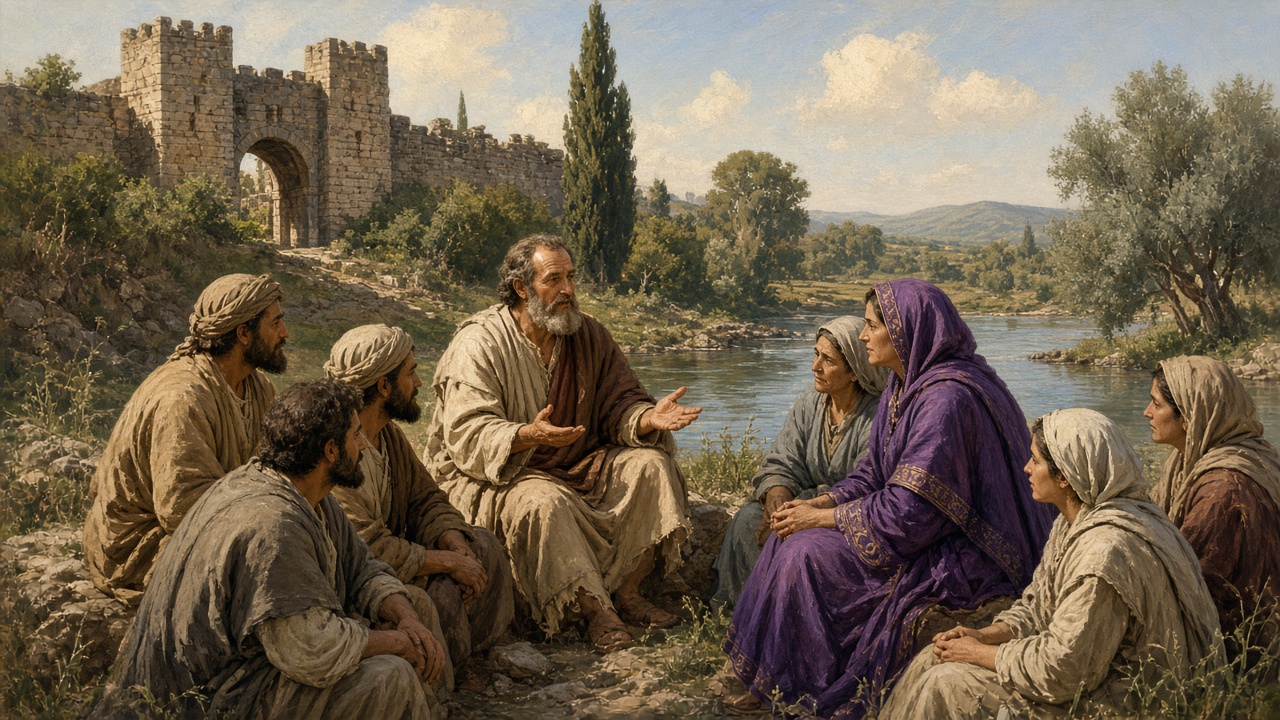
- In the Roman colony of Philippi, Paul and his companions found a customary place of prayer by the river outside the city gate, where women had gathered. Among them was Lydia, a dealer in purple cloth from Thyatira and a worshiper of God; after she and her household were baptized, she persuaded the travelers to stay at her house. Easton's Bible Dictionary (1897) describes her as a proselyte of considerable wealth and as the first person in Europe to embrace Christianity.Sources: the Bible text itself · Lydia
Notes written with AI assistance from open sources (Theographic Bible Metadata, CC BY-SA 4.0; Easton’s Bible Dictionary, public domain) and reviewed before publishing.
Places in this chapter
- Lystra · Today: Tel Lystra · 37.602, 32.338 · verses 1, 2
- Iconium · Today: Konya · 37.872, 32.492 · verse 2
- Jerusalem · 31.777, 35.234 · verse 4
- Asia · 38.400, 28.300 · verse 6
- Galatia · 39.267, 32.983 · verse 6
- Phrygia · 39.000, 31.000 · verse 6
- Bithynia · 40.500, 31.000 · verse 7
- Mysia · 40.000, 28.500 · verses 7, 8
- Troas · Today: Alexandria Troas · 39.752, 26.159 · verses 8, 11
- Greece · 37.972, 23.727 · verse 9
- Macedonia · 41.600, 22.540 · verses 9, 10, 12
- Neapolis · Today: Kavala · 40.935, 24.415 · verse 11
- Samothrace · Today: Samothraki · 40.450, 25.583 · verse 11
- Philippi · 41.012, 24.285 · verse 12
- Thyatira · Today: Akhisar · 38.920, 27.837 · verse 14
Only places identified with high confidence are shown (90% or more according to the scholarly sources compiled by OpenBible). Period map: DARE (Digital Atlas of the Roman Empire), CC BY 4.0; modern map: © OpenStreetMap contributors; places: OpenBible.info (CC BY 4.0).
Credits and license for this translation
Juziñamui Ñuera Uai
New Testament in Huitoto, Minica
copyright © 2011 Wycliffe Bible Translators, Inc.
Language: Minica Huitoto (Huitoto, Minica)
Translation by: Wycliffe Bible Translators, Inc.
Copyright Information
© 2011, Wycliffe Bible Translators, Inc. All rights reserved.
This translation text is made available to you under the
terms of the Creative Commons License: Attribution-Noncommercial-No Derivative Works.
( http://creativecommons.org/licenses/by-nc-nd/3.0/ )
In addition, you have permission to port the text to different file formats, as long as you
do not change any of the text or punctuation of the Bible.
You may share, copy, distribute, transmit, and extract portions
or quotations from this work, provided that you include the above copyright
information:
You must give Attribution to the work.
You do not sell this work for a profit.
You do not make any derivative works that change any of the actual words or punctuation of the Scriptures.
Permissions beyond the scope of this license may be
available if you contact
us with your request.
The New Testament
in Huitoto, Minica
© 2011, Wycliffe Bible Translators, Inc. All rights reserved.
This translation is made available to you under the terms of the
Creative Commons Attribution-Noncommercial-No Derivatives license 4.0.
You may share and redistribute this Bible translation or extracts from it in any format, provided that:
You include the above copyright and source information.
You do not sell this work for a profit.
You do not change any of the words or punctuation of the Scriptures.
Pictures included with Scriptures and other documents on this site are licensed just for use with those Scriptures and documents.
For other uses, please contact the respective copyright owners.
2014-08-06
Source: http://ebible.org/hto/ · eBible.org