2 Corinthians 10
Juziñamui Ñuera Uai · Tap a verse to see its cross-references.
Cristo orécamɨena íllamona Pablo ocuilla rɨ́ino ite
1Cue Páblodɨcue. Cristo caɨmo dúecaifɨredeza, íemo jɨáɨ afémɨe ɨere cáɨmamɨeza cue daje izói izire ómoɨmo jɨ́caitɨcue. Omoɨmo rɨire cue úrizaɨbiñeillena ja birui jɨcádɨcue. Dáarie cuena uáitatɨno bie izói cue dɨbénedo daɨífɨrediaɨoɨ: “Pablo omoɨ cɨ́gɨri illa llezica afémɨe ɨere comécɨna mánaɨdɨmɨe, mei íadɨ afémɨe jɨca jɨáɨnomo illa llezica afémɨe abɨdo rɨire ocuídɨmɨena dóbaicaide,” daɨdíaɨoɨ. 2Mei jɨáɨfodo, omoɨ cue eróizaɨbilla llezica, rɨírede uaina ómoɨmo cue úrizaɨbiñeillena izire jɨcádɨcue. Mei ómoɨmona dáarie cuemo fɨénide uai jɨtádɨno ite. Afe íaɨoɨ jɨtaca uai bie izói joide: “Nana ie fɨnócano daa bínɨe comɨnɨ jítaina izói fɨnoca,” daɨí daɨdíaɨoɨ. Iemona afémacɨ cue úritaja, rɨírede uáillaɨdo íaɨoɨmo úriredɨcue. Mei íadɨ afe izói cuena úritañeno iri. 3Mei uáfueza, ua cómedɨcue, mei íadɨ bínɨe comɨnɨ fuirífɨrena izói fuiríñedɨcue. 4Fɨénidɨfuiaɨ oni cue caitalle raa, bínɨe comɨnɨ fuirilla raa izóiñede. Mei jɨáɨfodo cue fuirilla raa Juzíñamui rɨ́inona rɨ́inorede, abɨ rɨ́idollena rɨire fɨnócacuaɨ izóidena cue táɨnocaitallena. 5Mei áfedo cuemo fɨeni jɨtácana oni caitádɨcue; daje izói cuena íaɨoɨ cáitajana oni féitatadɨcue. Nana uáitaiacadɨno íaɨoɨ abɨ ɨ́ɨnuano jɨáɨmacɨ Juzíñamuina raɨre onóñeillena jɨzítafɨrediaɨoɨ. Ie jira nana íaɨoɨ comecɨ faca uaillaɨ Cristo anamo itátaitɨcue, afe Crístona íaɨoɨ comecɨ jiéruillena. 6Cue llógana omoɨ jiéruilla ñue ɨ́coɨmo dúcɨille llezica, nana jɨáɨe uáitafɨredɨnona duere fɨ́noitɨcue, íaɨoɨ jiéruiñena ɨ́coɨnia.
7Daa jínofene cɨoide ráanɨaɨmo eróidɨomoɨ; uáfueza, náɨnidɨmɨena cue eróinamo eróidɨomoɨ. Nɨnó dámɨe “Uáfueza cue bie Cristo iédɨcue,” daɨíadɨ, bífuemo afémɨe uíbicaitarede: Cristo íena ie illa izói, daje izói cue Cristo iédɨcue. 8Mei dɨga icaiño, cuemo ite rɨ́inodo cue llóiadɨ naɨ áferi méaidaiñeitɨcue. Mei caɨ Ocuíraɨma afe rɨ́ino cuemo jóonete, áfedo Juzíñamui dɨbénemo ñue omoɨ cue móonaitallena. Omoɨ nɨné cue táɨnocaitallena cuemo íñega. 9Fia rabedo ómoɨna jácɨdotɨmɨe izói íacañedɨcue. 10Dárie cue cuegábiaɨdo daɨdíaɨoɨ: “Jamánomo rɨire ocuífɨrede; mei íadɨ afémɨe comɨnɨ eróicana úrilla llezica, afémɨe rɨ́imɨeñede. Afe llezica ie úrilla uaina ɨere jáimairuirede,” daɨdíaɨoɨ. 11Afe izói úritɨmɨe bie izói onótarede: Jɨcana rabedo rɨire cue úrilla izói, afe izói omoɨ cɨ́gɨri cue ille llezica rɨire úritɨcue. Nane afe dáaruido afémacɨna rɨire ócuitɨcue.
12Afémacɨmona dáarie danɨ íaɨoɨena ñue caɨmare úritiaɨoɨ. Táɨnomo abɨ ɨ́ɨnuado úritiaɨoɨ. Afémacɨ illa izói jaca mamériñedɨcue. Danɨ táɨnomo íaɨoɨ comécɨillado conímamo comécɨidiaɨoɨ. Ñuera come daɨíllena danɨ conímamo facádiaɨoɨ. Daɨí fácajamona abɨna onóñedɨmacɨna jáidiaɨoɨ. 13Cuemo dúiñede raado abɨna ɨ́ɨnoñeitɨcue, uai cue llócaillena mózizaillɨnona llotɨ́mɨe, Juzíñamui. Afémɨe ñuera uaillaɨ cue llócaillena omoɨ illánomo cuena dúcɨtate. Uáfueza Corinto dɨnomo cuena jáitate. 14Ie jira cuemo dúide táɨjɨnafue baɨmo jáiñedɨcue. Mei naui Cristo ñúefue fueñe ómoɨmo jino dénuaɨbitɨcueza. Iemona afe omoɨ cɨ́gɨri cue táɨjɨlle cuemo dúide. Nano fueñe lluáɨbiñedɨcuenia afe táɨjɨlle cuemo dúiñede; mei íadɨ daɨítañede. 15Jɨáɨmacɨ táɨjɨnana cúeɨena abɨmo maiñóñedɨcue. Afedo abɨna ɨ́ɨnoñedɨcue. Mei jɨáɨfodo Juzíñamuimo omoɨ ɨ́ɨnogafue ñue móonaille dɨnori, omoɨ cɨ́gɨri jamánomo cue táɨjɨllemo ocuíridɨcue. Mei íadɨ cuemo dúide táɨjɨnafuedo táɨjɨfɨreitɨcue. 16Iemona afe méifomo omoɨ illa batɨ́fenemo jɨca itɨ́nomo jíllona uai lluájiredɨcue. Mei íadɨ afe llezica jɨáɨma taɨneca táɨjɨnamo táɨjɨñeitɨcue, ie táɨjɨnado abɨ́ cue ɨ́ɨnoñeillena.
17Mei jɨáɨfodo daa come abɨ́ ɨ́ɨnoiacania, caɨ Ocuíraɨmado abɨ́ ɨ́ɨnoiteza. 18Dama ie abɨdo ñue úritɨmɨe, ñuera come daɨífɨrenamɨena jáiñeite; mei jɨáɨfodo daa Juzíñamui ñue úrillamɨe, ñuera come daɨnámɨena jaille.
Did you know?
Letters, Presence, and Warfare Not of This World
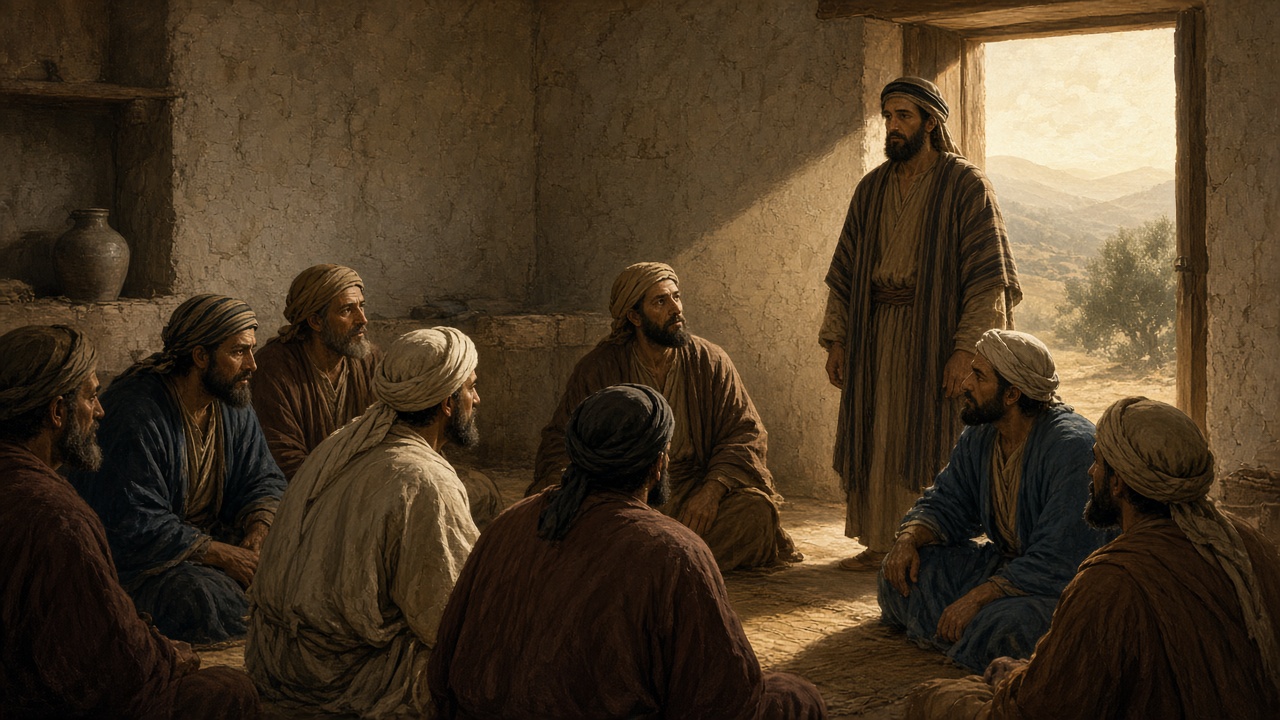
- Some people measured Paul by appearances and by his speech. They granted that his letters were weighty and forceful, yet called his physical presence unimpressive and his speaking of no account. He replies that what he is in his letters when away, he will be in his actions when he is present.Sources: the Bible text itself
- He casts the conflict in military terms, but not as an ordinary fight. Living in the flesh, he says, does not mean waging war according to the flesh. The weapons he claims are not the world's; they have divine power to pull down strongholds, to dismantle arguments and every presumption set against the knowledge of God, and to bring every thought into obedience to Christ.Sources: the Bible text itself
- Paul will not boast beyond the field of influence God has assigned him, a field that already includes his readers, since he was the first to reach them with the gospel of Christ. Anyone who boasts, he says, should boast in the Lord; approval belongs not to the one who commends himself, but to the one whom the Lord commends.Sources: the Bible text itself
Notes written with AI assistance from open sources (Theographic Bible Metadata, CC BY-SA 4.0; Easton’s Bible Dictionary, public domain) and reviewed before publishing.
Places in this chapter
- Corinth · 37.906, 22.879 · verse 14
Only places identified with high confidence are shown (90% or more according to the scholarly sources compiled by OpenBible). Period map: DARE (Digital Atlas of the Roman Empire), CC BY 4.0; modern map: © OpenStreetMap contributors; places: OpenBible.info (CC BY 4.0).
Credits and license for this translation
Juziñamui Ñuera Uai
New Testament in Huitoto, Minica
copyright © 2011 Wycliffe Bible Translators, Inc.
Language: Minica Huitoto (Huitoto, Minica)
Translation by: Wycliffe Bible Translators, Inc.
Copyright Information
© 2011, Wycliffe Bible Translators, Inc. All rights reserved.
This translation text is made available to you under the
terms of the Creative Commons License: Attribution-Noncommercial-No Derivative Works.
( http://creativecommons.org/licenses/by-nc-nd/3.0/ )
In addition, you have permission to port the text to different file formats, as long as you
do not change any of the text or punctuation of the Bible.
You may share, copy, distribute, transmit, and extract portions
or quotations from this work, provided that you include the above copyright
information:
You must give Attribution to the work.
You do not sell this work for a profit.
You do not make any derivative works that change any of the actual words or punctuation of the Scriptures.
Permissions beyond the scope of this license may be
available if you contact
us with your request.
The New Testament
in Huitoto, Minica
© 2011, Wycliffe Bible Translators, Inc. All rights reserved.
This translation is made available to you under the terms of the
Creative Commons Attribution-Noncommercial-No Derivatives license 4.0.
You may share and redistribute this Bible translation or extracts from it in any format, provided that:
You include the above copyright and source information.
You do not sell this work for a profit.
You do not change any of the words or punctuation of the Scriptures.
Pictures included with Scriptures and other documents on this site are licensed just for use with those Scriptures and documents.
For other uses, please contact the respective copyright owners.
2014-08-06
Source: http://ebible.org/hto/ · eBible.org