1 Timothy 2
Juziñamui Ñuera Uai · Tap a verse to see its cross-references.
Juzíñamuimo caɨ úrilla lluafue
1Fueñe ona dáɨitɨcue: Mai nana comɨnɨ íena Juzíñamuimo o jɨcáfɨreiri. Afena Juzíñamuimo ɨ́ɨnotɨnona o lloiri. Iemo jɨáɨ, izire comɨ́nɨmo ie dúecailleza mai jɨcari. Daɨí nana comɨnɨ íena Juzíñamuimo o úrifɨreiri. Afe llezica nana comɨ́nɨdo afémɨena ɨere fɨgora o daɨífɨreiri. Daɨí féitañeno nana comɨ́nɨdo Juzíñamuimo ñue úrifɨreiri. 2Gobierno oreca omoɨ úiñotɨmɨe íena Juzíñamuimo jɨcáredɨo, naa jɨáɨe jaboide illaɨnɨ dɨga. Afémacɨ íena izire o jɨcari, áfedo nɨ́fuenino caɨmare caɨ íllena. Daje izói comecɨ ñue uái illáfuemo íredɨcaɨ. Afe daɨí caɨ jɨ́camona nana caɨ illáfuena Juzíñamuimo ñue mámeitɨcaɨ. Daje izói conima dɨga comécɨna ñúeitɨcaɨ. 3Bifue ɨere ñuera, caɨ jíllotafɨrede Juzíñamuina ñue ióbitade. 4Mei afémɨe comecɨ jitáinafue nana comɨ́nɨna jílloiri, daɨde. Daje izói afémacɨna ua ráfuena onoiri, daɨde. 5Caɨ Juzíñamui jaca dáadeza. Daje izói Juzíñamui eróicana caɨna ñue fɨnódɨmɨe caɨdo úritɨmɨe daade. Afémɨe Jesucristo. Afémɨe ɨ́aɨfuenidɨmɨe íadɨ, caɨ izóidɨmɨe. 6Juzíñamui mamécaruimo dúcɨamona Jesucristo ie abɨna éeruiñeno nana caɨ jílloillɨno ɨbana izájiga. 7Iemona nana judíoñedɨnomo afe Juzíñamuimo ɨ́ɨnolle ua ñúefue cue llófuiaillena orécacue. Daɨí jíllona uai lluájifɨredɨmɨena jóonegacue. Crístomo cue ɨ́ɨnuamona táɨnofue lloñédɨcueza, uafue llotɨcue.
8Ie jira nágagobiaɨdo naga cómena: Juzíñamuimo omoɨ úrifɨreiri, daɨdɨcue. Ñue nɨ́fuenide comécɨdo omoɨ jɨcari. Jɨáɨmamo rɨ́icaiñeno comécɨdo Juzíñamuimo omoɨ úriri. Daje izói danɨ ómoɨmo júfidoñeno comécɨdo íemo omoɨ jɨcáfɨreiri. 9Daje izói rɨngónɨaɨ ɨniroi jɨtállɨfue llóitɨcue. Jabóidɨngo rɨngo jɨta izói, naga rɨngo jɨ́taiteza. Ɨima jɨruídollena jɨtaca abɨna cɨ́oitate ɨníroina, jɨtáñeno iri. Daje izói comɨnɨ cɨ́odollena ɨfótɨraɨ jamánomo ebire fɨnóñeno iri. Jabo ɨfo jua fɨgona. Daje izói quenírede raana aillo jɨróñeno iri, naa jamánomo ráifide ɨniroi dɨga. Jámaicuiro jɨtáoirena. 10Mei jɨáɨfodo comɨ́nɨmo dúecailla ñúefuiaɨdo naga rɨngo fɨnóbiri, naa jɨáɨe caɨmare uáiduafuiaɨ dɨga. Mei nana Juzíñamui íeɨena ñue fɨnódogango bie izói íteza. 11Rɨngónɨaɨ llófueinamo uai oñeno cacáreitiaɨoɨza. Comecɨ mánaɨnafuedo afe uaina onóicaitiaɨoɨ. 12Naɨraɨ cɨ́gɨri rɨngo llófuellena rairuídɨcue. Rɨngo ɨímana anáfenotañedɨcue. Mei jɨáɨfodo, rɨngo ɨima anamo úriñeno uái iri, daɨdɨcue. 13Mei Juzíñamui nano fueñe Adán fɨnódeza, afe méifomo Eva fɨnode. 14Adán jɨ́fueñega, mei íadɨ rɨngo Taɨfe jɨ́fuega. Iemo jɨ́fuefillamona afengo fɨénidɨfuemo baɨíde. 15Mei íadɨ naga rɨngo Juzíñamuimo ɨ́ɨnogafuemo jeire oíadɨ, íemo ei ocuícafuiaɨ ñue ɨ́coɨmo fuitáadɨ afengo jílloite. Afe llezica afengo naga cómena izíruirede. Iemo comecɨ ñue fɨ́nuafue dɨbénemo írede. Daje izói ñue jaɨ́cɨna macállɨfuemo írede.
Did you know?
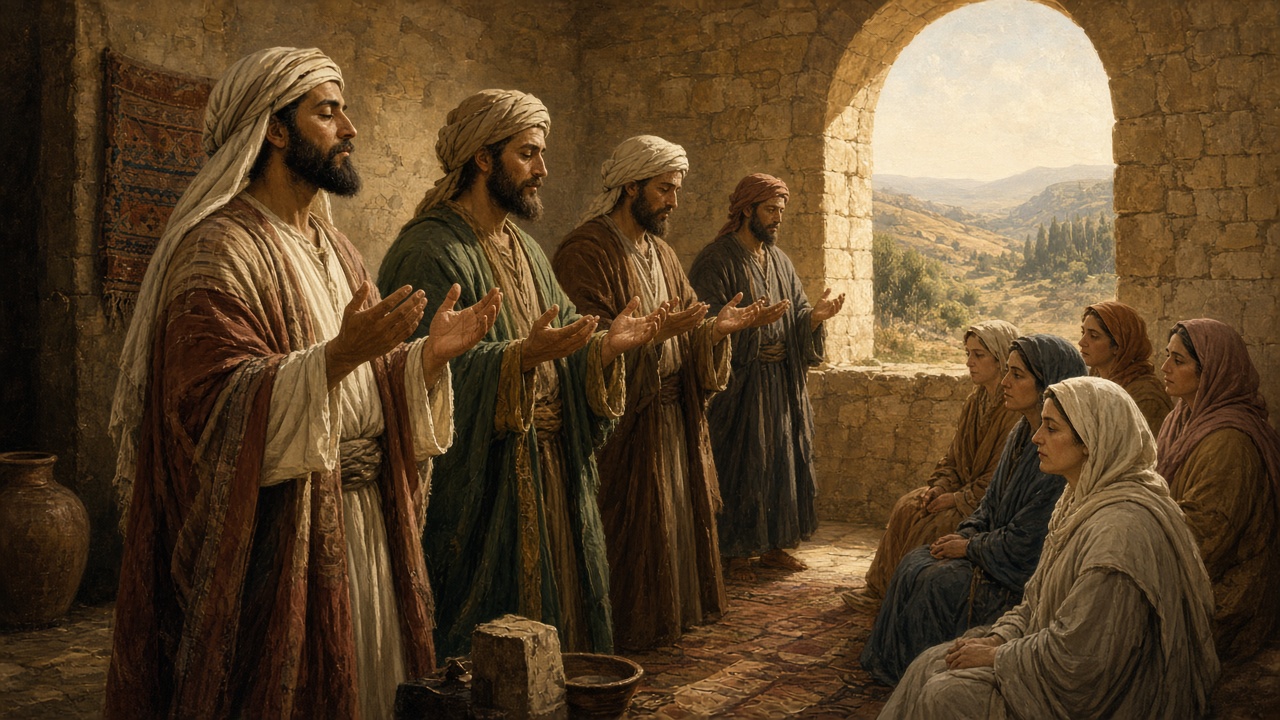
Prayer, modest worship, and Adam and Eve
- This chapter urges that petitions, prayers, intercessions, and thanksgiving be offered for everyone, including kings and all those in authority, so that believers may lead tranquil and quiet lives in all godliness and dignity. It also says there is one God and one mediator between God and men, the man Christ Jesus, who gave himself as a ransom for all.Sources: the Bible text itself
- When the letter says that Adam was formed first, and then Eve, it appeals to the first man of Genesis. Easton's Bible Dictionary (1897) explains that Adam is a Babylonian word meaning 'red,' the generic name for man, with the same meaning in Hebrew and Assyrian, and that he was formed from the dust of the earth.Sources: the Bible text itself · Adam
- The letter says it was not Adam who was deceived, but the woman, who was deceived and fell into transgression. Easton's Bible Dictionary (1897) says Eve means 'life' or 'living,' the name Adam gave his wife, and that the account of her creation is given in Genesis 2:21-22.Sources: the Bible text itself · Eve
Notes written with AI assistance from open sources (Theographic Bible Metadata, CC BY-SA 4.0; Easton’s Bible Dictionary, public domain) and reviewed before publishing.
Credits and license for this translation
Juziñamui Ñuera Uai
New Testament in Huitoto, Minica
copyright © 2011 Wycliffe Bible Translators, Inc.
Language: Minica Huitoto (Huitoto, Minica)
Translation by: Wycliffe Bible Translators, Inc.
Copyright Information
© 2011, Wycliffe Bible Translators, Inc. All rights reserved.
This translation text is made available to you under the
terms of the Creative Commons License: Attribution-Noncommercial-No Derivative Works.
( http://creativecommons.org/licenses/by-nc-nd/3.0/ )
In addition, you have permission to port the text to different file formats, as long as you
do not change any of the text or punctuation of the Bible.
You may share, copy, distribute, transmit, and extract portions
or quotations from this work, provided that you include the above copyright
information:
You must give Attribution to the work.
You do not sell this work for a profit.
You do not make any derivative works that change any of the actual words or punctuation of the Scriptures.
Permissions beyond the scope of this license may be
available if you contact
us with your request.
The New Testament
in Huitoto, Minica
© 2011, Wycliffe Bible Translators, Inc. All rights reserved.
This translation is made available to you under the terms of the
Creative Commons Attribution-Noncommercial-No Derivatives license 4.0.
You may share and redistribute this Bible translation or extracts from it in any format, provided that:
You include the above copyright and source information.
You do not sell this work for a profit.
You do not change any of the words or punctuation of the Scriptures.
Pictures included with Scriptures and other documents on this site are licensed just for use with those Scriptures and documents.
For other uses, please contact the respective copyright owners.
2014-08-06
Source: http://ebible.org/hto/ · eBible.org