1 Corinthians 13
Juziñamui Ñuera Uai · Tap a verse to see its cross-references.
Jɨáɨmana caɨ izíruillafue
1Mei uáfueza, naɨ llófueñega jɨáɨzie uáillaɨdo úrillana cue fɨbíadɨ, íemo afe baɨmo Juzíñamui abɨ imacɨ úrilla izói úrillana daje izói fɨbídɨcue ia, mei íadɨ jɨáɨmana cue íziruiñeniadɨ, fia taɨno fɨcɨ́rede juaɨ izóidɨcue. Iemo jɨáɨe taia fɨcɨ́rede lloéturu izóidɨcue. 2Daje izói Juzíñamuimona ogáfuiaɨ jino llúana cue fɨbíadɨ, íemo nana naɨ uáfodo onóñegafuiaɨ llúana cue fɨbíadɨ, íemo jamánomo nɨmáiraɨmana cue jáiadɨ, íemo idu jáɨnua Juzíñamuimo ɨ́ɨnogafue cuemo íadɨ, mei íadɨ jɨ́aɨmana cue íziruiñenia, táɨnomo fáɨfitɨcue. 3Daje izói, nana cuemo ite ráanɨaɨ jɨáɨmacɨ canóllena fia cue fecáadɨ, íemo Juzíñamui ióbitallena dama cue abɨ cue jobáitaiadɨ, mei íadɨ afe llezica jɨáɨmana cue íziruiñenia, nana cue fɨnócafuiaɨ cuemo ráifiñede.
4Mei jɨáɨfodo, jɨáɨmana izíruitɨmɨe jaca járitaiñede. Afémɨe dúecaifɨrede. Daje izói úradoifɨnide, íemo afémɨe uícofiñede, íemo fɨeni abɨ́ ɨ́ɨnoñede. 5Daje afe jɨáɨmana izíruifɨredɨmɨe meáiredɨfuena jaca lloñede, íemo afémɨe ie abɨna jacɨre maméñede, íemo afémɨe jaca rɨ́icaifɨnide. Jɨáɨma fɨénidɨfue íemo fɨnóadɨ, fɨeni comécɨñeno raɨre féitate. 6Afe jɨáɨmana izíruitɨmɨe jɨáɨmacɨ fɨénidɨfuiaɨ fɨ́nuari zúureite, mei jɨáɨfodo ua ñúefueri ióbifɨrede. 7Nana íemo comuídɨfuiaɨri caɨmare ocuide. Raɨre járitaiñeno aféfuiaɨmo ñue úiñooide. Juzíñamuimo izire ɨ́ɨnuano aféfuiaɨri jacɨ́naiñeno ñue ocuíride.
8Izíruillafue zíiñona jaca záiñeite. Mei íadɨ Juzíñamuimona uícodo onoiga ráfuiaɨ záite. Daje izói jɨáɨmacɨ uáillaɨdo úrilla llɨ́ɨcaite; íemo daje izói ɨfócɨdo onóigafuiaɨ záite. 9Mei biruíllaɨdo caɨ ɨfócɨdo onóigafuiaɨ ñue ɨ́coɨmo baitáñedɨcaɨza, jabo onódɨcaɨ. Daje izói Juzíñamui uícodo onoiga ráfuiaɨmona due jino llotɨcaɨ, mei due onódɨcaɨza. 10Mei íadɨ uire Juzíñamui nana ráfuiaɨ caɨmo baitállɨruimo afe ɨ́coɨmo ñue báitañegafuiaɨ fáɨcanocaille.
11Naɨ cue úruena llezica úruiaɨmo itɨ́fuiaɨdo úritɨcue. Urue comecɨ fácaja izói, comecɨ facádɨcue, íemo úrue ɨfocɨ úrilla izói itɨcue. Mei íadɨ ja cue móonailla llezica, úrue illa izói cue illáfuiaɨna fáɨcanocaidɨcue. 12Daje izói birui Juzíñamui dɨbénemo caɨ onóigafuiaɨ jaɨcuíbicaide. Dámɨe jáiaira acáranimo fɨgo cɨ́oiñena izói afe izói Juzíñamui ífuiaɨna birui fɨgo baitáñedɨcaɨ. Mei íadɨ ɨco jɨáɨruido nana ñue báitaitɨcaɨ. Birui cue ɨfocɨ úrilla fɨgo déiñedeza, jabo onódɨcue, mei íadɨ aféruido nana ñue ónoitɨcue. Jɨɨ, Juzíñamui cuena onona izoi ñue jaɨ́cɨna ónoitɨcue. 13Mei daɨí Juzíñamuimo ɨ́ɨnogafue, íemo jɨáɨ ocuírinafue, íemo jɨáɨ izíruillafue jaca zíiñona féiñeite. Bie daámanidemona izíruillafue ɨere jamánomoide.
Did you know?
Love Above Every Gift
- Without love, the chapter says, speaking in the tongues of men and of angels is only a ringing gong or a clanging cymbal. Someone with prophecy, with power to fathom all mysteries and all knowledge, and with faith that could move mountains is nothing; someone who gives all they possess to the poor, or surrenders their body, gains nothing.Sources: the Bible text itself
- Love is patient and kind. It does not envy, boast, or act with pride; it is not rude, self-seeking, or easily angered, and it keeps no account of wrongs. It takes no pleasure in evil, rejoices in the truth, and bears, believes, hopes, and endures all things.Sources: the Bible text itself
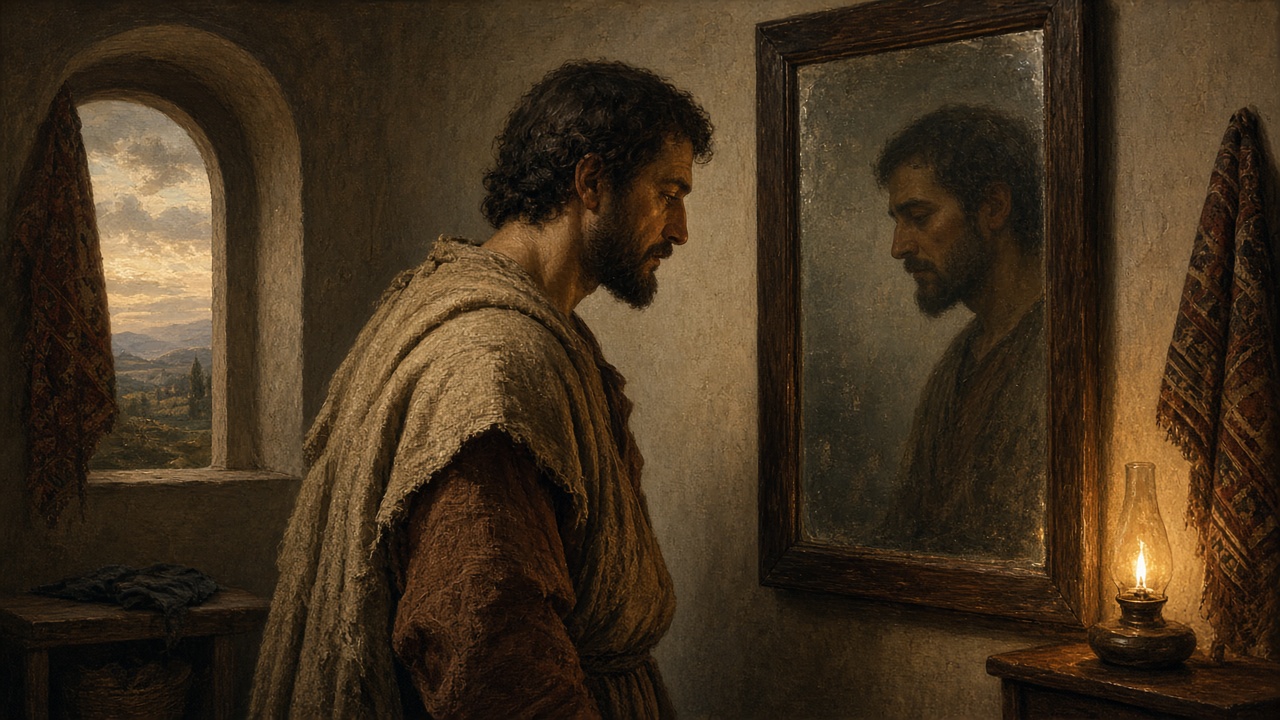
- Love, the chapter says, never fails, but prophecies will cease, tongues will be restrained, and knowledge will be dismissed. What is known and prophesied now is partial, like a child's reasoning or a dim reflection in a mirror rather than seeing face to face. Faith, hope, and love remain, and the greatest of these is love.Sources: the Bible text itself
Notes written with AI assistance from open sources (Theographic Bible Metadata, CC BY-SA 4.0; Easton’s Bible Dictionary, public domain) and reviewed before publishing.
Credits and license for this translation
Juziñamui Ñuera Uai
New Testament in Huitoto, Minica
copyright © 2011 Wycliffe Bible Translators, Inc.
Language: Minica Huitoto (Huitoto, Minica)
Translation by: Wycliffe Bible Translators, Inc.
Copyright Information
© 2011, Wycliffe Bible Translators, Inc. All rights reserved.
This translation text is made available to you under the
terms of the Creative Commons License: Attribution-Noncommercial-No Derivative Works.
( http://creativecommons.org/licenses/by-nc-nd/3.0/ )
In addition, you have permission to port the text to different file formats, as long as you
do not change any of the text or punctuation of the Bible.
You may share, copy, distribute, transmit, and extract portions
or quotations from this work, provided that you include the above copyright
information:
You must give Attribution to the work.
You do not sell this work for a profit.
You do not make any derivative works that change any of the actual words or punctuation of the Scriptures.
Permissions beyond the scope of this license may be
available if you contact
us with your request.
The New Testament
in Huitoto, Minica
© 2011, Wycliffe Bible Translators, Inc. All rights reserved.
This translation is made available to you under the terms of the
Creative Commons Attribution-Noncommercial-No Derivatives license 4.0.
You may share and redistribute this Bible translation or extracts from it in any format, provided that:
You include the above copyright and source information.
You do not sell this work for a profit.
You do not change any of the words or punctuation of the Scriptures.
Pictures included with Scriptures and other documents on this site are licensed just for use with those Scriptures and documents.
For other uses, please contact the respective copyright owners.
2014-08-06
Source: http://ebible.org/hto/ · eBible.org