Luke 24
Aka (Hrusso) Bible · Tap a verse to see its cross-references.
Jisu í üshükülyew
1Sopta uvro ge, saĝa-müĝa na nuĝu ge ŝowsa ŝow gañ-miĝi lañe jiku. 2Sünda na kunu í ĝühuadaw hohu. 3Sünda ulung ge jemyongkoi ge, na Prabu Jisu usso mahohubi. 4I he ñu yo mavenghuañe ĝyoñbaiye, muhu ksü ye lütsü-lütsüw gye sheñe ütrü iñisa ge gudzu. 5I ĝeñe, sünda nodo ge ukrumro i pelye; sündawñe i í che, “Ba üshü í dzüw namko ye hado tchüwwa. 6I ayo a ñimme, séŝo üshükülyedamme. I djo Galili ge ha trudama vehujodawe. 7‘Umsogo je nüna üsa í lalobraw nagzü ge kigo ladügyejobamme, sünda kuros ge tükegojome, sünda ñegi dzü ye üshükülyetchojome.’” 8Sünda i í ñu í vehuag, 9Sünda nuĝu go kangkoi ye i se ĝüyo a ná, sünda utro naje, he vyow ñu ná truzeĝiatsü. 10Dju he ñu í shürhaw ná trudama, se na Mariam Magdalini seyo Yoana, seyo Yakub üyañ Mariyam sünda nadra ye utro mim naje duw. 11Séŝo na ñu trudaw ye ná shipyew truw veduw velada sünda na ná umso mave. 12Sündawñe Patras i gudzulyiñe nuĝu ge gyo dje, sünda gye ufobüla hohubadabi, sünda hadadama, se yo mavenghulyaha, í nudzo ñe ge kaltrutcho.
Imawus ĝabo ge shürháw na how
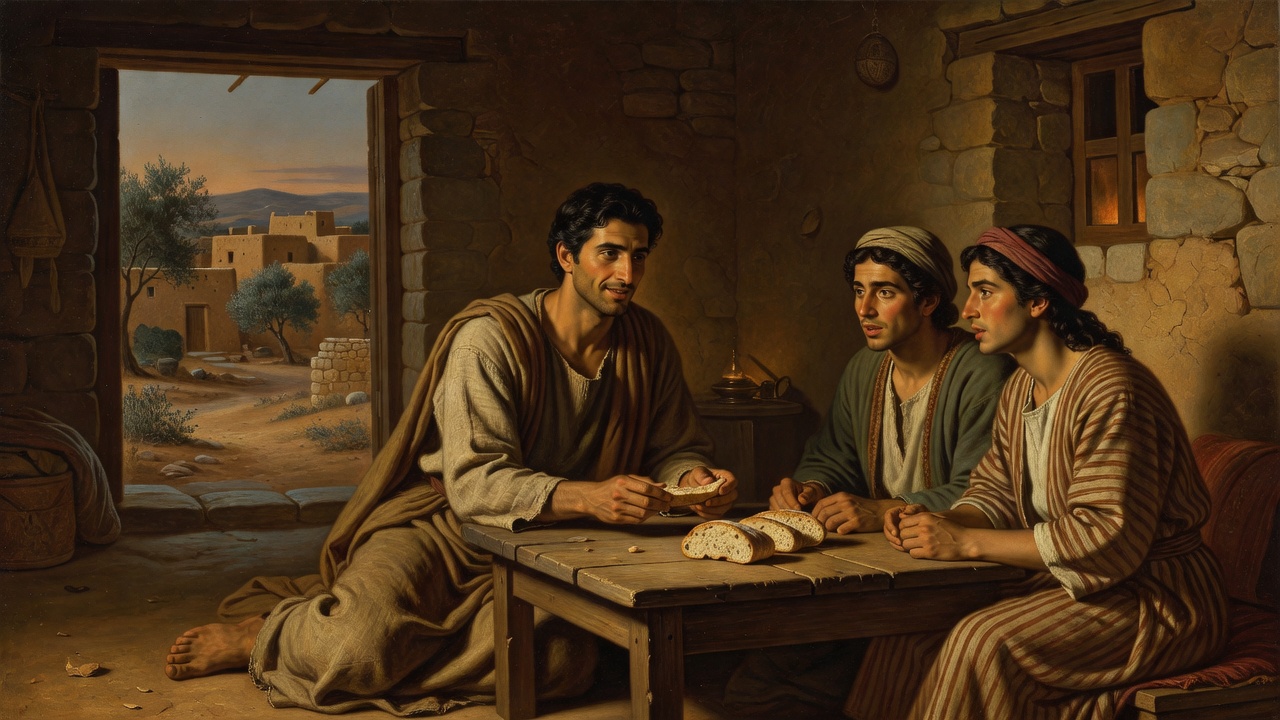
13Sehu namko ye nüna ksü ye Imawus cheñe ñetrü ge jiinngkoi, Yarusalem yo kilo mitar mro kuw üĝa. 14Sünda naksü se vyow ñu ná, hadadama se na naksüĝütchü chitruñe ji. 15Sünda naksü se ñu na naksüĝütchü ge truĝiñe dzüĝiñe jingkoi ye, Jisu i iñisa jikuñe naksü üdra jisa. 16Séŝo nañi ye ana veduw mütrüdaw ye í mahosülafi. 17Jisu i ná dzü, “He ha ñuwa, djoksüĝütchü ge truñe jiiye.” I duhu dañe ĝudzu. 18He í dzühulyeñe, namko ye Kilyupas ñetrü go nüna a ye che, “Haña ba Yarusalem go ba akasa tüvaw jiw nünabamma, dju he ñeto ge hadadama se na se i madanghu.” 19I í dzü, “Ha ñu ye wa?” Na í che, “Nazret go Jisu ibo dju Tawgyew seyo nüna nabo chiĝa dawma sünda shi-ñu truw go ñihow truw. 20Sünda mügaw kew na seyo ñi dümbraw dakyew na í kigoladügyeñe, shibeñe dügyeaha; sünda kuros ge sümtchadügye. 21Séŝo ñi vyeksüwŝo, i Israyel í mutchoaijo che, sünda he ñu na tralye, he soboŝulyuw dajew ye ñeĝi dzü kujebi. 22Sünda jimko ye je mim üchea na ñi mavenghuadügyeda, dju saĝa-müĝa nuĝu ge jidama na. 23Sé usso í mahohuwñe, sorgomuko nadra í üshüdame cheñe ñu truw che djekuda. 24Sündawñe ñimko yo a ye nuĝu ge how ji, sünda mim na küna trudama, süna tchülada; séŝo í mahohu.” 25Sündawñe Jisu i ná che, “O madzühoave dañe ĝyodaw nawa, seyo ñihow truw ná ñu ge üdrü-ulu yo umso dzüngahu nawa! 26Ana dajo mowma, Masi i duhu gilañe nudzo lüshüw ge kalyitralyejo?” 27Sünda í ná ibo go kako ge ha ĝidama se ye Musa ichi yo dalalyeñe vyow ñihow truw nachi ge ĝidaw na, i ná danghudügye. 28Aña sa a na hange jingkoima, se ñetrü jikujebi, sünda í dawyo na ana danghuda, i ayoje uvro ge jijolu cheñe. 29Sé na í ana cheñe ĝokrüdügye, “Ñidra ĝyosajodawe; hado chemeje djüdu lyañe añe uwaladabi.” Sünda i ulung ge nadra ĝyosaw kamyoa. 30I nadra ava tsajoñe ĝyosangkoi ye, i odje í lañe gaĝüzü djü, seyo í takuĝiañe ná djü. 31Sündawñe nañi hojukülyeñe í hosülag, sünda na iñi how yo müŝü. 32Na naĝütchü ge che, “Ñidrü-ñilvyu ge mi madzoma, i ñí ĝabo ge kako ge ĝidaw ná truñe jomkooi ge?” 33I sa yo sa a gudzulyiñe Yarusalem ge katrükralye, sünda i se ĝüyo a seyo nadra a yo na üŝaka ye keĝidaw hohu. 34Na che, “Tawgyew umsogo je üshükülyetchoda, sünda Simon i hohu.” 35Sündawñe i ná ĝabo ge chitru jidaw na ná tru seyo he je tru, i ná kündañe odje í takuĝiañe tsadama.
Jisu i í nudzo shürhaw nadra
36Na he ñu í trumkoi ye, Jisu í husü yo namko ye gudzukülye; sünda ná che, “Djo ĝüdzüw pawe.” 37Séŝo na mavenghuatsüg, seyo ĝeatsüg, sündañe na velatsü, ñi mütü hohungkoi. 38I ná che, “Hado mavenghuatsüña? Sünda djulvyu ge hado mavenutsüña? 39No gzü seyo noshi na howe, no sebamme; no kiñe hojodawe; hado chemeje ñeĝulo nachi uso üĝübye ñijo nochi ge hohumbo.” 40Ana chelyeñe ná i ichi ügzü ishi na she. 41Ná lüshüw yo seyo umsojemañe veñe, seyo lümashü ve, sündawñe i ná dzü, “Haña djochi ge ava duma?” 42Na í psekrow tchükro üsüla a djü. 43I lañe na how sa a tsag. 44Sünda i ná che, “He na no ñu name, no djodra ĝyosañe truwme, Musa í shotuko ge seyo ñihow truw kuw na seyo kako ge nobo go ĝidaw na umso kakülyejome.” 45Sünda i na ükye-ümüñi í güdraw ñu ĝidaw dzüsüdügyejoñe voiha. 46Sünda ná che, “Ana ĝidame Masi duhu gilañe seyo ñegi dzü ye dzüñe üshükülyetchojome, 47Sünda Yarusalem yo dalalyeñe vyow ĝübye geg vetrüw seyo lalo daw na iñiñ yo lañe truzeĝiatsüjo. 48Djo he ñu na hohusawme. 49Sünda djuchi traŝüĝa no awu i dadama, se ná no djo lakülyaijome sünda udru go gow mapamdolu, süña kuw djo he ñetrü ge ĝyokrüjo dawe.”
Jisu í ñedzü ge katcho
50Sünda i ná Betniyah kuw ñepse lañe jekülyasa, sünda ügzü i lañe ná gaĝüzü djü; 51Sünda ná gaĝüzü djüshüñe i na yo utro lya seyo ñedzü ge kalyitralye. 52Sünda na mraañe í ŝüpo lüshüw yo Yarusalem ge katrükralye. 53Sünda ná ñegru mamuduw keĝiñe Tawgyew í troñe seyo gaĝüzüwe.
Did you know?
Resurrection morning and the road to Emmaus
- Luke describes Emmaus as a village about seven miles from Jerusalem. Easton's Bible Dictionary (1897) quotes that distance as three-score furlongs and records two identifications: el-Kubeibeh, over seven miles northwest of Jerusalem, whose name, 'little dome,' comes from the remains of a Crusaders' church still found there, and Khurbet Khamasa, 'the ruins of Khamasa,' about eight miles southwest, where Crusader ruins are also found.Sources: Emmaus · the Bible text itself
- Mary Magdalene, Joanna, Mary the mother of James, and other women with them were the ones who told the apostles what had happened at the tomb. Mary Magdalene takes her name from Magdala, her birthplace, and Easton's Bible Dictionary (1897) calls it a mistake to identify her with the woman called 'a sinner' in Luke 7. Joanna, the wife of Chuza, steward of Herod Antipas, tetrarch of Galilee, was one of the women who ministered to Jesus, and the same dictionary says he appeared to her after the resurrection.Sources: Mary Magdalene · Joanna · the Bible text itself
- One of the two disciples on the road is named Cleopas, a shortened form of Cleopatros. Easton's Bible Dictionary (1897) says that nothing definite is known about him, and that it is not certain he was the Clopas of John 19:25 or the Alphaeus of Matthew 10:3, although he may have been.Sources: Cleophas · the Bible text itself
Notes written with AI assistance from open sources (Theographic Bible Metadata, CC BY-SA 4.0; Easton’s Bible Dictionary, public domain) and reviewed before publishing.
Places in this chapter
- Galilee · 32.760, 35.527 · verse 6
- Jerusalem · 31.777, 35.234 · verses 13, 18, 33, 47, 49, 52
- Nazareth · 32.702, 35.298 · verse 19
Only places identified with high confidence are shown (90% or more according to the scholarly sources compiled by OpenBible). Period map: DARE (Digital Atlas of the Roman Empire), CC BY 4.0; modern map: © OpenStreetMap contributors; places: OpenBible.info (CC BY 4.0).
Credits and license for this translation
Aka (Hrusso) Bible
Hruso: Aka (Hrusso) Bible (Portions) for India
copyright © 2024 Bridge Connectivity Solutions Pvt. Ltd.
Language: (Hruso)
Contributor: Bridge Connectivity Solutions Pvt. Ltd.
This translation is made available to you under the terms of the
Creative Commons Attribution Share-Alike license 4.0.
You have permission to share and redistribute this Bible translation in any format and to make reasonable revisions and adaptations of this translation, provided that:
You include the above copyright and source information.
If you make any changes to the text, you must indicate that you did so in a way that makes it clear that the original licensor is not necessarily endorsing your changes.
If you redistribute this text, you must distribute your contributions under the same license as the original.
Pictures included with Scriptures and other documents on this site are licensed just for use with those Scriptures and documents.
For other uses, please contact the respective copyright owners.
Note that in addition to the rules above, revising and adapting God's Word involves a great responsibility to be true to God's Word. See Revelation 22:18-19.
2025-05-03
Source: http://ebible.org/hru/ · eBible.org