Luke 1
Aka (Hrusso) Bible · Tap a verse to see its cross-references.
About this book
About Luke
- Easton's Bible Dictionary (1897) presents the evangelist Luke as a Gentile; the date and circumstances of his conversion are unknown. According to his own statement, Easton notes, he was not an eyewitness and minister of the word from the beginning. Easton thinks it probable that he was a physician in Troas, converted there by Paul, to whom he then attached himself.Sources: Easton: Luke
- That dictionary does not date the Gospel. It places Luke with Paul at Philippi, later as his companion on the journey from Philippi to Jerusalem, then absent during the imprisonments at Jerusalem and Caesarea, and present again when Paul set out for Rome, remaining until the close of the first imprisonment; the last notice of the beloved physician is in 2 Timothy 4:11.Sources: Easton: Luke
- Under the Romans in the time of Jesus, Judea was the southernmost of the three divisions of Palestine and part of the province of Syria. Pontius Pilate, sixth procurator of Judea from A.D. 26 to 36, had his headquarters at Caesarea and often went up to Jerusalem; his rule covered the ministries of John the Baptist and of Jesus. Herod Antipas, Herod's son by Malthace, is named in Luke's narrative.Sources: Judea · Pontius Pilate · Herod Antipas
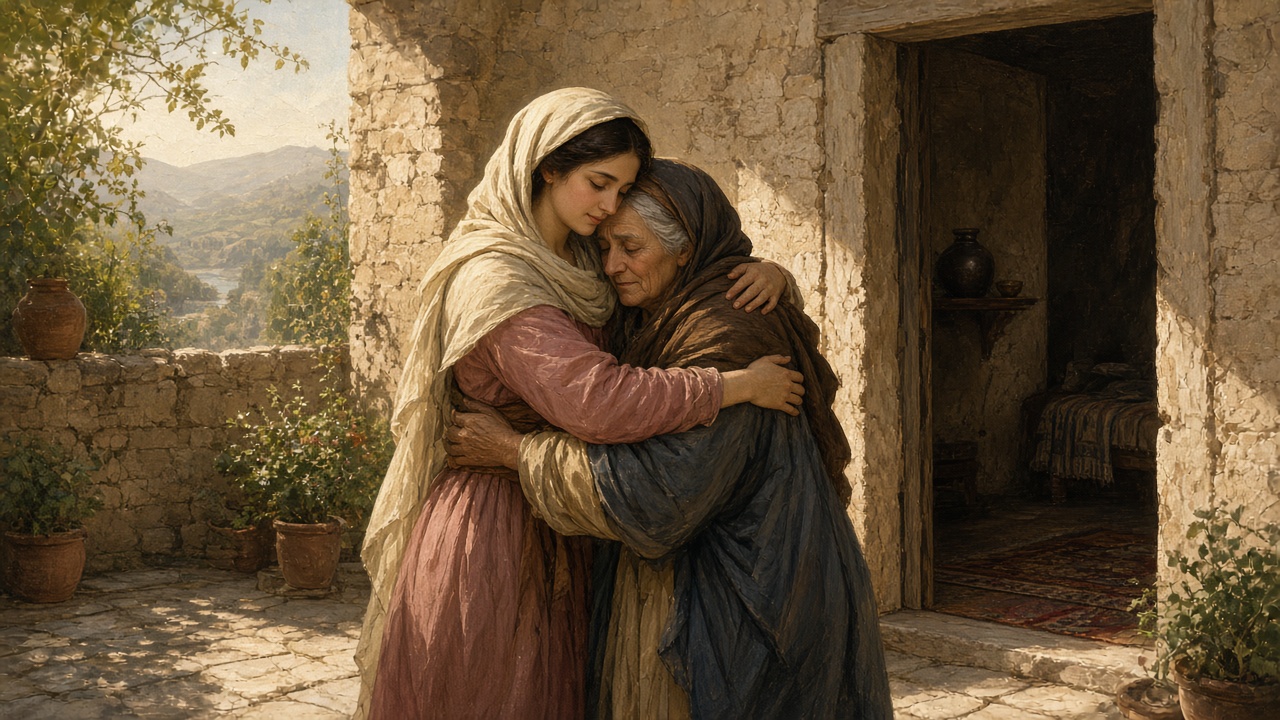
- Luke's opening narrative concerns John the Baptist, of priestly descent: his father Zacharias was a priest of the course of Abia, and his mother Elisabeth was of the daughters of Aaron; John's birth came six months before Jesus's. Mary, wife of Joseph, of the tribe of Judah and the lineage of David, was living at Nazareth when the angel Gabriel announced that she would be the mother of the Messiah; she afterward visited her cousin Elisabeth. The entry on Mary states that her genealogy is given in Luke 3.Sources: John the Baptist · Mary (Mother of Jesus) · Nazareth
- Easton cites many passages in Luke's writings and in Paul's letters as showing the extent and accuracy of Luke's medical knowledge. After Jesus was expelled from Nazareth, Capernaum, a Galilean city not mentioned in the Old Testament, became his own city and the scene of many acts of his life. Galilee had long been known as Galilee of the Gentiles.Sources: Easton: Luke · Capernaum · Galilee
Notes written with AI assistance from open sources (Theographic Bible Metadata, CC BY-SA 4.0; Easton’s Bible Dictionary, public domain) and reviewed before publishing.
Luka i galyiw
1Ñimko a ha ha lyilyedama, se ná nüna añe na galyiw ĝipüñejoñe dada. 2Sünda he ñu ná dju nudzoĝ iñiyo hohusedama se naje, seyo, Tawgyew i shi-ñu truñe kahisedaw se naje, se ñu ná ütrüyomdo ñí trukuida. 3Sünambo, no je ütrüyomdo, he na he í, usupa yo hoksüñe kalyisedaw no, süvzüw Tiyofilus bábo, he na he í magabolyiw ĝi vyeimeje ujoñe vyeda. 4Hado cheholye, bá ha trudrülyedama, se ná umsowgo ba danghuweñe no vyedame.
Dzakariya ñe Elizabet
5Nugo Herodes i Yahudiya ñetrü go ñetrü nugo dañe shüi ñeto ge ana lyikülye: Abiya müga go Jakariya cheñe mügaw a du. Üfum ye, mügaw Arõ yo samtolyiw namko yo a, iñiñi ye Elishiba. 6Sünda se naksü Tawgyew uvro ge chiñifoñe, seyo Prabhu ichi shotuko dügyew ná je da shüw. Ǘĝü dadrülyedaw ná je madatruw-makitruw da shüw. 7Sünda Elishiba i ügübzümdá naksü agü je ñiwbi. Sünda se naksü kewje keahubi.
Sorgomuko i yo Yohañ í sakülyew ñihowtrü
8Dzakariyas i í ñeŝü ná daĝañ kuwñe, Tawgyew uvro ge, i ñegru ge müga chew daw. 9Sündada mügaw ná daw basha yo dañe kako dzulaw ge iñiñi kakülye, Tawgyew í küĝüw ñegru ge jiñe shobrovzü foweñe. 10Sündada shobrovzü fomkoi sese vyew na nopsü ge kahuañe küĝütsü. 11Sese Tawgyew ichi sorgomuko a ye shobrovzü fodaw südzüvyepsüĝ vyego psüĝañe ge gudzukülyedaw ye, í hohu. 12Sünda Jakariya í hoglye ŝüpo lamosha, sünda í ĝew vyehua. 13Seŝo ye sorgomuko i í che, “Jakariya, djuĝejodawe hado chemeje bá küĝüdaw ye dzühujemme sündada bafum Elishiba yo babó saw a sakülyejome, sünda ba se iñiñi ye Yohañ ñe ñijodawe. 14Sünda ba agü saahuñe ŝüpyo lüshüñe, lüshümfoajome seyo ŝüpyo nüna na agü sadabi cheñe lüshüjome.” 15Hado chemeje i Tawgyew üvro ge sawlyiw chiñifojome; seyo tsü keje matujome; seyo iyañ ulhu ge duluge yo ĝulo güdraw yo güdraavojobi. 16Seyo Israyel yo naje ŝüpo nüna na Tawgyew ichi ge kakultrujome. 17I ñihow Eliya í ĝulo seyo küña dafidama dañe üvro üvro kutrojome hado chemeje awu na na üdrü-ulu ye agü nachi ge tchodügyejo; seyo zew chew madzüw na Tawgyewchi ge chiñidrüñe lakujo sünda Tawgyew ibó dafimsofiw dashütrüvojo. 18Jakariya i sorgomuko í dzü, hei no künda danghujowa; hado chemeje nobó mukroadabi seyo nofum boje mukromyadabi. 19Sorgomuko i í trutcho, “No Gebriyalwa, Tawgyew ichi mukow kewwa sünda üdra gudzusaw ye wa; sündada nó badra chitruweñe seyo bá he ñu ye truweñe kiadaw yewa. 20Seyo hojo dawe, he ñu ye umsow makalu kuw ba mulyo ĝyojome, sünda mazefijomme, hado chemeje ba nó ñu ye, i ke damdrüñe dafiajoma, sei umsow mavye.” 21Nüna na Jakariya í ĝyokrütsü, sünda mavyenghuahuw lyatsü, hado cheme ñegru ge aña künda uwalajemañe? Vyeñe. 22Sünda i ñopsü kahuadabi abó ñu mazefibi, sündawñe na danghuladabi i ñegru ulunge hama ñita homadadañe, sünda i sei vyeĝelalye seyo mulyo lyadabiñe. 23Sünda i sehu datunofiahuñe i í ñe ge katcho. 24Setasaĝa yo ifum Elishiba somafobi, sünda hubye pom kuw i nudzoĝ ana cheñe müŝüñe vye. 25“Nüna nafo ge nó bümazeamedañe nobó Tawgyew i he ñeto ye ana daidawa.”
Sorgomuko i mariyam itrü a jiku
26Elishiba agü ñiw yo hubye ĝe kuw sa a Tawgyewchi go sorgomuko Gebriyal i Galili iñiñi Nazrat ñetrü ge, 27Mimsa nano makaw a ichi ge kiku. Djú Joseb cheñe Dawud í ñeŝü go Muhusa a idra ĝulo daida, se nano makaw mimsa iñiñi ye Mariyamwa 28Sünda Sorgomuko i ichi ge ñelunge jimyoñe che, ba hu je adjüdjüw no je aĝimiw lüshütukoaiwe, Djú Tawgyew í nülvow tukoaidama! Tawgyew i badraŝome. 29I se ñu yo ŝüpyo ĝelamoag, sünda vyemche, hei küna ñu a djüjemma? 30Séŝo Sorgomuko i í che, Mariyamya; djuĝejoda, hado cheme Tawgyew í nülvo bá tukoaidawa. 31Sünda hojodawe, ba somafojome, sünda ba saw a sakülyejome, ba iñiñi ye Jisu ñe ñijodawe. 32I ŝüĝlyiĝjome; seyo bá Soĝgro-yaloñe üsaw chejome; sünda Tawgyew i í awu Dawud i psüĝa ye í djüjome. 33Sünda i Yakub í ñeŝü ge shüwa nugo da shükejome; sünda í ĝadzü da shükyew ye keje mamütrajome. 34Mariyam i Sorgomuko í che, “Hei künda lyijowa? Nobó muhuje madanghulubi.” 35Sorgomuko i í trutcho “ĝulo güdraw ye baso ge kamyojome, seyo Toĝgroyama í Ĝagra ye badru ge duñgudrujome; Hado chemeje í ĝulo güdraw yo sakülyalaibi, Í Tawgyew üsaw chejome. 36Sünda hojo dawe, bá ñeŝüĝ go Elishiba i je mukromyadabi a saw sakülyemkoiba, hei ichimsoba í na Ügübzüm chebabi, i so mafow hubye ĝe kudaba. 37Hado chemeje Tawgyew ichi ge ha ñu je madafiwjo che ñiwme.” 38Mariyam i che, “Howe, no Tawgyew i chiĝadambabi, bachi ñu trudo trüduyo dubroñe nodra ana lyimeje.” Sese sorgomuko ye itrü yo katrükralye.
Elizabet ichi ge Mariyam i jiw
39Sündaw se ñeto Mariyam i kutcho yo gudzuñe pufo go Yahudi na ñetrü a ge ji. 40Sünda Jakariya iñe ge jiñe Elishiba í gagañe da. 41Elishiba i Mariyam ichi gaga chewye dzühuhuwñe, seŝügudoye ulhu go agü yeje gog, sünda Ilishiba i ĝulo güdraw yo tukoa. 42Sünda i gow yo ŝogzuñe che, ba mim naĝi yo süvzüfowmme, seyo balhu go sheje ye ŝüvzüw me. 43Sünda noje hango yo nülvojema, no Tawgyew üyañ ye notrüĝañ a jikuda. 44Sünda holabya bachi gaga chew ye nofu ge dzühubyo dzühuĝyowñe seŝügudo ye nolhu go agü yeje lüshülye gogje. 45Sündada seiye ŝüvzüwmme, se í djuyo umsow vyeñe Tawgyew ichi go, ha ñu ye idra chedama, sei damsojebi.
Mariyam i Tawgyew í troi.
46Sese Mariyam i che, “Nodrü-nolu yo Tawgyew i troime.
47Sünda noĝulo ye, nó gudraw choakejo Tawgyew yo lüshü damme.
48Hado chemeje i í chiĝadam idru ge nülvo hoida, sündada holabya, ayo dalalye shüwa shüw pumnüshüĝi kuw nüna na nó ŝüvzübram chejome.
49Hado chemeje se bolugobraw Tawgyew i nobo chiĝa dew dew daida, sündada iñiñ ye güdraw me.
50Sünda i nülvo ye se nadra jome, dju í ĝeima, saltso saltsow daw kuw sünañgudrujome.
51I í bolugow ye sheiwa, seyo dju nudzo drü-lu ge dafowŝoñe daima sena daame-kiame vye.
52I shotuko dümbraw na psüĝa go dügaaha; Sünda nülvodaw i udruda vye.
53Luhuŝümgraado na gañ uwyo da djü, séso dzomo-külyimodaw na ügzü ufobüla lyadügye.
54I í nüdzoĝ aki-awu na, kulo Israyel na ĝaksüla, hado chemeje se nülvo ye büvyesüdañe.
55Shüwa Abraham ñe i saltsoahuw nadra shüwa duñgudrujo, I küna ñi bupye-ñipye nadra chedama süna.”
56Mariyam i hubye dzü kuw idra ĝyoselyeñe, i ñe ge katcho.
Yohañ Baptisma djüw i sawfo
57Sese Elishiba i samdrü kudabi, sünda i saw sakülye. 58I ĝafopsüĝ-ĝampsüĝ seyo i ñeŝüĝ-ñepeĝ na sei dzühulye, Tawgyew i ídru ge ŝüpyo nülvo dadañe, idra ye lüshütuno. 59Sündalye ana a dadawa ñegi ŝügzü kuwñe se agü í fyuw ñeto kudabi sünda i ñiñi ye ichi awu Jakariya í iñiñ ye ñiweñeda. 60Séŝo iyañ i che, mowwe; i ñiñi ye Yohañ ñe ñijo dawe. 61Sünda na í che, bá ñeŝüĝ ge ana üñiñi djuchije ñiwa. 62Sese i ichi awu i damcheñe dzü, ba iñiñi í ha ñiĝoñda? 63Sündawñe i ĝijo kako prülañe ĝiag, iñiñi ye Yohañ me, sündawñe vyew na mavyenghuatsüg. 64Sündawñe ichi umdzu ñe zebüla naksü seŝügudo ye zefikülye; Sünda i ñu zehuahuw ye Tawgyew i trokülye. 65Sündawñe iñisa ye ĝyodo na vyew ĝemoatsü; sünda se ñu ye vyew se Yahudiya nachi ñetrü üñisa üñisa naje ŝüĝeatsü. 66Sünda vyew dzühudo na nudzoĝ nudzoĝ drü-lu ge vyelatsü che, “He agü ye künajojeŝoma?” Hado chemeje Tawgyew i ügzü ye idra dubi.
Dzakeriya i ñihow
67Sünda iyaw Jakariya i ĝulo güdraw yo tukoa, sünda ñihokülye.
68Israyel go Tawgyew í ŝüvzüwe.
Hado chemeje i í nudzo nüna ná hokrüvo,
Sünda ná ĝaksüivo,
69Seyo i kulo Dawud i ñe ge ñibo muchoaijo hosüw üŝüvzü a lahuaida.
70Sünambo i bzüga yomdo güdraw ñihow truw bupye-ñipye nayo, dju ñedzü üña no üña gomdo dulyisema, senayo trulyeida.
71Chemeje ñi vyeñiw-vyeĝaw nayo, seyo ñi homsüsew nagzü yo ñi muchoaida;
72Sei ye ñi bupye-ñipye na nülvo dañe nudzoĝ güdraw ñu i vyesüweñe,
73Seyo se trasĝa sei, se í i ñi awu Abraham yo todoye,
74I ñi hei djüjo, sei ye ñí vyeñido nayo kahajoñe,
75Ivro ge chiñiw seyo güdraw ĝabo kaw ge shüdzowkuw maĝew ichi chiĝa dañgudruweñe.
76Seyo ba ye muhusa agüsa, Toĝgroyama i ñihobraw chejome, hado cheme ba Tawgyew ichi ĝabo dashütrüvojoñe uvro uvro kutrojome,
77Sei ichi nüna na djumuchoawe, dju, ná lalo yo güdraw pawma.
78Hei ñi Tawgyew í nülvo dado yo lyijome, seiyo ñidru ge udrugo yo müsaw a dzüto-rünokülyejo.
79Sei ye nukuĝuw seyo dzüjo ĝabo ge ĝyodo na müsaw djü, seyo ñishi í lüshüw ĝabo gudow lakutrokewe.
80Seyo se muhusa angasa ye Yohañ, shülyifi shülyi seyo ĝulo ge gokülyefi gokülye seyo Israyel ge kakujo ñeto kuw i bye ge ĝyo.
Did you know?
Announcements of John and Jesus
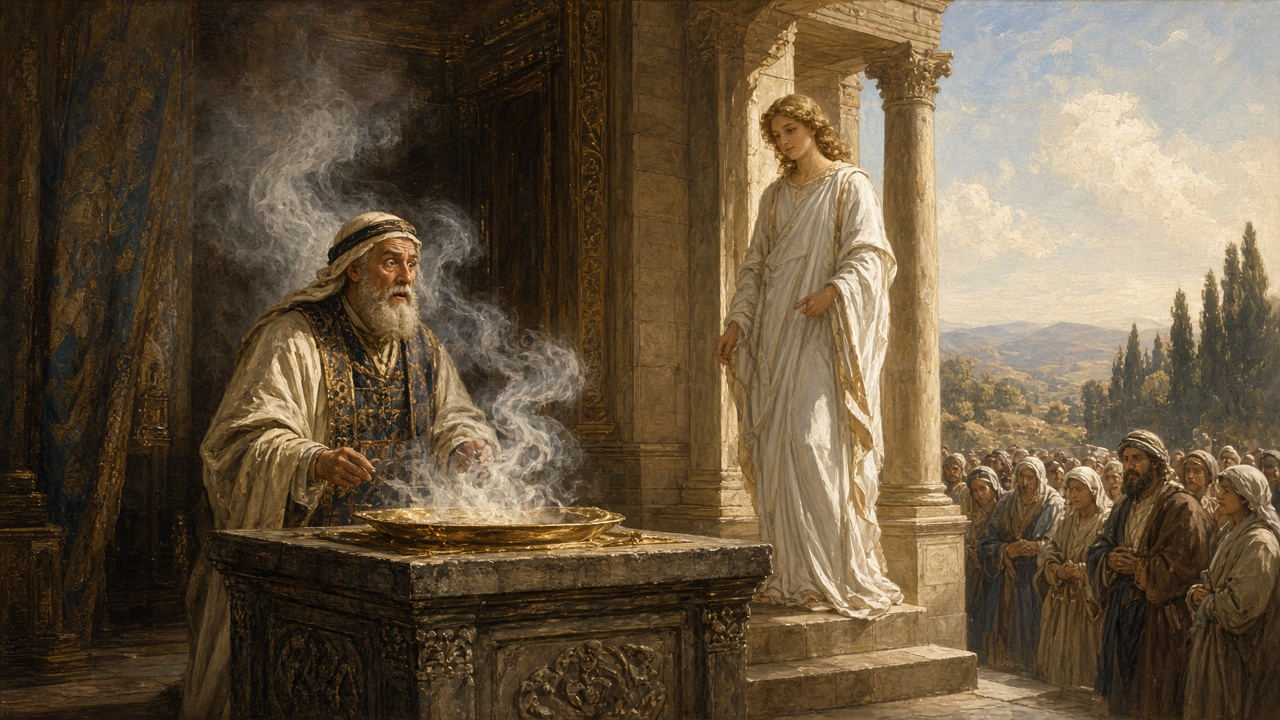
- Zechariah served in the priestly division of Abijah, the eighth of the twenty-four courses into which David had divided the priests. Only four of those groups returned from the Exile and were then redistributed under the old names. Priests served at the temple twice a year, for one week at a time, and lots were drawn each day for the solemn offering of incense.Sources: Zacharias · the Bible text itself
- The angel who stood at the right side of the altar of incense named himself Gabriel and said that he stands in the presence of God. The same name designates the angel sent to Daniel to explain the vision of the ram and the he-goat and to give the prediction of the seventy weeks, and Gabriel also announced to Mary that she would bear a son.Sources: Gabriel · the Bible text itself
- Elizabeth was a descendant of Aaron. Mary, of the tribe of Judah and the line of David, was connected with her by marriage and went from Nazareth in Galilee, a town not mentioned in the Old Testament, to visit her in the hill country of Judah.Sources: Elisabeth · Mary (Mother of Jesus) · Nazareth · the Bible text itself
Notes written with AI assistance from open sources (Theographic Bible Metadata, CC BY-SA 4.0; Easton’s Bible Dictionary, public domain) and reviewed before publishing.
Places in this chapter
- Judea · Today: Judea 1 · 31.777, 35.234 · verses 5, 39, 65
- Holy Place · Today: on Mount Moriah · 31.778, 35.236 · verses 9, 21, 22
- Galilee · 32.760, 35.527 · verse 26
- Nazareth · 32.702, 35.298 · verse 26
Only places identified with high confidence are shown (90% or more according to the scholarly sources compiled by OpenBible). Period map: DARE (Digital Atlas of the Roman Empire), CC BY 4.0; modern map: © OpenStreetMap contributors; places: OpenBible.info (CC BY 4.0).
Credits and license for this translation
Aka (Hrusso) Bible
Hruso: Aka (Hrusso) Bible (Portions) for India
copyright © 2024 Bridge Connectivity Solutions Pvt. Ltd.
Language: (Hruso)
Contributor: Bridge Connectivity Solutions Pvt. Ltd.
This translation is made available to you under the terms of the
Creative Commons Attribution Share-Alike license 4.0.
You have permission to share and redistribute this Bible translation in any format and to make reasonable revisions and adaptations of this translation, provided that:
You include the above copyright and source information.
If you make any changes to the text, you must indicate that you did so in a way that makes it clear that the original licensor is not necessarily endorsing your changes.
If you redistribute this text, you must distribute your contributions under the same license as the original.
Pictures included with Scriptures and other documents on this site are licensed just for use with those Scriptures and documents.
For other uses, please contact the respective copyright owners.
Note that in addition to the rules above, revising and adapting God's Word involves a great responsibility to be true to God's Word. See Revelation 22:18-19.
2025-05-03
Source: http://ebible.org/hru/ · eBible.org