Romans 15
Hset Hadròeh · Tap a verse to see its cross-references.
Hatroq ti dabau
1Qmang aih bèn mangai ma tadêh, ep wiang pòq blòh kan trap ka mangai ma ùh i đeh ka padren, apaq broq waq ka lem toq ka manoh deh cla. 2Rìm ngai bèn ep broq lem manoh ka mangai haten hatìa bèn, đoèq i loèq ka wì hu broq dua lem ka wì. 3Majah qmang aih, yac ka Christ hadai ùh broq lem toq manoh dèh cla, qmang ka bàu khoe achìh: “Bàu ƀài mangai capoch qmèq khoe ta ùc enh qnhèq ta chac au”. 4Majah qmang aih, rìm yiniq enh nèh khoe achìh hlài đòeq hnài bèn, dôq enh kan loq àt xam kan alòng da Hset Hadròeh hnài, bèn jah i kan tangèh. 5Waiq Boc Plình aih xèm da kan loq àt xam kan alòng am ka oh daq jah mòeq manoh oe ti dabau qmang ka Chuaq Jesus Christ. 6Đòeq ka oh daq jah mòeq manoh mòeq bàu ti dabau hu manè apôi Boc Plình, aih Baq da Chuaq Jesus Christ bèn.
7Qmang aih, oh daq drah đìh dabau, qmang ka Christ khoe đìh EsIs 45:23
oh daq, dôq Boc Plình jah kan ranhòm. 8Majah qmang aih au anoe ka oh daq, Chuaq Jesus Christ khoe broq mangai patìh tanòe ƀài mangai kat akia, đòeq hu patô qnoh Boc Plình ùh gôpla, rai broq ka cajap bàu ma khoe tèu am ka kan cadraq bèn; 9qnah hòm dôq mangai diac wì jah manè apôi Boc Plình taiq kan loq waq haq, tìah ka bàu ma khoe achìh:
“Aih raq, au majah manè apôi Boc Plình taqne mangai diac wì,
Calêu padèch yiniq haq”.
10Èh i achìh hòm:
“Dìq ka mangai diac wì, lem bùi ti mangai da Chuaq beq.
11Èh hòm:
“Dìq ka mangai diac wì,
Drah manè apôi Chuaq, rìm ngai khòh manè haq”.
12Êsai hanoh doe:
“Enh rangàu riah da Jêse, jah plôh loh hamenh
Moèq ngai ma hu yòng wèq dìq ka mangai diac wì,
Mangai diac wì jah tangèh đeh ta haq aih”.
13Waiq Boc Plình da kan tangèh, broq ka oh daq jah lem bùi rìm trong xam rìm kan catèm ta kan lùi, đòeq ka oh daq canòm ka cwìang itai da Yiang Hadròeh jah bình bauq kan canòm.
14Dìq dŏng oh daq da au, au lùi oh daq i bình kan loq hanò, bình kan rabiaq, èh loq hnài dabau. 15Joq au khoe yŏc dìq dèh ka manoh ùh hòq ka achìh jàiq đòeq anoe ka oh daq trong kô trong tau, aih đòeq broq ka oh daq hmàng, kan tabàih Boc Plình khoe am ka au 16jah wìa mangai patìh da Chuaq Jesus Christ am ka mangai diac wì, broq pajàu Bàu lem da Boc Plình, đòeq mangai diac wì jah wìa ramènh lem ka manoh Boc Plình, jah kan hruah enh Yiang Hadròeh.
17Aih èh enh da lam ka Jesus au i nen hu catèh rađeh ti ajang nòe au ma khoe patìh ka Boc Plình. 18Majah qmang aih, au ùh hùa capoch cleq yeo loe ka ƀài trong Christ ma khoe thê au broq dôq mangai diac wì jah iu tiaq haq, enh bàu capoch trùh yiniq broq, 19enh noè cwìang itai xam kan halac, tiaq kan itai enh Yiang Hadròeh da Boc Plình, patep enh Jêrusalem xam ƀài gùng dudan aih trùh hloe tagùng I-lyri, au aràng Bàu lem da Christ lam jàp jìa. 20Manoh da au toq enh anoe trong Bàu lem tanòe leq yiniq Chuaq Jesus Christ qnhòq lah i cabô ràu trùh, dôq au ùh hìaq broq hnim enh qnhèq ka xàn hnim wì qnoeq, 21qmang ka bàu khoe achìh:
“Ƀài mangai qnhòq lah hìa trùh haq, aih jah hnoq haq,
Ƀài mangai qnhòq lah tàng anoe trùh haq, aih jah loq ka haq”.
22Kô ìq raq kan khech tàt, broq ka au khoe bàc yàng ùh jah trùh hmàih ka oh daq. 23Mahaq manòeq kô pi oe i cleq tàt padràng au oe ta ƀài gùng kô, qnah hòm khoe toq leq hanam, au toq ngèh ka jah trùh ti oh daq; 24qmang aih tàng au jah lam tagùng Ypha-nho, au diq enh troq trong hu hmàih hloe ka oh daq, khoe ka jah oe lem bùi ti oh daq au hadai enh canòm ka oh daq qnung au lam.
25Hnoq anoe qmang aih, manòeq kô au qnang ti trong trùh ta Jêrusalem đòeq hu patìh ka ƀài mangai hadròeh ta aih. 26Majah qmang aih mangai ta Maxêđoan xam mangai tagùng Achai khoe lem bùi ta manoh wiang tagop bac jèn hu tabàih ka ƀa mangai hadròeh da Chuaq ta Jêrusalem ma qnang hamoq. 27Wì lem manoh broq qmang aih, majoq qnàng wì pòq dòeh mangai Juđa, tàng joq mangai diac wì khoe jah wiang pajùm xôq ramot ti mangai Juđa, aih wì haq ep yŏc dèh kùng hang qnhòng kô đòeq hu wiang am ka mangai Juđa. 28Qmang aih, gòm jò au broq gêh ka bìac kô, jò au loq ka joq qnàng wì khoe jah ƀài dahwèq aih, au hi lam hmàih ka oh daq, èh au hi lam ta Ypha-nho. 29Jò au trùh ti oh daq, au aràng bình halùih xôq ramot da Christ ka oh daq.
30Qmang aih, canòm ka Chuaq Jesus Christ da bèn xam kan loq waq loh enh Yiang Hadròeh, au enh oh daq wiang pajùm ti au trong bàu waiq khàn am ka au enh ngèa Boc Plình. 31Dôq au jah claih enh ti kŏng ƀài mangai ùh lùi tagùng Juđê, đòeq bài dahwèq au ma wê aràng kô wì oh daq hadròeh ta Jêrusalem jah dì yŏc. 32Aih èh, au hi jah lem bùi đòeq hu trùh ta oh daq, canòm tiaq manoh Boc Plình enh, èh dìq ka bèn hadai jah padài ti dabau. 33Waiq Boc Plình kan catèm oe ti oh daq! Amen.
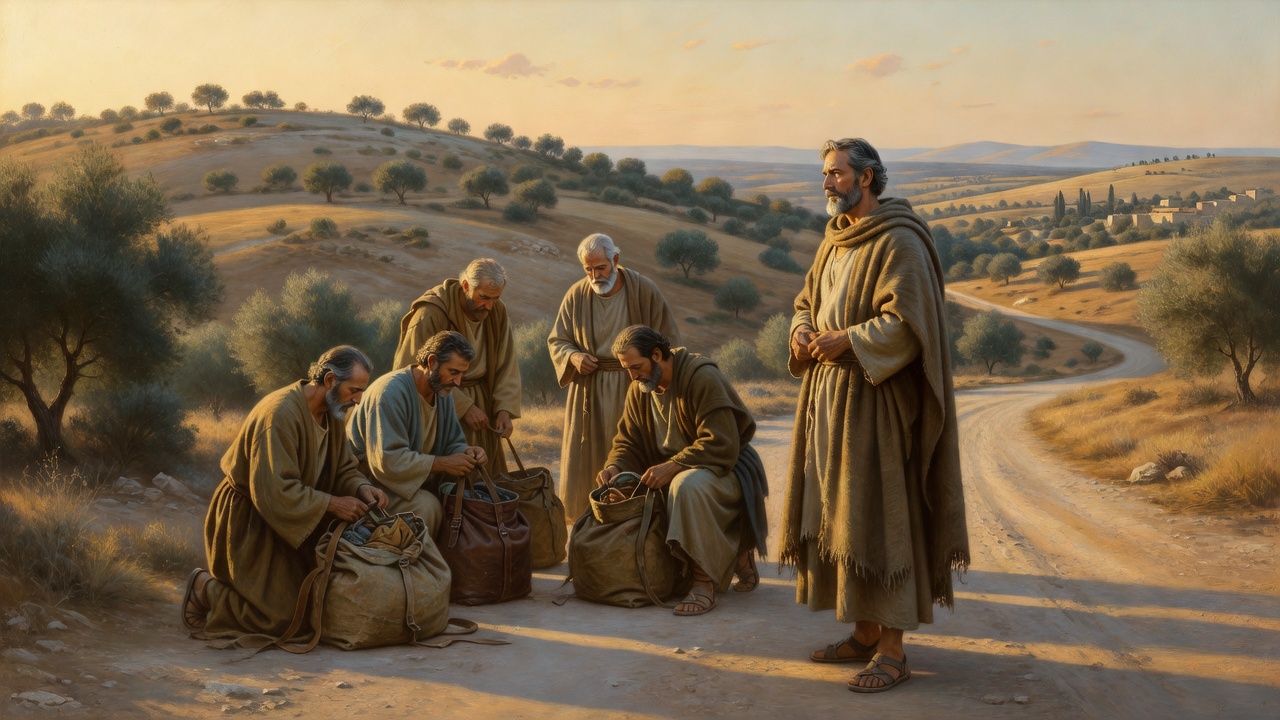
Did you know?
Gentile Hope and the Road West
- Paul writes that he has fully proclaimed the gospel of Christ from Jerusalem all the way around to Illyricum. Easton's Bible Dictionary (1897) places that region northwest of Macedonia, on the eastern shores of the Adriatic, and describes it as then almost wholly included in Dalmatia; it says he traversed Illyricum on his third missionary journey, that it was the farthest district he had reached in preaching, and that a journey through Macedonia would have brought him to its borders.Sources: the Bible text itself · Illyricum
- He hopes to see the believers in Rome on his way to Spain and, after delivering the contribution from Macedonia and Achaia to Jerusalem, to set off for Spain by way of them. Easton's Bible Dictionary (1897) records that intention, but notes that there is no evidence he ever carried it out, although some think he probably did so between his first and second imprisonment.Sources: the Bible text itself · Spain
- Quoting Isaiah, he says that the Root of Jesse would appear and arise to rule over the Gentiles, and that the Gentiles would put their hope in him. Jesse was the father of David, and Easton's Bible Dictionary (1897) says that the phrase root of Jesse is used for the Messiah, while stem of Jesse is used for David's family.Sources: the Bible text itself · Jesse
Notes written with AI assistance from open sources (Theographic Bible Metadata, CC BY-SA 4.0; Easton’s Bible Dictionary, public domain) and reviewed before publishing.
Places in this chapter
- Illyricum · 43.539, 16.483 · verse 19
- Jerusalem · 31.777, 35.234 · verses 19, 25, 26, 27, 31
- Rome · 41.892, 12.485 · verse 24
- Spain · Today: Hispania · 40.210, -4.350 · verses 24, 28
- Achaia · 38.720, 22.540 · verse 26
- Macedonia · 41.600, 22.540 · verse 26
- Judea · Today: Judea 1 · 31.777, 35.234 · verse 31
Only places identified with high confidence are shown (90% or more according to the scholarly sources compiled by OpenBible). Period map: DARE (Digital Atlas of the Roman Empire), CC BY 4.0; modern map: © OpenStreetMap contributors; places: OpenBible.info (CC BY 4.0).
Credits and license for this translation
Hset Hadròeh
The New Testament in the Hre language of Vietnam, translated by Baq Thi
Copyright © 2024 Baq Thi
Language: (Hre)
This translation is made available to you under the terms of the
Creative Commons Attribution Share-Alike license 4.0.
You have permission to share and redistribute this Bible translation in any format and to make reasonable revisions and adaptations of this translation, provided that:
You include the above copyright and source information.
If you make any changes to the text, you must indicate that you did so in a way that makes it clear that the original licensor is not necessarily endorsing your changes.
If you redistribute this text, you must distribute your contributions under the same license as the original.
Pictures included with Scriptures and other documents on this site are licensed just for use with those Scriptures and documents.
For other uses, please contact the respective copyright owners.
Note that in addition to the rules above, revising and adapting God's Word involves a great responsibility to be true to God's Word. See Revelation 22:18-19.
2026-07-18
Source: http://ebible.org/hrebt/ · eBible.org