Leviticus 26
Hset Hadròeh · Tap a verse to see its cross-references.
Ùh jah kùh waiq radua qmù kiac
1Pì paq broq ƀài radua qmù kan kiac; paq paqnàng radua qmù, ùh meh hmo ngè, taneh gùng pì paq dèch paqnàng hmo i pùng achìh đòeq kùh waiq enh ngèa haq, majah qmang aih au kô raq Jêhowa, Boc Plình pì. 2ep wèq hì sabat au, rai ta-iu nòe hadròeh au. Au kô raq Chuaq Jêhowa.
cabô iu tiaq bàu Chuaq Jah xôq ramot
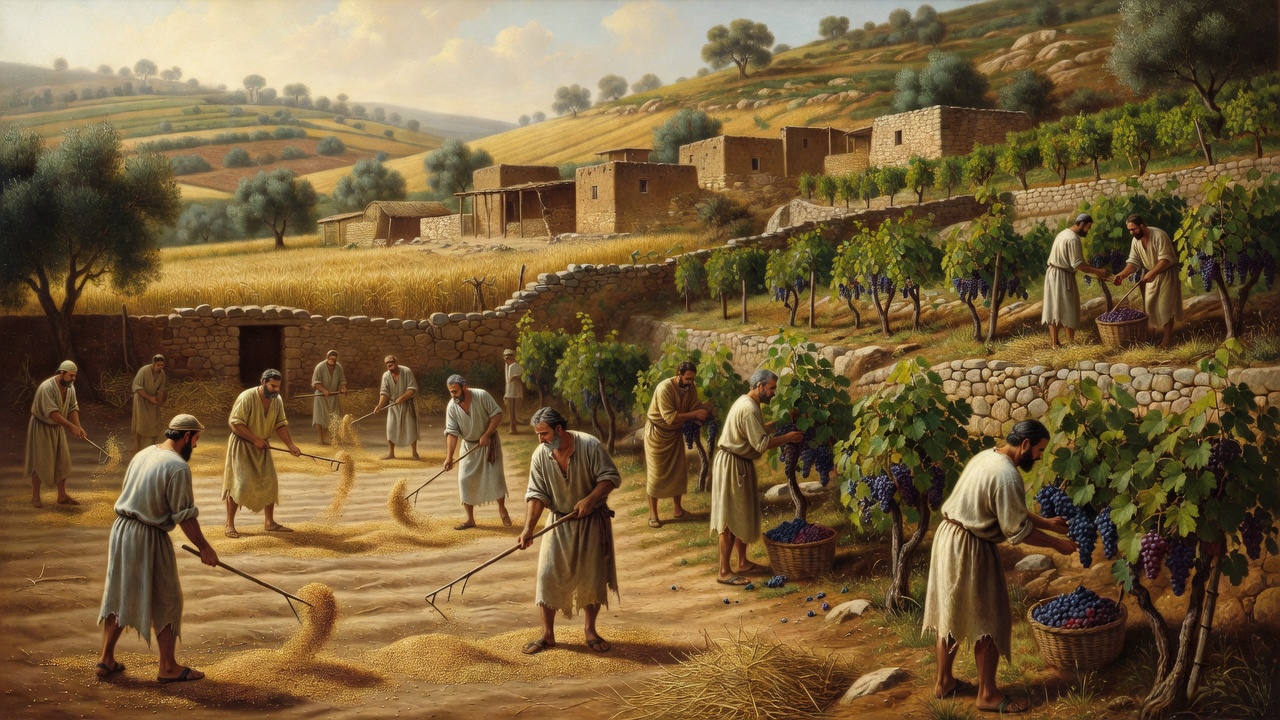
5Jò blai qmau da pì ùh catech trùh jò git nho, jò git nho ùh catech trùh jò rai maq; pì jah acaq ka panàc, jah oe ka catèm dèh ta gùng cla. 6Au caqnìh kan catèm ta taneh diac, pì kùi ùh yùq ka cabô taqnhùq; au hnan đac ƀài ngè ngang dù loh khoe ka gùng pì, chang jaoq ùh dèch enh qnhèq ka gùng pì. 7Pì hnan ƀài lình ma tabêq ka pì, wì aih jah tacro enh qneq ka chang enh ngèa pì. 8Pì padam ngai hnan tiaq moeq hrinh; moeq hrinh hnan tiaq moeq muàn, ƀài lình tablêq ka pì jah tacro ka chang jao ajang ngèa pì. 9Au hwi hlài ti pì xam kan ha-och tamèt ka pì, broq ka pì jah chèch lòe tam ka bàc, rai wèq deh tajao au ti pì. 10Pì jah acaq dèh qmau dùnh, èh qnoh ma dùnh đòeq qmùt ònh maneo 11Au jah đòeq deh nòe oe taqne pì, mahua yiang au ùh tagit ka pì 12Au jah lam taqne pì, broq Boc Plình pì, èh pì broq mangai da au. 13Au kô raq Chuaq Jêhowa, Boc Plình pì, Mangai khoe qnoh pì loh enh Êdip, đòeq pì ùh hìaq broq hapŏng dìc. Au khoe goh long ech pì, đòeq pì jah lam rai dèch gàu.
14Mahaq tàng pì ùh tamàng au, ùh broq tiaq ƀài ranenh kô, 15tàng jù đac bàu au, mahua yiang pì tablêq hlài ka ranenh au, loh ka ùh broq tiaq ranenh au, tablòq ka tajao da au, 16aih èh, kô ƀài trong au caqnìh am ka pì: Au caqnìh ka pì kan ramòt, ƀài kan yinìq tôq tanget, broq ka pì pùa mat, tagah lep ta mahua yiang. Qngwan ka pì rai maq, lình wì blah acaq dŏng. 17Au plôh nòeh ka pì; ƀài lình wì jah hnan tiaq jêh pì, mangai ma tagit ka pì gen padit pì, pì cadàu amot yac ka ùh i cabô hnan tiaq.
18Khoe qmang aih yàng pì dua ùh waq tamàng au, aih èh tiaq yiniq lui pì, au phŏc tam loe tapèh yàng đòeq hu baxa pì, 19èh au bahech kan catèh xam kan cadoq manoh pì. Au broq ka trŏc enh qnhèq ka gàu pì cadoq tìah ka mim taneh enh qneq pì cadoq tìah ka đùng, 20padren pì lep qngwan, taneh ùh loh dahwèq ka pì, long ùh loh plì ka pì.
21Tàng pì dua enh tablêq ka au, ùh waq tàng bàu au, aih èh đòeq tajì ka yiniq lui pì au caqnìh tam kan ranàc loe tapèh yàng. 22Au thê ƀài ngè rôm wang trùh đòeq rùp qnung kon pì, kap kaq ngè pì ma aban, jêh đac dôq mangai pì oe palap toq biaq, đòeq trong pì lam loh ka hawit
23Yac ka khoe qmang aih dua pì ùh iu tiaq trong au gùt bàt, dua oe raq tablêq ka au, 24aih èh cla au kô hadai talêq hlài ka pì, èh hòm taiq yiniq lui, au caqnìh kan ranàc ka pì loe tapèh yàng hòm. 25Au caqnìh chang jaoq trùh enh qnhèq ka pì đòeq tabroq chau pì ma khoe broq raliang da au tajao; jò pì tagop ti dabau ta than phôq pì, au caqnìh kan dài trùh taqne pì, tah qmùt pì ta tì kŏng mangai git ka pì, 26jò au aràng kan pangot hrah trùh, mòeq jàt ngai adrùh bùh ƀênh pì ta tanùh, kìq ƀênh aih am hlài ka pì; pì acaq mahaq ùh panàc. Nguyên-bổn là: khi nào ta bẻ gãy cây gậy bánh của các ngươi
27Yac ka khoe qmang aih, pì dua ùh tamàng au, oe raq tablêq ka au, 28aih èh kan noèh au hadai tablêq hlài ka pì, èh taiq yiniq lui pì, cla au kô èh ma phŏc pì loe tapèh yàng hòm 29Pì jah kaq jam deh kon calô cadrì cla pì. 30Au raliang đac ƀài nòe haqnhèq pì, raliang qnìh ƀài radua qmù mat mahì, đòeq hanang pì enh qnhèq ka hanang radua qmù kan kiac pì, mahua yiang au ramòt ka pì. 31Au broq ka nòe plài pì loh ka raliang, nòe hadròeh loh ka hatinh hatot, au pi oe waq kan xua thùm ƀài ramènh pì hòm. 32Au broq ka gùng aih loh la raliang, jaq mangai ma tablêq ka pì oe ta-aih ep loh ka hamàih. 33Au broq pì prah priang ta ƀài diac qnoeq rai hroe qnoh chang hnan tiaq atìq ka pì: gùng pì loh ka cađac clui, than phôq loh ka hawit.
34Jò taneh khoe cađac clui, pì oe nòe taneh diac ma tagit ka pì, jò aih èh taneh jah padài ƀài hanam sabat. 35Jò taneh jah cađac clui haq jah padài, majah qmang aih jò pì oe ta taneh aih, haq ùh jah padài ta ƀài hanam sabat pì. 36Taqne pì tàng i cabô ma oe rìh, au broq ka wì haq loh ka lèu nòe taneh diac wì ma tagit ka pì; atêh hla cro xôq broq ka wì haq cadàu amot, tìah ka cadàu ka chang jaoq, tacro mahaq ùh i cabô hnan tiaq. 37Mangai kô cro raxon enh qnhèq ka mangai tau tìah ka cro ajang mùh chang, ùh i cabô hnan tiaq wì haq, pì ùh nui dràng oe enh ngèa mangai ma git ka pì. 38pì cachìt lùch ta taqne ƀài mangai diac wì, taneh wì haq lonh yŏc pì 39Taqne pì loq i cabô ma oe rìh, wì haq jah cachìt yen nòe taneh diac mangai ma tagit ka pì, aih jao yiniq lui enh wì kan cadraq dài wì haq majah ep cachìt yen yen.
40Jò aih wì haq hi canau loq deh ka yiniq lui, xam kan ngang dù da wì kan cadraq, xam kan wì haq ma àu tablêq ka au. 41Bìac aih dài au majah tablêq ka wì haq, qmùt wì haq ta taneh diac ma git ka wì haq. Jò aih tàng joq manoh cliac ùh kat akia da wì haq loq paqnoh rađeh rai iu tiaq trong au haqnauq phŏc kan yiniq lui wì haq, 42aih èh au hi hmàng hlài tajao au khoe broq ti Jacôp, ti Ysac, xam Apraham rai hmàng hlài trùh gùng kô. 43Majah qmang aih jò taneh diac wì haq cađac clui, aih haq jah padài sabat toq aih hanam jò pi i ka wì ta aih, wì haq ep chìuq phŏc dèh kan ngang dù, majah qmang aih wì haq khoe dù đac bàu au, manoh cliac wì haq khoe ramòt đac ka ranenh da au. 44Yac ka qmang aih, jò wì haq ma oe đeh ta taneh diac ma git ka wì haq, dua au ùh cađac wì haq, ùh i ramòt đac ka wì haq loh qmòe ep ka cachìt lùch dŏng, èh hadai ùh tabòq tajao au ma khoe broq ti wì haq, majah qmang aih au kô raq Jêhowa, Boc Plình wì haq. 45Mahaq taiq wì haq, au hmàng hlài tajao đeh ma khoe broq ti kan cadraq wì haq đòeq qnoh wì loh khoe enh Êdip enh ngèa bàc diac, đòeq broq Boc Plình wì haq. Au kô raq Chuaq Jêhowa.
46Aih la ƀài bàu thê, ranenh, xam trong taqmroq enh Chuaq Jêhowa thê Môise, broq loh taqne Chuaq xam mangai Isorali.
Did you know?
Blessings, Warnings, and the Covenant at Sinai
- The laws and decrees concluding this section were established between the LORD and the Israelites through Moses while encamped at Mount Sinai. These stipulations set out concrete blessings for obedience, such as agricultural abundance and peace, alongside progressive disciplinary consequences for breaking the covenant.Sources: the Bible text itself · Mount Sinai · Moses
- The warnings in this chapter connect the observance of Sabbath laws directly to the soil. If the people failed to give the land its required rest, the passage warns that foreign conquest and exile would leave the fields desolate, allowing the land to finally enjoy its missed Sabbaths.Sources: the Bible text itself
- Even in the event of severe punishment and dispersal among enemy nations, the passage promises that repentance will lead God to remember His covenant with Abraham, Isaac, and Jacob. The covenant would not be permanently broken because God remains committed to the promises made to the patriarchs.Sources: the Bible text itself · Abraham · Isaac · Jacob (Israel)
Notes written with AI assistance from open sources (Theographic Bible Metadata, CC BY-SA 4.0; Easton’s Bible Dictionary, public domain) and reviewed before publishing.
Places in this chapter
Only places identified with high confidence are shown (90% or more according to the scholarly sources compiled by OpenBible). Period map: DARE (Digital Atlas of the Roman Empire), CC BY 4.0; modern map: © OpenStreetMap contributors; places: OpenBible.info (CC BY 4.0).
Credits and license for this translation
Hset Hadròeh
The New Testament in the Hre language of Vietnam, translated by Baq Thi
Copyright © 2024 Baq Thi
Language: (Hre)
This translation is made available to you under the terms of the
Creative Commons Attribution Share-Alike license 4.0.
You have permission to share and redistribute this Bible translation in any format and to make reasonable revisions and adaptations of this translation, provided that:
You include the above copyright and source information.
If you make any changes to the text, you must indicate that you did so in a way that makes it clear that the original licensor is not necessarily endorsing your changes.
If you redistribute this text, you must distribute your contributions under the same license as the original.
Pictures included with Scriptures and other documents on this site are licensed just for use with those Scriptures and documents.
For other uses, please contact the respective copyright owners.
Note that in addition to the rules above, revising and adapting God's Word involves a great responsibility to be true to God's Word. See Revelation 22:18-19.
2026-07-18
Source: http://ebible.org/hrebt/ · eBible.org