Leviticus 18
Hset Hadròeh · Tap a verse to see its cross-references.
Ƀài kan ramòt
1Chuaq Jêhowa doe tam ka Môise: 2Drah anoe ka Isorali: Au kô raq Jêhowa Boc Plình pì. 3Pì apaq broq tiaq dua wì ma broq ta Êdip, aih nòe pì khoe oe, hadai paq broq tiaq gùng Cana-an, aih la nòe au padon qnung pì mùt: paq top dua wì broq. 4Pì ep iu tiaq bàu au thê, wèq ranenh au đòeq broq tiaq: Au kô raq Chuaq Jêhowa Boc Plình pì. 5Qmang aih, wèq tiaq ranenh xam bàu au thê, mangai leq broq tiaq jah canòm ka aih èh đòeq jah rìh: Au kô raq Chuaq Jêhowa. 6Taqne pì apaq i cabô thia ten ka gucadrì oe raq hadròng cla đòeq tango: Au kô raq Chuaq Jêhowa. 7Apaq tango deh ka miq đòeq broq kan baxep deh ka baq. 8Paq tango deh ka miq neo, tàng broq qmang aih, aih raq kan baxep dèh baq. 9Apaq tango ka oh daq cadrì da cla, yac ka pajùm baq miq dèh hra, yac ka pajùm miq baq dèh hra, yac ka ha-uang hnim cla, yac ka ha-uang taqnoeq. 10Apaq tango dèh ka xau cadrì, yac ka xau pah nuiq, xau pah ngoaiq; tàng broq qmang aih, aih raq baxep deh cla. 11Paq tango ka kon cadrì da miq neo ha-uang enh baq cla, majah aih raq oh cadrì pì. 12Apaq tango ka ƀài oh daq cadrì da baq pì; aih xài oh daq baq da pì. 13Apaq tango ka wì oh daq cadrì da miq pì, aih xaih oh daq da miq pì. 14Apaq tango ka mai dèh mìh, ka mai da dùch pì, tàng broq qmang aih, aih xài broq ka xep oh daq da baq pì. 15Apaq tango dèh ka kon mai, aih xài mai da kon calô pì. 16Apaq tango ka mai dèh daq hadai apaq tango ka mai dèh oh; tàng broq qmang aih xài broq kan xep dèh ka oh daq.
17Apaq tango ka gucadrì hloe xam kon cadrì haq. Paq yŏc xau nuiq ùh meh xau ngoaiq haq đòeq tango ka wì aih; wì aih xài dìq nang noe haten da haq, trong aih dìq jaq dù. 18Apaq yŏc oh mai cla đòeq broq yang, paq kaq kùi ti haq jò mai cla oe rìh, èh loq loh kan tarènh.
19Jò gucadrì i khê, paq thia haten hu waq ka haq. 20Apaq kùi ti cadrì wì plài, paq broq ka rađeh loh ka ùh hruah ti mangai aih. 21Paq rùp dèh kon đòeq tadreo dèch ka kiac Moloc, Ấy là một tà-thần của người A-mô-rít thờ, paq broq amùa ka yiniq Boc Plình: Au kô raq Chuaq Jêhowa. 22Apaq kaq kùi ti mangai calô tìah ka wì ma kaq kùi ti moeq ngai gucadrì; aih xài kan pada amùa. 23Apaq tango ti ƀài ngè aban, đòeq broq ka rađeh loh ka ùh hruah ti ngè aih; mangai cadrì ùh jah dèch chac rađeh am ka ngè ma aban đòeq jah tango ti haq. Aih raq kan amùa ramòt.
24Pì apaq broq yac ka mòeq yiniq ta ƀài yiniq aih đòeq broq ka rađeh loh ka ùh hruah; majah qmang aih ƀài mangai diac wì au ma padon hnan đac enh ngèa pì dìq khoe loh ka ùh hruah taiq wì haq broq ƀài yiniq aih. 25Jaq taneh mech loh đeh ka ùh hruah taiq wì haq, kô èh au phŏc yiniq lui ngang dù wì haq; taneh jah hac qnoh đac wì haq. 26Yàng pì kô hòm, yac ka mangai ma ha-uang gùng cla yac ka mangai diac wì ma rìh oe taqne pì, ep wèq bàu xam ranenh au, paq broq kan ramòt qmang aih. 27Taiq ƀài kan ramòt aih, ƀài mangai ma rìh tacô adroe ka pì khoe broq; èh taiq wì haq aih dài taneh majah loh đeh ka ùh hruah. 28Qmang aih, paq broq ka taneh loh ka ùh hruah, èh taneh loq hac qnoh pì, qmang ka haq khoe hac qnoh ƀài mangai ma oe tacô adroe ka pì qmòh; 29Majah qmang aih cabô leq broq mòeq yiniq ta ƀài kan aramòt aih dìq ep hnan qnoh đac khoe ka Isorali. 30Qmang aih, pì ep wèq trong au khoe tanap thê, đòeq ùh hìaq top dua yac ka mòeq ta ƀài trong acaq oe ramòt wì ma khoe broq adroe ka pì trùh, hadai paq đòeq rađeh loh ka ùh hruah enh trong rìh acaq oe ramòt aih. Au kô raq Chuaq Jêhow Boc Plình pì.
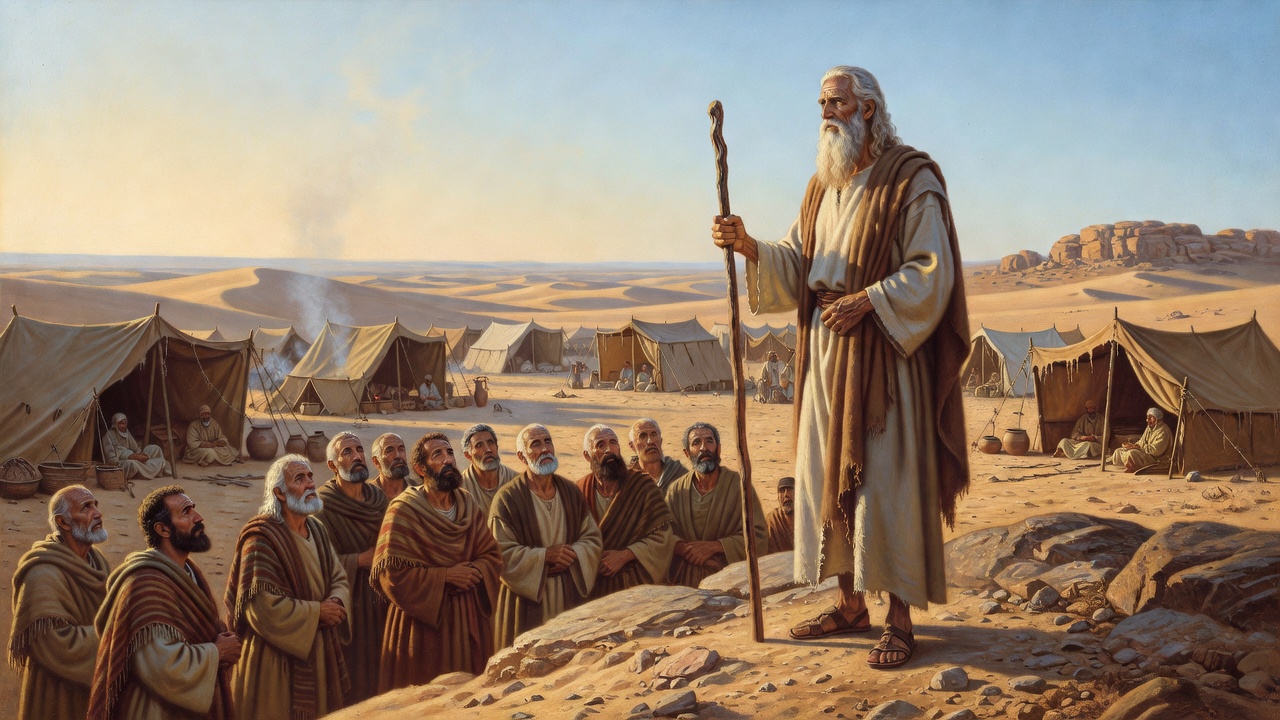
Did you know?
Holiness and Moral Standards
- Leviticus 18 introduces its moral and family regulations by instructing the Israelites not to adopt the customs of Egypt, where they had previously lived, nor those of Canaan, the land they were about to enter.Sources: the Bible text itself · Canaan · Egypt
- The chapter explicitly forbids offering children to Molech, the national deity of the Ammonites whose rites included sacrifices by fire, declaring that such acts profane the name of God.Sources: the Bible text itself · Molech
- The passage uses striking figurative language, warning that corrupt practices defile the land itself and that the land will vomit out anyone who violates these statutes, just as it expelled prior inhabitants.Sources: the Bible text itself
Notes written with AI assistance from open sources (Theographic Bible Metadata, CC BY-SA 4.0; Easton’s Bible Dictionary, public domain) and reviewed before publishing.
Places in this chapter
Only places identified with high confidence are shown (90% or more according to the scholarly sources compiled by OpenBible). Period map: DARE (Digital Atlas of the Roman Empire), CC BY 4.0; modern map: © OpenStreetMap contributors; places: OpenBible.info (CC BY 4.0).
Credits and license for this translation
Hset Hadròeh
The New Testament in the Hre language of Vietnam, translated by Baq Thi
Copyright © 2024 Baq Thi
Language: (Hre)
This translation is made available to you under the terms of the
Creative Commons Attribution Share-Alike license 4.0.
You have permission to share and redistribute this Bible translation in any format and to make reasonable revisions and adaptations of this translation, provided that:
You include the above copyright and source information.
If you make any changes to the text, you must indicate that you did so in a way that makes it clear that the original licensor is not necessarily endorsing your changes.
If you redistribute this text, you must distribute your contributions under the same license as the original.
Pictures included with Scriptures and other documents on this site are licensed just for use with those Scriptures and documents.
For other uses, please contact the respective copyright owners.
Note that in addition to the rules above, revising and adapting God's Word involves a great responsibility to be true to God's Word. See Revelation 22:18-19.
2026-07-18
Source: http://ebible.org/hrebt/ · eBible.org