Luke 15
परमेश्वर उन वचन · Tap a verse to see its cross-references.
काळ्द म्यांडा अन्द उदाहरण
1सब कर ताकोमावाळेर अदिक पापी यीशु उन हात्ती बंदुर ताकी आऊन केळुल. 2पर फरीसी अदिक नियम इन गुरु कुळकुळुस्कु अनली कुरतुर, “ईव पापीगोळ से सिकतान अदिक आंदुर सांगुळ तिनतान.” 3आग आव आंदुर से ईद उदाहरण अंदुन:
4“नीम दा टु याव आन यार्द सौ म्यांडागोळ ईरूल, अदिक अऊर दा टु ऊंद काळ्दोगुल, रा नीन्यानव म्यांडागोळी आळी दा बिटकु, आ काळ्द म्यांडा अक यागासताका सिक्काल आगासताका ढुंढ्सतेला ईरबाळुल? 5अदिक याग सिक्केगताव, आग आव बळा खुशी देल अदरी खांदा मा नेगु बुळतान; 6अदिक मान्या बंदकु संगीगोळी अदिक मान्ना हातळोर लॉकुरी जमा माळकु अनतान, ‘नान सांगुळ खुशी माळी, यतिकी नान म्यांडा जो काळ्दोगीत सिक्केग्याद.’ 7ना नीम से अनतीन कि ईदा रीति देल ऊंद मन तिर्गुसावाळा पापी इन बारा दा भी स्वर्ग दा ईट अच खुशी आदीत, याट कि नीन्यानव ईत्ता न्यायीगोळ्द बारा दा आगाल्द, जो पाप माळोद पयला अच बिट बुटार.
काळ्द सिक्का अन्द उदाहरण
8“या याक हिंग आर्त ईतीदार यार्द हात्ती हत्त सिक्कागोळ ईरूल, अदिक अऊर दा टु ऊंद काळ्दोगुल, रा आक दिंग्या होत्ताकु अदिक मान्ना उळ्ग उळ्गकु, यागासताका आ सिक्का सिक्केगाल जी जान हचकु ढुँढ्सतीदिल? 9अदिक याग सिक्केगतद, रा आक तान सैलीगोळी अदिक मान्ना बाजुवाळेर इक जमा माळकु अनतार, ‘नांद सांगुळ खुशी माळी, यतिकी नांद सिक्का जो काळ्दोगित सिक्केग्याद.’ 10ना नीम से अनतीन कि ईदा रीति देल ऊंद मन तिर्गुसावाळा पापी अन्द बारा दा परमेश्वर उन स्वर्गदूतगोळ्द मुंद खुशी आगतद.”
काळकु पार ऊंद उदाहरण
11बाक यीशु अंदुन, “यावारा मंळसा नव येढ्ढ चिकोर ईरोर. 12आंदुर दा टु स्याणेव आप्प से अंदुन, ‘हे आप्पा, संपत्ती दा टु जो भाग नांद आद अद नानी कोटबुळी.’ आव आंदरी तान सम्पत्ति वाट्सदुन. 13यक्कुल दिन बित्सलीका ईरव कि स्याणेव पार सब येनारा जमा माळकु दुर द्याश इक होटोदुन, अदिक अल कुकर्म इन क्याल्सा दा तान सप्पा सम्पत्ति हार्स बुट्टुन. 14याग आव सब येनारा खर्च माळ कोंडुन, रा आ द्याश दा धोळ्द अकाल बित्त, अदिक आव कंगाल आगेदुन. 15इदुरसाटी आव आ द्याश दा अल ईरावाळा ऊंद मंळसा अन्द मान्या क्याल्सा नोळली होदुन. आव आऊक तान केय दा हंदी आळसोर साटी कळुदुन. 16अदिक आव चाहासोन कि अव फल्लीगोळ से यवरी हंदी तिनव, तांद व्हाट्टा तुम्मुल; अदिक आऊक याऊ येनु ईला कोळोन. 17याग आव तान होश दा बंदुन आग अनली कुरतुन, नान आप्प ऊंद यासारा अच मजदूरगोळी व्हाट्टा से यक्कुल रोट्टी सिकताव, अदिक ना ईल उपास सायेतिन. 18ना ईग यदकु तान आप्प उन हात्ती होगाईन अदिक आऊन से अनाईन कि हे आप्प, ना स्वर्ग इन विरोध दा अदिक नीन नजर दा पाप माळदीन. 19ईग ई लायक ईतीदील कि नानी नीन पार अंदकु आगुल, नानी तान ऊंद मजदूर उन घाई ईट कोम. 20आग आव यदकु, तान आप्प उन हात्ती होदुन:
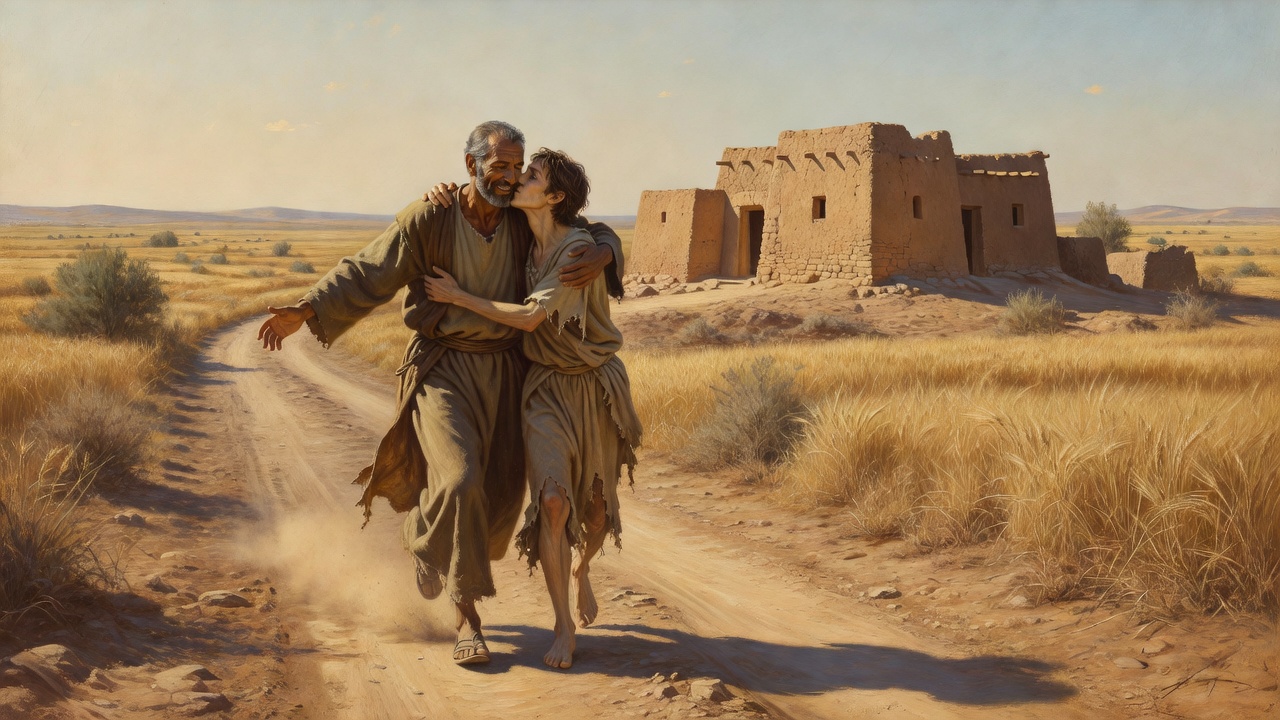
“आव ईगल्या दुर अच ईरोन कि आऊन आप्प उक आऊक नोळकु दया बत्त, अदिक ओळतेला आऊक तान याद्दा से हचदुन, अदिक आऊंद हापाळ चुम्मा ताकोंडुन. 21पार आऊन से अंदुन, ‘हे आप्प, ना स्वर्ग इन विरोध दा अदिक नीन नजर दा पाप माळीन; ना ईग नीन पार अना लायक ईतीदील.’ 22लेकीन आप्प तान दासगोळ से अंदुन, ‘जल्दी वळ्लीसा सा वळ्लीसा कपळा तेगुकु आऊक हाकसुसी, अदिक आऊंद कय दा ऊँगरा, अदिक कालगोळ दा केरू हाकसुसी, 23अदिक पाल्सद व्हात तनकु कोण्णी ताकी नाव तिनदेव अदिक खुशी मान्सेव. 24यतिकी नानव ईव पार सोतोगिदुन, बाक जित्ता आग्यान: काळ्दोगिदुन, ईग सिक्केग्यान.’ अदिक आंदुर खुशी माळली कुरतुर.
25“लेकीन आऊन धोळ पार केई दा ईरोन. याग आव बरतेला मान्ना अन्द हात्ती पोहचुसदुन, रा आव गाना मुरसोद अदिक कुण्णोद आवाज केळदुन. 26इदुरसाटी आव ऊंद दास उक कारूकु केळदुन, ‘ईद येन आगेत्याद?’ 27आव आऊन से अंदुन ‘नीन स्याणेव वार्ट बंदान, अदिक नीन आप्प आऊक भला चंगा नोळ्यान, इदुरसाटी नीन आप्प धोळ्द पाल्सद व्हात कळसुस्यान.’
28“ईद केळकु आव सिट्ट देल तुम्मेदुन अदिक बुळ्क होगोद चाहासीदिल, लेकीन आऊन आप्प व्हार्या बंदकु आऊक मनुस्ली कुरतुन. 29आव तान आप्प उक उत्तर कोट्टुन, ‘नोळ, ना ईस वर्ष टु नीन स्यावा माळीतीन अदिक ना यागलु भी नीन आग्या टाल्सीदील, तरी नी नानी यागलु ऊंद मर्री इन पाड्डा भी कोटीदील कि ना अदरी वोतकु तान संगीगोळी सांगुळ खुशी माळाईन. 30लेकीन याग नीनव ईव पार बंदुन, याव नीन सप्पा संपत्ती वेश्यागोळ मा हार्स बुट्टुन, तरी आऊन साठी नी धोळ्द पाल्सद पाड्डा कळसुस बुट.’ 31आप्प तान धोळ पार उन से अंदुन, ‘नान पारा, नी हमेशा नान सांगुळ ईत्या; अदिक जो येनारा नांद आद अद सप्पा अपमान अच हुन. 32लेकीन नामी ईग खुशी माळोद अदिक मग्न ईरोद आद यतिकी नीनव ई वार्ट सोतोगिदुन, ईग जित्ता आगेग्यान; अदिक पयले काळ्दोगिदुन, ईग सिक्केग्यान.’”
Did you know?
Lost and Found
- Tax collectors and sinners were gathering around to listen to Jesus, and the Pharisees and scribes began to grumble that he welcomes sinners and eats with them. Jesus then told them parables about a lost sheep, a lost silver coin, and a lost son.Sources: the Bible text itself
- Teaching and healing in Perea to Jerusalem is recorded as starting in AD 30 with a duration of one day.Sources: Teaching and Healing in Perea to Jerusalem
Notes written with AI assistance from open sources (Theographic Bible Metadata, CC BY-SA 4.0; Easton’s Bible Dictionary, public domain) and reviewed before publishing.
Credits and license for this translation
परमेश्वर उन वचन The Holy Bible in the Holiya language of India: परमेश्वर उन खरा वचन copyright © 2020 The Word for the World International Language: Gohllaru (Holiya) Contributor: The Word for the World International परमेश्वर उन वचन हाळोद नियम, 2025 The Old Testament Books in Holiya Language The Word for the World International This translation is made available to you under the terms of the Creative Commons Attribution Share-Alike license 4.0. You have permission to share and redistribute this Bible translation in any format and to make reasonable revisions and adaptations of this translation, provided that: You include the above copyright and source information. If you make any changes to the text, you must indicate that you did so in a way that makes it clear that the original licensor is not necessarily endorsing your changes. If you redistribute this text, you must distribute your contributions under the same license as the original. Pictures included with Scriptures and other documents on this site are licensed just for use with those Scriptures and documents. For other uses, please contact the respective copyright owners. Note that in addition to the rules above, revising and adapting God's Word involves a great responsibility to be true to God's Word. See Revelation 22:18-19. 2025-07-11
Source: http://ebible.org/hoy/ · eBible.org