Matthew 13
God Lavayiyat Aṅ Puhuvasiwni · Tap a verse to see its cross-references.
The Parable of the Sower
1Noqw ép tāwat ep Jesus kīṅaqw yámakqe, wuhkovatuphat qalaveq qatuptu. 2Noqw qaan’ewakw hintaqam sinom put aw tsovalti. Noqw ōviy pam pākihut aqw pákihqe pepeq qatuptu; noqw sinom sohsoyam pāhut qalavaqe hōñi. 3Noqw pam tūtuwutsit akw pumuy hīhihta tutuqaynaqe amumi paṅqawu: Meh, hak tāqa uyto. Poshumit tsálakintaniqe pan uylawu. 4Noqw pam uylawhq, pēhu poshumi pöhpava löhö; noqw masay’yuṅqam ökihqe, aṅ put soswa. 5Noqw pēhu pik̇aqlöva qa pas pisay’taqat aṅ löhö; nihqe pay suhkuyva, aṅ tutskwa qa pȫṅalaniqw ōviy’o. 6Nit tāwat yamakq, pay kólaki; noqw pay pi pam qa ṅay’yuṅqe ōviy aṅ tsakya. 7Noqw pēhu kutqölpa löhö; noqw kūta aṅ kuyvaqe put lakna. 8Noqw pēhu lolmat tutskwat aṅ löhökqe hihta aniwna; pēhu tsivót‐sikip sunat aw hóyokput aniwna, pu pēhu payhp sunát‐sikipo, pu pēhu sunat pakwt sihk̇ay’tasikipo. 9Tuqayvastotaa! Pi uma naqvuy’yuṅwa.
The Purpose of the Parables
10Noqw put aw nánatuwnayaqam put aw ökihqe, aw paṅqaqwa: Ya um hinoqw pumuy amumi tūtuwutsit akw yuaata? 11Noqw pam lavayhtiqe amumi paṅqawu: Oveqatsit aṅqw moṅwtunatyat ahpiy navoti tupkiwta pew pahsavoo. Nīk̇aṅw pu’ hapi pam umumiwat susmataq’a; nīk̇aṅw ímuywatuy qatuptsiwni’yuṅqamuy amumi qa mahtaq’a. 12Pi hihta himuy’taqat hapi aw piw noiwni; noqw pam hóyokiwtaqat himuy’tani; noqw pay ṅastanihqat hikis pi hihta himuy’taqw pam put aṅqw nawhkiwni. 13Paniqw hapi ōviy nu pumuy amumi tūtuwutsit akw yuaata, puma as aw tayk̇ahk̇aṅw qa tutwaqw ōviy’o, pu tūqayk̇ahk̇aṅw qa nanapta, pu qa māmatsya. 14Noqw pumuy hapi amuhpe Esaias nāt hintaniqa lavayiat aw antsaniwa. Ura pam Tutuyqawhqat eṅem yan lavayhti: Uma as aw tūqayk̇ahk̇aṅw nanaptat, qa māmatsyani; pu uma as aw tayk̇ahk̇aṅw tutwat, qa māmatsyani. 15Pi imuy sinmuy unaṅwaam pās tunaiwyuṅwa, pu naqvuam qa nanvotya, pu puma uviyuṅwa, nāp hisat pi k̇a puma pōsiy akw tutwak̇aṅw, naqvuy akw nanaptak̇aṅw pu unaṅway akw māmatsye’, inumi ahoy nánamtök̇aqw, nu pumuy qalaptsinani, kita. 16Nīk̇aṅw uma hapi hahlayhpit epya, ispi umuhposi tālat aw tāyuṅqw ōviy’o, piw umuhnaqvuy aṅ hötsíltoti. 17Nu umumi pas antsa paṅqawni: Pas as k̇aysiwhqam Tutuyqawhqat lavay’aymatniqw, pu súanhinwisqam umuy hihta aw yórikyaqat as aw yórikyaniqey nānawaknak̇aṅw hapi qa aw yórikya, pu umuy hihta nanaptaqat as nanaptanik̇aṅw qa nanapta.
Jesus Explains the Parable of the Sower
18Kurs huvam tuqayvastotaa. I’ tūwutsi hihta tuawi’taqat uma nanaptani. 19Hak haqam moṅwtunatyat ahpiy lavayit navotk̇aṅw, put qa māmatsq, pahsat pay Nukpana aw pite’, put unaṅwpeq lavayit ūyiwhqat paṅqw ipwaṅwu. I’ hapi pöhpava yēvayaqat anta. 20Pu i’ pik̇aqlöva yēvayaqa hapi it hakiy anta. Hak lavayit navote’, hahlayk̇aṅw āpiy put kwúsuṅwu. 21Noqw pay lavayi hakiy unaṅwpeq qa ṅay’taqw, pay ōviy as pam hihsavo aṅ kuytaṅwu. Nīk̇aṅw ason lavayit ep k̇ānanvotpit, pu okiwsahsaniwuy aw pituqw, hihsavoniqw pay pam sóonhtiṅwu. 22Pu i’ kutqölpa yēvayaqa hapi it hakiy anta. Hak lavayit as navotat, yep qatsit‐sa aw tunatyalte’, pu k̇āhakiwuy tuṅlay’k̇aṅw put akw ūnatiqe, soq lavayit qa aw tunatyaltiṅwu. Noqw ōviy lavayi put ahsonve qa hihta aniwnaṅwu. 23Pu tuwat i’ lomatutskwat aṅ yēvayaqa hapi imuy amunta. Hakim lavayit nanapte’, māmatsyaṅwu. Noqw lavayi wuṅwe’, hihta aniwnaṅwu, pēhu tsivót‐sikip sunát‐sikip hóyokput himuy’vaya; pu pēhu payhp sunát‐sikipo, pu pēhu sunat pakwt sihk̇ay’tasikipo.
The Parable of the Weeds
24Pu pam piw tūwutsit hihta tuawi’taqat akw pumuy tutuqaynaqe amumi paṅqawu: Oveqatsit aṅqw moṅwtunatya hapi hak pāsay aṅ lomavoshumit uyhqat anta. 25Noqw pam puwhq, put tuwqaat pítuhqe, söhövosit amuhtsava söhövostusaqat uyht, ahpiy’o. 26Noqw ūyi nahpi’vaqe talay’vaqw, pahsat pu söhövostusaqa piw mātaqti. 27Noqw ōviy ki’taqat tumal’aymat put aw ökihqe, aw paṅqawu: Moṅwi, ya um as qa lomavoshumit uhpasay aṅ ūya? Noqw pam haqam söhövostusaqata? 28Noqw pam pumuy amumi paṅqawu: Pay ituwqa panhti. Noqw tumal’aymat put aw paṅqaqwa: Noqw itam awye’, aṅ tsovalayaniqat um nāwakna? 29Noqw pam pumuy amumi paṅqawu: Qae, taq k̇a uma söhövostusaqat aṅ tsovalantote’, söhövosit énaṅyani. 30Pay pi hāk aṅ sohsoy wúṅwiwmani hisat tsovalaniwniqat aw pahsavoo. Noqw ason höqyaniqw, pep pu’ nu höqyaniqamuy amumi paṅqawni: Uma aṅ söhövostusaqat mohti tsovalayani, nen put somhtotat taqtsokyani; pu’ ason uma söhövosit ikoyohkiy aw taṅatotani.
The Parable of the Mustard Seed
31Pu piw pas sukw tūwutsit akw amumi yuaaykuqe paṅqawu: Oveqatsit aṅqw moṅwtunatya mustard‐uyit sivosiyat anta. Put hak pāsay ep ūya. 32Pam pas sohsok hihta pōvoshumit amuṅaqw sushihsay’o; nīk̇aṅw pam wuṅwe’, sohsok tusaqtsotskit amuhpenihqe suswuyoqtiṅwuniqe pas himutskiniwhtiṅwu. Noqw ōviy súmawuy aṅ masay’yuṅqam ök̇e’, put nantaqayat aṅ yesvaṅwu.
The Parable of the Yeast
33Pu piw pam sukw tūwutsit akw pumuy amumi yuaaykuqe paṅqawu: Oveqatsit aṅqw moṅwtunatya pēk̇enit anta; put wuhti kwúsuhqe, payhp tuwanit ṅumnit enaṅ namiqwrilaṅwu; noqw pam sohsok put pēk̇enaṅwu.
Jesus’ Use of Parables
34Iit yantaqat sohsok Jesus sinmuy amumi tūwutsit akw yuaata; nihqe pam tūwutsit qa akw yuaatanik, pay amumi qa yuaataṅwu. 35Yan Tutuyqawhqat lavay’ayaat hin lavayhtiqa aw antsaniwa; pam ura paṅqawu: Nu tūwutsit hihta tuawi’taqat akw yuaatani; nu tūwaqatsit hisat yukiltiqat aṅqaqw hihta tupkiwyuṅqat paṅqawni.
Jesus Explains the Parable of the Weeds
36Pahsat pu Jesus sinmuy aṅqe’ hōnat, kīmi paki. Noqw put aw nánatuwnayaqam aw ökihqe, aw paṅqaqwa: Um as söhövostusaqat hihta tuawi’taqat itamuy āawnani. 37Noqw pam hu’waqe amumi paṅqawu: I’ lolmat poshumit uyhqa hapi nūu, Sinot Tíata. 38Noqw pāsa hapi yep qatsi. Lomavoshumi hapi moṅwtunatyat aṅqw sinoiwtaqamu; noqw sohövostusaqa hapi hakiy qalolmat sinomatu. 39Pu tuwqa, pumuy uyhqa hapi i’ Nukpana; yep qatsit so’ṅwamiq pituqw, pahsat pu höhöqsattiqat antani, noqw aṅ tsovalayaniqam hapi ōveqatsit aṅqw hoṅvia’yamu. 40Noqw ōviy hapi söhövostusu tsovalaniwht, qȫhit akw taqtsokiwhq, pay pan hapi yep qatsit so’ṅwaveq hintani. 41Nu Sinot Tiat ihoṅviaymuy ayataqw, puma imoṅwtunatyay aṅqw sohsokmuy lasnayaqamuy, pu qaanhinwisqamuy tsovalayani; 42Nen pumuy qöpqömiq qȫhit aqw maspayani. Pep a’nö tsaykitiwni, pu tama ṅuritiwni. 43Noqw pep pu’ hakim súanyuṅqam Nay moṅwtunatyayat ep tāwat an tālawṅway’yuṅwni. Tuqayvastotaa! Pi uma naqvuy’yuṅwa.
The Parable of the Hidden Treasure
44Pu i’ pīwu: Oveqatsit aṅqw moṅwtunatya himu a’nö hihk̇ay’taqat pasve tupkiwtaqat anta. Put hak tāqa túwahqe, ahoy amht, put ep kwaṅwtoynaqe, ahpiynihqe sohsok hihta himuy húyahqe, put pāsat tui.
The Parable of the Pearl
45Pu i’ pīwu: Oveqatsit aṅqw moṅwtunatya hakiy huhyaqat lolmat pearl hepnumqat anta. 46Pam hak sūkw pearl pas a’nö hihk̇ay’taqat túwahqe, ahpiynihqe sohsok hihta himuy húyahqe, put tui.
The Parable of the Net
47Pu i’ pīwu: Oveqatsit aṅqw moṅwtunatya pakiwmaktutsayat anta. Pam wuhkovatuphamiq tūviwhqe, sohsok hinyuṅqamuy pāvakiwhtuy inhta. 48Put aw ohpokq, puma pāhut qalavoq put láṅaknayaqe, pep yesvat, pu aṅ nūnukṅwatuy pāvakiwhtuy hihta aqw taṅatotat, pu pay hin’ewakwmuy maspayaṅwu. 49Noqw pan hapi hintani yep qatsit so’ṅwaveq’a. Oveqatsit aṅqw hoṅvia’yam nankwuse’, aṅ nūnukpantuy lomasinmuy amuṅaqw tsīk̇ayani, 50Nen pumuy qöpqömiq qȫhit aqw maspayani. Pep a’nö tsaykitiwni, pu tama ṅuritiwni.
New and Old Treasures
51Pu Jesus pumuy amumi paṅqawu: Ya uma īit sohsok māmatsya? Noqw puma aw paṅqaqwa: Owi, Tutuyqawhqa. 52Noqw pam pumuy amumi paṅqawu: Sohsoyam tutuvenit tuwi’yuṅqam ōveqatsit aṅqw moṅwtunatyat ahpiy tutaqayhpit tuwi’vayaqam hapi hakiy k̇ahaktaqat anyuṅwa. Puma tutuvenit aṅqw hisattutuqayhpit sinmuy tutuqaynaya, pu pūhut tutuqayhpit pīwu.
Jesus Rejected at Nazareth
53Noqw Jesus yan tutuqaynaqey yukut, paṅqw ahpiy’o. 54Noqw pam nāp kitsókiy ep pítuhqe, pumuy tsotsvalkiyamuy aṅ pumuy tutuqayna. Noqw put aw tūqayyuṅqam aw k̇ātayyuṅqe, nātuviṅlalwaqe paṅqaqwa: Ya sen i’ haqaqw it wuwantuwit makiwa? Is uti, pu it k̇ātutmalat haqaqw öqalmakiwa? 55Ya qa i’ wunavutsit tumaltuwi’taqat tíata? Ya yuat qa Mary yan mātsiwa, pu put tupkomat James‐niqw, pu Joses‐niqw, pu Simon‐niqw, pu Judas. 56Pu siwamat, ya qa puma sohsoyam itamumya? Noqw ya sen i’ haqaqw īit hihta makiwa? kitota. 57Nihqe puma put ep qaan’unaṅwtoti. Noqw Jesus pumuy amumi paṅqawu: Pay pi Tutuyqawhqat lavay’ayaat sohsovik k̇aptsi’tiwṅwu, hal pay nāp kitsókiy‐sa ep’e, pu pas nāp kiy ep pīwu. 58Noqw puma qa tuptsiwni’yuṅqw, ōviy pay pam pep qa a’nö hihta tumalta.
Did you know?
Parables of the Kingdom of Heaven
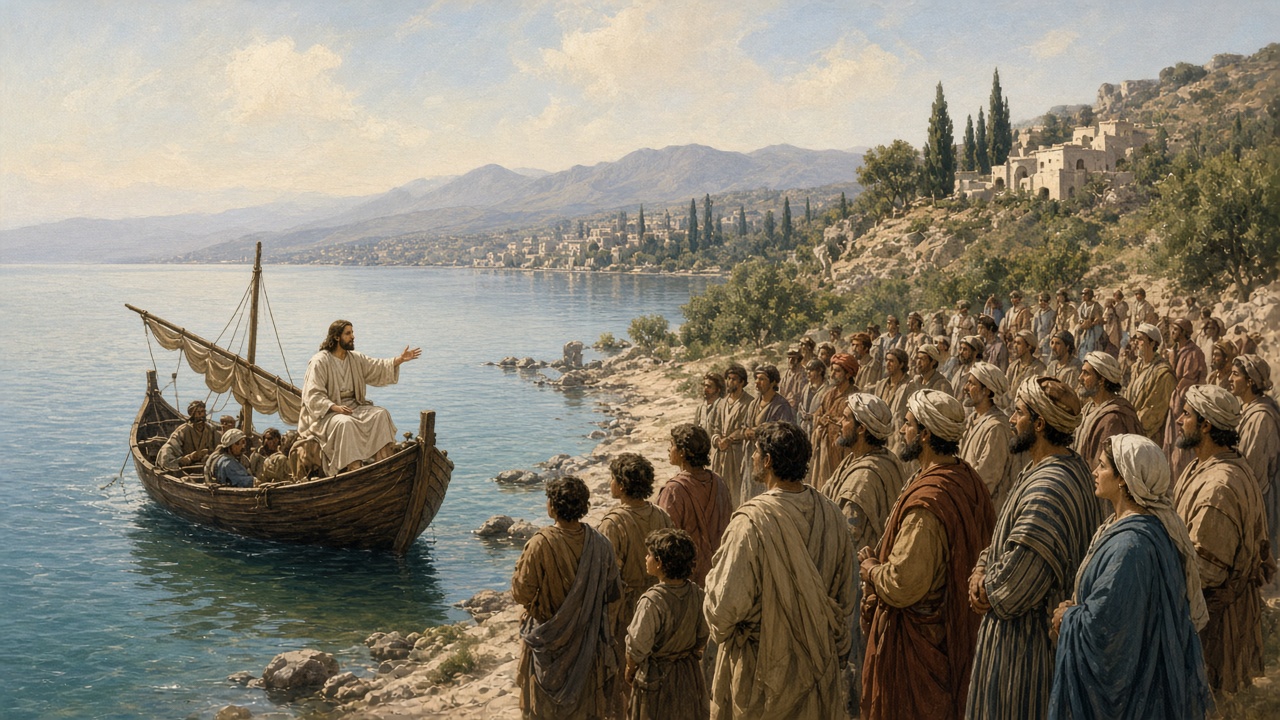
- On the day this chapter describes, Jesus left the house and sat by the sea. The crowd grew so large that he got into a boat and taught from there, while the people stood on the shore, and he told them nothing except in parables. One timeline dates these seaside parables to AD 28.Sources: the Bible text itself · Seaside Parables and Miracle
- When the disciples asked why he spoke to the people in parables, Jesus answered that the knowledge of the mysteries of the kingdom of heaven had been given to them, but not to the crowds. He said Isaiah’s prophecy was fulfilled in the crowds: they would keep hearing and seeing, yet never understand or perceive, because their heart had grown callous. Easton’s Bible Dictionary (1897) describes Isaiah as the son of Amoz, who prophesied during the reigns of Uzziah, Jotham, Ahaz, and Hezekiah.Sources: the Bible text itself · Isaiah
- Jesus later came to his hometown, taught in the synagogue, and the people took offense at him. They asked whether he was the carpenter’s son, named his mother Mary and his brothers James, Joseph, Simon, and Judas, and noted that his sisters were living among them; because of their unbelief he did not do many miracles there. Mary is identified as the wife of Joseph and the mother of Jesus, Simon as one of the Lord’s brothers, and one timeline dates this second rejection at Nazareth to AD 29.Sources: the Bible text itself · Mary (Mother of Jesus) · Simon · 2nd Rejection at Nazareth
Notes written with AI assistance from open sources (Theographic Bible Metadata, CC BY-SA 4.0; Easton’s Bible Dictionary, public domain) and reviewed before publishing.
Places in this chapter
- Nazareth · 32.702, 35.298 · verse 54
Only places identified with high confidence are shown (90% or more according to the scholarly sources compiled by OpenBible). Period map: DARE (Digital Atlas of the Roman Empire), CC BY 4.0; modern map: © OpenStreetMap contributors; places: OpenBible.info (CC BY 4.0).
Credits and license for this translation
God Lavayiyat Aṅ Puhuvasiwni
New Testament in Hopi (US:hop:Hopi)
copyright © 2012 Wycliffe Bible Translators, Inc.
Language: Hopi
Translation by: Wycliffe Bible Translators, Inc.
Hopi [hop], USA
Copyright Information
© 2012, Wycliffe Bible Translators, Inc. All rights reserved.
This translation text is made available to you under the
terms of the Creative Commons License: Attribution-Noncommercial-No Derivative Works.
( http://creativecommons.org/licenses/by-nc-nd/3.0/ )
In addition, you have permission to port the text to different file formats, as long as you
do not change any of the text or punctuation of the Bible.
You may share, copy, distribute, transmit, and extract portions
or quotations from this work, provided that you include the above copyright
information:
You must give Attribution to the work.
You do not sell this work for a profit.
You do not make any derivative works that change any of the actual words or punctuation of the Scriptures.
Permissions beyond the scope of this license may be
available if you contact
us with your request.
The New Testament
in Hopi
© 2012, Wycliffe Bible Translators, Inc. All rights reserved.
This translation is made available to you under the terms of the
Creative Commons Attribution-Noncommercial-No Derivatives license 4.0.
You may share and redistribute this Bible translation or extracts from it in any format, provided that:
You include the above copyright and source information.
You do not sell this work for a profit.
You do not change any of the words or punctuation of the Scriptures.
Pictures included with Scriptures and other documents on this site are licensed just for use with those Scriptures and documents.
For other uses, please contact the respective copyright owners.
2014-04-25
Source: http://ebible.org/hopNT/ · eBible.org