Luke 9
God Lavayiyat Aṅ Puhuvasiwni · Tap a verse to see its cross-references.
Jesus Sends out the Twelve Disciples
1Pahsat pu pam pakwt lȫq sihk̇ay’taqamuy put aw nánatuwnayaqamuy sūmi wáṅwayhqe, sohsokmuy nukpanhihikwsimuy amumi pumuy öqalhuyta, pumuy amumi tuyqawi’yuṅwniqata; pu puma hīhihta akw tūtuyyaqamuy qalaptsintotaniqat pumuy pan öqala. 2Nihqe pam pumuy God moṅwtunatyayat yuaatinumyaniqat aṅqe’ ayata, pu tūtuyyaqamuy qalaptsintiwisniqata. 3Nihqe pam pumuy amumi paṅqawu: Uma qa hihta hink̇ahk̇aṅw, aṅqe’ nankwusani. Qa natöṅpi’wisni, qa tukpuy’wisni, qa nitk̇ay’wisni, qa sīvay’wisni; uma qa lȫqmuy napnay’wisni. 4Pu uma haqami kīmi yuñe’, pep yesmantani, nit pu paṅqw ahpiyyamantani. 5Pu hak umuy qa pās oyaqw, uma put kitsókit aṅqw ahpiyye’, umuhkukuy aṅqw qöat tsatswiyamantani. Pam pumuy amunkiwakw hihta sutuawi’tani. 6Noqw puma aṅqe’ kitsókinawit nankwusaqe, lomatuawit yuaatinumya, pu sohsovik sinmuy qalaptsintiwisa.
Herod’s Confusion
7Noqw Jesus hīhihta hinhtiqat Moṅwi Herod navotqe, kurs hinhtini, yaw John mokiwuy aṅqw ahoy tātayhqat haqawat paṅqaqwaqw ōviy’o. 8Noqw pētuyniqw yaw Elias mātakti; pu pētuyniqw yaw hisat God lavay’aymuyatuy amuṅaqw himuwa ahoy tātayi. 9Noqw Herod paṅqawu: Ura nu John qötötku; noqw ya i’ hákiyniqw nu īit navota? Nihqe ōviy as pam put aw yórikniqey nāwakna.
Jesus Feeds the Five Thousand
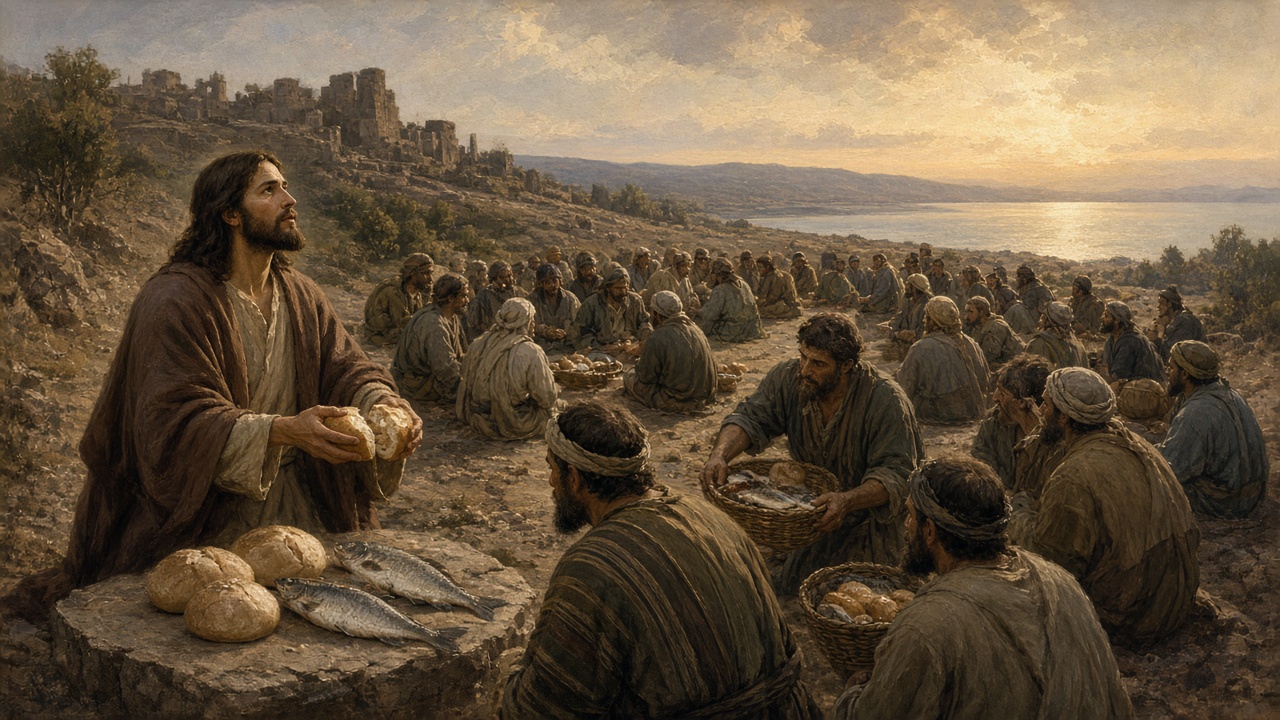
10Noqw ayaiwyuṅqam ahoy ö́kihqe, hihta hinhtotiqey sohsok Jesus āawnaya. Noqw pam pumuy tsamk̇aṅw kitsókit Bethsaida yan mātsiwhqat aqlavo qayēsiwhpumi haqamii. 11Noqw sinom put nanaptaqe aṅkya; noqw pam pumuy amumi unaṅwtapqe, God moṅwtunatyayat amumi yuaata, pu okiw as qalaptuyaniqey tunatyawyuṅqamuy qalaptsina. 12Noqw tapkiwmaqw ima pakwt lȫq sihk̇ay’taqam put awyaqe aw paṅqaqwa: Um sinmuy aṅqe’ hōnaqw, puma kitsókiva nankwusani, pu tutskwavaa; nen paṅqe yesve’, hihta tunöstutwani; taq itam yep qayēsiwhput epya. 13Noqw pam pumuy amumi paṅqawu: Huvam pumuy nopnayaa. Noqw puma paṅqaqwa: Itam panis tsivot pölavikit mumriṅput oyi’yuṅwa, pu lȫqmuy pākiwhtuyu. Pay panis pi as itam imuy sohsokmuy amuṅem tunöstuiwise’‐sa pi panhtotini. 14Puma tsivót‐sikip sōmorit pahsa’haqam tahtaqtyaqw ōviy’o. Noqw pam put aw nánatuwnayaqamuy amumi paṅqawu: Uma lȫp‐sunat pakwt sihk̇ay’taqamuy yesvanayani, pu aqwhaqami paṅsa’ uma yesvanayani. 15Noqw puma panhtotiqe, sohsokmuy pan yesvanaya. 16Pahsat pu pam tsivot pölavikit lȫqmuy pākiwhtuy enaṅ ömahtat, ōmiq tayk̇aṅw, put ep hahlaytit, yóṅoyhtat, put aw nánatuwnayaqamuy amumi oya; noqw puma sinmuy amuhpa’ o’ya. 17Noqw puma nȫnösaqe sohsoyam ȫöya. Noqw puma aṅ yóṅoyhput akwsiṅqat tsovalayaqe, pakwt lȫq sihk̇ay’taqat hoaput aṅ opomnaya.
Peter’s Declaration about Jesus
18Noqw pay ephaqam pam put aw nánatuwnayaqamuy amumum haqam nālanik̇aṅw, God aw nāwakna. Nihqe pam yúkuhqe, pumuy tūviṅtaqe amumi paṅqawu: Ya sinom nuy hákiynihqat paṅqaqwa? 19Noqw puma lavayhtotiqe paṅqaqwa; Um yaw John kūyit akw tūtuvoylalawhqanihqat haqawat paṅqaqwa; noqw haqawatuyniqw yaw um Elias; noqw pētu paṅqaqwaqe, yaw hisat God lavay’aymatniṅwuqamuy amuṅaqw himuwa mokiwuy aṅqw ahoy tātayhqat paṅqaqwa. 20Noqw pam pumuy amumi paṅqawu: Noqw úmuyniqw nu’ hak’i? Noqw Peter lavayhtiqe aw paṅqawu: Um hapi Christ, God aṅqw Moṅw’asi’taqa.
Jesus Speaks about His Suffering and Death
21Noqw pam pumuy pās mēwaqe, puma qa hakiy put āawnayaniqat amumi paṅqawu. 22Pu amumi paṅqawu: Nu’ Sinot Tiat pas kurs hin hīhihta aṅ qa k̇ānavotni. Ima wukw’a’yat pi nuy tūvayani, God awwat mohpeq momṅwituy amumum‐nik̇aṅw, pu tutavot tūtutuqaynayaqamuy amumuma; nen nuy nīnayani; noqw pāyis tālat ep nu ahoy tātayni. 23Pu pam sohsokmuy amumi paṅqawu: Inuṅk hinmaniqey nāwaknaqa nawus soon qa nātatamhtat, talöṅwiwmaqat aṅ nahoylehtsiy īkwiltat, inuṅkmantani. 24Taq hak qatsiy ayo táviniqey nāwaknaqa hapi put kwayhni; pu ason hak haqam inuṅem qatsiy kwayhqa tuyqawvani. 25Puyaw as sino tūwaqatsit sohsok himuy’vak̇aṅw, nāp qatsiy kwahe’, pu sen tūviwe’, hin pam put akw moṅvastini? 26Ispi hak nuy Sinot Tiyat, pu ilavayiy hahmanqw put hapi nu hahmanni, hisat nu pite’, pas hímunihqey pan namtaknee, pu Ina, qahováriwyuṅqamuy hoṅvia’yatuy amumum nuy pas k̇aptsi’taq’ö. 27Nīk̇aṅw nu umumi pas súaṅqawni: Ima haqawat yep hoṅqam soon nāt mokiwuy ep ökit, pay God moṅwtunayayat aw yórikyani.
The Transfiguration
28It ahpiy nanalsikishaqam talq, pam Peter‐nit, John, pu James, pumuy tsamk̇aṅw, nāwaknaniqe haqami tūkwimiq’a. 29Noqw nāt pam nāwakintaqw, pitsáṅwaat alöṅti; noqw yuwsiat qȫtsatiqe pas talqaqsala. 30Noqw meh, hakim lȫyöm tāqat pepeq put amum yuaata, hak Moses‐niqw pu Elias; 31Ima hakim lolmat tālawṅwat pitsáṅway’k̇aṅw mātaqtiqe, Jesus amum yuaata. Pam hin Jerusalem‐kitsókit epeq God tunatyayat aw antsane’, yaṅqw qatsit ahpiyniqat yuaatota. 32Noqw Peter‐niqw pu put ámumyaqam pūwiwuy akw maṅuiwyuṅwa, nīk̇aṅw puma havivok̇alyaqe put lolmat pitsáṅwayat aw yórikya, pu lȫqmuy tāqatuy put amum wunuwtaqamuy amumi. 33Noqw puma pay put aṅqw nakwsuniqw, Peter Jesus aw paṅqawu: Tūtutuqaynaqa, pas hapi itam yépeqyaqw pam itamuṅem lolma. Himu as ōviy itam payhp kistotani sukw úṅem‐nit, sukw Moses éṅem‐nit, pu sukwat Elias éṅemi, pam kíta, hiṅqawhqey qa mātsi’k̇aṅwo. 34Noqw nāt pam yan hiṅqawlawhq, ōmaw pumuy nākwapnaqw puma tsawiniwk̇ahk̇aṅw, ōmawuy aw yuña. 35Noqw ōmawuy aṅqaqw hakiy tönaat paṅqawu: I’ hapi pas aw iunaṅwa Itii; put uma aw tuqayvahsi’wisni. 36Noqw hakiy lavayyuk̇uqw, pay Jesus pep nālaniqw puma aw yórikya. Noqw pay puma put pas qa lavaytaqe, hin yórikyaqey pas qa hakiy āawnaya ephaqamo.
Jesus Heals a Boy with an Evil Spirit
37Noqw qavoṅvaqw, pumuy tūkwiṅaqw hanqw, k̇aysiwhqam sinom Jesus ahsawvaya. 38Noqw meh, hak tāqa sinmuy amuṅaqw tsa’lawhqe paṅqawu: Tutuqaynaqa, um as itiy tiyot ókwatuwni; taq nu pas put‐sa ti’ta. 39Noqw meh, qalomáhikwsi put ṅuaqw, pam pahsat pay a’nö töqtit, homimiykuk̇aṅw moaṅaqw qötmokiwtaṅwu. Noqw pam put okiwsane’, pēp qa mātapṅwu. 40Noqw as ūmi nánatuwnayaqam hikwsit tiyot aṅqw ayo hóroknayaniqat nu amumi nāwaknaqw, pay puma kurs soon panhtotini, kita. 41Noqw Jesus lavayhtiqe paṅqawu: Is ohi, uma qatuptsiwni’yuṅqam nukushinyunqamu! Ya nu hihsavohaqam umumum yank̇aṅw umuy maqsonlawni? Pew uhtiy wīkii. 42Noqw nāt pam awniqw pay nukpanhikwsi tiyot tūvaqe, put a’nö homimiykuna. Noqw Jesus tuyoy’ewakw hikwsit mēwaqe, tsākw qalaptsinat, nayat aw put ahoy tavi. 43Noqw puma sohsoyam God a’nö öqalayat ep aw k̇ātayyuṅwa.
Jesus Speaks again about His Death
Noqw nāto puma nanáp sohsok hihta Jesus hinhtiqat ep k̇āwuwantotaqw, pam put aw nánatuwnayaqamuy amumi paṅqawu: 44Uma īit lavayit hapi u’ni’yuṅwni. Nu’ Sinot Tiat hapi nāt sinmuy öqalayamuy aw mātaviwni. 45Noqw pay puma it lavayit qa māmatsya. Pam pumuy amumi tupkiwtaqw, ōviy kurs hin puma put mātsi’yuṅwni. Noqw puma as Jesus put tūviṅtotanik̇aṅw nánahtsopya.
Who Is the Greatest?
46Noqw puma yuaatotaqe, pumuy amuṅaqw haqawa pas pávanihqat ep nāṅwuy’yuṅwa. 47Noqw Jesus pumuy unaṅwpeq tunatyayamuy mātsi’taqe, hakiy tsākw tsöpahtat, naqlap tavi; 48Nit pumuy amumi paṅqawu: Hak hapi inatṅwaniy aṅ it tsākw pās távihqa nuy hapi pās távini; pu nuy pās távihqa nuy aṅqw távihqat hapi pās távini. Pi umuṅaqw qanāhihtay’taqa hapi suspavanni.
Who Is not against You Is for You
49Noqw John lavayhtiqe paṅqawu: Moṅwi, itam hakiy tāqat tutwa. Kurs pam uhnatṅwaniy aw yank̇aṅw nukpanhihikwsimuy nuhtuṅaqw ipwanta; noqw itam put mēwaya, pam qa itamum uṅk hinnumqw ōviy’o. 50Noqw Jesus put aw paṅqawu: Uma qa mēwantotani; pay qa itamuhpew’iwtaqa itamumniṅwu.
A Samaritan Village Refuses to Receive Jesus
51Noqw pam ōmi wīkiwniqat aw pítutoqw, pam Jerusalem aqw sutuktaniqey su’qalti. 52Nihqe pam aṅwu tuaw’aymuy napyeve aqw ayata; noqw puma ahpiyyaqe, Samariat ep sinmuy haqam kitsókiyamuy aw öki, haqam eṅem qenitotaniqee. 53Noqw pay sinom put qa tsúyakya, sumataq pam Jerusalem aqw tunatyawmaqw ōviy’o. 54Noqw lȫyöm put aw nánatuwnaqam, James‐niqw, pu John, puma pan yórikqe paṅqawu: Tutuyqawhqa, um as itamuy pan nakwhanaqw, itam Elias anhte’ paṅqawhq, ōṅaqw ūwiṅw hāwe’ pumuy taqtsoknani. 55Noqw pam namtökt pumuy qöhqöyhqe, amumi paṅqawu: Uma hihta hikwsit aṅ hinmaqey qa mātsi’ta. 56Pi nu’ Sinot Tiat sinmuy qatsíyamuy qa hovalaniqe pitu, pi nu pumuy ayo óyaniqe ōviy pitu, kita. Noqw puma ahpiy sutsvo kitsókimiya.
The Would‐Be Followers of Jesus
57Noqw pumuy ahpiy haqamiyaqw, hak put aw paṅqawu: Tutuyqawhqa, nu uṅ haqaminiqw uṅkmantani. 58Noqw Jesus put aw paṅqawu: Pay ima sisik̇ahtayht haqe’ qölöy’yuṅwa, pu súmawuy aṅ masay’yuṅqam totokpi’yuṅwa; noqw pi nu’ Sinot Tiat haqam iqötöy nāsuṅwnaniqey ṅastaa. 59Pu pam sukwat aw paṅqawu: Inuṅki. Noqw pam paṅqawu: Tutuyqawhqa, um nuy nakwhanaqw, nu mohti inay amht, pu’ uṅkni. 60Noqw Jesus put aw paṅqawu: Pay pi so’qamuy amunyuṅqam ason amuṅaqw so’pumuy amyani. Noqw um ahpiynen God moṅwtunatyayat yuaatinumni. 61Pu piw suhk̇a put aw paṅqawu: Tutuyqawhqa, nu uṅk hinmani. Noqw um nuy nakwhanaqw, nu mohti ikiy ep yesqamuy amuminen öqalat, pu’ uṅkni. 62Noqw Jesus put aw paṅqawu: Hak pāsay qöritivat, ahoy taymaqa God moṅwtunatyayat aw qa ápiyniqey anta.
Did you know?
Mission, identity, and the road to Jerusalem
- Herod the tetrarch, perplexed by reports about Jesus, is Herod Antipas, Herod's son by Malthace. He said he had beheaded John, while some claimed that John had risen from the dead, others that Elijah the Tishbite, the "Elias" of the New Testament, had appeared, and still others that a prophet of old had arisen. One chronology of these events dates John's beheading to AD 29.Sources: Herod Antipas · Elijah · John Beheaded · the Bible text itself
- After the apostles returned, Jesus withdrew with them to a town called Bethsaida, where he welcomed the crowds, spoke about the kingdom of God, and fed about five thousand men with five loaves and two fish. Easton's Bible Dictionary (1897) places this Bethsaida on the east side of the lake, two miles up the Jordan, in the region of Gaulonitis; Philip the tetrarch enlarged it and called it Julias, after the emperor's daughter. Some have supposed there was only one Bethsaida, built on both sides of the lake near where the Jordan enters it; the entry identifies the ruins as et-Tel.Sources: Bethsaida · the Bible text itself
- Peter, originally called Simon, answered that Jesus is "the Christ of God." About eight days later Jesus took Peter, James, and John up a mountain to pray; Moses and Elijah appeared in glory and spoke about the departure Jesus was about to accomplish at Jerusalem. James, elder brother of John and a fisherman in partnership with Peter, was with them; he and John were called Boanerges, "sons of thunder," probably because of their boldness and energy, and later they asked whether they should call down fire from heaven on a village of the Samaritans that would not welcome Jesus because he was heading for Jerusalem.Sources: Simon Peter · James (Son of Zebedee) · the Bible text itself
Notes written with AI assistance from open sources (Theographic Bible Metadata, CC BY-SA 4.0; Easton’s Bible Dictionary, public domain) and reviewed before publishing.
Places in this chapter
Only places identified with high confidence are shown (90% or more according to the scholarly sources compiled by OpenBible). Period map: DARE (Digital Atlas of the Roman Empire), CC BY 4.0; modern map: © OpenStreetMap contributors; places: OpenBible.info (CC BY 4.0).
Credits and license for this translation
God Lavayiyat Aṅ Puhuvasiwni
New Testament in Hopi (US:hop:Hopi)
copyright © 2012 Wycliffe Bible Translators, Inc.
Language: Hopi
Translation by: Wycliffe Bible Translators, Inc.
Hopi [hop], USA
Copyright Information
© 2012, Wycliffe Bible Translators, Inc. All rights reserved.
This translation text is made available to you under the
terms of the Creative Commons License: Attribution-Noncommercial-No Derivative Works.
( http://creativecommons.org/licenses/by-nc-nd/3.0/ )
In addition, you have permission to port the text to different file formats, as long as you
do not change any of the text or punctuation of the Bible.
You may share, copy, distribute, transmit, and extract portions
or quotations from this work, provided that you include the above copyright
information:
You must give Attribution to the work.
You do not sell this work for a profit.
You do not make any derivative works that change any of the actual words or punctuation of the Scriptures.
Permissions beyond the scope of this license may be
available if you contact
us with your request.
The New Testament
in Hopi
© 2012, Wycliffe Bible Translators, Inc. All rights reserved.
This translation is made available to you under the terms of the
Creative Commons Attribution-Noncommercial-No Derivatives license 4.0.
You may share and redistribute this Bible translation or extracts from it in any format, provided that:
You include the above copyright and source information.
You do not sell this work for a profit.
You do not change any of the words or punctuation of the Scriptures.
Pictures included with Scriptures and other documents on this site are licensed just for use with those Scriptures and documents.
For other uses, please contact the respective copyright owners.
2014-04-25
Source: http://ebible.org/hopNT/ · eBible.org