Luke 12
God Lavayiyat Aṅ Puhuvasiwni · Tap a verse to see its cross-references.
A Warning against Hypocrisy
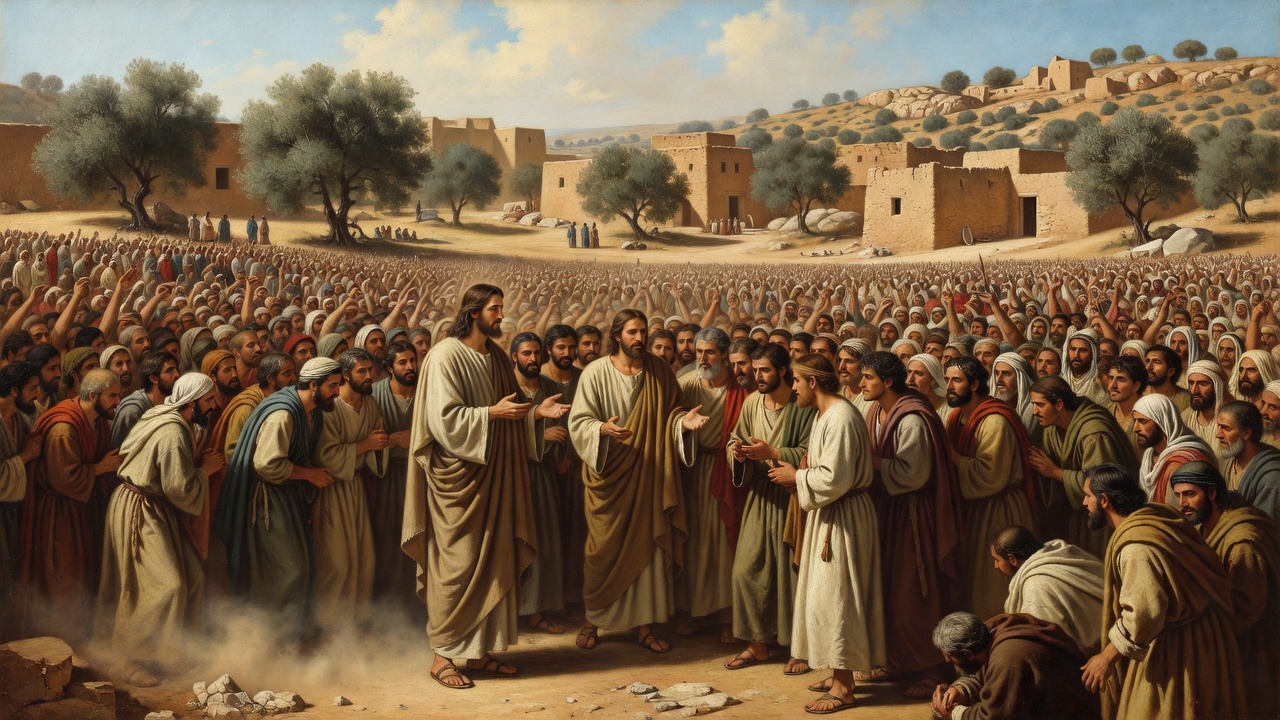
1Noqw aṅwu sinom pas qaan’ewakw hintaqam sūmi tsovaltiqe nuṅwu pay nānami wukukutotaqw, Jesus put aw nánatuwnayaqamuy amumi mohti paṅqawu: Uma Pharisee‐sinmuy pēk̇eniyamuy nawip’ew hintsakpit ep qa ūnaiwyuṅwni. 2Pi qa himu āmiwtaqa qa mātaqtini, piw tupkiwtaqa qa nanaptiwni. 3Pantaqw ōviy hihta qamātakpuve haqawa lavayhtiqw, pam tālat ep nanaptiwmantani; pu uma hihta yūyupavaqe hakiy naqvumiq sawiwiykuyaqw, pam kihkits’ova tsa’lalwiwni.
Whom to Fear
4Noqw nu umumi paṅqawni ikwátsimu: Uma qa sinmuy mamqasyani. Puma pi pay hakiy tokoyat‐sa nīnayaṅwu; pu pahpiy kurs hinhtotiṅwu pīwu. 5Nīk̇aṅw uma hakiy mamqasyaniqat nu umuy āawnani. Uma God hapi mamqasyani. Pi pam hakiy nīnat, hakiy qȫhit aqw tūvaniqey aw öqalay’ta. Noqw nu’ piw umumi paṅqawni: Uma put hapi mamqasyani. 6Puyaw qa tsivot kwekwévewhyam lȫq palavotōnat ōviy huyiwyaṅwu? Noqw qa himuwa God ahpiy suhtokiwṅwu. 7Hikis pi pas umuhqötöva umuhhömi sohsoy pohtoylaniwta. Oviy uma qa nalmamqasyani; God kwekwévewhyamuy k̇aysiwhqamuy amuhpenihqe umuy pas k̇ahk̇awna.
Confessing Christ before Men
8Pu nu piw umumi paṅqawni: Hak isinonihqey nuhtumi paṅqawhq, nu’ Sinot Tiat tuwat put isinonihqat God hoṅviaymuyatuy amumi paṅqawni. 9Nīk̇aṅw hak qa isinonihqey nuhtumi paṅqawhq, nu tuwat put qa isinonihqat God hoṅviamuyatuy amumi paṅqawni. 10Ason kurs hak nuy Sinot Tiyat ehpewi lavayhtiqw, pam pantaqa put ahpiy ayo yukiwmantani. Nīk̇aṅw ason kurs hak Qahováriwtaqat Hikwsit ehpewi qak̇aptsilavayhtiqw, pam pantaqa soon put ahpiy ayo yukiwmantani. 11Pu ason sinom umuy tsotsvalkiva, sen momṅwituy, sen öqalat pasiwyuṅqamuy amumi tsamvayaqw, uma hin yuaatotaniqey, sen hihta lavayhtotiniqey qa wūwantotamantani. 12Pay ason aw pituqw, Qahováriwtaqa Hikwsi umuy hin lavayhtotiniqat umuy tutuwnamantani.
The Parable of the Rich Fool
13Noqw haqawa sinmuy amuṅaqw put aw paṅqawu: Tutuqaynaqa, um as ivavay aw paṅqawhq, pam hihta itahmakiway aṅqw nuy máqani. 14Noqw Jesus put aw paṅqawu: Tāqa, ya hak nu hihta ep hin yúkuniqat, pu sen umuy hihta namqananiqat aw nuy tavi? 15Pu pam pumuy amumi paṅqawu: Uma tunatyaltote’, hihta qa umuhhimuy tuṅlay’yuṅwniqey qe’yani. Pay sino hihta nihti’taniqe qa paniqw ōviy qatu. 16Pu pam hihta tūwutsit akw pumuy amumi yuaaykuqe paṅqawu. Hakiy k̇ahaktaqat pāsaat a’nö hihta aniwna. 17Noqw pam unaṅwpeq wūwantaqe paṅqawu: Ya sen nu hinhtini? Kurs nu haqami inatwaniy koyotani. 18Pu pam paṅqawu: Han pi yanhti: Nu hāhaqe’ ikoyokiy tsawimnat, pas wūkoq kītani. Pu nu paṅso sohsok inatwaniy, pu hihta ihimuy taṅatani. 19Nit pu iunaṅway aw paṅqawni: Iunaṅwa, um hihta nihtiwtaqat wūhak yahsaṅwuy aqw pitsíwtaqat taṅata. Taa, um nāsuṅwni’k̇aṅw, tūmoytani, hīhikwni; nen um hahlayni. 20Noqw pay God put aw paṅqawu: Um núanhimu ṅasta wuwni’taqa, it tōkilat ep nu uhhikwsi ūmi tuhtuy’ni. Noqw pahsat pu himu uhpiy na’sastiwhqa hakiy himuatni? 21Noqw pan hapi i’ hak nēṅem‐sa hihta tsovalantaqa hintani. Yep qatsit ep k̇a hihta nihti’tani, nīk̇aṅw ōveqatsit ep God atpip pas ōokiwni.
Trust in God
22Pu pam put aw nánatuwnayaqamuy amumi paṅqawu: Paniqw ōviy nu umumi paṅqawni: Uma hin yesniqey qa nānaphin wūwantotani, hihta nȫnösaniqeyu, piw umuhtokoy éṅem’i, hihta yuwsiyaniqeyu. 23Pi hakiy qatsíat nȫsiwhqat epnihqe pas pavan hihk̇ay’ta, pu hakiy tokoat yuwsit epnihqe pas pavan hihk̇ay’ta. 24Kurs huvam aaṅwustuy amumi wūwayaa. Puma qa ūuyyaṅwu, piw qa höqyaṅwu. Puma qa koyoki’yuṅwa, piw qa tuoyhki’yuṅṅwu. Noqw God pumuy nōnopna. Nihqe tis pi pam masay’yuṅqamuy amuhpenihqe umuy pas k̇ahk̇awna! 25Ya sen hak pan tunatyawtaqa hin nāwuṅwnaniqey tuwi’ta? 26Noqw kurs uma hihta sus’öwihintaqat kurs panhtotinik, ya uma hinoqw pas piw ahpiy pēhut hinyaniqey tunatyawyuṅwa? 27Kurs huvam sishut hin wuṅw’iwwisqat aw wūwayaa. Puma qa tumalay’yuṅwa; qa tontotaṅwu. Noqw nu umumi paṅqawni: Solomon sohsok hihta nukṅwat yuwsi’k̇aṅw qa ṅas’ew imuy amumi hayawtaqat yuwsi’ta. 28Sumataqpi God tūsaqat pās yūyuwsina, nāmahin pi pam pay hihsavo tayta. Pu’ pam tutskwavanik̇aṅw, qāvo pam qöpqömiq maspiwni. Noqw ya pam tis umuy qa pavan pas yūyuwsinani, uma öwituptsiwni’yuṅqamu? 29Oviy uma hihta nȫnösaniqey, pu hihta hikwyaniqey qa tunatyawyuṅwni, piw uma qa wiwsiyani. 30Pi sinom yep qatsit tunatyayat aṅ hinwisqam sohsok īit hihta tunatyawyuṅwa. Noqw Umuna umumi navoti’ta, uma sohsok īit hihta haqni’yuṅq’ö. 31Nīk̇aṅw tis pi uma God moṅwtunatyayat tunatyawyuṅwni; noqw sohsoy īi himu umumi noiwni.
Riches in Heaven
32Uma qa tsawiniwyuṅwni tōnawhohyamu; pi Umuna umuy moṅwtunatyat máqaniqey moṅwvasi’ta. 33Uma hihta himuy’yuṅwe’ put huyayani; nen akw sinmuy ōokwatuwyani. Uma umuhk̇ahakiwuy ōveqatsit aw taṅatotani. Pan uma soñawnen umuhsivamoktukpuy qa sakwíiwṅwuqat nenṅem tutwani. Pi ōveqatsit aw uyiṅwu qa pákiṅwu, piw kwahya qa hihta hovalaṅwu. 34Pi hakiy k̇ahakhimuat háqamniqw, hakiy unaṅwaat piw pepniṅwu.
Watchful Servants
35Hakim tahtaqt moṅwiy haqam nāṅuiwhqat aṅqw áhoyniqat nuhtayyuṅqamuy amún uma kwewk̇ahk̇aṅw, umuhqöhiy úwikni’yuṅwni. Noqw ason pam ahoy pite’, pöṅö́ṅöykinaqw, puma nuhtayyuṅwe’, eṅem súhötaye’, pas hahlayhpit epyani. Pas antsa nu umumi paṅqawni: Soon pam qa hihta akw namuptat, amumi tunösvoñahtat, pumuy nopni’tani. 38Noqw kurs pam suhtokilnasavehaqam, sen talhahayiṅqw pite’, puma put nuhtayyuṅqat tuwaqw, pas puma tumal’a’yat hahlayhpit epyani. 39Pu meh yanta, pi as ki’taqa hísatniqw uyiṅwu pítuniqat navoti’te’, soon qa tūwalani, nen soon put kīyat aw pákiniqw, pam pánani. 40Pantaqw ōviy uma piw pās moṅwvas’iwyuṅwni. Taq uma nāt qa pan wūwantotaqw, nu’ Sinot Tiat pítuni.
The Faithful or the Unfaithful Servant
41Pahsat pu Peter put aw paṅqawu: Tutuyqawha, ya um it lavayit itamumi‐sa lavayhti, sen pay pas sohsokmuy amumii? 42Noqw Tutuyqawhqa paṅqawu: Noqw ya sen hak hakiy tumal’ayaat suan hinmaqat suan wuwni’taqa? Put moṅwíat haqaminiqe sohsok hihta himuy aw tunatyawtaniqat aw put tavit, tumalsuṅwamuyatuy aw put moṅwtapq, pam pumuy aṅsakis tunösmakiwayamuy pumuy huytani. 43Noqw kurs put moṅwiat pite’, put nāt suan hinmaqw put tuwaqw, pam tumal’aya pas hahlayhpit epni. 44Pas antsa nu umumi paṅqawni: Pas soon put moṅwíat qa sohsok hihta himuy aw put moṅwtapni. 45Nīk̇aṅw kurs pam tumal’aya moṅwiat qa īts pítuniqat unaṅwpeq paṅqawe’, pahsat pay tumalsuṅwamuy, tahtaqtuy, pu momoymuy wuvahtivani; pu tūmoyk̇aṅw, hīhikwtive’, honaqkuyit akw hōnaq’iwtani. 46Pu pam qa hin pan wūwank̇aṅw, moṅwiy qa nuhtay’taqw, pam pite’, put tumal’ayay ayo tūvani. Noqw pam nawus qatuptsiwni’yuṅqamuy amumum k̇ānavotni. 47Pi i’ tumal’aya moṅwiy tunatyayat as navoti’k̇aṅw, hintaniqey qa pantsakt, piw tunatyayat qaan hintsak̇e’, hapi nawus wūhakis wuvahtiwmantani. 48Nīk̇aṅw i’ hak put tunatyayat qa navoti’k̇aṅw, qaan hinme’, pay qa wūhakis wuvahtiwmantani. Pi i’ hak wūhaq hihta makiwhq, sinom tuwat put aw wūhaq tuṅlay’yuṅwni. Pu sinom hakiy aw hihta wūhaq noaye’, put aw wūhaq tuhtuiyamantani.
Jesus the Cause of Division
49Soñawnen nu tūwaqatsit aw qȫhit tūvaniqe pitu. Noqw is as pay pam uwiwitani! 50Nīk̇aṅw nawus nu nāt soñawnen hihta akw tuvoylatiwni. Nīk̇aṅw nu nāt put qa aṅ kuyve’, pas pavan sóontsaniwni. 51Ya uma inumi yan wūwantota: Pam k̇a sinmuy qa hin unaṅwat yesniqat ōviy pitu, pan’i? Uma qa pan wūwantotani. Pi sinom qa súnahpa’yaniqat ōviy nu pitu. 52Pi yahpiy haqahpiy hapi haqam sūkw kīve tsívotnihqam nātsikiwtamantani. Pahyom lȫqmuy amuhpewiniqw, pu lȫyöm payhkomuy amuhpewii. 53Hakiy naat tiy ehpewhtimantani; pu tiat nay ehpewhtimantani. Yuat tiy mānat ehpewhtimantani; pu māna yuy ehpewhtimantani. Pu mö’wi’taqa mö’wiy ehpewhtimantani, pu’ mö’wi puwsuṅway yuyat ehpewhtimantani.
Understanding the Time
54Pu piw pam sinmuy amumi paṅqawu: Uma tāvaṅqw ōmawuy kuyvaqw tutwe’, āpiy pay paṅqaqwaṅwu: Aṅqw yōyaṅ’u, kitotaṅwu; noqw antsa pantaṅwu. 55Pu tatk̇aqw hūhukq uma paṅqaqwaṅwu: Kurs utuhuuni, kitotaṅwu; noqw antsa pantaṅwu. 56Uma nawip’ew hinyuṅqamu, pay as uma tokpelat aṅ‐nik̇aṅw, pu tūwaqatsit aṅ hin sóniwhqat māmatsyaṅwunik̇aṅw, ya hintaqw ōviy haqe’ qalawmaqat uma qa māmatsya?
Settle with Your Opponent
57Pu ya hinoqw uma hihta umuhhintsakpiy qa aw suan wūwaya? 58Um hakiy uhpew’iwtaqat amum moṅwit awnen, nāt umuy awniqw um hin put amum namivöhikniqey qanātusi’tamantani; taq k̇a pam hakiy hin yukunaṅwuqat aw uṅ lölökintaqw, pam uṅ solāwamoṅwit aw noaqw, pam uṅ sivikimi pánani. 59Nu ūmi paṅqawni: Pas um soon paṅqw yámakni; pas ason um hisat uhpöiy sohsok ep sisve’, pep pu’ paṅqw yámakni.
Did you know?
Hypocrisy, trust, and watchfulness
- Jesus tells his disciples that not even Solomon in all his glory was adorned like one of the lilies. Solomon, whose Hebrew name Shelomoh means “peaceful,” was David’s son by Bathsheba and is described as the first king of Israel born in the purple; his history is recorded in 1 Kings 1-11 and 2 Chronicles 1-9.Sources: the Bible text itself · Solomon
- The man who asks whether the parable is for the disciples or for everyone else is Simon Peter. He was originally called Simon, or Simeon, a very common Jewish name meaning “hearing”; he was the son of Jona and was trained as a fisher in his hometown, Bethsaida, on the western coast of the Sea of Galilee.Sources: the Bible text itself · Simon Peter
- The chapter opens with many thousands trampling one another as Jesus warns his disciples about the hypocrisy of the Pharisees and then tells parables. One list of events dates the woes and parables with the Pharisees to AD 29 and assigns them a length of one day.Sources: the Bible text itself · Woes and Parables with Pharisees
Notes written with AI assistance from open sources (Theographic Bible Metadata, CC BY-SA 4.0; Easton’s Bible Dictionary, public domain) and reviewed before publishing.
Credits and license for this translation
God Lavayiyat Aṅ Puhuvasiwni
New Testament in Hopi (US:hop:Hopi)
copyright © 2012 Wycliffe Bible Translators, Inc.
Language: Hopi
Translation by: Wycliffe Bible Translators, Inc.
Hopi [hop], USA
Copyright Information
© 2012, Wycliffe Bible Translators, Inc. All rights reserved.
This translation text is made available to you under the
terms of the Creative Commons License: Attribution-Noncommercial-No Derivative Works.
( http://creativecommons.org/licenses/by-nc-nd/3.0/ )
In addition, you have permission to port the text to different file formats, as long as you
do not change any of the text or punctuation of the Bible.
You may share, copy, distribute, transmit, and extract portions
or quotations from this work, provided that you include the above copyright
information:
You must give Attribution to the work.
You do not sell this work for a profit.
You do not make any derivative works that change any of the actual words or punctuation of the Scriptures.
Permissions beyond the scope of this license may be
available if you contact
us with your request.
The New Testament
in Hopi
© 2012, Wycliffe Bible Translators, Inc. All rights reserved.
This translation is made available to you under the terms of the
Creative Commons Attribution-Noncommercial-No Derivatives license 4.0.
You may share and redistribute this Bible translation or extracts from it in any format, provided that:
You include the above copyright and source information.
You do not sell this work for a profit.
You do not change any of the words or punctuation of the Scriptures.
Pictures included with Scriptures and other documents on this site are licensed just for use with those Scriptures and documents.
For other uses, please contact the respective copyright owners.
2014-04-25
Source: http://ebible.org/hopNT/ · eBible.org