Acts 21
God Lavayiyat Aṅ Puhuvasiwni · Tap a verse to see its cross-references.
Paul Goes to Jerusalem
1Pu ōviy nawis’ew itam pumuy amuhpiynihqe, itam yūmosa Coos aqwya, pu qavoṅvaqw Rhodes aw’i; nit paṅqw pu itam Patarat aqwya. 2Noqw itam pākihut Pheniciat aqwnihqat tutwaqe, put aqw yayvat, pāvaqe hoyoyoykuya. 3Noqw itam Cyprus tutwaqe, suyvaqe ehpeq yūmosaya; nihqe Syria‐tutskwat ep Tyre ep huruhtoti, pep pākihu hoiy óyaniqw ōviy’o. 4Noqw itam hakimuy tuptsiwni’yuṅqamuy tutwaqe, tsaṅe’sikis tālat aṅ pep yēse. Noqw pay Paul Jerusalem qa aqwniqat puma Qahováriwtaqat Hikwsit ahpiy put aw paṅqaqwa. 5Noqw ōviy itam pahsavohaqami yest, pahpiy haqamiyaqey aqwya; noqw puma sohsoyam nȫmamuy pu timuy amumum kīhut qalavo itamuy tsamya; noqw itam pāhut qalaveq tamötshoṅvaqe, nānawakna. 6Oviy itam nāmatapyaqw, pahsat pu itam pākihut aqw yayva; noqw puma ahoy kīmiya. 7Noqw itam Tyre aṅqw ökit, Ptolemais aw ökihqe, aṅ tuptsiwni’yuṅqamuy amumi yuaaykuyaqe, sūkw tāwat aṅ amumum pep yēse. 8Pu qavoṅvaqw itam Paul ámumyaqam paṅqw ahpiyyaqe, Caesareat ep öki. Nihqe itam hakiy lomatuawit yuaataqat Philip kīyat aw yuṅqe, put amum huruhtoti; pam hak imuy tsáṅe’nihqamuy aṅ ókiwyaqamuy paaṅwantotaniqey aw oyiwhqamuy amuṅaqw suhk̇aa. 9Noqw i’ hak nālöqmuy mámanhtuy pas qanawhvalni’yuṅqamuy tímuy’taqw, puma God eṅem yuaatota. 10Noqw itamuy pep wūyavo yesq, hak God lavay’ayaat Agabus yan mātsiwhqa Judeat aṅqw pitu. 11Nihqe pam itamumi pítuhqe, Paul kwekwéwhpiyat kwusut, put akw may, pu kuhkuy somt paṅqawu: Yan hapi Qahováriwtaqa Hikwsi lavayhti: Jew‐sinom Jerusalem epeq yesqam hakiy it kwekwéwhpit himuy’taqat yan somyani; nen qa‐Jew‐sinmuy amumi mātapyani. 12Noqw itam it nanaptaqe, pay pam pas Jerusalem qa aqwniqat itam aw ö’qalya, pu pep yesqamu. 13Pahsat pu Paul lavayhtiqe paṅqawu: Ya uma hin wūwantotaqe, tsaykitaqe, nuy hin unaṅwtoynaya? Pi nu Tutuyqayhqat Jesus natṅwaniyat ep Jerusalem epeq sómiltiniqey suhtaq’ewa; pu qa pániqw‐saa; pi nu eṅem mokniqey suhtaq’ewa. 14Noqw pay kurs pas soon pam tūqayniniqw, itam ṅöyaltotiqe paṅqaqwa: Pay nam Tutuyqawhqat tunatyaat antaa. 15Ahpiy pantaqw itam hihta hinnumyaqey ömahtotat, Jerusalem aqwya. 16Noqw Caesareat ep tuptsiwni’yuṅqamuy amuṅaqw haqawat itamumyaqe, hakiy Cyprus aṅqw sinot Mnason yan mātsiwhqat wikya; pam hak pay wūyavo tuptsiwni’taqw, yaw itam put amum kīyat ep huruhtotini.
Paul Visits James
17Noqw itam Jerusalem epeq ökiqw, tuptsiwni’yuṅqam itamuy hahlayhtoti. 18Qavoṅvaqw Paul itamum James aw’i. Noqw wukw’a’yam sohsoyam pep yēse. 19Noqw pam pumuy amumi hahlayhtit; pahsat pu God hin put tumalayat ahpiy qa‐Jew‐sinmuy amuhpa’ hihta tumaltaqat pās nanap hin hiniwhtiqat pam pumuy amumi tuawi’ta. 20Noqw puma put nanaptaqe, Tutuyqawhqat pas hihtatota; nihqe Paul aw paṅqaqwa: Pay pi um navoti’ta, itupko: Jew‐sinom qaan’ewakw hintaqam tuptsiwni’yuṅwa; noqw puma sohsoyam Moses tutavoyat pas antsay’yuṅwa. 21Noqw puma nanaptaqw, yaw um sohsokmuy Jew‐sinmuy qa‐Jew‐sinmuy amuhpa’ yesqamuy tutuqaynaqe, pay yaw puma Moses tutavoyat ayo yukuyaniqat yaw um paṅqawlawu; yaw timuy poṅokit akw qa tuvoylalalwani; pu piw yaw Jew‐sinmuy tuwiyamuy aṅ qa hinwisni. 22Noqw hintani? Pay kurs pi hin sinom qa tsovaltini, pi uṅ pítuhqat soon qa nanaptaniqee. 23Pay ōviy itam ūmi hiṅqaqwaqw um panhtini. Hakim itamuṅaqw nālöyöm tahtaqt Tutuyqawhqat aw hihta pasiwni’yuṅwa. 24Taa. Um pumuy tsāme’, amumum napwatani; nen um amuṅem sisvini, noqw puma āriltotini. Um panhte’, sohsokmuy amumi mahtaknani, uṅ hin lavayhtiwhqa qa antsanihqata, pay kurs um pas nāp pās qatuk̇aṅw, tutavot aṅ hinmaqata. 25Pu imuy qa‐Jew‐sinmuy tuptsiwni’yuṅqamuy itam amumi yanwat pēnayaqe, pay puma put hihta pantaqat qa aṅ hinwisniqat pan yukuya, pay panis nȫsiwhqa nāp yukit aw noiwhqat qe’yaniqata, pu úṅwata, pu hihta hikwísmokqata, pu tokot qa sokoplalwaniqata. 26Pahsat pu Paul pumuy tahtaqtuy tsāma; nihqe qavoṅvaqw pumuy amumum napwataqe, God kīyat aw paki; nihqe hisat puma put aṅ kūkuyvaqw pumuy nanāp amuṅem himu nākwahiwniqat paṅqawu.
Paul Arrested in the Temple
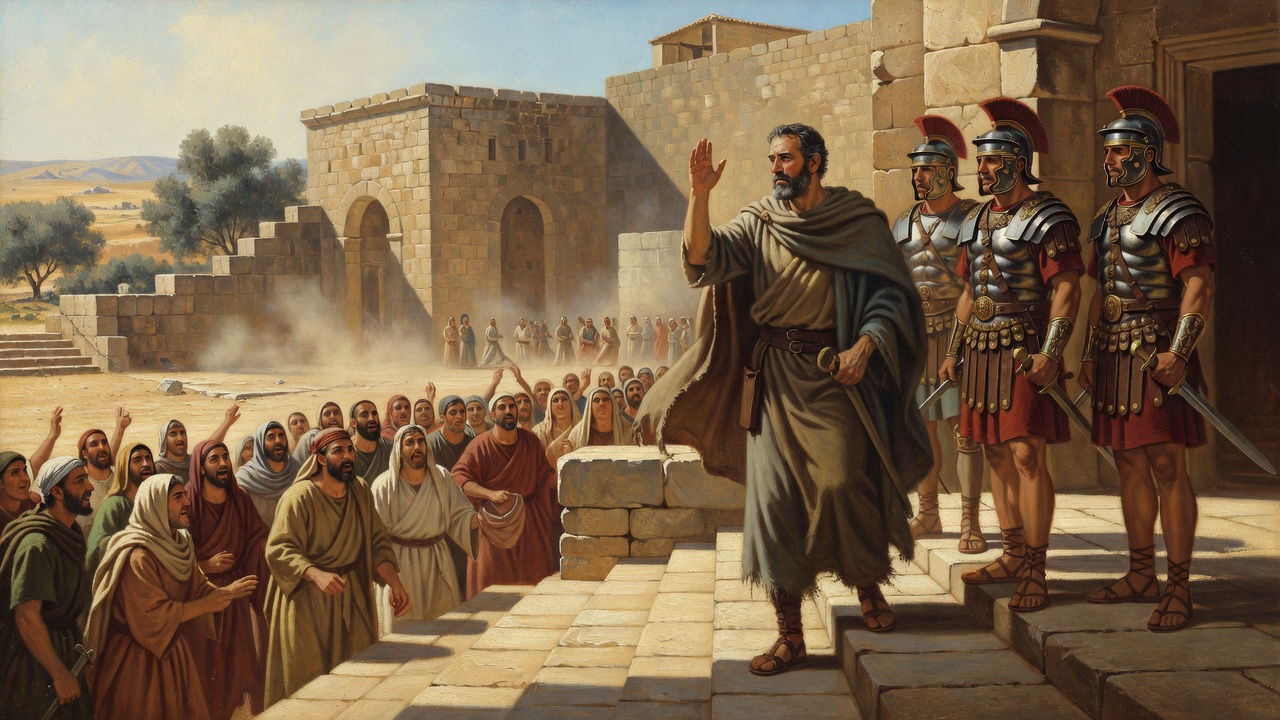
27Noqw tsaṅe’sikis tālat pas pay súlawhtiniqw, hakim Asiat aṅqw Jew‐sinom God kīyat ep Paul tutwa; nihqe sohsokmuy sinmuy hin unaṅwtoynayaqe put aw may’yuṅwa, 28A’nö paṅqawk̇ahk̇aṅwo: Israel‐tahtaqtu, huvam unaṅwtapyaa! I’ tāqa hapi hāhaqe’ sohsokmuy sinmuy imuy pas sinmuy amuhpewi tutuqayna, pu tutavot ehpewii, pu it kīhut ehpewii. Pu ōviy piw pam Greek‐sinmuy God kīyat aw taṅataqe, it kīhut pas hihtanihqat tuyoy’ewakta. 29Puma pi pūnathaqam hakiy Ephesus aṅqw tāqat Trophimus yan mātsiwhqat Paul amum kīveniqw aw tātayya; nihqe k̇a Paul put God kīyat aw pánahqat wūwayaqe, ōviy yan lavayta. 30Noqw kīve sinom sohsoyam hin unaṅwtotiqe, sūvo yuhtuqe, Paul ṅuayat, God kīyat aṅqw ihpoq lölökinyuṅwa; nihqe pahsat pay hötsíwat uhtaya. 31Noqw nāt puma put nīnantotaqw, yaw Jerusalem ep sinom a’nö hiniwmanayaqat pan mohpeq solāwamoṅwit aw tūawvaya. 32Noqw pahsat pay pam solāwamuy‐nik̇aṅw, pu tsivót‐sikip súnatnihqamuy solāwmuy amumi moṅw’wyuṅqamuy tsamk̇aṅw, pumuy amumiq wari. Noqw puma mohpeq solāwamoṅwit solāwamuy enaṅ tutwaqe, pahsat pay Paul wuvalalwaqe qe’toti. 33Pahsat pu mohpeq solāwamoṅwi awnihqe, put ṅuat, puma löqmuy sivanamiqlölöt akw put somyaniqat paṅqawu; nit pu pam hak hímunihqat, pu hihta hinhtiqat tūviṅta. 34Noqw sinmuy qaan’ewakw hintaqamuy amuṅaqw pētu yanwat hiṅqaqwa, pu pētu piw hinwat lavayta. Noqw pas sinom mowawatotaqw, kurs pam hin pas suyan navotniqe, ōviy pay put solāwakimiq wikyaniqat pam paṅqawu. 35Noqw puma tutuveṅpa wupniniqw, solāwam Paul tsöpwisa, pas sinom a’nöyaqw ōviy’o, 36Sinom pi pumuy amuṅk hinwisk̇ahk̇aṅw paṅqawwisa: Tūvaay! kitota.
Paul Defends Himself
37Noqw puma Paul solāwakimi wikyaniqw, pam mohpeq solāwamoṅwit aw paṅqawu: Ya nu soon ūmi hiṅqawni? Noqw pam paṅqawu: Ya um Greek‐lavayit tūqayta? 38Ya qa um hak Egypt aṅqw tāqa ura hisat sinmuy hin unaṅwtoynaqe, nālöp sōmorit pahsa’nihqamuy tuqwyantotaqamuy qayēsiwhpumi tsāma? 39Noqw Paul paṅqawu: Qae. Nu Jew‐sino; nu Ciliciat ep qa pay hin’ewakw wuhkokitsokit Tarsus ep tihtiwa. Noqw himu as nu sinmuy amumi lavayhtiniqat um nuy nakwhani. 40Noqw pam hu’waqw, Paul tutuveṅat ep wunuk̇aṅw, sinmuy amumi māmasa. Noqw sinom sutmakmaqw, pahsat pu pam pumuy amumi Hebrew‐sinmuy amuhkwa yuaata.
Did you know?
Paul's Journey to Jerusalem and Temple Arrest
- In Caesarea, the prophet Agabus delivered a vivid symbolic warning by taking Paul's belt and binding his own hands and feet. He foretold that the Jewish leaders in Jerusalem would bind Paul and deliver him into the hands of the Gentiles.Sources: Agabus · the Bible text itself
- During his journey, Paul stayed in Caesarea at the home of Philip the evangelist, one of the original Seven chosen to serve the early church in Jerusalem. Philip had four unmarried daughters who possessed the gift of prophecy.Sources: Phillip the Evangelist · the Bible text itself
- The violent riot that resulted in Paul's Roman arrest was sparked when Jews from the province of Asia assumed that Paul had brought Trophimus, a Gentile Christian from Ephesus, into the sacred temple courts.Sources: Trophimus · the Bible text itself
Notes written with AI assistance from open sources (Theographic Bible Metadata, CC BY-SA 4.0; Easton’s Bible Dictionary, public domain) and reviewed before publishing.
Places in this chapter
- Cos · Today: Kos · 36.815, 27.110 · verse 1
- Patara · 36.260, 29.314 · verse 1
- Phoenicia · 33.271, 35.196 · verse 2
- Cyprus · 35.000, 33.000 · verses 3, 16
- Syria · Today: Syria 2 · 33.511, 36.306 · verse 3
- Tyre · 33.271, 35.196 · verses 3, 7
- Jerusalem · 31.777, 35.234 · verses 4, 11, 12, 13, 15, 17, 18, 21, 31
- Ptolemais · Today: Acre · 32.921, 35.069 · verse 7
- Caesarea · Today: Caesarea Maritima · 32.500, 34.892 · verses 8, 16
- Judea · Today: Judea 1 · 31.777, 35.234 · verse 10
- Asia · 38.400, 28.300 · verse 27
- Ephesus · 37.939, 27.341 · verse 29
- Cilicia · 36.913, 34.892 · verse 39
- Tarsus · 36.913, 34.892 · verse 39
Only places identified with high confidence are shown (90% or more according to the scholarly sources compiled by OpenBible). Period map: DARE (Digital Atlas of the Roman Empire), CC BY 4.0; modern map: © OpenStreetMap contributors; places: OpenBible.info (CC BY 4.0).
Credits and license for this translation
God Lavayiyat Aṅ Puhuvasiwni
New Testament in Hopi (US:hop:Hopi)
copyright © 2012 Wycliffe Bible Translators, Inc.
Language: Hopi
Translation by: Wycliffe Bible Translators, Inc.
Hopi [hop], USA
Copyright Information
© 2012, Wycliffe Bible Translators, Inc. All rights reserved.
This translation text is made available to you under the
terms of the Creative Commons License: Attribution-Noncommercial-No Derivative Works.
( http://creativecommons.org/licenses/by-nc-nd/3.0/ )
In addition, you have permission to port the text to different file formats, as long as you
do not change any of the text or punctuation of the Bible.
You may share, copy, distribute, transmit, and extract portions
or quotations from this work, provided that you include the above copyright
information:
You must give Attribution to the work.
You do not sell this work for a profit.
You do not make any derivative works that change any of the actual words or punctuation of the Scriptures.
Permissions beyond the scope of this license may be
available if you contact
us with your request.
The New Testament
in Hopi
© 2012, Wycliffe Bible Translators, Inc. All rights reserved.
This translation is made available to you under the terms of the
Creative Commons Attribution-Noncommercial-No Derivatives license 4.0.
You may share and redistribute this Bible translation or extracts from it in any format, provided that:
You include the above copyright and source information.
You do not sell this work for a profit.
You do not change any of the words or punctuation of the Scriptures.
Pictures included with Scriptures and other documents on this site are licensed just for use with those Scriptures and documents.
For other uses, please contact the respective copyright owners.
2014-04-25
Source: http://ebible.org/hopNT/ · eBible.org