Acts 15
God Lavayiyat Aṅ Puhuvasiwni · Tap a verse to see its cross-references.
The Meeting at Jerusalem
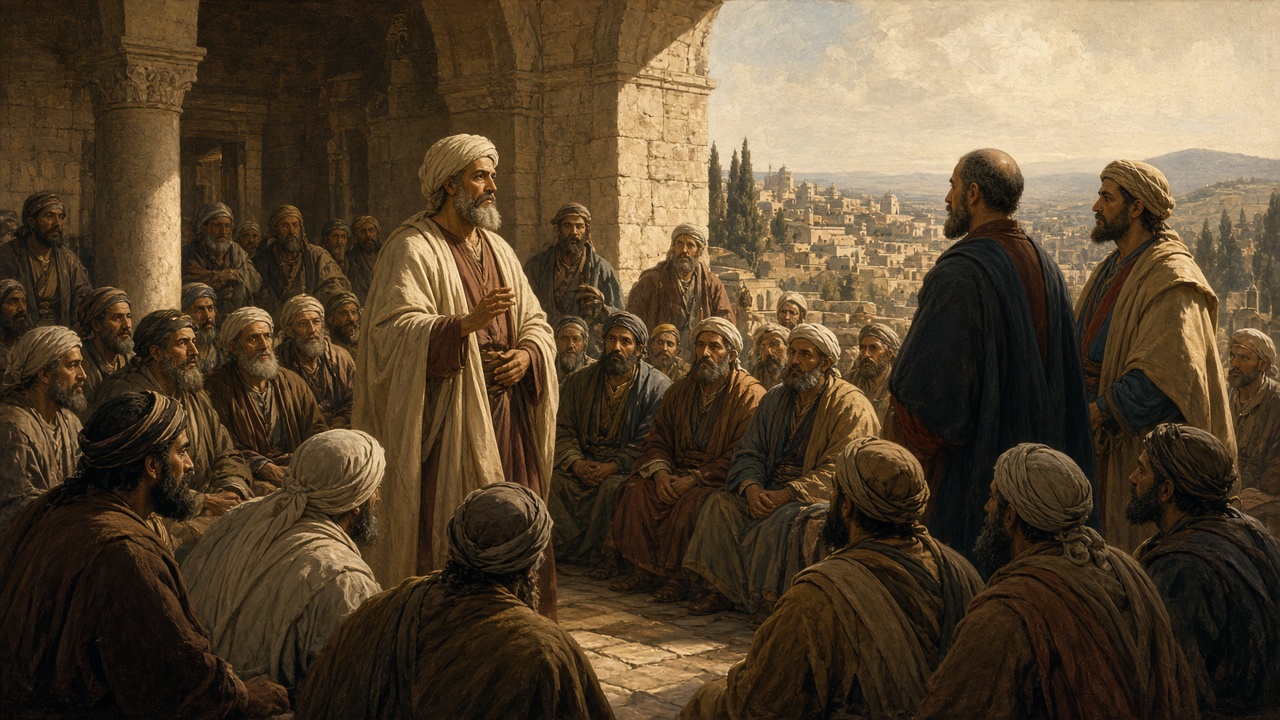
1Noqw hakim Judeat aṅqw ö́kihqe, tuptsiwni’yuṅqamuy tutuqaynayaqe paṅqaqwa: Pas uma Moses tuwiyat an poṅotkit akw qa tuvoylatote’, soon ayo nö́ṅakni, kitota. 2Noqw Paul Barnabas amum pumuy pas qa amuhpa’taqe, amumum put ep pas nāmi heptaqw, yaw turs Paul‐niqw pu Barnabas, puma pētuy amumum it ep Jerusalem aqwyani, ayaiwyuṅqamuy‐nik̇aṅw, pu wukw’a’yatuy amumiq’a. 3Pu ōviy Jesus aw tōnawtaqam paṅqw hihsavo pumuy amumumyaqw, puma pahpiy Phenicet aṅ hinwisa, pu Samariat aṅ’a; nihqe qa‐Jew‐sinom Tutuyqawhqat aw lasyaqat nuhtumi yuaatiwisqe, sohsokmuy tuptsiwni’yuṅqamuy pas pavan hahlayhtapnaya. 4Noqw puma Jerusalem epeq ökiqw, Jesus aw tōnawtaqam pumuy pās o’ya, pu ayaiwyuṅqamu, pu wukw’a’yatu; noqw God pumuy amuhpa’ hihta tumaltaqat puma sohsok pumuy āawna. 5Noqw haqawat tūtuptsiwaqam pi Pharisee‐sinmuy amuṅaqwya. Nihqe puma hoṅvaqe, pas kurs hin ima qa‐Jew‐sinom poṅotkit akw qa tuvoylatotiniqat paṅqaqwa, pu pay pas puma Moses tutavoyat aṅ hinwisniqat amumi paṅqaqwaniqata. 6Noqw ayaiwyuṅqam‐niqw, pu wukw’a’yat it aw hin wūwayaniqe tsovalti. 7Noqw it yantaqat ep nan’ivaqw wūyavo yuaatotaqw, pahsat pu Peter wunuptuqe, pumuy amumi paṅqawu: Uma tahtaqtu, isinomu, pay pi uma navoti’yuṅqw, ura God itamuṅaqw nuy namorstaqw, pay ahpiy wūyavoti, ura qa‐Jew‐sinom inuhpiy it lomatuawit nanapte’, tūtuptsiwaniqata. 8Noqw God aṅ u’naṅwat aw navoti’taqa pumuy hahlayhtiqey mahtaknaqe, it Qahováriwtaqat Hikwsit pumuy maqa, put itamuy hin máqahqey pan’i. 9Nihqe pam sun nan’ivo itamuy tumaltaqe, tuptsiwniyamuy ahpiy pumuy unaṅwayamuy kwaṅw’ewakwta. 10Taay, noqw ya uma hinoqw God aw heptota? Soñawnen pi uma tuptsiwni’yuṅqamuy hihta a’nö putut īkwiltotoynaya, pay pi itanam, pu itam put aṅ qa kūyuṅq’ö. 11Pay itam piw pumuy amún Tutuyqawhqat Jesus Christ núokwayat ahpiy ayo nö́ṅakniqey tuptsiwni’yuṅwa. 12Pahsat pu sohsoyam tsovawtaqam qa hiṅqaqwaqe pās tūqayyuṅqw, Barnabas Paul amum tuawi’taqe, hin God qa‐Jew‐sinmuy amuhpa’ k̇ātatayhpit hihta tuawi’yuṅqat tumaltaqat pumuy amumi lalvaya. 13Pu ōviy puma yuaataqe yukuqw, James lavayhtiqe paṅqawu: Tahtaqtu, isinomu, kurs huvam inumi tuqayvastotaa. 14God qa‐Jew‐sinmuy amuṅaqw nēṅem sinmuy wáṅwayniqe ōviy pay mohti amuhpe pítuhqat Simeon paṅqawu. 15Noqw pan hapi God lavay’aymat hin lavayhtotiqe, yan pēnaya: 16Ason it atsva pu’ nu pite’, David tímuyatuy kīhut sahpukiwtaqat anyuṅqamuy aw ahoy yúkuni; pu nu kīqöyat aw ahoy kītani; pu nu put ahoy wunuptsinani. 17Noqw ahpiy mímawat sinom Tutuyqawhqat hepyani, pu sohsoyam qa‐Jew‐sínomu. Pi nu pumuy isinomniwhtotiniqat umuy enaṅ namorsta, kita Tutuyqawhqa sohsok īit hihta hintsakqa. 18Pi God hintsakniqey qatsit yayhniwhqat paṅqaqw sohsok aṅwu pay tuway’ta. 19Noqw ōviy nuyniqw pay itam qa‐Jew‐sinmuy amuṅaqw God aw lasyaqamuy qa hin u’naṅwnayani. 20Nīk̇aṅw pay itam amumi pēnayaqw, puma nȫsiwhqat nāp yukit aw noiwhqey akw hovarsqat qa aw hintsatsk̇ani, pu tokot qa sokoplalwani, pu hihta hikwísmokqat qa aṅqw nȫnösani, pu úṅwat qe’yani. 21Taq hisatṅahaqaqw ahsupoq kitsókit aṅ hakim Moses tutavoyat yuaatotaṅwu. Aṅsakis nasuṅwintalöṅnit ep tsotsvalkiva put pēniyat aṅ tuṅwáyaṅwu.
The Letter to the Gentile Believers
22Pahsat pu ima ayaiwyuṅqam, wukw’a’yatuy‐nik̇aṅw pu sohsokmuy Jesus aw tōnawtaqamuy amumum nāṅaqw hakimuy namorstotaqe, puma Barnabas‐nik̇aṅw pu Paul pumuy amumum Antioch aqwnihqat puma pan yukuya; nihqe imuy namorstota: it hakiy Judas, Barsabas yan piw mātsiwhqata, pu piw Silas, hakim tuptsiwni’yuṅqamuy amuṅaqw pávannihqamuyu. 23Noqw puma yan tutuvenit pumuy amuhpiy yawma: Ima ayaiwyuṅqam, pu wukw’a’yat, pu tuptsiwni’yuṅqam, Jerusalem ep tsovawtaqam, ayam Antioch, pu Syriat, pu Ciliciat ep qa‐Jew‐sinmuy amuṅaqw tuptsiwni’yuṅqamuy öqalaya. 24Itam nanaptaqw, yaw hakim itamuṅaqw nankwusaqam lavayit akw umuy hin u’naṅwnayaqe, umuh’unaṅway lahsintota paṅqaqwaqee: Pas uma kurs hin poṅotkit akw qa tuvoylatiwyani, pu Moses tutavoyat aṅ hinwisni, kitota. Pay as pi itam amumi qa pan tutaptota. 25Noqw itam tsovaltiqe, yan sun wūwaya: Itam hakimuy namorstotaqe, aw itah’unaṅwamuy Barnabas‐nik̇aṅw pu Paul pumuy enaṅ umumiq taviyaniqw pam itamuyniqw súanta. 26Ima tāqat Itahtutuyqawhqay Jesus Christ eṅem qatsiy tatamhta. 27Noqw ōviy itam Judas, Silas enaṅ umumiq taviya; ason puma pas nāp umuy put pantaqat āawnani. 28Pay itam it hihta pas soon qe’niqat put‐sa umumi tutaptotaniqw, pam pantaqa Qahováriwtaqat Hikwsit aw súanta, pu itamumii, 29It’a: Uma hihta nȫsiwhqat nāp yukit aw noiwhqat qe’yani, pu úṅwata, pu hihta hikwísmokqata, pu tokot qa sokoplalwani. Uma yan hinwise’ suan hinwisni. Hakim ö’qalyaṅwu. 30Noqw ōviy puma paṅqw ayatiwyaqe, Antioch epeq öki; nihqe sinmuy tsovalayaqe, amumi tutuvenit taviya. 31Noqw puma put aṅ tuṅwáyaqe hahlayhtoti, pumuy öqalayaqat ep’e. 32Noqw Judas, Silas amum, pay piw pas nāp God lavay’aymatnihqe wūhaq lavayit akw tuptsiwni’yuṅqamuy u’nanaqe pumuy hūrs hoṅna. 33Pu ōviy puma pepeq hihsavo qatuqw, tuptsiwni’yuṅqam pumuy öqalayat, ayaiwyuṅqamuy amumiq hōnaya. 34Noqw pay Silas hāk pep huruhtiniqey nāwakna. 35Noqw Paul Barnabas amum Antioch epeq piw huruhtiqe, Tutuyqawhqat lavayiyat tūtutuqayna, pu nuhtumi yuaata, hakimuy wūhaqnihqamuy amumuma.
Paul and Barnabas Separate
36Pu ahpiy pantaqw, Paul Barnabas aw paṅqawu: Himu as kurs itam haqe’ kitsókiva Tutuyqawhqat lavayiyat yuaaykuqey aṅqw itahtupkomuy amuhpa’ pohtani, hinpi aṅqe’ hinyuṅwa. 37Noqw Barnabas John, Mark yan piw mātsiwhqat, wikniqey pas su’qawta. 38Noqw Paul u’naqw, ura pam Pamphyliat ep pumuy mātapqe, ahpiy qa amumum tumalay’ta. Noqw ōviy piw puma put wikniniqw putniqw pam qa súanta. 39Noqw pas puma put ep nāma soon kurs ṅöyaltini; nihqe pay nawus nāṅaqw lahsi; noqw Barnabas Mark wikqe, pāvaqe Cyprus aqw’a. 40Noqw Paul Silas namorsta. Noqw tuptsiwni’yuṅqam God núokwayat aw pumuy noayaqw, puma pank̇aṅw ahpiy’o. 41Nihqe puma Syriat, pu Ciliciat aṅ ahsupoq nakwsuqe, Jesus aw tōnawtaqamuy öqalanma.
Did you know?
The Council on Gentile Believers
- The dispute began in Antioch, on the Orontes about three hundred miles north of Jerusalem, then ranked third among the cities of the Roman empire, after Rome and Alexandria. On the way to the council, Paul and Barnabas passed through Phoenicia, a coastal strip about one hundred twenty miles long, and through Samaria. A chronological note dates the Jerusalem Council to AD 46.Sources: Antioch (Syria) · Phenicia · the Bible text itself · Jerusalem Council
- Easton's Bible Dictionary (1897) says that James, whom it calls the brother or near kinsman of Jesus, headed the church in Jerusalem and presided at the council on the Gentiles. The letter that followed was addressed to Gentile believers in Antioch, Syria, and Cilicia. Cilicia, Paul's home province and a maritime Roman province in the southeast of Asia Minor since 67 BC, included his native city of Tarsus.Sources: James (Brother of Jesus) · the Bible text itself · Cilicia · Paul
- Judas, called Barsabbas, and Silas, also known as Silvanus, were prophets and leading men of the Jerusalem church, sent to confirm the council's decision in person. A later sharp disagreement over John Mark, cousin of Barnabas, separated the two missionaries: Barnabas took Mark and sailed for Cyprus, while Paul chose Silas. A chronological note dates that parting to AD 47.Sources: the Bible text itself · Silas · John Mark · Paul and Barnabas part ways
Notes written with AI assistance from open sources (Theographic Bible Metadata, CC BY-SA 4.0; Easton’s Bible Dictionary, public domain) and reviewed before publishing.
Places in this chapter
- Antioch · Today: Antioch on the Orontes · 36.227, 36.172 · verses 1, 22, 23, 30, 35
- Judea · Today: Judea 1 · 31.777, 35.234 · verse 1
- Jerusalem · 31.777, 35.234 · verses 2, 3, 4, 22, 23, 33
- Phoenicia · 33.271, 35.196 · verse 3
- Samaria · Today: Samaria 2 · 32.276, 35.195 · verse 3
- Cilicia · 36.913, 34.892 · verses 23, 41
- Syria · Today: Syria 2 · 33.511, 36.306 · verses 23, 41
- Pamphylia · 37.000, 31.000 · verse 38
- Cyprus · 35.000, 33.000 · verse 39
Only places identified with high confidence are shown (90% or more according to the scholarly sources compiled by OpenBible). Period map: DARE (Digital Atlas of the Roman Empire), CC BY 4.0; modern map: © OpenStreetMap contributors; places: OpenBible.info (CC BY 4.0).
Credits and license for this translation
God Lavayiyat Aṅ Puhuvasiwni
New Testament in Hopi (US:hop:Hopi)
copyright © 2012 Wycliffe Bible Translators, Inc.
Language: Hopi
Translation by: Wycliffe Bible Translators, Inc.
Hopi [hop], USA
Copyright Information
© 2012, Wycliffe Bible Translators, Inc. All rights reserved.
This translation text is made available to you under the
terms of the Creative Commons License: Attribution-Noncommercial-No Derivative Works.
( http://creativecommons.org/licenses/by-nc-nd/3.0/ )
In addition, you have permission to port the text to different file formats, as long as you
do not change any of the text or punctuation of the Bible.
You may share, copy, distribute, transmit, and extract portions
or quotations from this work, provided that you include the above copyright
information:
You must give Attribution to the work.
You do not sell this work for a profit.
You do not make any derivative works that change any of the actual words or punctuation of the Scriptures.
Permissions beyond the scope of this license may be
available if you contact
us with your request.
The New Testament
in Hopi
© 2012, Wycliffe Bible Translators, Inc. All rights reserved.
This translation is made available to you under the terms of the
Creative Commons Attribution-Noncommercial-No Derivatives license 4.0.
You may share and redistribute this Bible translation or extracts from it in any format, provided that:
You include the above copyright and source information.
You do not sell this work for a profit.
You do not change any of the words or punctuation of the Scriptures.
Pictures included with Scriptures and other documents on this site are licensed just for use with those Scriptures and documents.
For other uses, please contact the respective copyright owners.
2014-04-25
Source: http://ebible.org/hopNT/ · eBible.org