1 Peter 2
God Lavayiyat Aṅ Puhuvasiwni · Tap a verse to see its cross-references.
The Living Stone and the Holy Nation
1Paniqw ōviy uma nukpan’unaṅwat sohsok ayo yukuyani, pu sohsok unatwita, pu nawip’ew hintsatskiwhqata, pu k̇an’ewhtunatyata; pu nuhtumiq hiṅqaqwaniqey qe’totini. 2Nen uma titipostuy puhunöṅakqamuy amún pīhut hin pas tuṅlay’yuṅqat pan it lavayit pas antsanihqat tuṅlay’yuṅwni; nen uma put akw wuṅwyani, 3Pi uma Tutuyqawhqat núokwayat pay aṅqw yukuyaqee. 4Put hapi aw uma ökini, owat taytaqat antaqat aw’i. Ura as sinom put ayo tūvayaqw, God put namorsta, ispi pas hihk̇ay’taq’ö. 5Noqw uma piw pas tayyuṅqat o’wat anyuṅqw, put akw God nēṅem kītani. Pep uma God eṅem hihta hintsatsk̇ani; piw Qahováriwtaqat Hikwsit ahpiy put aw hahlayhtiwisniqey aw nānoi’yuṅwe’, Jesus Christ ahpiy put unaṅwveyani. 6Ura tutuvenit ep yan pey’ta: Meh, nu hapi it owat pas hihk̇ay’taqat namorstaqe, Zion ep ikiy ep tuyqaveq távini. Noqw put aw tuptsiwhqa hapi soon hamanhtini. 7Noqw ōviy uma tuptsiwyaqw, pam úmuyniqw pas hihk̇ay’ta. Nīk̇aṅw hakim aṅ qa tuptsiwyaqam, pu God lavayiyat aw qa tuqayvastotaqam put aqw múnukya. Sam pi pan amuṅem yúkiwhq’ö, ōviy pi yan hapi pey’ta: I’ owa kīlalwaqamuy amuhpiy ayo tūviwhqa kīhut ep tuyqaveq páki, yan’i. Pu piw yan’i: Puma it owat ep tönökyat, put aqw múnukyani, yan’i. 9Noqw uma hapi pas namorstiwyaqam sínomu, pas Moṅwit God awwat wimmoṅw’iwyuṅwa, sinom qahováriwyuṅqamu. God pas nāp umuy nēṅem sinota, uma put qaan’ewakw hintsakpiyat tunvotnayaniqat ōviy’o. Ura as uma qatalpuve yesq, pam qaan’ewakw tālat ep qátuhqey aṅqw umuy wáṅwayi. 10Ura as uma qa sūp sínomu; nīk̇aṅw pu’ hapi uma God sínomatu. Ura as qa hak umuy ōkwatuwa; noqw pu’ hapi God umuy ōkwatuwa.
Slaves of God
11Pas aw iunaṅwamu, uma hapi pay qa yep sínomnik̇aṅw, pay hāk hinnumyaqat nu panwat umumi okiw paṅqawni: Uma umuhtokoy tuṅlayiyat qa aṅ hinwisni; taq pam hakiy hikwsiyat aw nāyawṅwu. 12Aṅ qa tuptsiwni’yuṅqamuy amunawit uma suan yesni. Noqw puma as umuy qalomáovelayat, umuhlomahintsakpiy aw tayyuṅwe’ God pas hihtatotani, hisat pam pumuy amumi pohtaq’ö. 13Uma sinmuy amuṅem hin hintaqat yukit aṅ ahsupoq k̇aptsi’yuṅwni, Tutuyqawhqat tunatyayat éṅemi. Uma moṅwit pas susmohpeqnihqat aw tūqayyuṅwni, 14Pu imuy moṅw’oyiwyuṅqamuy put ahpiy ayatiwyaqamuy amumii. Puma pi qalomáhintsatsk̇aqamuy sivintoynayaniqe ōviy ayatiwya, pu aṅ súanhinwisqamuy tayawintiwisniqee. 15Pi uma lomayesniqat pan God umuṅem tunatyawta. Noqw pan hapi aṅ an’ewakw wuwni’yuṅqam, ṅasta navoti’yuṅqam kurs hihta ep umuy ōvelantotani. 16Uma qenive hoṅk̇ahk̇aṅw yesni. Nīk̇aṅw uma qa put aw yank̇ahk̇aṅw haqam qalomáhintsatsk̇aniqey wūwantotat, God tumal’aymatnihqey pan tunatyawyuṅwni. 17Uma sohsokmuy k̇aptsi’yuṅwni; God tímuyatuy sohsokmuy amumi unaṅway’yuṅwni; pi uma nuhtum put tímatu. Uma God mamqasyani; moṅwit k̇aptsi’yuṅwni.
The Example of Christ’s Suffering
18Uma aṅ tūtuwiktu, uma umuhmoṅwimuy k̇aptsi’k̇ahk̇aṅw amumi tūqayyuṅwni, aṅ lōlolmatuy, pu hakiy pāsyaṅwuqamuy qa púmuy‐sa amumii, aṅ a’nö unaṅway’yuṅqamuy amumi pīwu. 19Pi hak qa hihta ep qaanhtit, okiwsaniwe’, God aw‐sa tayk̇aṅw aṅ kuyve’, pam hapi God unaṅwveni. 20Nīk̇aṅw kurs pam hihta ep öwihiniwhte’, put ep wuvahtiwe’, pas piw nakwhani’taqw, ya hak sen put ep aw k̇ātaytani? Nīk̇aṅw kurs pam aw súanhte’, put ep okiwsaniwe’, ep nakwhani’te’, pam God unaṅwveni. 21Pi pay núṅwupi uma nakwhani’yuṅwniqey aw wáṅwayniwya. Pi pay Christ piw itamuṅem k̇ānavotpit aṅ kuyvaqe, itam hinyuṅwniqat itamumi mahtakna, uma put an hinwisniqat ōviy’o. 22Pam qa haqam hihta ep qaanhti, piw qa himu atsálvayi put moaṅaqw nö́ṅa. 23Sinom put aqw hiṅqaqwaqw, pam qa tuwat pumuy amumiq hiṅqawu. Pam okiwsaniwk̇aṅw nāoyniqey qa paṅqawu. Pay panis pam God hihta aṅ pas suan yúkuṅwuqat aw nāmatavi. 24Pam pas nāp itahqaanhtipuy tokoy ep yank̇aṅw nahoylehtsit ep hāyilti; nihqe tūhotiwhqe umuy qalaptsina. Noqw ōviy itam put amum so’qe qaanhtotiniqey qe’tote’, put amum yesk̇ahk̇aṅw suan hinwisni. 25Pi uma as kanelmuy amún nāp haqami lasya. Nīk̇aṅw pu’ hapi uma umuhhikwsiy tumalay’maqat, pu umumi tunatyawmaqat aw ahoy öki.
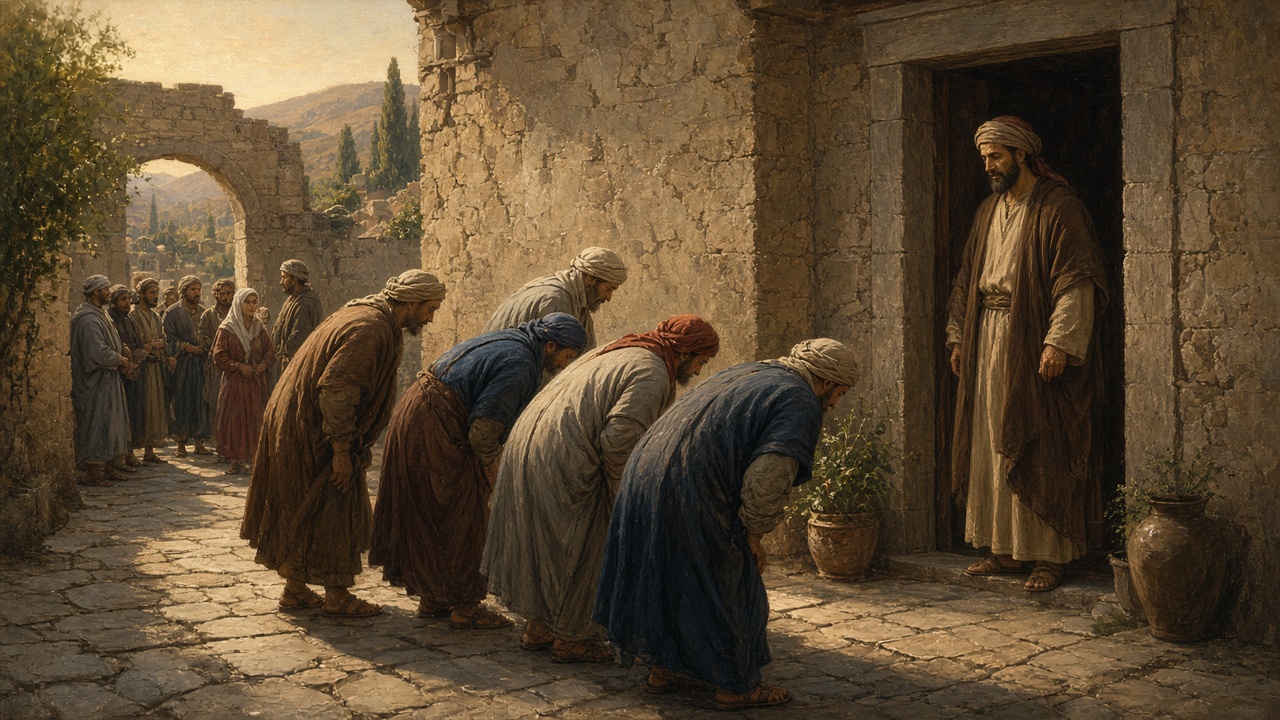
Did you know?
Living Stones and a Chosen People
- This chapter quotes Scripture about a chosen and precious cornerstone laid in Zion: the one who believes in him will never be put to shame. Zion was the south-eastern hill of Jerusalem, one of the heights on which the city was built, surrounded on every side except the north by deep valleys.Sources: the Bible text itself · Zion
- David took Zion from the Jebusites, built a citadel and a palace there, and the hill became known as the city of David. The letter uses that place-name when it quotes Scripture about a cornerstone laid in Zion, and it pictures the readers as living stones being built into a spiritual house and a holy priesthood.Sources: Zion · the Bible text itself
- The chapter urges submission, for the Lord’s sake, to every human institution—to the king as supreme authority and to governors sent to punish wrong and praise what is right. It tells servants to respect even unreasonable masters, and it holds up Christ’s suffering, without sin, deceit, threats, or retaliation, as the pattern for enduring unjust pain.Sources: the Bible text itself
Notes written with AI assistance from open sources (Theographic Bible Metadata, CC BY-SA 4.0; Easton’s Bible Dictionary, public domain) and reviewed before publishing.
Places in this chapter
- Zion · Today: Jerusalem · 31.777, 35.234 · verse 6
Only places identified with high confidence are shown (90% or more according to the scholarly sources compiled by OpenBible). Period map: DARE (Digital Atlas of the Roman Empire), CC BY 4.0; modern map: © OpenStreetMap contributors; places: OpenBible.info (CC BY 4.0).
Credits and license for this translation
God Lavayiyat Aṅ Puhuvasiwni
New Testament in Hopi (US:hop:Hopi)
copyright © 2012 Wycliffe Bible Translators, Inc.
Language: Hopi
Translation by: Wycliffe Bible Translators, Inc.
Hopi [hop], USA
Copyright Information
© 2012, Wycliffe Bible Translators, Inc. All rights reserved.
This translation text is made available to you under the
terms of the Creative Commons License: Attribution-Noncommercial-No Derivative Works.
( http://creativecommons.org/licenses/by-nc-nd/3.0/ )
In addition, you have permission to port the text to different file formats, as long as you
do not change any of the text or punctuation of the Bible.
You may share, copy, distribute, transmit, and extract portions
or quotations from this work, provided that you include the above copyright
information:
You must give Attribution to the work.
You do not sell this work for a profit.
You do not make any derivative works that change any of the actual words or punctuation of the Scriptures.
Permissions beyond the scope of this license may be
available if you contact
us with your request.
The New Testament
in Hopi
© 2012, Wycliffe Bible Translators, Inc. All rights reserved.
This translation is made available to you under the terms of the
Creative Commons Attribution-Noncommercial-No Derivatives license 4.0.
You may share and redistribute this Bible translation or extracts from it in any format, provided that:
You include the above copyright and source information.
You do not sell this work for a profit.
You do not change any of the words or punctuation of the Scriptures.
Pictures included with Scriptures and other documents on this site are licensed just for use with those Scriptures and documents.
For other uses, please contact the respective copyright owners.
2014-04-25
Source: http://ebible.org/hopNT/ · eBible.org